
Ask most brands when they should run a home use test and the honest answer they give is usually “as soon as the product’s ready.” That makes perfect sense from a development point of view, because nobody wants to sit on a finished formulation waiting for the calendar to catch up.
What often gets overlooked, though, is that the time of year you put a product into people’s homes can quietly shape the feedback you get back, sometimes in ways that flatter a product and sometimes in ways that punish it unfairly.
The whole point of home use testing is that it captures how a product performs in the real world rather than under the artificial conditions of a lab or a central venue. That’s its great strength.
The flip side is that the real world has weather, and habits, and a rhythm to the year, and all of those things come along for the ride when a consumer tests your product over a fortnight in their own kitchen, bathroom or living room.
Understanding how the seasons feed into that picture helps you read your results properly and, just as importantly, plan your testing so the conditions work for you rather than against you.
The Way People Live Changes With the Calendar
Consumer behaviour isn’t static across the year, and the differences are bigger than most people assume. In the depths of winter, households are warmer, wetter and busier indoors, comfort food does well, hot drinks get made constantly, and anything to do with heating, lighting or staying cosy gets used far more heavily than it would in July.
Come summer, the same household is firing up the barbecue, reaching for cold drinks and ice cream, spending more time outdoors, and quietly shelving half the products that felt essential a few months earlier.
None of this is news to anyone who’s ever lived through a British year, but it has real consequences for product testing. When a household’s whole rhythm shifts with the weather, the enthusiasm they bring to any given product shifts with it, and a result can end up flattering or punishing a product for reasons that have nothing to do with the quality of what you’ve made.

How Seasonal Habits Quietly Influence the Scores
It isn’t only appetite that moves with the seasons. The way people actually use a product changes too, and home use testing is precisely the method that exposes those usage patterns rather than the tidy version consumers might report in a questionnaire.
When you understand which seasonal forces are in play during your test window, you’re in a far stronger position to separate the signal from the noise, and to know whether a lukewarm result reflects a genuine weakness in the product or simply the wrong product in the wrong month. A few categories show this especially clearly.
Home Use Testing for Food and Drink Products
Appetite is the most obvious seasonal lever of all. A rich, warming soup placed into homes during a July heatwave is being judged in exactly the conditions where people least want to eat it, and a refreshing iced drink tested in January faces the same problem in reverse.
The product hasn’t changed, but the appetite for it has, and that shift can drag scores in a direction that has nothing to do with the quality of what you’ve made.
Testing Personal Care Products in Real Conditions
The conditions a product meets on the skin shift dramatically through the year, and that feeds straight into how people rate it. A moisturiser tested in winter gets applied to dry, central-heating-parched skin and may well be rated as a godsend, whereas the same moisturiser handed out in humid August might feel heavy and unnecessary to the same person.
This is part of what makes the method so valuable for understanding genuine consumer behaviour rather than stated intentions.

Household and Cleaning Product Testing
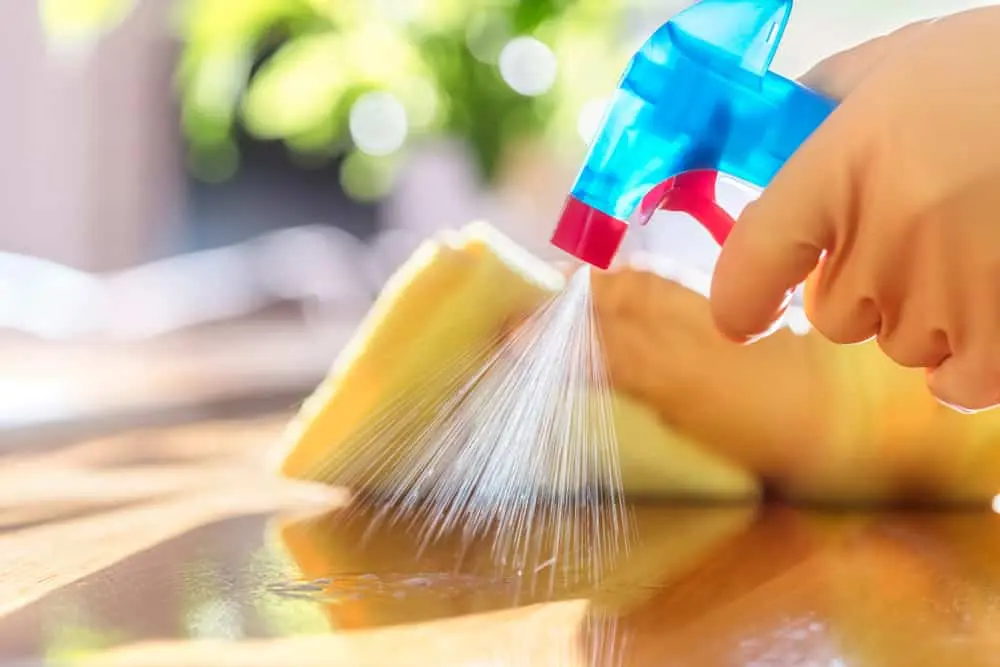
Cleaning products see muddy boots and wet dogs in the colder months and grass stains and sun cream in the warmer ones.
Even something as simple as a scented candle or an air freshener lands differently depending on whether windows are flung open all day or sealed shut against the cold, so the same fragrance can read as pleasant and present in winter yet faint and forgettable in summer.
Matching Home Use Testing to the Product’s Real Moment
The sensible response to all of this isn’t to panic about the weather, it’s to build seasonality into the plan from the start. Wherever it’s practical, a product is best tested in the season it’s actually built for, because that’s the moment of truth that matters commercially.
If your product will live or die during the Christmas trade, testing it in the autumn run-up gives you feedback grounded in the mindset consumers will genuinely be in when they buy it, and the same logic applies to a summer launch tested in late spring.
This is one of the areas where planning your research around the product’s real moment makes a tangible difference to how confidently you can act on the findings, which is why timing tends to come up early whenever we’re talking through launch decisions with a brand.
Getting a product into homes at the right point in the year means the data you collect maps cleanly onto the conditions it’ll face on the shelf, so when the results say consumers loved it, you can trust that they’ll love it just as much when it actually goes on sale.
When Off-Season Testing Is Exactly What You Want
There’s an important exception worth flagging, because sometimes the off-season is precisely where you need to be. If you’re developing a product specifically to break the seasonal mould, an ice cream meant to sell year-round, say, or a hot beverage you want people drinking in summer, then testing it against the grain is the whole point.
You actively want to know whether it can win people over in the conditions where the category usually struggles, and a home use test run at the “wrong” time of year answers exactly that question.
The same applies when you’re stress-testing a claim about versatility or all-year appeal. There’s no sense in proving a product performs beautifully in its comfort zone if your marketing is going to promise something broader, and putting it through its paces out of season gives you honest evidence one way or the other.
The frequently asked questions we get from brands about how home use testing works very often come back to this point, namely that the “right” time to test depends entirely on what you’re trying to prove, not on a fixed rule.
It Isn’t Only About Human Consumers
Seasonality doesn’t stop at products meant for people, either. Pet owners change their routines across the year just as much as anyone else, walking dogs in very different conditions, adjusting feeding habits as activity levels rise and fall, and dealing with everything from muddy winter paws to summer appetite dips.
Running home use testing on pet products with these seasonal rhythms in mind gives a far truer reading of how a food, treat or product fits into an animal’s life across the months, rather than capturing a single artificial snapshot that may not hold up once the weather turns.
Planning Your Next Home Use Test
Seasonality is one of those factors that’s easy to ignore right up until it skews a set of results and leaves you second-guessing a perfectly good product. The good news is that it’s entirely manageable once it’s on your radar, and a little forethought about when to place your product into homes can be the difference between data you can act on with confidence and data you end up quietly setting aside.
If you’re weighing up a home use test and want to get the timing right for your particular product, we’d be glad to talk it through. We run projects across the UK and Europe, for food, drink, household, personal care and pet products alike, and we’ll help you build a study that accounts for the season rather than getting caught out by it.
To start a conversation, give us a call on +44 (0)151 346 2999 or email info@portfolio-fullstack.site.