
Your product has performed well in every internal review. The formulation meets your targets, the packaging looks right, and your team is confident you have something worth launching. But confidence built inside your organisation does not always translate to success once your product reaches real kitchens, bathrooms, and living rooms.
Home use product testing bridges the gap between what you expect and what actually happens when consumers live with your product over days or weeks. This research method places your product into the environments where purchase decisions are reinforced or regretted. The insights you gain can reshape your understanding of what makes your product work and where it still needs attention before you commit to a full launch.
Why Launch Decisions Need Real-World Evidence
Product development timelines create pressure to move forward based on the information you have, even when that information comes with blind spots. Internal testing and central location research both generate useful data, but neither captures the full picture of how your product will perform once it becomes part of someone’s routine.
The gap matters because consumers form lasting opinions through repeated use. A cleaning product might impress during a single demonstration but frustrate users after a week of wrestling with a poorly designed cap. A food product could taste appealing in a first bite but lose its appeal when consumed across several meals. Home use product testing surfaces these patterns before they become problems in the market.
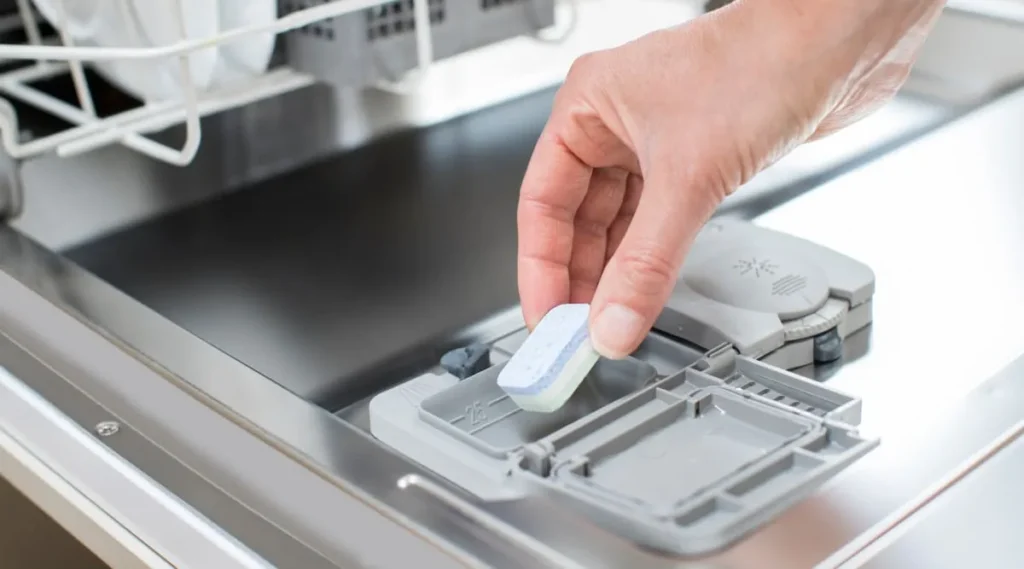
What Home Use Product Testing Reveals at Different Stages
The value of placing products in real homes extends across your entire development process. Whether you are refining an early prototype or validating a final formulation, this research method delivers insights tailored to the decisions you need to make.
Early Development Feedback That Shapes Direction
During early development, home use product testing helps you understand whether your concept translates into a product people actually want to keep using. Initial enthusiasm can fade quickly when a product proves inconvenient to store, awkward to use, or underwhelming after the novelty wears off.
Catching these signals early means you can adjust direction before investing heavily in production and packaging. The advantages of home use testing at this stage include the ability to observe how your product fits into existing routines.
Pre-Launch Validation That Reduces Risk
As your product approaches its final form, home use product testing shifts toward confirming that everything works as intended. This stage often involves longer testing periods that reveal durability issues, performance consistency, and whether early positive impressions hold up over time.
Research conducted in real home environments captures the practical details that influence whether someone buys your product again. Storage challenges, portion sizing, ease of preparation, and cleanup requirements all affect the experience in ways that single-session testing cannot measure.
Post-Reformulation Checks That Protect Existing Success
When you change an existing product, home use product testing helps you verify that loyal customers will accept the new version. Ingredient substitutions, cost-saving adjustments, and formula improvements all carry risk if they alter the experience consumers have come to expect.
The feedback you gather can confirm that changes register positively or reveal problems before you roll out a reformulation that disappoints your existing customer base. This consumer research method gives you evidence rather than assumptions.
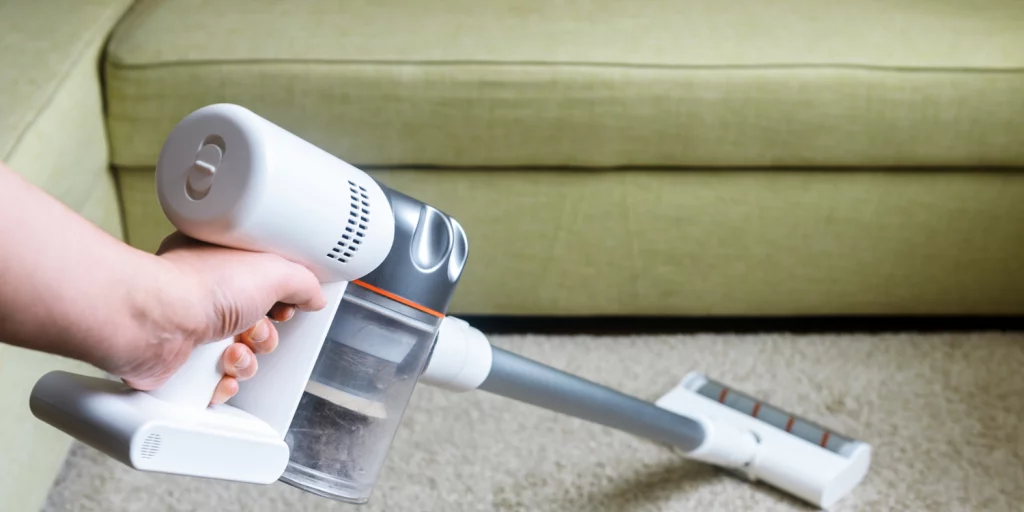
Practical Considerations for Effective Home Use Product Testing
Getting the most from this research method requires attention to how you structure your study. Several factors influence whether the feedback you collect will genuinely support better decisions:
- Participant selection should reflect your actual target market, matching demographics and usage habits to the consumers you intend to reach
- Testing duration needs to allow enough time for genuine patterns to emerge, rather than capturing only first impressions
- Feedback mechanisms should make it easy for participants to report their experiences close to the moment of use
- Product quantities must support realistic usage across the full testing period
These considerations shape the quality of insights you receive. When you choose home use product testing with the right structure in place, the research genuinely reduces launch risk rather than simply confirming existing assumptions.

Make Confident Launch Decisions with WSS
The evidence gathered through home use product testing gives you clarity that internal reviews and short-form research cannot match. When you know how consumers respond to your product across multiple uses in their own homes, you can move toward launch with genuine confidence.
At Wirral Sensory Services, we have been conducting home use product testing for leading brands since 1997. Our experienced team designs studies around your specific objectives and recruits from one of the largest pools of home-based testers in the UK.
If you want to discuss how this research method could support your next launch, call us on +44 (0)151 346 2999 or email info@portfolio-fullstack.site.