- Home
While no brand ever sets out to fail, hundreds of UK food and beverage brands do just that every year. Many of the failures occur because brands simply aren’t meeting their target audience’s expectations.
Whether your product packaging is too dull or the taste is too bland, you won’t know what consumers think unless you ask them. Product research allows brands to connect with customers meaningfully. By asking the right questions, you can gather the insightful data you need to make the changes your brand needs to become or remain successful.
Central location testing and home use testing are effective
product research methods that give brands direct access to consumers – but knowing which research method to invest in can be complicated.
So, does your brand need central location testing or home use testing? Let’s talk you through each method to help you make an informed choice.
What is Central Location Testing?
Central location tests are conducted in a controlled and public environment, such as a supermarket. The tests can also take place in laboratories, depending on the nature of the product.
Central location testing allows for objective feedback as all participants experience the same conditions. During the testing period, researchers can control the environment to reduce bias and will be able to observe subtle data such as body language or facial expressions.
Central location testing will provide valuable data for brands of all sizes. Many companies prefer central location testing as it is a cost-effective way to get accurate data in a short period.
What is Home Use Testing?
Home use testing allows participants to test your product in the comfort of their homes. Participants are supplied with the product, use it, and provide feedback that you can use to make improvements.
During the test period, consumers will use the product for its intended use throughout the course of their ordinary day. The turnaround for these tests can be as little as three weeks, depending on your research objectives.
This personal engagement allows for accurate data and detailed qualitative feedback. At the end of the testing period, you will know exactly what consumers think about your product.
Which One Should You Choose?
Different products require different research methodologies. The correct testing method for your product will depend on the nature of your product and your research objectives.
If you are launching a new product or would like to improve your existing product, central location testing could be ideal. For example,
taste testing can be used by new brands to gauge consumer preferences. Established brands, on the other hand, can use central location testing to expand their market reach.
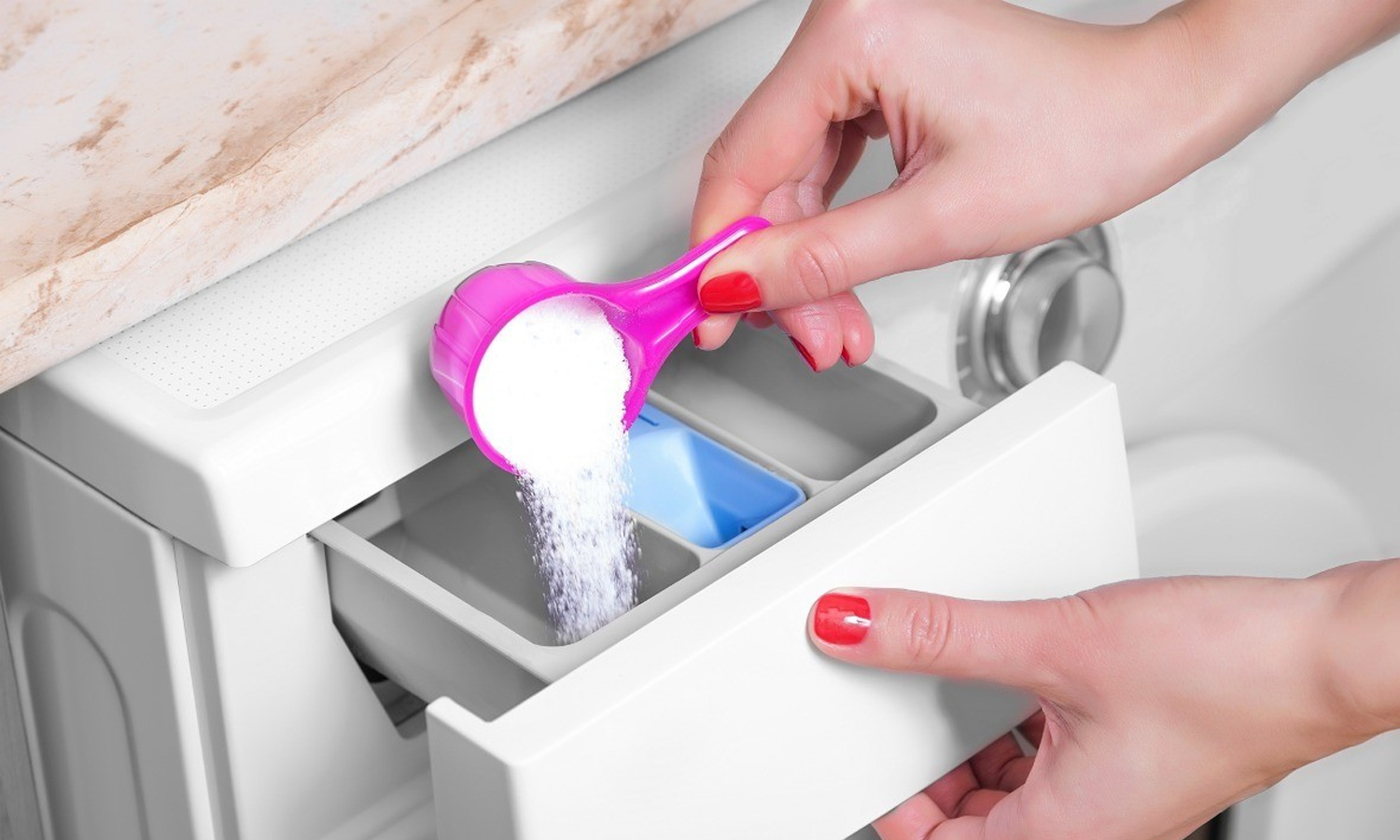
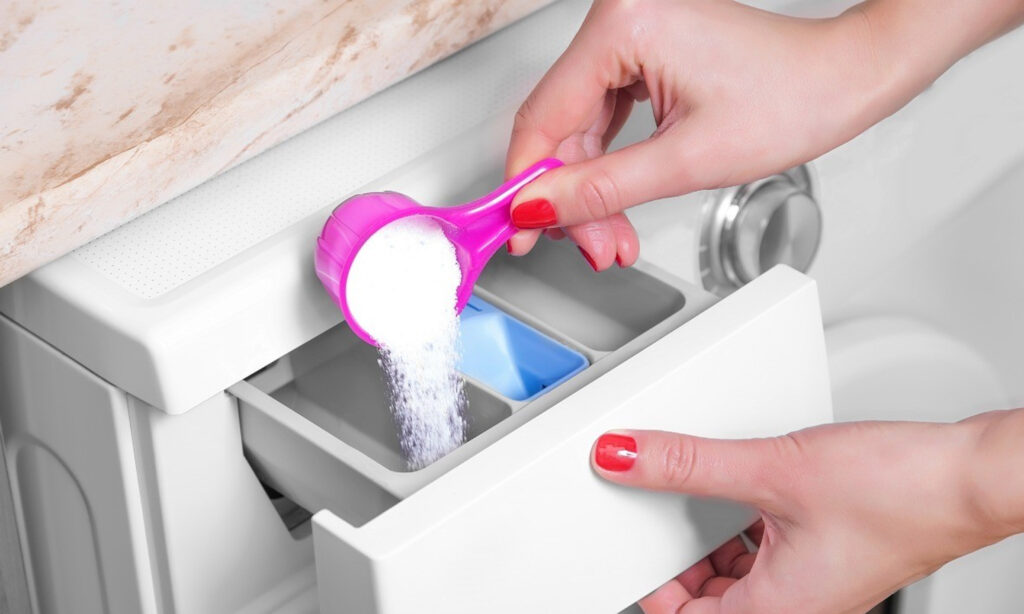
Home testing is ideal for products such as household cleaning or children’s products. Brands that require
claim support for their products will benefit from home-use testing as it can provide detailed feedback from your target audience. Home use testing can also be used to conduct competitor comparison analysis, giving insight into how your product performs against your competitors.
Choose Wirral Sensory Services for Your Central Location Testing Today
Applying the wrong research methodology will lose you money and lead to implementing incorrect changes that hurt your product performance. That’s why you need to rely upon an expert team with decades of experience in carrying out product and consumer research.
At Wirral Sensory Services, we understand the importance of quality research and the benefits it can deliver for your brand. We have over two decades of experience in product research and development. Over the years, we have provided leading British and international food and beverage brands with research support that has helped them become
industry-leading brands.
Whether you are a startup brand trying to create a new product, or an established brand looking to expand your reach, we can help.
Contact us today, and one of our experienced researchers will help you choose the correct research methods for your products.


 In 2020, UK citizens spent over £250m more on groceries each week than in previous years. To take advantage of current consumer spending trends, your product must meet, and in most cases, exceed customer expectations.
Consumer testing gives brands the insight they need to develop high-quality products. This form of product testing includes research methods that rely on consumer feedback to measure your product’s performance or properties.
So, with that in mind, let’s run you through some of the different types of consumer testing.
In 2020, UK citizens spent over £250m more on groceries each week than in previous years. To take advantage of current consumer spending trends, your product must meet, and in most cases, exceed customer expectations.
Consumer testing gives brands the insight they need to develop high-quality products. This form of product testing includes research methods that rely on consumer feedback to measure your product’s performance or properties.
So, with that in mind, let’s run you through some of the different types of consumer testing.