Listening to Customers: How Consumer Research Creates Products People Actually Want

Consumer research has long been the backbone of successful product development. By tapping into your target audience’s thoughts, preferences, and behaviours, you can create products that truly resonate with them. This approach increases the chances of market success and helps build stronger relationships with your customers. However, many companies still rely on guesswork or internal opinions when developing new products, leading to costly mistakes and missed opportunities. Consumer research, on the other hand, provides a clear path to understanding what your customers actually want, need, and are willing to buy. So, let’s dive into how consumer research achieves this outcome and why it should form part and parcel of your product development process. sensory testing

Why Consumer Research Matters

Developing products without consumer input is a risky business. You might spend significant time and resources on a product that fails to gain traction in the market. Consumer research helps mitigate this risk by providing valuable insights before you commit to full-scale production. Investment in proper consumer research allows you to involve consumers early in the development process, identify potential issues, refine your concepts, and ensure your product meets real market needs. It’s undoubtedly one of the best ways to significantly reduce product failure rates and increase your return on investment.

Key Benefits of Consumer Research

Allows You to Better Understand Customer Needs

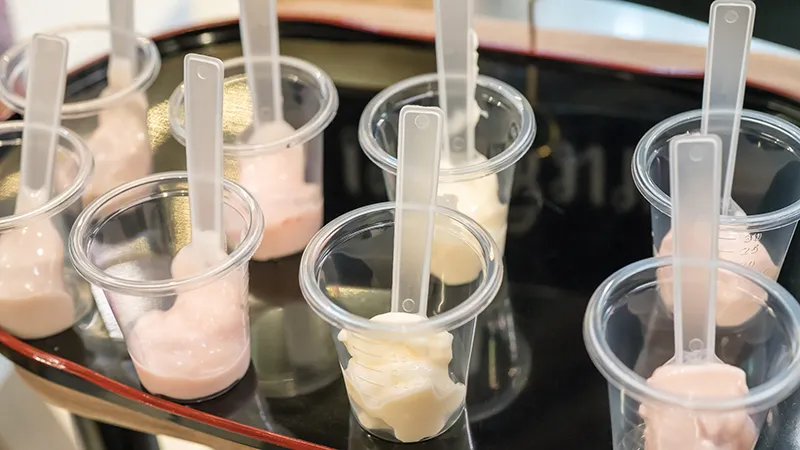
Consumer research allows you to dig deep into the minds of your target audience. Through various research methods, you can uncover their pain points, desires, and unmet needs through various research methods. This information is gold when it comes to product development. For example, through taste testing and sensory profiling, you might discover that while customers enjoy the flavour of existing low-sugar soft drinks, they’re frustrated by the lingering artificially sweet aftertaste. This insight could lead to the development of a new sweetener blend or flavour masking technique that eliminates the aftertaste while maintaining the desired low sugar content. By uncovering (and subsequently addressing) this specific consumer pain point, you’re more likely to create a product that stands out in the crowded but lucrative soft drink market and gains a loyal following among health-conscious consumers.

Helps to Validate Product Concepts

Before investing heavily in a new product, validating your concept with potential customers is crucial. In that respect, consumer research provides a platform for testing your ideas and gathering feedback early in the development process. This early validation can save you from costly mistakes. If consumers respond positively to your concept, you can move forward with confidence. If they highlight concerns or suggest improvements, you can refine your idea before committing significant resources. This iterative process helps ensure that your final product aligns with customer expectations and market demands.

Gives You the Opportunity to Optimise Product Features

Once you have a solid product concept, consumer research can help you fine-tune its features. By understanding which aspects are most important to your target audience, you can prioritise your development efforts effectively. This process often involves trade-offs. You might find that while consumers love a particular feature, they’re not willing to pay extra for it. Or you might discover that a feature you thought was crucial is actually less important to your target market. These insights allow you to create a product that offers the right balance of features at the right price point.

Improves Your Marketing Strategies

Consumer research doesn’t just inform product development. It also provides valuable insights for marketing. By understanding your target audience’s preferences, behaviours, and motivations, you can craft more effective marketing messages and choose the most appropriate channels to reach them. This alignment between product features and marketing messages is crucial for success. When your marketing accurately reflects the benefits that matter most to your customers, you’re more likely to attract their attention and convert interest into sales. consumer research

Effective Consumer Research Methods

Now you’re aware of the benefits of consumer research and why it matters so much, it’s worth covering some of the more popular methods for consumer research to allow you to assess which one(s) represents the best fit for your brand. There are various methods for conducting consumer research, each with its own strengths. Surveys and online questionnaires can provide quantitative data from a large sample size, while focus groups offer in-depth qualitative insights. In-home usage tests allow you to see how your product performs in real-world conditions, and central location tests provide a controlled environment for product evaluations. The choice of method depends on your specific research goals, budget, and timeline. Often, a combination of methods yields the most comprehensive insights. At Wirral Sensory Services, we can help you determine the most appropriate research methods for your unique needs.

Turning Research into Action

Of course, gathering consumer data is only half the battle. The real value comes from interpreting this data effectively and implementing the insights in your product development process. This requires a careful analysis of the research results and the ability to translate findings into actionable strategies. It’s important to involve key stakeholders from various departments in this process. By sharing consumer insights across your organisation, you can ensure that everyone is aligned in creating a product that meets customer needs. This collaborative approach can lead to more innovative solutions and a stronger final product. taste testing
Count on Wirral Sensory Services for All Your Consumer Research Needs

Consumer research is a powerful tool for creating products that people actually want rather than you think they might need. By listening to your customers and involving them in the development process, you can increase your chances of market success and build stronger customer relationships. If you’re ready to leverage powerful consumer research methods for your next product, we’re here to help. At Wirral Sensory Services, we have over 25 years of experience in conducting effective consumer research across various industries. Our team can guide you through the entire process, from selecting the right research methods to interpreting the results and implementing the insights. Don’t leave your product’s success to chance. Contact us today at +44 (0)151 346 2999 or email info@wssintl.com to discuss how we can help you create products that deliver precisely what your target audience is looking for.

Quantifying the Impact of Product Changes Through Packaging Research

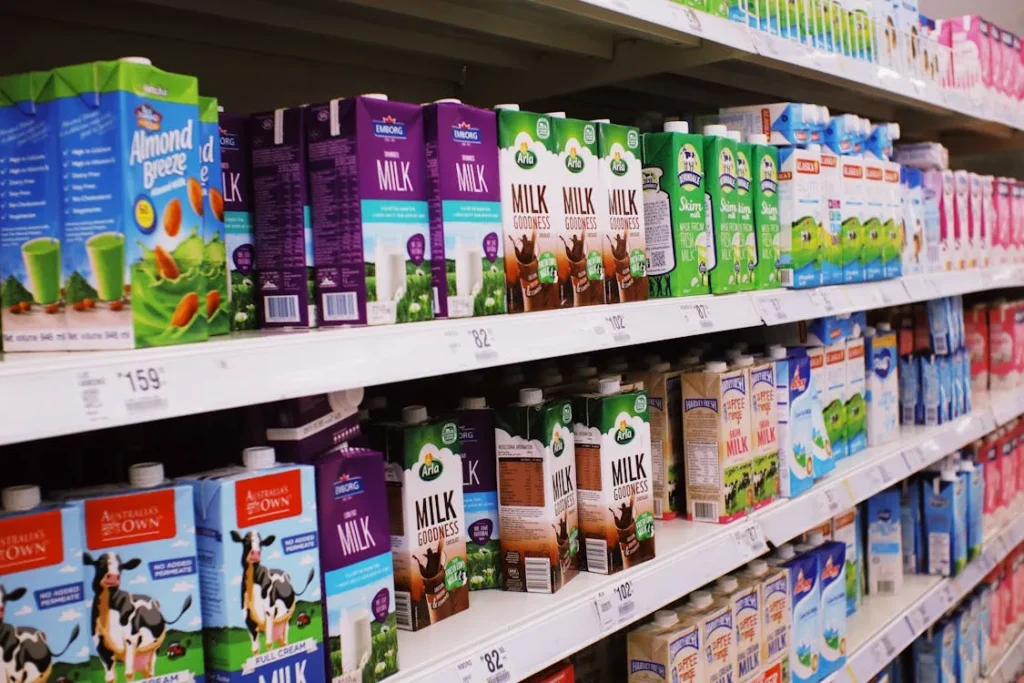
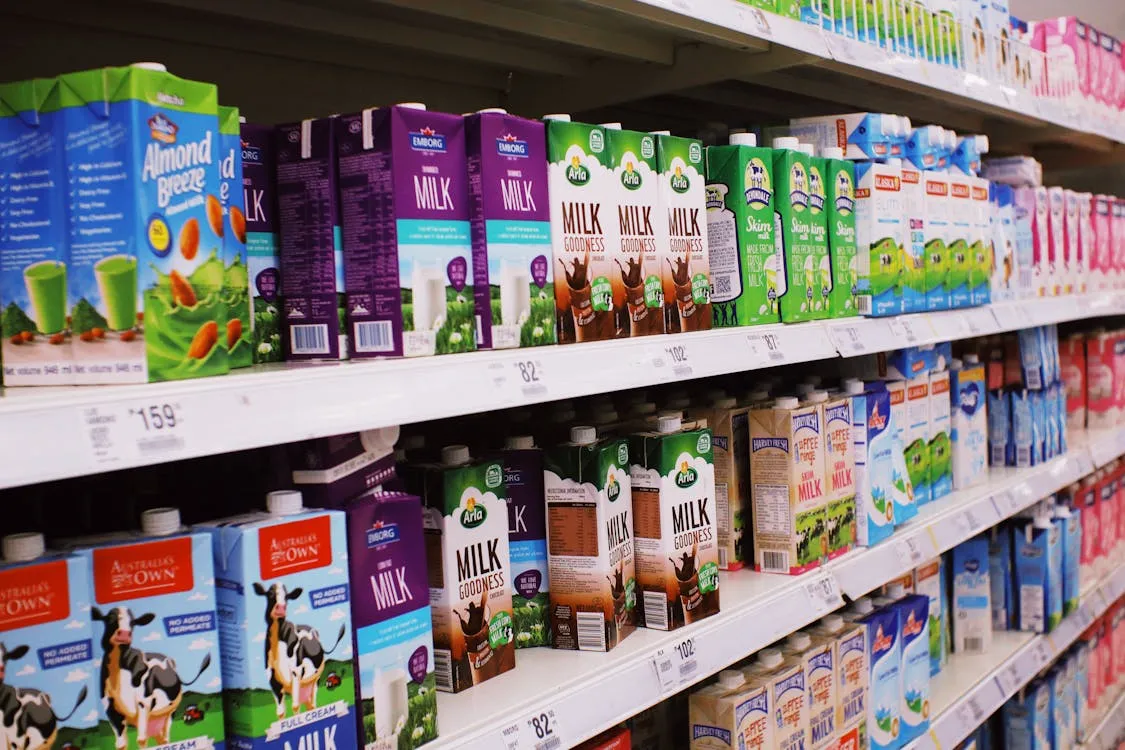
Your product’s packaging is often the first point of contact between your brand and potential customers. It’s not just a container or a wrapper. Rather, it’s a powerful marketing tool that can make or break a sale. Packaging serves as a silent salesperson, communicating your brand’s values, quality, and uniqueness in the few seconds a shopper spends scanning the shelves. Effective packaging design goes beyond mere aesthetics. It creates an emotional connection with consumers, influences their perception of your product, and can even justify premium pricing. For instance, consider how the sleek, minimalist design of Apple products enhances their perceived value or how the distinctive Coca-Cola bottle shape has become an iconic brand asset. These are just a few examples that illustrate how packaging can become an integral part of your brand identity and a key driver of consumer choice. With that in mind, let’s examine how you might quantify any changes made to your packaging and their impact on consumers. We’ll also cover the cost of not investing in packaging research with a famous case study from Tropicana. supermarket shelf

Packaging Research: More Than Meets the Eye

Packaging research delves deeper than surface-level aesthetics. It examines how your packaging functions, how it communicates information, and how it influences consumer behaviour. This comprehensive approach ensures that your packaging looks good and performs well in real-world situations. Functionality is a crucial aspect of packaging research. Does your packaging protect the product effectively? Is it easy to open and reseal? Does it fit well on store shelves and in consumers’ homes? These practical considerations can significantly impact user experience and repurchase decisions. Information clarity is another vital element. Your packaging must clearly communicate essential details such as product benefits, usage instructions, and nutritional information. Well-designed packaging strikes a balance between attracting attention and providing necessary information without overwhelming the consumer.

Measuring Change: Key Metrics in Packaging Research

To quantify the impact of packaging changes, you need to focus on specific, measurable metrics. Purchase intent is a crucial indicator. Through surveys and simulated shopping experiences, you can gauge how likely consumers are to buy your product based on its packaging alone. This metric provides a clear link between packaging design and potential sales performance. Brand perception is another key area to measure. Does your new packaging align with your brand values? Does it enhance your brand’s perceived quality or premium status? These perceptions can have a lasting impact on your brand’s overall health. Usability improvements are also quantifiable. You can measure factors such as ease of opening, pouring, or storing the product. Improvements in these areas can lead to increased consumer satisfaction and loyalty, translating to long-term sales growth. sensory evaluation

Research Methodologies: Tools of the Trade

Central Location Testing

Central location tests offer a controlled environment to assess packaging impact. These tests recreate a retail setting, allowing researchers to observe how consumers interact with your packaging in a simulated shopping experience. This method helps control external variables, providing cleaner data on the specific effects of packaging changes.

Home-Use Tests

Home use testing provides insights into how your packaging performs in real-world conditions. Consumers use your product in their own homes, providing feedback on aspects like storage, ease of use, and overall satisfaction. This methodology offers valuable long-term data on packaging performance and is well-suited to household items such as cleaning products.

In-Store Observation Studies

In-store observations capture real shopping behaviours. Researchers can track how consumers interact with your packaging on actual store shelves, providing authentic data on shelf impact and purchase decisions. This method offers insights that lab-based studies might miss, such as how your packaging stands out among competitors in an actual retail environment. vanilla coca cola

Lessons from a Packaging Misstep: The Tropicana Case Study

Tropicana’s 2009 packaging redesign serves as a cautionary tale in the world of packaging research. The company replaced its iconic orange-with-a-straw design with a more modern look, featuring a glass of orange juice and a redesigned logo. The change was drastic, and the results were immediate – and negative. Within two months of the redesign, Tropicana’s sales plummeted by 20%, resulting in a loss of $30 million. Consumers reported difficulty recognising the brand on shelves, and many felt the new design looked generic, diminishing the premium image Tropicana had cultivated. This case highlights the importance of maintaining brand recognition elements in packaging design and the value of thorough consumer testing before implementing significant changes. It also underscores consumers’ emotional connection with familiar packaging, a factor that quantitative data alone might not capture.

The Bottom Line: ROI of Packaging Research

Investing in packaging research can yield significant returns. While the upfront costs might seem substantial, they pale in comparison to the potential losses from a failed packaging change. Consider the Tropicana case – the $35 million spent on the failed redesign and advertising campaign, plus the $30 million in lost sales. Those enormous amounts spent far outweigh the cost of comprehensive packaging research. Beyond avoiding costly mistakes, effective packaging research can drive sales growth, enhance brand perception, and improve customer loyalty. These long-term benefits contribute to your brand’s overall value and market position. Moreover, insights gained from packaging research often have applications beyond the immediate project, informing future product development and marketing strategies. sensory evaluation

Make Informed Packaging Decisions with Wirral Sensory Services

At Wirral Sensory Services, we understand the complexities of packaging research and its impact on your brand’s success. Our team of experts employs a range of methodologies to provide comprehensive insights into how your packaging performs with consumers. From central location tests to home use studies, we tailor our approach to your specific needs and objectives. Don’t leave your packaging decisions to chance. Contact Wirral Sensory Services today at +44 (0)151 346 2999 or email info@wssintl.com to discuss how we can help you quantify the impact of your packaging changes and make informed decisions that drive your brand’s success.