What Are The Advantages Of Home Use Testing?

  1. Home

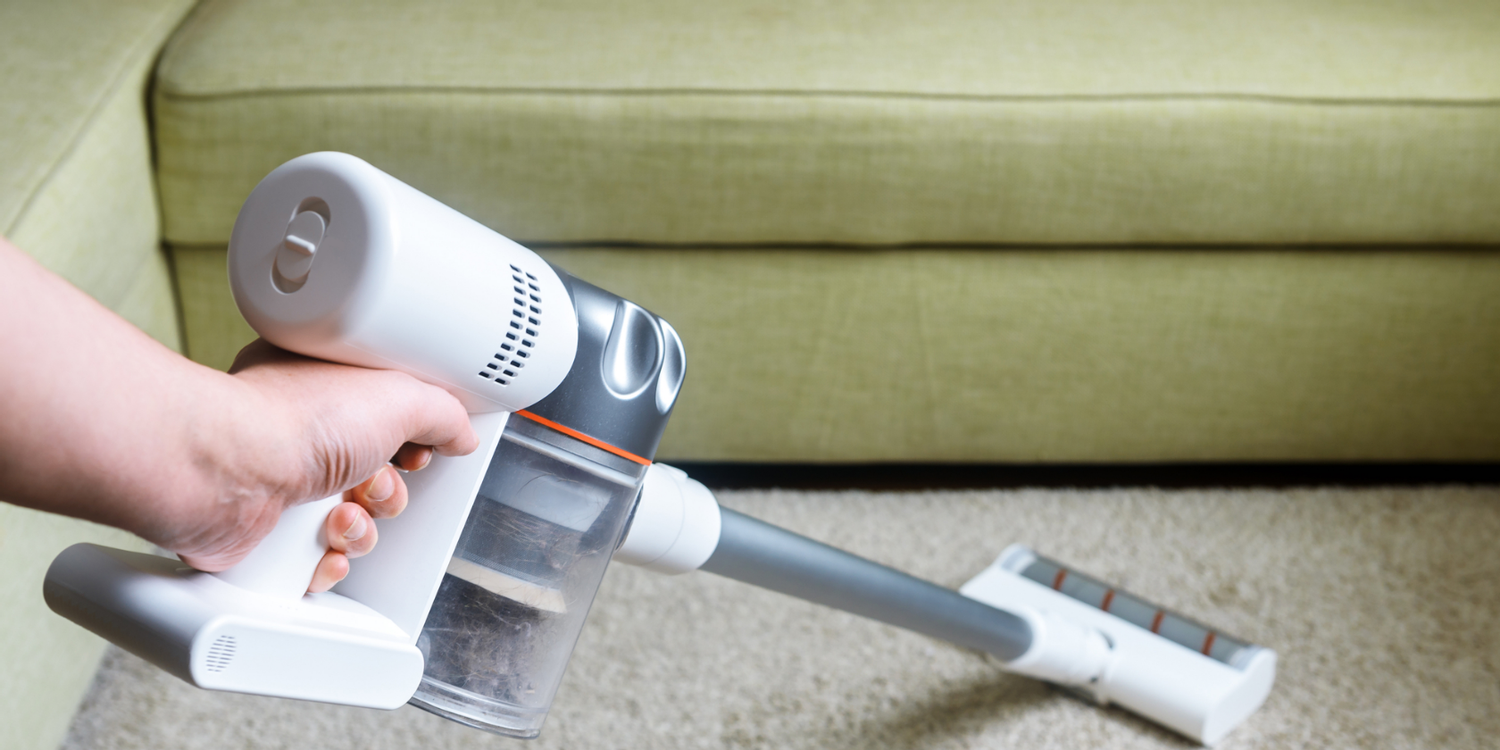
Home use testing (HUT), or in-home use testing (iHUT) as it’s often referred to, describes the process of using a product in a target consumer’s home and gathering feedback concerning a product’s performance in its intended setting.

Home use tests are conducted at all stages of product development, from concept and design testing to pre-launch and even after a product has hit store shelves, as was the case with Febreze. This type of consumer research is commonly used for products like cosmetics, fragrances, haircare, skincare, and cleaning supplies.

Home use testing has several advantages that make it an attractive option for companies looking to gather insights into their products. So without further ado, let’s quickly run through them.

1. Home Use Testing is More Intimate and Realistic than Laboratory or Focus Group Testing

While consumer research under lab conditions is vital for many products, home use testing provides a more intimate, realistic setting in which to test products. This is because people interact with and use products differently at home than they would in a lab or focus group setting.

For example, they are more likely to use products as intended, in the context of their daily routines, and perhaps in conjunction with other products with which they would typically use them. This provides companies with valuable insights into how their products are actually being used by their target audience.

2. Home Use Testing Can Help You Address Consumer Pain Points

Sometimes you can only find potentially disastrous flaws with your product after consumers have spent weeks using them rather than a few hours in a neutral setting.

By committing to prolonged periods of home use testing, brands can better identify consumer pain points that may have otherwise gone unnoticed. Companies can then use these insights to improve the product before it hits store shelves or, in some cases, make necessary changes after the product has already been released.

3. Home Use Testing Can Facilitate Long-Term and Ongoing Feedback

Another benefit of home use testing is that it can help facilitate long-term and ongoing feedback. This is extremely valuable for companies as it allows them to track changes in consumer sentiment over time, rather than just getting a one-time snapshot.

This type of feedback can be used to assess the effectiveness of product changes, monitor trends, and predict future consumer behaviour. Home use tests can also be used to gauge consumer reaction to packaging changes or new marketing campaigns.

4. Home Use Testing Provides Extensive Qualitative Feedback

While quantitative feedback has its place in consumer research, sometimes brands need to uncover the “why” behind consumer behaviour. Home use testing can be beneficial in this regard as it provides brands with extensive qualitative feedback.

This research method allows companies to not only track how often and for how long their products are being used but also to understand the emotions and motivations driving these behaviours. Home use testing can also help brands uncover unanticipated uses for their products.

5. Home Use Testing Is Often More Cost-Effective

While home use testing is not always the cheapest option, it can be much more cost-effective than other types of consumer research, especially if you commit to longer testing periods.

This is because you can avoid the costs associated with renting space, setting up and breaking down equipment, and hiring professional staff. Feedback for home use testing can often be collected using cost-effective tools such as online surveys.

Conduct Highly Effective Home Use Testing with WSS Today

Home use testing is a powerful consumer research tool that can provide brands with valuable insights into how their products are actually being used.

At WSS, we have over 25 years of experience conducting home use tests for some of the world’s leading brands. Our team of expert researchers will work with you to design and implement a custom home use test that meets your specific needs and objectives. Once complete, our team will distil all of the data and feedback collected into actionable insights that you can use to improve your product and better meet the needs of your target audience.

Contact us today to learn more about how we can help you carry out a home use testing research project. We are available by phone at +44 (0)151 346 2999 or via email at info@wssintl.com.

What is a Blind Taste Test?

  1. Home
blind taste test

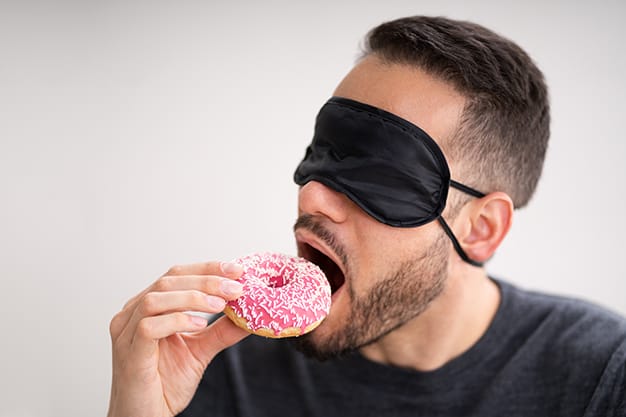
When conducting consumer testing, blind taste tests are a valuable tool in gathering consumer feedback without being influenced by other factors such as branding, price, packaging etc.

In a blind taste test, participants are given products to sample without knowing which brand they are trying. This allows testers to focus purely on the taste, smell, and texture of the product in order to make an unbiased judgement.

So why use them as part of your consumer research?

Why Use Blind Taste Tests?

Sometimes it’s easy to overlook the role brands and logos have on our perceptions of products.

Merely seeing a logo can evoke an emotional response and therefore affect how we process information. This phenomenon is often called the “halo effect” – the tendency for positive impressions of a company, brand, or product in one area to positively influence one’s opinion or feelings in other areas, preventing us from being able to make an objective decision.

Thus the primary purpose of blind taste tests is to remove one crucial element that may skew results: bias. Consumers all have inherent biases (both consciously and unconsciously). But, by taking away branding and other identifying factors, researchers can hope to get a more accurate idea of how participants really feel about a product.

Coke vs. Pepsi – The World’s Most Famous Blind Taste Test

Perhaps the most significant demonstration of the power of bias was in the famous Coke vs. Pepsi blind taste tests run throughout the 1980s. Coke had developed millions of loyal customers through excellent marketing, and many people assumed that it would come out on top in a blind taste test.

Pepsi, on the other hand, was marketed as the “choice of a new generation” and was seen as a hipper, more modern brand. So, when tasters were asked to choose between the two in a blind test, many were surprised that they actually preferred the taste of Pepsi.

Upon the release of the results, the executives at Coca Cola were so shocked that they rushed into developing the infamous “New Coke”, which had a sweeter taste profile that was more in line with Pepsi.

This example highlights not only how important it is to remove bias from consumer testing, but also how tricky it can be to do so. If even something as seemingly innocuous as a name or logo can alter people’s perceptions, it’s easy to see how other factors such as price, packaging, or even the location of a product in a store can affect consumer choices.

Eliminate Bias from Your Consumer Research With Consumer Blind Taste Testing

Blind taste tests play a vital role in eliminating bias and giving you accurate consumer insights. Without removing preconceptions, it’s difficult to know for sure what impact your product’s branding, price, or packaging is having on consumer perceptions.

At WSS, we’re industry leaders in blind taste testing. We have helped leading national and international brands to conduct blind taste tests across various categories. We have a team of highly experienced researchers who will work with you to ensure that your blind taste test is conducted efficiently and effectively.

To learn more about how we can help you eliminate bias from your taste testing, contact us today on +44 (0)151 346 2999 or via email at info@wssintl.com.

Who Carries Out Sensory Testing?

  1. Home
sensory testing

Sensory testing is an integral part of product development in the food and beverage industries. The process helps establish the sensory profile of a product and can identify potential off-flavours or other sensory defects.

There are a variety of sensory tests that can be conducted, but they all require human panels to provide accurate results. The issue, however, is that smell, taste, sight, touch, and hearing are all highly subjective, and what one person perceives as a strong flavour might be weak to someone else.

So, given these challenges, who conducts sensory testing to obtain objective parameters regarding the sensory profile of a product?

Who’s Involved in the Sensory Profiling of Products?

The answer is sensory panellists. These are people who are able to identify specific sensory attributes in products and provide objective feedback.

Sensory panellists usually have some background in the food or beverage industry, although this is not always required. What’s essential is that sensory panellists are able to identify the characteristics being evaluated in a product and provide accurate feedback.

There are a few different types of sensory panellists that are often used in sensory testing:

  • Trained sensory panellists: These are people who have received formal sensory training and are often employed by sensory testing companies.
  • Untrained sensory panellists: These are people who have not received formal sensory training but still possess above-average sensory acuity.
  • Consumer sensory panellists: These are people who represent the target market for a product and often overlap with the untrained sensory panellists group.

Each type of sensory panellist has its own advantages and disadvantages, and the exact makeup of a sensory panel will depend on your research objectives, project design, and budget.

How Does Sensory Profiling Work in Practice? Chicken Spice Case Study

Once you’ve chosen your sensory panel, it’s time to conduct sensory testing. But what does that look like in practice? It’s perhaps best to use a recent case study as an example.

A leading producer of spicy chicken products wanted to assess whether there were any discernible differences in dried spices sourced from two different origins.

A sensory profiling exercise was conducted using a panel of 14 trained panellists. An initial descriptor generating session identified 28 key parameters that would be used to measure attributes of chicken products. The panellists were then asked to assess the chicken products with spices from each origin.

A report was generated to show the mean scores of each key parameter for the chicken products made with spices from each origin. Significant differences were highlighted at 95% confidence to clearly identify where the products differed in sensory terms.

Based on the feedback from the research, there were demonstrable discernible differences in their products when using spices from two different origins. The client was then able to assess the level of difference and make an informed decision regarding the sourcing of spices.

Choose WSS for Your Sensory Testing Requirements Today

At WSS, we boast an extensive roster of professionally trained sensory panellists and an extensive pool of laypeople with above-average sensory acuity. We also have a broad range of demographics from which you can construct your panel.

Thus, no matter your requirements regarding your sensory panel, we have the resources and personnel to meet your needs.

So, if you wish to learn more about sensory testing or you need to submit your product(s) through a round of sensory profiling, don’t hesitate to get in touch with us today. We would be more than happy to discuss your requirements in further detail and answer any questions you may have.

5 Elements To Look Out For When Choosing A Consumer Product Testing Company

  1. Home
consumer product testing

When carrying out consumer research, the chances are that you’ll need to enlist the services of an experienced consumer testing company to ensure that the process is conducted smoothly and to the highest possible standards. However, with so many different consumer testing companies to choose from, it can be tricky to decipher which one will be the best fit for your brand.

With that in mind, here are five key elements you should look out for when choosing a consumer testing company.

#1: A Long and Well-Established Track Record

Across any industry, the tell-tale sign of any reputable business is its track record. How long a business has been operating often correlates with the quality of its services.

Consumer testing is no different. You should look for a consumer testing company that has been in operation for many years, if not decades, and has worked with a range of clients from different industries. This will give you a good indication that the company is experienced and knowledgeable in the field of consumer research.

#2: Check Their Reputation in Online Reviews and Client Testimonials

While a long and distinguished operating history is usually a significant positive indicator of a company’s performance, it’s also important to check the company’s more recent reputation. One of the best ways to do this is by reading online reviews. Look for consumer testing companies that generally have positive reviews across a range of different sites.

In addition, check to see if the company has any testimonials from previous clients on their website. If they do, make sure to read through them carefully to see if the company is consistently providing a high level of service and if they have delivered excellence in an area in which you would like to focus your research efforts.

#3: Make Sure They’re Flexible and Can Adapt to Your Needs

Any good consumer testing company should be flexible to the needs of a brand. In consumer research, there’s no such thing as a one-size-fits-all approach. An established brand and a startup company will need very different approaches to their consumer testing, so a company should be happy to accommodate these requirements.

A consumer testing company that’s worth its salt will work with you to devise a bespoke consumer research project that meets your specific needs, rather than trying to force a square peg into a round hole.

#4: They Should Be Able to Offer a Range of Different Services

The consumer testing company you choose should be well-versed in delivering a number of consumer research services. From taste testing to focus group studies, home use testing, efficacy testing and beyond – a well-respected consumer testing company should be able to offer all of these services and more.

A company offering a broad spectrum of consumer research methods will give you the confidence that they’re experts in the field of consumer testing and that they’ll be able to handle any consumer research request you have.

#5: Evaluate Their Client List

Who does your prospective consumer research partner currently work with? Does their client list include some of the biggest international names in your industry? If so, chances are they’re doing something right.

A consumer testing company with an impressive client list is likely to have the experience, personnel, and resources to carry out your consumer research project to the highest possible standards.

Choose Wirral Sensory Services for Your Consumer Testing Needs Today

Choosing a consumer testing company doesn’t have to be a daunting task. By looking out for these five essential elements, you can be sure that you’re choosing a company that will deliver high-quality consumer research results to help your brand make informed decisions about product development and marketing strategies.

At Wirral Sensory Services, not only have we been in operation for a quarter of a century, but we also boast a client list including some of the biggest names in the food and drink industry, offer a broad spectrum of consumer research services, and can demonstrate the quality of our work through our dozens of five-star reviews on platforms such as Google.

What’s more, our team of consumer research experts are on hand to devise a tailor-made strategy for your brand, ensuring that you get the most out of your consumer research project.

To learn more about how we can help you research, develop, and launch market-leading products, speak to a member of our team today on +44 (0)151 346 2999.