The evolution of sensory science

In a world where consumers are surrounded by endless product choices, standing out is no longer just about functionality or price. It’s about experience.

Over the years, sensory science has evolved from a niche practice into a powerful, data-driven discipline, that shapes how brands design, test, and market their products.

So, without further ado, let’s explore how it developed and why it has become indispensable for brands today.

The Evolution of Sensory Science

From intuition to early expertise

Before the 20th century, sensory evaluation was largely informal. Industries such as wine, tea, and perfumery relied on expert tasters and craftsmen who used personal judgment to assess quality. While these experts were highly skilled, their methods lacked consistency and scientific rigour.

The rise of scientific methods

The mid-20th century marked a turning point. During and after World War II, the need for reliable food production, especially for military use, led to the development of structured sensory testing. Researchers began introducing standardised methods such as consumer taste tests and trained sensory panels.

This period also saw sensory science align more closely with psychology and statistics, laying the groundwork for objective measurement of human perception.

Linking perception to consumer behaviour

From the 1980s onward, companies began to recognise that sensory perception directly influenced consumer preferences. This led to the development of more advanced techniques, such as quantitative descriptive analysis (QDA) and hedonic scales, that measure how much people like or dislike a product.

Sensory science expanded beyond food into categories like cosmetics, personal care, and household products, becoming a key component of product development.

The modern, data-driven era

Today, sensory science sits at the intersection of neuroscience, technology, and big data. Brands now use tools like eye tracking, facial expression analysis, and biometric measurements to gain deeper insights into consumer reactions.

There is also a growing focus on multisensory design – understanding how different senses interact to create a holistic experience. With the help of artificial intelligence and predictive analytics, companies can now anticipate how consumers will respond even before a product hits the market.

Why Sensory Science Matters More Than Ever

Driving product success

At its core, sensory science helps brands create products that people genuinely enjoy. Small adjustments in taste, texture, or scent can significantly impact whether a product succeeds or fails. By refining these elements, companies can better meet consumer expectations and increase satisfaction.

Building emotional connections

Sensory experiences are deeply tied to memory and emotion. A familiar scent, a satisfying sound, or a pleasing texture can evoke powerful feelings and associations. Brands that tap into these sensory triggers can create stronger emotional bonds with their customers, leading to long-term loyalty.

Standing out in crowded markets

In many industries, products offer similar functional benefits. Sensory experience becomes a key differentiator. The feel of packaging, the look of a product, or even the sound it makes can influence how consumers perceive its quality and value.

Improving product development

Sensory science reduces guesswork. By testing prototypes with real users, brands can identify what works and what doesn’t before launching. This not only improves the final product but also minimises the risk of costly failures.

Adapting to global audiences

Consumer preferences vary widely across cultures. What tastes perfect in one market may not appeal in another. Sensory science enables brands to tailor products to local tastes and expectations, ensuring relevance in diverse markets.

Enhancing marketing and brand experience

Beyond the product itself, sensory science plays a major role in marketing. From the scent in a retail store to the music in an advertisement, sensory cues help create a consistent and immersive brand experience. These subtle elements can shape perception and influence purchasing decisions.

The Bigger Picture

Sensory science has come a long way – from subjective expert opinions to a sophisticated, interdisciplinary field grounded in data and technology. Today, it is not just a supporting function but a strategic advantage.

For modern brands, success is no longer just about what a product does – it’s about how it feels. By understanding and optimising sensory experiences, companies can create products that resonate more deeply with consumers, stand out in competitive markets, and build lasting connections.

As consumer expectations continue to evolve, the brands that win will be those that don’t just meet needs – but engage the senses.

At Wirral Sensory Services, we continue to change with the times, and our research and development continues to evolve with the countless brands we work alongside.

If you have a question about anything we’ve discussed in this article, or would like to speak to a member of our team, get in touch with us today.


Why the correct diet matters: tackling dog obesity in the UK

Obesity has become one of the most common health issues affecting dogs in the UK. While many owners show love through food and treats, overfeeding and poorly balanced diets can have serious consequences for a dog’s long-term health. Maintaining the correct diet and portion sizes is one of the most important ways owners can support their pet’s wellbeing.

Research from the UK veterinary charity PDSA in 2023, suggested that a significant proportion of dogs in the UK are overweight or obese. Although excess weight may not always seem immediately harmful, it can lead to a range of health problems that affect both quality of life and life expectancy.

Why Obesity Is a Serious Health Concern

Carrying excess weight places considerable strain on a dog’s body. Over time, this added pressure can contribute to a number of medical conditions. Overweight dogs are more likely to develop joint problems, reduced mobility, and breathing difficulties. Extra weight can also increase the risk of developing conditions such as Type 2 Diabetes, as well as cardiovascular issues.

In addition to these health risks, overweight dogs often experience reduced energy levels and may struggle to enjoy normal activities such as walking, running, and playing.

Studies have also shown that dogs kept at a healthy weight can live significantly longer than those that are overweight. Even a small amount of excess weight can have a measurable impact on overall health.

Because obesity tends to develop gradually, many owners may not realise their dog has gained too much weight. This is why understanding how to assess a dog’s body condition is so important.

Understanding Body Condition Scoring

Veterinary professionals often use a system known as Body Condition Scoring (BCS) to determine whether a dog is underweight, at an ideal weight, or overweight. The method assesses a dog’s body shape and the amount of fat covering key areas such as the ribs, waist, and abdomen.

Most BCS systems use a scale of 1 to 9, where:

· 1–3 indicates an underweight dog

· 4–5 represents an ideal body condition

· 6–7 indicates that a dog is overweight

· 8–9 indicates obesity

Organisations such as the British Veterinary Association encourage pet owners to become familiar with body condition scoring, as it can help them monitor their dog’s weight between veterinary visits.

How to Tell if Your Dog Is the Right Weight

While veterinary guidance is always valuable, there are several simple checks that owners can carry out at home to get a general sense of their dog’s body condition.

1. Feel the ribs

You should be able to feel your dog’s ribs easily with light pressure, with only a thin layer of fat covering them. If the ribs are difficult to feel, this may indicate excess body fat.

2. Look for a visible waist

When viewed from above, a dog should have a noticeable waist behind the ribcage. If the body appears oval or straight with no narrowing, the dog may be overweight.

3. Check the abdominal tuck

Looking from the side, a dog’s abdomen should slope upwards from the ribcage towards the hind legs. A hanging or sagging stomach can be a sign that the dog is carrying too much weight.

These checks are simple but effective ways to monitor changes over time and identify when a dog may need adjustments to its diet or exercise routine.

The Role of Diet and Feeding Habits

Diet plays a central role in maintaining a healthy weight. Even high-quality food can contribute to weight gain if portion sizes are too large or treats are given too frequently.

Owners should ensure that they are feeding the correct portion sizes for their dog’s breed, size, age, and activity level. Measuring food rather than estimating portions can help prevent accidental overfeeding. Treats should also be given in moderation and ideally factored into the dog’s overall daily calorie intake.

Regular exercise is another key factor. Daily walks, playtime, and mental stimulation all contribute to maintaining a healthy weight and preventing boredom-related overeating.

Seeking Professional Advice

If owners are unsure whether their dog is at a healthy weight, consulting a veterinarian is always recommended. A vet can assess the dog’s body condition, provide guidance on appropriate feeding amounts, and suggest dietary adjustments if needed.

Maintaining a healthy body condition is one of the most effective ways to support a dog’s long-term health. By paying close attention to diet, portion sizes, and body condition, owners can help ensure their dogs remain active, comfortable, and healthy throughout their lives.

Prime years, prime nutrition: building the perfect diet for dogs

A dog’s diet plays a vital role in their overall health, energy levels, and longevity. While many people focus on feeding their dogs regularly, building the right diet requires understanding the nutrients dogs need and how those needs change throughout their lives. From puppyhood to their senior years, thoughtful nutrition helps dogs stay active, healthy, and happy.

Understanding the Key Nutrients Through Diet

A balanced diet provides dogs with the nutrients their bodies need to function properly. Each nutrient supports different aspects of health.

Protein is one of the most important components of a dog’s diet. It supports muscle development, tissue repair, and a strong immune system. Common high-quality protein sources include chicken, beef, fish, and eggs.

Fats provide concentrated energy and help maintain healthy skin and a shiny coat. Essential fatty acids such as omega-3 and omega-6 also support brain function and reduce inflammation.

Carbohydrates provide energy for daily activities. Ingredients such as whole grains, vegetables, and legumes can supply fibre that supports digestion.

Dogs also require vitamins and minerals like calcium, phosphorus, vitamin A, and zinc. These nutrients contribute to strong bones, healthy organs, and overall metabolic function.

A well-balanced diet combines all of these elements in appropriate proportions to support a dog’s daily needs.

Choosing the Right Dog Food at the Right Stage of the Lifecycle

Dogs do not require the same diet throughout their entire lives. Nutritional needs change depending on age, size, and activity level.

Puppies require food rich in protein, calories, and specific nutrients that support rapid growth and development.

Adult dogs need balanced nutrition focused on maintaining muscle mass, supporting energy levels, and preventing weight gain.

Senior dogs often benefit from diets lower in calories but higher in nutrients that support joint health, digestion, and immune function.

Breed size can also influence dietary needs. Larger breeds may require additional joint support, while smaller breeds often need calorie-dense meals due to faster metabolisms.

Selecting dog food specifically formulated for a dog’s life stage helps ensure they receive the correct balance of nutrients.

Portion Control and Feeding Routine

Even the highest-quality dog food can cause problems if dogs eat too much or too little. Portion control is essential for maintaining a healthy weight.

Most adult dogs benefit from two scheduled meals per day, which helps regulate metabolism and prevents overeating. Feeding at consistent times also helps establish a routine that supports digestion.

Owners should measure food portions carefully and adjust them based on factors such as:

· Body weight

· Activity level

· Age

· Breed size

Treats should be given in moderation and should not make up a large portion of a dog’s daily calorie intake.

Signs the Diet Is Working

A balanced diet typically leads to visible signs of good health. Dogs receiving proper nutrition often display:

· Healthy body weight

· Consistent energy and activity levels

· A shiny coat and healthy skin

· Bright eyes and alert behaviour

· Regular digestion and firm stools

If a dog shows symptoms such as excessive weight gain, low energy, dull coat, or digestive issues, it may indicate that their diet needs adjustment.

Regular veterinary check-ups can help confirm that a dog’s diet is meeting their nutritional needs.

How Diet Changes Through the Lifecycle

A dog’s nutritional requirements evolve as they age.

During puppyhood, diets focus on growth and development. Puppies need higher levels of calories, protein, and essential nutrients to support bone and muscle formation.

In the adult stage, the goal shifts toward maintaining health and providing steady energy for daily activity. Balanced nutrition helps prevent obesity and supports long-term health.

In senior years, metabolism slows and activity levels may decrease. Diets often emphasise joint support, digestive health, and weight management.

Adapting a dog’s diet as they move through these life stages ensures they receive the right nutrition at the right time.

In summary

Building the perfect diet for a dog involves more than simply filling a bowl. By understanding key nutrients, choosing appropriate food for each life stage, managing portions, and recognising signs of good nutrition, owners can support their dog’s health throughout every stage of life.

A thoughtful approach to feeding not only helps dogs stay active during their prime years but also lays the foundation for a longer, healthier life.

Sensory science and methodology

What Is Sensory Research? – and Why It Still Outperforms Gut Feel in 2026

In a world of AI dashboards, predictive analytics, and lightning-fast trend cycles, you might assume product decisions are smarter than ever.

Yet, in 2026, one truth still holds: products win or lose based on how they taste, smell, feel, look, and sound to real people. That’s where sensory research comes in.

Sensory research is the scientific measurement and analysis of how consumers perceive products through their senses. It applies structured testing methods to evaluate attributes such as flavour intensity, texture, aroma, sweetness, bitterness, appearance, and even packaging sound.

Why “Gut Feel” Isn’t Enough

Product developers and brand managers often have years of experience. They know their category. They trust their instincts. But human bias is powerful.

Internal teams:

· Are often too close to the product
· Adapt quickly to small formulation changes
· May overvalue technical improvements consumers can’t perceive
· Often reflects a narrow demographic

Consumers, on the other hand, don’t evaluate products through expertise. They evaluate through experience. If a reformulated snack is 3% less salty but 15% less enjoyable, the market will notice – even if the R&D team doesn’t. Sensory research bridges that gap by replacing assumption with evidence.

What Sensory Research Actually Measures
Modern sensory methodology goes far beyond asking “Do you like it?”

It can measure:
· Attribute intensity
· Preference ranking
· Discrimination between samples
· Emotional response
· Purchase intent
· Perceptual mapping versus competitors

The goal isn’t just to find the best-tasting product. It’s to understand why a product performs the way it does – and how it compares to benchmarks.

Central Location Testing (CLT): Controlled Precision
One of the most widely used methods is Central Location Testing (CLT).

In a CLT, participants are invited to a dedicated facility to evaluate products under controlled conditions. Each sample is coded, presented in a standardised way, and assessed individually – often inside sensory booths that minimise distraction and bias.

CLTs are particularly powerful when:
· Comparing multiple prototypes
· Benchmarking against competitors
· Making go/no-go launch decisions
· Validating reformulations

Because the environment is controlled, data variability is reduced – leading to clearer, statistically significant results.

Home Use Testing (HUT): Real-World Relevance
By contrast, Home Use Testing (HUT) places products in participants’ homes for several days or weeks.

This method captures:
· Natural consumption behaviour
· Contextual usage
· Repeat purchase intent
· Household-level feedback

HUT is especially useful for products where experience evolves over time – such as beverages, meal kits, skincare, or household goods.
While HUT offers ecological validity, it introduces more variability. That’s why many companies use both CLT and HUT strategically, depending on the development stage.

Quant vs Qual: Numbers and Stories
Sensory research also combines quantitative and qualitative approaches.

Quantitative methods provide statistical confidence. You can say with certainty that Sample B outperforms Sample A at the 95% confidence level.

Qualitative methods uncover meaning. Why does Sample A feel “cheap”? What does “too artificial” really signal? What emotional associations are driving rejection?
Numbers tell you what is happening. Stories tell you why.
The most effective sensory programs integrate both.

Why Sensory Science Still Wins in 2026
Despite advances in predictive modelling, digital twins, and consumer trend analytics, no algorithm can fully replicate human perception.
People don’t buy formulations. They buy experiences. Sensory research ensures that the experience you designed in the lab survives real-world judgment.

In an era of compressed product lifecycles and fierce competition, structured sensory methodology isn’t a luxury – it’s risk insurance.
And compared to gut feel? It’s still the smarter bet.

If you have a question about anything we’ve discussed in this article, or, would simply like more information about what we do and how we work, head over to our contact page now, we’d love to hear from you.


How product claim support turns consumer research into your most persuasive sales tool

consumer research Your product development team has created something genuinely superior. Internal testing confirms it, early feedback validates it, and you can see the competitive advantage sitting right in front of you. The frustration is that none of that superiority translates into sales if you cannot communicate it to shoppers in ways that are both compelling and legally defensible.  This is where product claim support becomes essential, transforming internal confidence into external statements that influence purchase decisions at the shelf. The gap between knowing your product outperforms competitors and being able to say so publicly is wider than many brands anticipate. Making claims without proper substantiation risks regulatory penalties, wasted marketing spend, and reputational damage that can take years to repair.  Building claims on robust research evidence, by contrast, creates marketing assets that work continuously across packaging, advertising, and retailer conversations.

Why Substantiated Claims Change How Consumers Choose Products

Consumer behaviour research consistently shows that the vast majority of household shopping comes from repeat purchases of familiar products. Breaking through that habitual buying pattern requires giving shoppers a concrete reason to try something different, and substantiated claims provide exactly that justification. When a consumer sees evidence that your product tastes better or performs longer than what they currently buy, you have given them permission to switch. The psychology behind this is straightforward. Consumers face thousands of product choices and naturally default to what they know to reduce decision complexity. A claim backed by research cuts through that default behaviour by presenting information that matters to the purchase decision. It shifts the evaluation from “why should I change?” to “this product might actually be better.” What makes this particularly valuable is the ongoing nature of the return. Unlike a promotional campaign that runs for a limited period, a substantiated claim on your packaging works every time a shopper encounters your product. That continuous influence on purchase decisions represents one of the most efficient uses of research investment available to consumer goods brands. fragrance testing perfume

Building Claims That Withstand Regulatory Scrutiny

The Advertising Standards Authority and equivalent bodies maintain strict standards around claim substantiation, and claims built on inadequate methodology get rejected regardless of whether the underlying product performance is genuine. Understanding what separates defensible claims from vulnerable ones helps you design research that delivers statements you can use with confidence.

Methodology Requirements That Determine Claim Validity

The foundation of any substantiated claim is research methodology that reflects how consumers actually use your product. Panel demographics must match your target market accurately, because claims tested on the wrong audience lack validity for the consumers you are trying to reach. Sample sizes need sufficient statistical power to support the specific statements you want to make, and testing conditions must mirror real-world usage rather than artificial laboratory circumstances. Preparation and presentation methods matter more than many brands initially recognise. A food product claim validated when the product was served at a temperature consumers would never experience at home fails to represent genuine consumer experience. Similarly, testing conducted immediately after consumption cannot support claims about sustained effects over time without research designed to measure those extended outcomes.

The Difference Between Product Claims and Competitive Claims

Product claims highlight your strengths without direct competitor reference. Statements like “9 out of 10 consumers found this product delicious” or “proven to provide 24-hour freshness” communicate value in isolation. These work well when establishing category credentials or when your advantages lie in functional benefits rather than direct superiority over named alternatives. Competitive claims take a more aggressive position by comparing your product directly against market leaders. When research shows that consumers significantly prefer your product over the established brand, stating that comparison gives shoppers an explicit reason to switch. These claims carry particular weight in categories where consumers assume incumbent brands are automatically best, because they challenge that assumption with evidence.  That’s why developing successful product claims requires understanding which approach serves your specific market position and competitive context.

What Effective Product Claim Support Research Requires

The research design for claim support follows principles that ensure your evidence will withstand scrutiny whilst generating statements with genuine commercial impact. Several elements consistently distinguish claims that hold up from those that face successful challenges:
  • Consumer panels recruited to accurately reflect your target market demographics and purchasing behaviour
  • Sample sizes calculated to deliver statistical significance for your intended claim language
  • Blind testing protocols that remove brand recognition bias from product evaluation
  • Standardised preparation, presentation, and testing conditions matching realistic usage scenarios
  • Clear documentation of methodology suitable for regulatory submission if claims are challenged
  • Testing locations and formats appropriate to what you are claiming, whether controlled environments for immediate sensory evaluation or home settings for extended use assessment
For products where functional performance matters, efficacy testing provides the foundation for claims about how products actually work.  Deodorants claiming 24-hour protection, cleaning products promising superior stain removal, or food products stating they keep you fuller for longer all require rigorous efficacy research to substantiate those functional promises in ways that satisfy regulatory requirements and give consumers genuine reasons to choose your product. surface cleaner

Turning Research Evidence Into Commercial Results

Product claim support represents one of the most direct connections between research investment and commercial return available to consumer goods brands. When you can substantiate that your product tastes better, lasts longer, or delivers more satisfaction than alternatives, you have created marketing assets that influence purchase decisions across every consumer touchpoint. At Wirral Sensory Services, we have been helping brands build substantiated product claims for nearly three decades, developing methodologies that satisfy regulatory requirements whilst generating evidence with genuine commercial impact.  Whether you need product claims that establish your category credentials or competitive claims that demonstrate clear superiority over market leaders, our experienced team can design research that delivers defensible, powerful statements. If you want to discuss claim support for a new product launch, a reformulation, or an existing product that deserves stronger marketing, call us on +44 (0)151 346 2999 or email info@wssintl.com.

Pet food and pet care insight

Why Sensory Science Is the Missing Link in Pet Product Success In the rapidly evolving world of pet care, success depends on more than nutrition claims or attractive packaging. Today’s pet food brands must satisfy two decision-makers: the pet and the owner. At the centre of that balancing act sits sensory science – and it’s redefining how smart brands reduce risk, drive premiumisation, and build loyalty. At Wirral Sensory Services, pet-care sensory research is not an afterthought. It’s a commercial tool. What “Palatability” Really Means in Pet Food Testing Palatability is often simplified to “does the pet eat it?” In reality, it’s far more nuanced. True palatability measurement examines:
  • First approach and sniff response
  • Speed of consumption
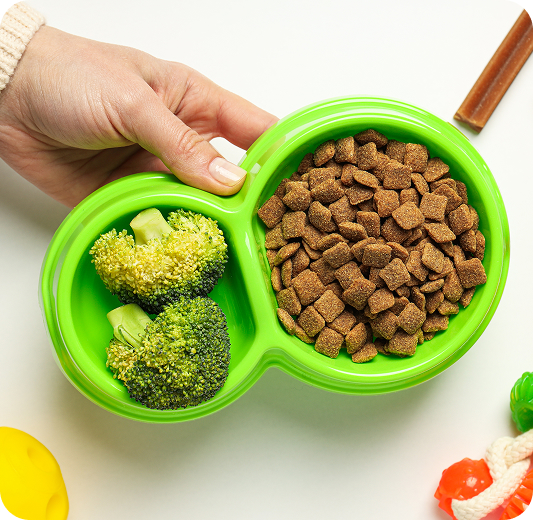
  • Preference in two-bowl palatability testing
  • Total intake
  • Repeat acceptance over time
A dog finishing a bowl once doesn’t guarantee long-term success. Sustained preference, feeding enthusiasm, and behavioural cues provide deeper insight. Cats, notoriously selective, require even tighter methodology. Small changes in fat coating, digestion, aroma release, or kibble density can shift acceptance dramatically. Palatability testing must be controlled, repeatable, and statistically analysed – otherwise brands risk misinterpreting normal feeding behaviour as genuine preference. Why Pet Owner Perception Often Drives the Sale While the pet consumes the product, the owner purchases it. Research consistently shows that owner perception influences purchasing decisions more strongly than measurable palatability differences – unless those differences are extreme. Owners evaluate:
  • Ingredient recognisability
  • Packaging cues
  • Appearance and colour
  • Smell of the food
  • Perceived “freshness”
  • Texture of wet food
If a dry kibble smells unpleasant to a human – even if the dog loves it – repurchase is unlikely. Sensory testing therefore must incorporate both:
  1. Animal palatability studies
  2. Human sensory and perceptual research
Ignoring either side creates blind spots in commercial performance. The Humanisation of Pet Food The “humanisation” trend continues to reshape pet categories. Owners increasingly expect pet food to resemble human food standards – be it visually, aromatically, or, emotionally. Sensory research shows that:
  • Visible inclusions (vegetable pieces, identifiable proteins) increase perceived quality
  • Glossy gravies signal indulgence
  • Natural colour variation can enhance trust
  • An overly uniform appearance may reduce authenticity perception
Interestingly, what signals “premium” to humans does not always align with what drives pet preference. This is where structured testing prevents costly missteps. Premium cues must appeal to the owner without compromising palatability for the animal. Testing Treats vs Complete Diets: Methodology Matters Not all pet food testing should be treated equally.  Treats are:
  • Consumed occasionally
  • Evaluated for excitement response
  • Often indulgent
Complete diets are:
  • Consumed daily
  • Evaluated for long-term acceptance
  • Sensitive to monotony effects
  • More vulnerable to subtle formulation changes
Treat testing may prioritise immediate attraction and enthusiasm. Complete diet testing requires longer study periods and intake monitoring to ensure sustained feeding performance. Using the wrong methodology for the wrong product type can produce misleading conclusions – particularly when predicting repeat purchase behaviour.  Supporting Premiumisation Through Sensory Evidence Premiumisation in pet food is accelerating, with brands commanding higher price points through quality cues, specialist claims, and differentiated formats. Sensory testing supports premium positioning by:
  • Benchmarking against leading premium competitors
  • Validating improved aroma or texture claims
  • Identifying sensory attributes that justify higher price tiers
  • Preventing cost-driven reformulations from eroding perceived quality
Small ingredient substitutions to reduce cost can significantly alter aroma volatility or mouthfeel. Without sensory validation, brands may unknowingly dilute their premium proposition. Why Texture Matters as Much as Taste Texture is often underestimated in pet food acceptance. For example, for dogs:
  • Kibble hardness affects crunch satisfaction
  • Moisture levels influence chew time
  • Structural integrity impacts feeding experience
And these are just a few examples. From the owner’s perspective, texture also signals quality. Chunk definition, gravy viscosity, and pâté smoothness all contribute to perceived value. Sensory analysis measures these attributes objectively – ensuring texture supports both acceptance and premium positioning. At Wirral Sensory Services, pet-care sensory methodology goes beyond basic feeding trials. It delivers commercial clarity – reducing risk, accelerating confident launches, and protecting brand equity in an increasingly competitive category. Because in pet care, success isn’t just about what’s inside the bowl. It’s about how it’s experienced – by both ends of the lead. For more information, get in touch with a member of our dedicated team here.