Whether you’re launching your first product or refining an established range, consumer testing represents one of the most valuable investments you can make in your product’s future success.
However, while many brands understand that consumer feedback is crucial, questions often pop up about how to implement consumer research effectively. With over 25 years of experience helping brands navigate these decisions, we regularly field questions about best practices, methodologies, and implementation strategies.
So, let’s explore the most common questions about consumer testing to help you understand how this powerful research tool can strengthen your product development process and increase your chances of market success.
What Exactly Is Consumer Testing?
Consumer testing involves systematically gathering feedback from your target market about products, concepts, or experiences before making significant business decisions. Unlike internal assessments or expert evaluations, consumer testing captures real-world perspectives from the people who will ultimately decide whether to purchase your product.
This research approach can evaluate virtually any aspect of your offering that influences consumer perception. From initial product concepts through to final formulations and packaging designs, consumer testing provides data-driven insights that remove guesswork from your decision-making process.
The key difference between consumer testing and other research methods lies in its focus on your actual target market. Rather than relying on assumptions or expert opinions, you’re gathering direct feedback from consumers who represent your intended customer base, ensuring your insights are genuinely relevant to commercial success.
Why Is Consumer Testing So Important for Product Success?
Consumer testing significantly reduces the risk of product failure by identifying issues and opportunities before you’ve committed substantial resources to production and marketing. Research consistently shows that products developed with comprehensive consumer input achieve higher success rates than those developed without this validation.
The methodology helps you understand not just whether consumers like your product, but specifically why they respond the way they do. This deeper insight enables targeted improvements that can transform good products into market leaders, whilst avoiding costly mistakes that might otherwise become apparent only after launch.
Consumer testing can also provide competitive intelligence by revealing how your product performs against existing market options. This comparative consumer research helps identify opportunities for differentiation and guides positioning strategies that can give you genuine marketplace advantages.
Perhaps most importantly, consumer testing builds confidence in your business decisions. When you have solid data showing that your target market responds positively to your product, you can invest in production and marketing with greater certainty of success.

What Types of Consumer Testing Methods Are Available?
Several consumer testing methodologies can provide valuable insights, each suited to different research objectives and product characteristics.
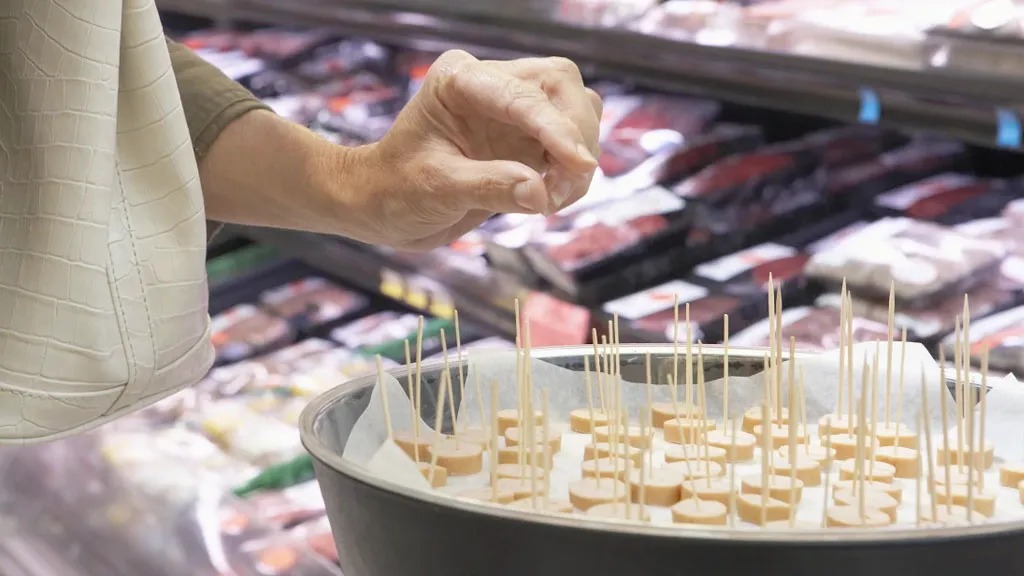
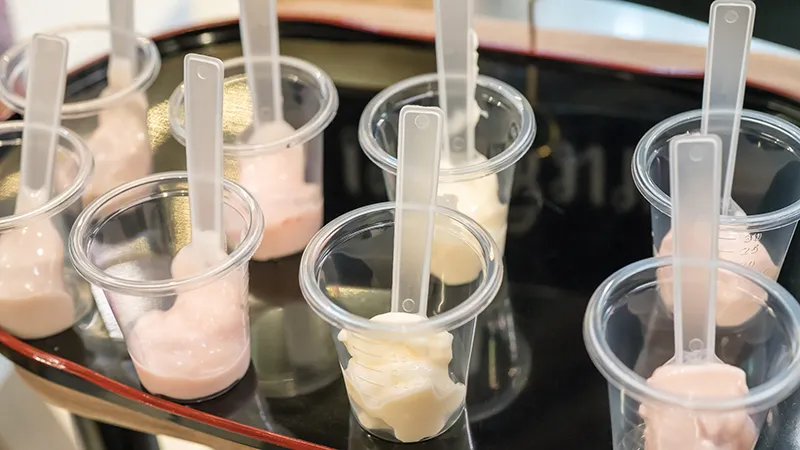
- Taste testing: represents the most familiar form of consumer research for food and beverage brands. This approach evaluates sensory characteristics like flavour, texture, and aroma, providing direct feedback on product formulations and helping optimise recipes for maximum consumer appeal.
- Home use testing: allows consumers to trial products in their natural environment over extended periods. This methodology proves particularly valuable for products that require time to demonstrate their benefits or integrate into daily routines, providing insights that laboratory testing simply cannot replicate.
- Central location testing: brings consumers to controlled environments where they can evaluate products under standardised conditions. This approach works well for comparative studies and situations where you need to control variables that might influence consumer perceptions.
- Focus group studies: enable deeper exploration of consumer attitudes, motivations, and preferences through moderated group discussions. While involving smaller sample sizes, this qualitative approach often reveals insights that quantitative methods might miss.
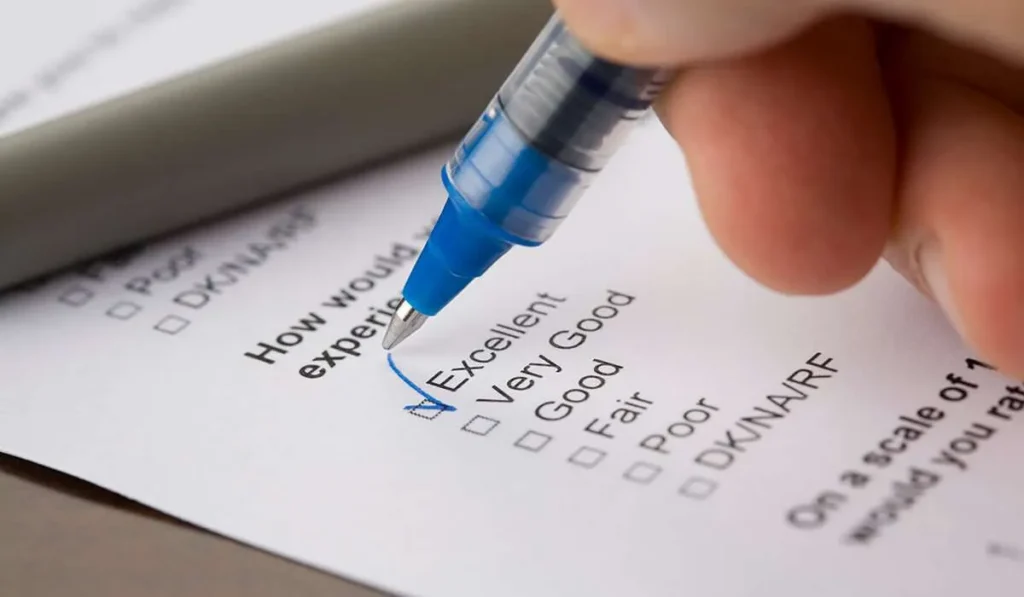
- Online consumer research: offers cost-effective ways to gather feedback from larger consumer panels, making it ideal for concept testing and broad market validation studies.
When Should You Conduct Consumer Testing Throughout Product Development?
The timing of your consumer testing can significantly impact its value to your development process. Early-stage testing during concept development helps validate ideas before substantial investment, whilst pre-launch testing provides final validation and optimisation opportunities.
Consumer testing during product development allows you to refine formulations, packaging, and positioning based on real consumer feedback. This iterative approach often leads to significantly stronger final products than development processes that rely solely on internal decision-making.
Post-launch consumer testing helps monitor product performance and identify opportunities for ongoing improvement. Markets and consumer preferences constantly evolve, making regular testing essential for maintaining competitive positioning over time.
For established products, consumer testing can also guide reformulation efforts when ingredients, costs, or regulations require changes. This ensures modifications don’t negatively impact consumer acceptance whilst potentially identifying opportunities for enhancement.
How Do You Choose the Right Consumer Testing Approach?
Selecting the most appropriate consumer testing methodology depends on your specific research objectives, product characteristics, and practical considerations like timeline and budget.
Product acceptance testing works well when you need to understand overall consumer response to new or modified products. This approach provides clear feedback on commercial viability and helps prioritise development resources.
Conversely, product benchmarking proves valuable when you want to understand how your product performs against competitive alternatives. This comparative approach often reveals specific areas where your product excels or needs improvement relative to market standards.
For products where sensory experience drives preference, combining consumer taste testing with sensory profiling can provide powerful insights. This approach helps identify not just what consumers prefer, but specifically why they prefer it, enabling precise product optimisation.
The key lies in aligning your methodology with your specific questions. Clear research objectives should guide every aspect of your testing approach, from participant recruitment through to analysis and interpretation.
Transform Your Product Development with Professional Consumer Testing
Understanding how consumers truly perceive and respond to your products removes uncertainty from development decisions and significantly increases your chances of market success.
At Wirral Sensory Services, we’ve spent nearly three decades helping brands understand their consumers through comprehensive research methodologies. Our consumer testing services combine rigorous scientific approaches with a practical commercial focus, delivering insights that translate directly into business success.
Whether you’re developing new products, refining existing offerings, or exploring market opportunities, our experienced team can design and execute consumer testing programmes that provide the clarity and confidence you need for informed decision-making.
Our comprehensive capabilities include taste testing, home use testing, central location tests, and specialist research approaches tailored to your specific industry and objectives. With access to one of the UK’s largest consumer databases and state-of-the-art testing facilities, we can deliver both small-scale targeted studies and large-scale market validation projects.
If you’re ready to strengthen your product development process with professional consumer testing, contact our team today at +44 (0)151 346 2999 or email info@portfolio-fullstack.site to discuss how our expertise can support your success.
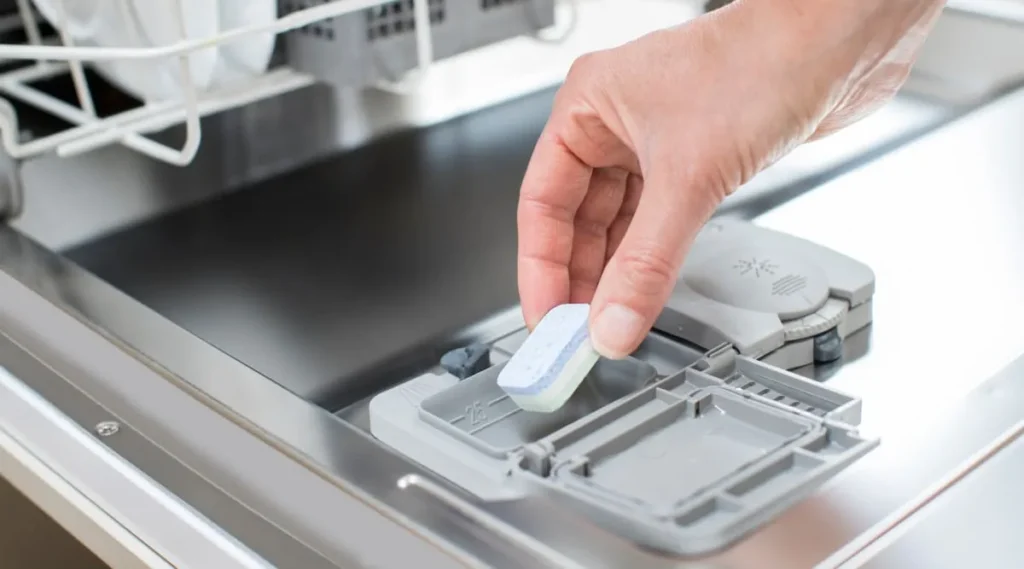 Home use testing has become an essential tool for brands seeking authentic consumer insights, but many companies struggle to maximise the value of their HUT testing programmes. Whilst the fundamentals of home use testing are well understood, questions often arise about how to optimise studies for better results, overcome common challenges, and ensure maximum return on investment.
With nearly three decades of experience managing home use testing projects for leading brands, we regularly help companies refine their approach to achieve more reliable data and actionable insights. Let’s explore the most important optimisation questions to help you get the most from your HUT testing investment.
Home use testing has become an essential tool for brands seeking authentic consumer insights, but many companies struggle to maximise the value of their HUT testing programmes. Whilst the fundamentals of home use testing are well understood, questions often arise about how to optimise studies for better results, overcome common challenges, and ensure maximum return on investment.
With nearly three decades of experience managing home use testing projects for leading brands, we regularly help companies refine their approach to achieve more reliable data and actionable insights. Let’s explore the most important optimisation questions to help you get the most from your HUT testing investment.
How Do You Keep Participants Engaged Throughout Your HUT Study?
One of the biggest headaches you’ll face with home use testing is keeping participants motivated throughout the entire study period. Unlike lab-based research where you can observe everything directly, HUT participants are on their own at home, making engagement absolutely crucial for reliable results.
Start with crystal-clear communication from day one. Your participants need to understand exactly what you’re asking them to do and why their feedback matters. Many of our most successful programmes include short video tutorials showing proper product usage – it’s amazing how much clearer things become when people can actually see what you want.
Think carefully about your reward structure too. Rather than just paying everyone the same amount for signing up, consider offering bonuses for hitting key milestones. This approach encourages people to stick with your study rather than dropping out halfway through when the novelty wears off.
Leveraging Technology for Better Engagement
Modern technology can be your best friend here. Mobile apps that send gentle reminders work brilliantly for keeping your study top-of-mind without being annoying. These tools can also make it easier for participants to upload photos or submit quick feedback, reducing the friction that often leads to dropout.
Regular check-ins make a real difference too. A quick weekly email asking how things are going shows you’re invested in their experience and gives you a chance to address any issues before they derail your home use study.

What Are the Most Effective Ways to Overcome Common HUT Challenges?
Every home use testing programme faces predictable challenges, but the smart approach is anticipating these issues and building solutions into your study design from the start.
Inconsistent product usage often tops the list of common problems. You might think your instructions are clear, but participants often interpret things differently than you expect. Combat this by providing detailed protocols that include visual examples and simple tracking tools.
Tackling Data Quality Issues
Poor data quality usually stems from two sources: participant fatigue or confusing feedback requirements. Instead of overwhelming people with massive questionnaires, try collecting feedback progressively. Capture those crucial first impressions immediately, then gather deeper insights through shorter, focused surveys spread throughout the testing period.
Participant dropout can devastate your study if you’re not careful about who you recruit. During the screening process, look for genuine interest in your product category rather than just demographic matches. Someone who’s genuinely curious about trying your new skincare product will stick around much longer than someone who’s just after the incentive payment.
Sample bias becomes a real problem when your participants don’t actually represent your target market. This is where working with experienced research partners really pays off – they maintain carefully screened databases and can match participants precisely to your demographic requirements.
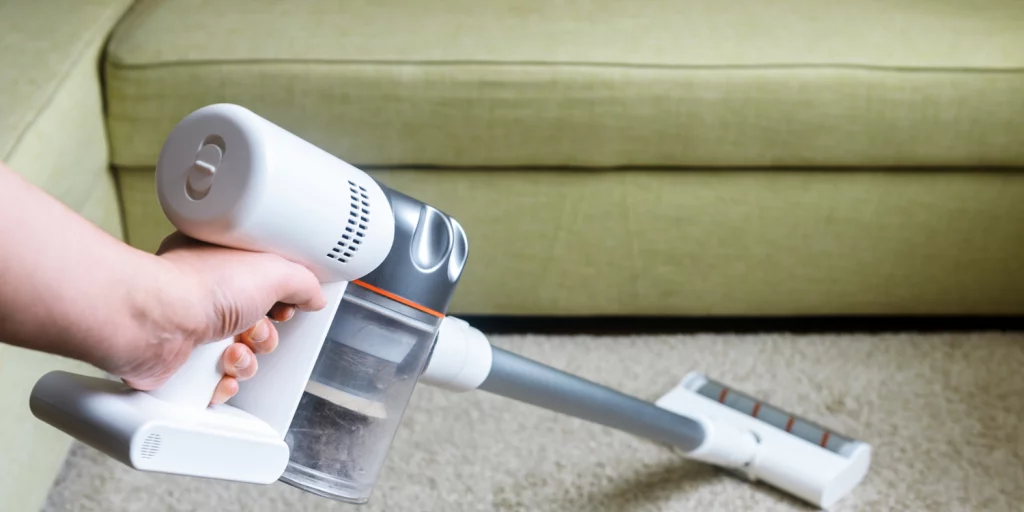
How Should You Tailor HUT Testing Design for Different Product Categories?
Your HUT testing approach often changes dramatically depending on what you’re testing. A food product requires completely different considerations than a household cleaner, and getting this wrong can undermine your entire study.
Food and Beverage Products
Food and drink items typically need shorter testing periods but multiple consumption occasions. You want to understand both immediate taste reactions and how well your product fits into people’s regular eating habits. Family dynamics matter enormously here – that healthy breakfast bar might get rave reviews from mum but complete rejection from the teenagers.
Consider seasonal factors too. Testing a warming soup in July won’t give you the same insights as testing it in January when people actually want hot comfort food.
Personal Care Products
Personal care items often require extended testing periods because benefits take time to appear. Structure your feedback collection around realistic timeframes. You can’t expect someone to see anti-ageing results after three days, for example. Include photography protocols for products promising visible improvements, and track specific skin or hair conditions throughout the testing period.
Household and Technology Products
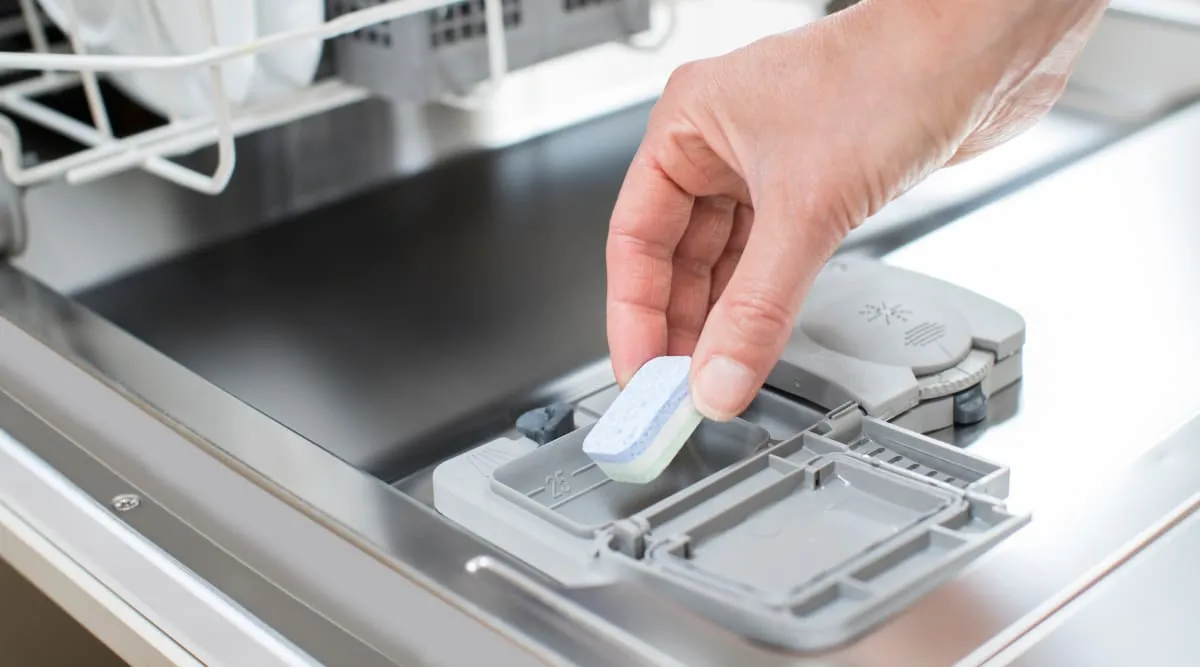
Household products benefit from task-specific evaluation. Create realistic scenarios that reflect actual cleaning challenges rather than perfect laboratory conditions. Meanwhile, technology products need careful attention to learning curves – people’s opinions often change dramatically as they discover features and work out how to integrate devices into their routines.

What’s the Best Way to Turn HUT Data into Actionable Insights?
Collecting HUT testing data is only half the battle. The real value comes from analysis that turns raw feedback into insights you can actually use for business decisions.
Don’t just average everything together. Different consumer segments often respond very differently to your product, and these variations frequently reveal the most valuable insights. A product that performs poorly overall might be absolutely loved by a specific demographic, pointing to a focused market opportunity.
Understanding How Opinions Change Over Time
Something that’s best practice is to track how perceptions evolve throughout your testing period. Initial enthusiasm sometimes fades as the novelty wears off, whilst other products grow on people as they discover benefits or work out optimal usage patterns. These trends can predict long-term market performance far better than first-impression scores.
Compare your results against existing products whenever possible. Absolute satisfaction scores don’t mean much without context. What matters is how your product performs relative to current market options and competitor offerings.
Pay special attention to qualitative insights, as this is the key benefit of HUT testing. Numerical ratings are useful, but the real gold often lies in open-ended comments. Look for consistent themes, unexpected usage patterns, and specific suggestions for improvement. These insights frequently drive the most impactful product modifications.
Optimise Your HUT Testing with Expert Guidance
Getting the most from home use testing requires balancing scientific rigour with practical implementation skills. The most successful brands treat HUT research as a strategic capability rather than a one-off project.
At Wirral Sensory Services, our comprehensive HUT testing expertise helps brands achieve consistently reliable results through optimised study designs, careful participant management, and thorough data analysis. Our experience across food, beverage, personal care, and household product categories means we can tailor approaches that maximise value for your specific needs.
Whether you’re looking to refine existing programmes or implement more sophisticated testing strategies, our team can help you achieve better engagement, overcome common challenges, and extract maximum value from your research investment.
Contact our team today at +44 (0)151 346 2999 or email info@portfolio-fullstack.site to discuss how our optimised HUT testing approaches can strengthen your product development process and deliver more reliable consumer insights.

 Whether you’re developing your first product or you’ve been in the industry for years, understanding how sensory profiling works can genuinely transform your approach to product development.
Many of our clients come to us with questions about this methodology, and we love sharing what we’ve learned over nearly three decades in this field.
So, let’s explore the most common questions about sensory profiling and help you understand how it might benefit your own product development journey.
Whether you’re developing your first product or you’ve been in the industry for years, understanding how sensory profiling works can genuinely transform your approach to product development.
Many of our clients come to us with questions about this methodology, and we love sharing what we’ve learned over nearly three decades in this field.
So, let’s explore the most common questions about sensory profiling and help you understand how it might benefit your own product development journey.
What Exactly Is Sensory Profiling?
Think of sensory profiling as creating a detailed fingerprint of your product, but instead of using ink and paper, you’re using the expertise of specially trained professionals who can detect and measure sensory characteristics that most of us would struggle to articulate.
Unlike asking someone whether they like your chocolate cake (which might give you a simple yes or no), sensory profiling involves trained assessors who can tell you that your cake has a cocoa intensity of 6.5 out of 10, a sweetness level of 7.2, and a moist, dense texture with specific characteristics they can describe consistently every time.
This approach takes the “liking” element out of the equation entirely. Your trained panellists aren’t there to judge whether your product tastes good or bad – they’re there to create an objective map of exactly what sensory experience your product delivers. It’s rather like having a team of highly sensitive scientific instruments that happen to be human beings with exceptional sensory abilities.
Which Types of Products Typically Undergo Sensory Profiling?
You might be surprised by the breadth of products that can benefit from this type of analysis. While food and beverages represent the most obvious candidates, sensory profiling can help with virtually any product where sensory experience matters to your customers.
In the food world, everything from your morning coffee to that evening chocolate bar you enjoy has likely undergone some form of sensory profiling during development. Beverage companies regularly use these techniques to ensure their products deliver consistent experiences, whether you’re drinking a craft beer in Manchester or a soft drink in Birmingham.
Personal care products represent another fascinating area where sensory profiling proves invaluable. The way your shampoo feels in your hands, how your moisturiser absorbs into your skin, or even how your toothpaste tastes can all be measured and optimised through professional sensory analysis.
Household products also benefit tremendously from this approach. If you’ve ever noticed how some cleaning products seem to feel more effective than others, or how certain air fresheners create more pleasant experiences, there’s often sensory profiling work behind those differences.

How Does Sensory Profiling Differ from Taste Testing?
This question comes up frequently, and it’s completely understandable because both approaches seem to involve people testing products. The key difference lies in who’s doing the testing and what information you’re gathering.
Taste testing typically involves people from your target market telling you whether they like your product, would buy it, or prefer it over competitors. This feedback can be incredibly valuable for understanding market potential, but it’s inherently subjective and influenced by personal preferences, cultural backgrounds, and even what participants had for lunch.
Sensory profiling takes a completely different approach. Your trained panellists undergo extensive preparation to become objective measuring instruments rather than opinion-givers. They learn to separate their personal preferences from their professional assessments, focusing purely on identifying and quantifying what they’re experiencing.
When you combine both methodologies, something quite powerful happens. You can understand not just whether consumers like your product, but specifically why they like it. This combination can help you create what we often call “gold standard” products that perform exceptionally well in the marketplace.
Who Actually Conducts Professional Sensory Profiling?
Behind every reliable sensory profiling study, you’ll find carefully selected individuals who’ve undergone significant training to develop their natural abilities into professional skills. These panellists start with above-average sensory acuity – they might naturally be better at detecting subtle differences in taste, smell, or texture than most people.
However, natural ability alone isn’t sufficient. These individuals participate in extensive training programmes where they learn standardised vocabularies for describing sensory experiences. They practice identifying specific characteristics until they can consistently recognise and rate them using precise scales.
At WSS, our panellists have worked with countless food and beverage products over the years, developing an impressive ability to detect even subtle changes in formulations. They’ve become highly calibrated instruments who can provide objective measurements that help guide your product development decisions.
The training never really stops, either. Regular calibration exercises ensure that our panellists maintain their skills and continue working together as a cohesive team that delivers consistent, reliable results.

What Types of Products Really Benefit from Sensory Profiling?
While we’ve touched on various product categories, you might be wondering whether your specific product type would benefit from this approach. The simple answer tends to be that if sensory experience influences how your customers perceive or use your product, sensory profiling can probably help you.
Food products represent our bread and butter (if you’ll forgive the expression), from simple items like biscuits to complex ready meals with multiple components. Each product category presents unique challenges and opportunities for optimisation through sensory analysis.
Beverages offer particularly interesting profiling opportunities because you’re often dealing with products that change over time. Your coffee might taste different when hot versus lukewarm, and your beer might develop different characteristics as it warms up. Sensory profiling can help you understand these changes and optimise for the entire consumption experience.
New product development represents one of the most valuable applications of sensory profiling. Rather than guessing whether your product concept will resonate with consumers, you can use objective sensory data to guide your formulation decisions and ensure you’re creating something genuinely distinctive in the marketplace.
How Accurate and Reliable Is Sensory Profiling?
You’re absolutely right to question the reliability of any research methodology, especially one that depends on human perception. After all, don’t our senses vary from person to person and even from day to day?
The key to reliable sensory profiling lies in the training and calibration processes that transform individual perceptions into consistent, objective measurements. When properly trained panellists work together using standardised procedures, they can achieve remarkable consistency in their assessments.
We regularly conduct validation and calibration studies to ensure our panels maintain their accuracy over time. These might involve testing the same products multiple times to verify consistency, or comparing our results with instrumental measurements where possible.
Your results become even more reliable when we use statistical analysis to identify patterns and highlight significant differences. We’re not relying on single opinions or one-off measurements – we’re building comprehensive pictures based on multiple assessments from trained professionals.
Unlock the Power of Professional Sensory Profiling Today with Wirral Sensory Services
Understanding how your products really perform from a sensory perspective can transform your approach to development and help you create offerings that truly stand out in competitive markets. Professional sensory profiling removes guesswork from product development, replacing assumptions with objective data that can guide your decisions.
At Wirral Sensory Services, we’ve spent nearly three decades helping brands understand their products through the lens of sensory science. Our trained panels and comprehensive analytical capabilities can provide the insights you need to optimise your products and achieve your market goals.
Whether you’re developing your first product or looking to refine an existing range, our sensory profiling services can help you understand exactly what makes your products special and how they can be improved.So contact our friendly team today at +44 (0)151 346 2999 or email info@portfolio-fullstack.site to discuss how our expertise can support your product development goals.