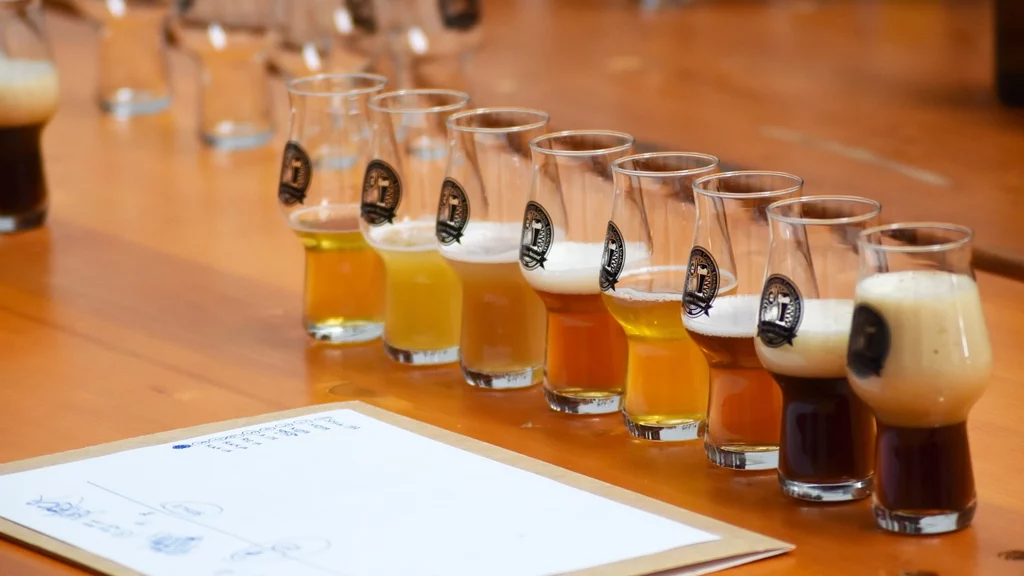
In today’s consumer-driven landscape, the pursuit of personalised experiences has significantly transformed the way we approach food and beverages. Consumers are no longer satisfied with a one-size-fits-all approach; they seek unique, customised experiences catering to their tastes, dietary requirements, and lifestyle choices.
Central to this evolution is
sensory evaluation, a sophisticated scientific tool that allows food and beverage companies to delve deeper into consumer preferences and craft offerings that truly resonate on an individual level.
By leveraging sensory evaluation, brands are taking strides in providing personalised food experiences, one palate at a time.
With that in mind, let’s explore the intricacies of sensory evaluation, its crucial role in the food and beverage industry, and how it is utilised to create personalised and memorable consumer experiences.
A Quick Word on the Personalisation Trend Within the Food and Drink Industry
Personalisation has become a significant trend across various industries, including food and beverages. People are seeking products and experiences tailored to their unique preferences and needs.
Responding to this trend, food and beverage companies are increasingly harnessing the power of sensory evaluation. This scientific method allows brands to
understand the individual preferences and sensory profiles of consumers.
By conducting sensory tests and gathering data on taste, texture, aroma, and visual appeal, companies can uncover insights into what resonates with different individuals. This information enables them to create customised food and beverage offerings that align with specific consumer preferences.
How Brands Are Leveraging Sensory Evaluation to Better Meet the Personalised Requirements of Their Target Consumers
To better illustrate how leading brands and manufacturers are using sensory evaluation to customise their offerings, here are three examples:
Coffee Customisation
Coffee companies like Starbucks and Costa Coffee offer extensive options for customising beverages.
They conduct sensory evaluations to understand individual preferences for factors such as coffee strength, milk type, and flavour additions. This data is then used to provide personalised coffee experiences, allowing customers to create their perfect cup.
Menu Personalisation
Some restaurants and food delivery services utilise sensory evaluation to personalise menus.
By conducting taste tests and gathering feedback from customers, they can determine preferred flavour profiles and ingredient combinations. This information is used to curate personalised menu recommendations for individual customers, ensuring a tailored dining experience.
This trend is particularly prevalent in the fast food and takeaway sector, where customers are increasingly looking for convenient, personalised and on-demand food.
Personalised Nutrition
Sensory evaluation is used to develop customised food products that cater to specific dietary needs and preferences.
For instance, companies like Huel and Rootana use sensory evaluation to create personalised meal replacement shakes or snack bars. By considering taste, texture, and nutritional requirements, they can offer products that align with an individual’s unique dietary goals.
Ice Cream Flavour Creation
Ice cream brands often conduct sensory evaluations to create customised ice cream flavours. Ben & Jerry’s, a global leader in the ice cream industry, is a stellar example of this approach.
For example, their limited-edition flavour, “Netflix & Chill’d,”
was the result of numerous taste tests and sensory evaluations, ultimately leading to a flavour profile that resonated deeply with ice cream enthusiasts and Netflix binge-watchers alike.
This instance showcases how sensory evaluation can facilitate the creation of highly personalised ice cream experiences.
Leverage the Power of Sensory Evaluation to Create More Personalised Experiences
In conclusion, sensory evaluation plays a vital role in catering to the rising demand for personalised food experiences.
Companies can better understand individual sensory preferences by creating customised flavour profiles, texture profiles, and overall sensory experiences that resonate more closely with their customers.
Furthermore, by leveraging the power of sensory evaluation, brands can provide unique and tailored food and beverage offerings, enhancing customer satisfaction and loyalty in an increasingly personalised market.
At Wirral Sensory Services, we utilise our
expertise in sensory evaluation to guide businesses like yours in creating products that truly resonate with your customers. We believe in the power of personalisation and are ready to help you unlock it to improve market share, drive sales, and grow your business.
So why wait?
Get in touch with us today, and let’s begin the journey towards creating unique, memorable, and tailored experiences for your customers.