Should You Ever Rename Your Product?

  1. Home
opal fruits

Renaming a product is something that food and beverage manufacturers consider from time to time. Sometimes it’s the right thing to do. By contrast, there are other circumstances whereby renaming a product is likely to have negative consequences and potential knock-on effects for your wider brand.

So, when should you consider renaming your product, and what are the risks associated with doing so?

Why Rename Your Product(s)?

There are several circumstances in which it might be a good idea to rename your product. For example, it could be that the launch didn’t go to plan, and your revamped product bears little resemblance to the original. It could be that you conducted some consumer research that indicated the name itself is a stumbling block to consumer acceptance.

Other scenarios that may call for a product rename include a business sale or merger (the new owners might want to give the product a fresh start) or a product repositioning (targeting a different demographic segment).

What Are the Risks Involved in Renaming Your Product?

While renaming your product could give you a boost in sales and a successful relaunch, they are not without considerable risk. The obvious problem with renaming your product is that you could quite easily alienate your existing loyal customers.

Another issue to contend with is that renaming a product can be incredibly costly –and it’s not just the time and effort involved in doing so. You also need to make sure that your new name is legally protected, including trademarks if necessary. Packaging has to be redesigned, website and social media platforms need to be updated, and so on.

If your renaming goes awry (which even the biggest companies get wrong), you could face ruin as a business.

When Renaming Products Goes Wrong

As mentioned, even the biggest and best food brands get it wrong. Perhaps the most famous example in the UK was when Kellogg’s renamed Coco Pops to Choco Krispies to bring it in line with other countries. However, after a national outcry and declining sales, Kellogg’s changed it back less than a year later.

What’s even more astounding is that a consumer survey of one million customers found that 92% preferred the old name, begging the question, why hadn’t Kellogg’s invested in more customer research before the name change?

How to Avoid Renaming Mistakes

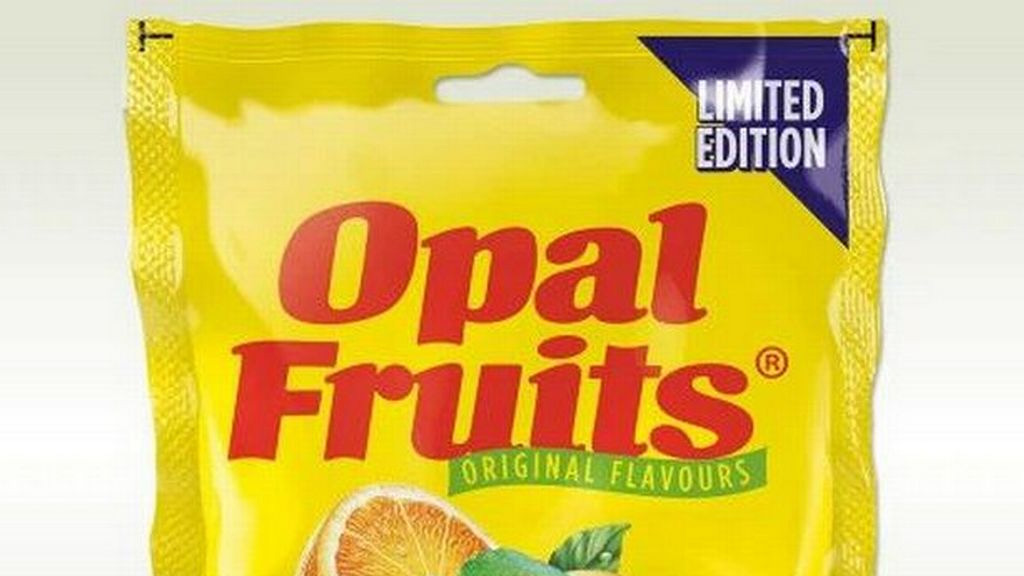
There are plenty of examples of companies getting renamed products right. For instance, Opal Fruit to Starbust and Marathon to Snickers are just a few examples of the many renaming/rebranding success stories in the food industry.

The key to their success is consumer testing and research. By accurately gauging the opinion of loyal customers and new target demographics, you can carry out a successful renaming exercise that increases sales, boosts market share, and breeds more customer loyalty.

Speak to Wirral Sensory Services Today for Your Consumer Research Requirements

At Wirral Sensory Services, we help leading domestic and international food and beverage brands with their consumer research projects.

From focus group studies to understanding feelings towards a new product name to taste testing new formulas with members of the public and scientifically-trained personnel, we have a holistic range of services to help you develop gold-standard products.

If you are considering renaming or rebranding one of your existing product lines, don’t hesitate to get in contact with us for a free consultation. We’ll be more than happy to help you navigate these potentially choppy waters and increase your chances of success.

We are available by phone on +44 (0)151 346 2999 or via email at info@wssintl.com.

Your Quick Guide to Successful Product Claims

  1. Home
product claim support

Making your product stand out on the shelf is more challenging than ever. With as much as 85% of household shopping derived from repeat purchases, it’s become harder than ever to convince consumers to switch to your food or drink product from their current preferences.

Step in product claims. With scientifically-backed product claims, you can make your product marketing and packaging more appealing and persuasive than current market leaders.

For instance, if you can scientifically claim your product performs or tastes the best, the chances are customers might give it a try.

But how do you produce product claims that matter to consumers?

This quick guide will walk you through the basics of making successful product claims that will make your product shine above the rest.

Identify the Areas or Attributes That Matter

The first step is to identify attributes and aspects of your product category that matter to consumers. For instance, it could be that in the meat pie category, taste and texture are the most important elements influencing purchasing decisions.

In other categories, it could be the packaging or the performance. For instance, deodorant products often need to make performance claims to stand any chance of beating out competitors.

By surveying your target audience with questionnaires and focus groups, you can begin to understand the key areas of concern for your customers.

Test Those Key Aspects On Their Own and Against Competitors

Once you’ve identified the areas in which you need to excel to stand any chance of securing a meaningful market share, you need to begin putting your product through its paces (usually with the help of a specialist research company) to start benchmarking its performance on those key metrics.

It’s crucial to ensure that these tests occur in an objective, scientific setting. Flawed research methods are likely to see your product claims rejected by the Advertising Standards Authority (ASA) and categorised as unsubstantiated.

Translate the Results Into Effective Product Marketing and Packaging

Once your consumer research company has conducted the research and distilled the results, it’s time to put those positive product claims into action. They should feature heavily in outbound marketing channels, and it might even be a good idea to focus attention on those substantiated claims on the product packaging itself. A dedicated packaging research project may help here.

If consumers are unaware of your superior taste or performance (for example), they are unlikely to switch to your product. By shouting about your claims from the rooftops, you can put your product in the best possible light and increase sales.

Speak to WSS Today for Expertise in Product Claim Support Services

At Wirral Sensory Services, we help companies with their product claims through our internationally-renowned product claim support services. From objective performance testing to comparative taste testing with members of the public, we have solutions to meet your product claim requirements.

With a track record dating back three decades and clients including some of the world’s most iconic brands, please speak to us today to learn more about how we can make your product claims stand out above the rest.

You can speak to our team by phone on +44 (0)151 346 2999 or via email at info@wssintl.com. Or why not fill in our online contact form detailing your product claim support requirements?

The Four Steps Required for Developing a Winning Product Concept

  1. Home
product concept testing

When developing new products, there’s a massive difference between thinking you have a winning product concept and knowing you do. With extensive product concept testing, you could be pouring significant resources into a project that is doomed from the start.

Before releasing a new product or revamping an old one, proper validation of your product concept will indicate the impact your new idea will have on your target market and ensure you can strike the balance between customer needs and company performance.

With that in mind, here are the four steps that will help you develop a winning product concept.

#1: Firm Up Your Product Concept

The first step involves narrowing down your ideas and firming up your summary of the product concept. You need to list and validate how your product concept brings value to the customer, how and where they will consume it, what the name of the product will be, who the target demographics are, its unique selling points, and how it fits into the overall brand vision.

This internal validation procedure is vital, as it could prevent you from pouring huge costs into developing a product that won’t sell once it hits the shelves. Startup food and beverage brands are usually the most guilty of rushing through this stage and heading straight to market for a product nobody really wants. As many as 35% of all startups fail because there wasn’t actually a market need for their product.

#2: Test Your Product Concept on the General Public and Assess Feedback

While you might have enlisted different departments or even outside consultants to discuss and distil the feasibility or market need for a product concept, you still need to put it to the test with the people that matter – your target consumers.

Without product concept testing with members of the public, you’re never going to truly understand how they feel about your suggested ideas. They could confirm concerns you and your team had, eradicating the colossal expense of going to launch with a product no one wants. Alternatively, you could have a winning product on your hands that meets all of the customer’s needs.

It would be best if you used focus group studies, surveys, and a range of other qualitative and quantitative research methods to build up an accurate picture of what your potential customers think of your new product concept before proceeding any further.

#3: Assess How the Product Concept Sits within Your Company

Committing to a new product concept launch is a huge undertaking for any size of household goods company. Getting it wrong could potentially leave your business on the edge of financial ruin.

Even if customers love what you have in mind, are you the right company to bring it to them? How will the product concept affect your existing product lineup? Will it cannibalise sales or prove a worthy addition that extends market reach? Would the resources needed to bring it to market leave you in a risky financial position? Will it help reach (and is it aligned to) your business goals?

These are all critical questions that need to be considered in great detail before committing to any large-scale development plan(s).

#4: Assess the Competition and Prepare for Launch

If your customers love it, you love it, and the business metrics are looking favourable, the last stage involves assessing the current market conditions. While new food concepts are arriving all the time, very little could be considered truly innovative, so the chances are you will have some competition to analyse.

This is where you assess if your product concept is good enough to draw customers away from what’s already out there. This phase is another one that should involve your target market. This time you might invest in user testing such as in-home use testing (if a household product concept) or consumer taste testing (for food and beverage products).

You might even, in partnership with your chosen consumer research firm, try small-scale, soft launches to gather early intelligence on your product concept’s level of consumer acceptance.

When you have a product concept that excels here (in addition to the steps above), then the chances are you are on to a winner, and it’s time to plough your budget into manufacturing and promotion activities.

Speak to Wirral Sensory Services Regarding Product Concept Testing

Developing a winning product concept is no easy feat, but with careful planning and execution, it can be done. By following the four steps outlined above, you’ll be well on your way to releasing a product concept that meets – and potentially exceeds – customer needs.

Our team at WSS comprises industry leaders in product concept testing, and we have numerous consumer research methods available for capturing vital feedback regarding your proposed ideas.
Whether you merely want to rule out some ideas or you need to conduct a small-scale soft launch with members of the public, Wirral Sensory Services are here to assist you through every step of the product concept validation process.

Get in touch with a member of our friendly team today to learn more about our product concept testing services.