Where Product Concept Testing Fits in Your Development Timeline

food concept testing Most of the conversations we have about product concept testing start in roughly the same place, with a brand that already has a promising idea and wants to know whether it’s worth committing real money to.  That instinct is the right one, but the question of when to test, and what you can sensibly expect an answer to at that stage, gets far less attention than it deserves.  Run the research too early and you’re asking consumers to react to something too vague to judge, run it too late and you’ve already spent the budget that the test was supposed to protect.  Getting the timing right is what turns concept testing from a box-ticking exercise into something that genuinely shapes where your development goes next.

What Product Concept Testing Actually Measures

It helps to be precise about what this kind of research is really looking at, because product concept testing is often spoken about as though it measures the finished product, when in fact it measures the idea of the product.  At the concept stage you’re putting a proposition in front of your target audience, a description, a positioning, a rough visual or a mock-up, and gauging whether the underlying idea lands before a single batch has been produced. You’re trying to learn whether people understand what you’re offering, whether it appeals to them, whether it feels relevant to their lives, and whether they’d consider buying it if it existed on a shelf in front of them. What it deliberately doesn’t measure is the sensory reality of the thing, and that distinction matters enormously. A concept can test brilliantly and still fail later if the actual taste, texture or performance doesn’t live up to the promise, which is exactly why concept work sits at the front of a longer research process rather than standing in for the whole of it.  Knowing that boundary up front stops you from over-reading the results and treating an enthusiastic concept score as a guarantee the finished article will fly, which is one of the quieter ways that concept research can end up steering development in the wrong direction when its findings are misread. product concept testing
The Right Moment to Run Product Concept Testing

The most useful window for this research opens once your idea is defined clearly enough to describe, yet before you’ve sunk serious money into formulation, tooling, packaging artwork or production runs.  That’s the point at which the findings can still change your direction cheaply, and it goes a long way to explaining why this research carries so much weight at the early stage, since it’s one of the surest ways that brands protect their development budgets from being poured into ideas that were never going to connect in the first place. There are a few signs that you’ve reached that moment, and it’s worth recognising them rather than drifting past:
  • You can articulate the concept in a sentence or two that a typical consumer would understand without you in the room to explain it.
  • You have at least a rough sense of the positioning, the audience, and the price bracket you’re aiming at.
  • You’re weighing up two or more directions and need evidence to choose between them rather than a gut feeling.
  • You’re about to commit budget that would genuinely hurt to waste if the concept turned out to be flawed.
If you can tick most of those, you’re in good shape to test. If you can’t yet describe the idea cleanly, the honest answer is usually that the concept needs a little more shaping before research will tell you anything reliable, and it’s one of the questions we field most often from brands who are keen to get going before their idea has fully settled.

Testing Several Concepts Against One Another

One of the more valuable ways to use this research is comparatively, because a single concept tested in isolation tells you whether people like it, whereas several concepts tested side by side tell you which one to back.  When you’re sitting on a handful of plausible directions, putting them in front of the same representative audience and measuring them against consistent criteria takes a great deal of the guesswork out of a decision that would otherwise come down to whoever argues hardest in the room. This comparative approach also surfaces the reasons behind a preference, not just the preference itself, and those reasons are often where the real value lies.  Understanding why one concept pulls ahead, whether it’s clearer, more relevant, better priced in the consumer’s eyes or simply more appealing, gives you something you can act on as you develop the winning idea further, rather than a bare ranking with no explanation attached.

How to Brief Product Concept Testing So the Results Are Usable

A concept test is only ever as good as the concept you put into it, and a vague or overloaded brief is one of the more common mistakes that leave the findings coming back muddy. If the description you show consumers is cluttered with three different ideas at once, you won’t know which element drove their reaction, so it pays to keep each concept clean and distinct.  Equally, the way you frame a concept can quietly bias the response, and an overly salesy description tends to produce polite enthusiasm that evaporates the moment real money is involved. The audience matters just as much as the concept itself. Showing a clever idea to the wrong people produces a confident answer to the wrong question, which is worse than no answer at all, so defining who you’re actually targeting and recruiting a genuinely representative sample is non-negotiable.  We spend a good deal of time at the briefing stage making sure the concept is presented neutrally and the sample reflects the real market, because that groundwork is what separates research you can build on from research you’ll quietly ignore. product concept testing
What Comes After the Product Concept Stage

A strong concept result isn’t the finish line, it’s permission to move forward with confidence into the parts of development where the product becomes real.  Once an idea has proven it resonates, the focus shifts to whether the actual product can deliver on the promise the concept made, and that’s where taste testing, sensory profiling, home use testing, and the rest of the toolkit come into play.  Treating concept testing as the opening move in that sequence, rather than a standalone verdict, is what gives the whole development process its momentum and keeps each stage building on solid evidence rather than hope.

Talk to Us About Product Concept Testing

If you’ve got an idea you believe in and want to know whether your target market sees it the same way before you commit to full development, we’d be glad to help you plan the right research around it.  We work with startups and global brands alike, across food, drink, household, personal care and pet products, and we’ll help you test your concept at the point where the findings can still shape the outcome. We would love to hear about any upcoming projects, big or small, either for an informal chat or a full briefing. We’re available on +44 (0)151 346 2999 or email info@wssintl.com.

Home Use Testing Across the Seasons: Why Timing Your Test Matters

home use product testing Ask most brands when they should run a home use test and the honest answer they give is usually “as soon as the product’s ready.” That makes perfect sense from a development point of view, because nobody wants to sit on a finished formulation waiting for the calendar to catch up.  What often gets overlooked, though, is that the time of year you put a product into people’s homes can quietly shape the feedback you get back, sometimes in ways that flatter a product and sometimes in ways that punish it unfairly. The whole point of home use testing is that it captures how a product performs in the real world rather than under the artificial conditions of a lab or a central venue. That’s its great strength.  The flip side is that the real world has weather, and habits, and a rhythm to the year, and all of those things come along for the ride when a consumer tests your product over a fortnight in their own kitchen, bathroom or living room.  Understanding how the seasons feed into that picture helps you read your results properly and, just as importantly, plan your testing so the conditions work for you rather than against you.

The Way People Live Changes With the Calendar

Consumer behaviour isn’t static across the year, and the differences are bigger than most people assume. In the depths of winter, households are warmer, wetter and busier indoors, comfort food does well, hot drinks get made constantly, and anything to do with heating, lighting or staying cosy gets used far more heavily than it would in July.  Come summer, the same household is firing up the barbecue, reaching for cold drinks and ice cream, spending more time outdoors, and quietly shelving half the products that felt essential a few months earlier. None of this is news to anyone who’s ever lived through a British year, but it has real consequences for product testing. When a household’s whole rhythm shifts with the weather, the enthusiasm they bring to any given product shifts with it, and a result can end up flattering or punishing a product for reasons that have nothing to do with the quality of what you’ve made. Home Use Testing at Wirral Sensory Services

How Seasonal Habits Quietly Influence the Scores

It isn’t only appetite that moves with the seasons. The way people actually use a product changes too, and home use testing is precisely the method that exposes those usage patterns rather than the tidy version consumers might report in a questionnaire.  When you understand which seasonal forces are in play during your test window, you’re in a far stronger position to separate the signal from the noise, and to know whether a lukewarm result reflects a genuine weakness in the product or simply the wrong product in the wrong month. A few categories show this especially clearly.

Home Use Testing for Food and Drink Products

Appetite is the most obvious seasonal lever of all. A rich, warming soup placed into homes during a July heatwave is being judged in exactly the conditions where people least want to eat it, and a refreshing iced drink tested in January faces the same problem in reverse.  The product hasn’t changed, but the appetite for it has, and that shift can drag scores in a direction that has nothing to do with the quality of what you’ve made.

Testing Personal Care Products in Real Conditions

The conditions a product meets on the skin shift dramatically through the year, and that feeds straight into how people rate it. A moisturiser tested in winter gets applied to dry, central-heating-parched skin and may well be rated as a godsend, whereas the same moisturiser handed out in humid August might feel heavy and unnecessary to the same person. This is part of what makes the method so valuable for understanding genuine consumer behaviour rather than stated intentions. in-home usage test

Household and Cleaning Product Testing

Cleaning products see muddy boots and wet dogs in the colder months and grass stains and sun cream in the warmer ones.  Even something as simple as a scented candle or an air freshener lands differently depending on whether windows are flung open all day or sealed shut against the cold, so the same fragrance can read as pleasant and present in winter yet faint and forgettable in summer.

Matching Home Use Testing to the Product’s Real Moment

The sensible response to all of this isn’t to panic about the weather, it’s to build seasonality into the plan from the start. Wherever it’s practical, a product is best tested in the season it’s actually built for, because that’s the moment of truth that matters commercially. If your product will live or die during the Christmas trade, testing it in the autumn run-up gives you feedback grounded in the mindset consumers will genuinely be in when they buy it, and the same logic applies to a summer launch tested in late spring. This is one of the areas where planning your research around the product’s real moment makes a tangible difference to how confidently you can act on the findings, which is why timing tends to come up early whenever we’re talking through launch decisions with a brand.  Getting a product into homes at the right point in the year means the data you collect maps cleanly onto the conditions it’ll face on the shelf, so when the results say consumers loved it, you can trust that they’ll love it just as much when it actually goes on sale.

When Off-Season Testing Is Exactly What You Want

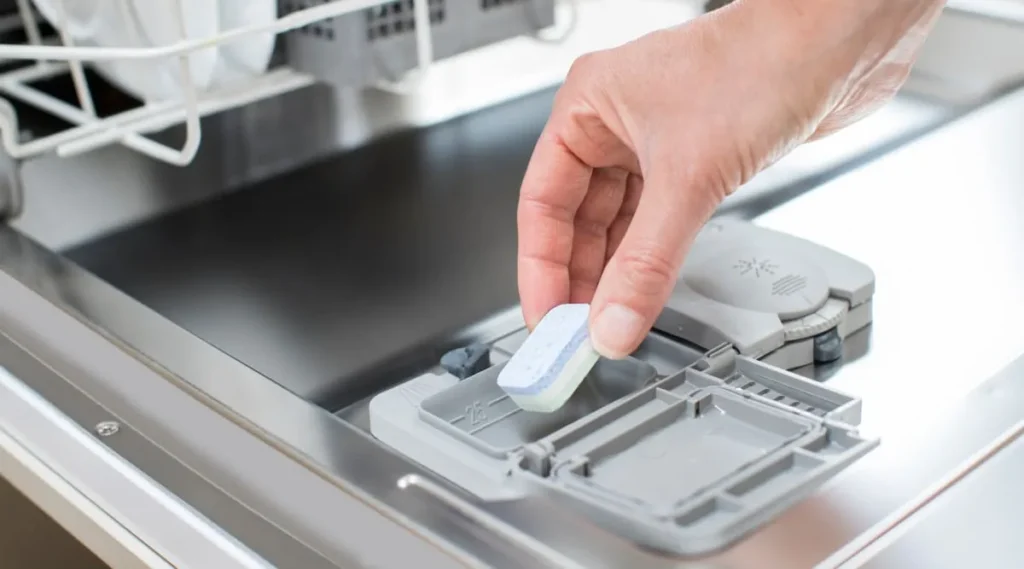
There’s an important exception worth flagging, because sometimes the off-season is precisely where you need to be. If you’re developing a product specifically to break the seasonal mould, an ice cream meant to sell year-round, say, or a hot beverage you want people drinking in summer, then testing it against the grain is the whole point.  You actively want to know whether it can win people over in the conditions where the category usually struggles, and a home use test run at the “wrong” time of year answers exactly that question. The same applies when you’re stress-testing a claim about versatility or all-year appeal. There’s no sense in proving a product performs beautifully in its comfort zone if your marketing is going to promise something broader, and putting it through its paces out of season gives you honest evidence one way or the other.  The frequently asked questions we get from brands about how home use testing works very often come back to this point, namely that the “right” time to test depends entirely on what you’re trying to prove, not on a fixed rule. ihut dishwasher tablets

It Isn’t Only About Human Consumers

Seasonality doesn’t stop at products meant for people, either. Pet owners change their routines across the year just as much as anyone else, walking dogs in very different conditions, adjusting feeding habits as activity levels rise and fall, and dealing with everything from muddy winter paws to summer appetite dips.  Running home use testing on pet products with these seasonal rhythms in mind gives a far truer reading of how a food, treat or product fits into an animal’s life across the months, rather than capturing a single artificial snapshot that may not hold up once the weather turns.

Planning Your Next Home Use Test

Seasonality is one of those factors that’s easy to ignore right up until it skews a set of results and leaves you second-guessing a perfectly good product. The good news is that it’s entirely manageable once it’s on your radar, and a little forethought about when to place your product into homes can be the difference between data you can act on with confidence and data you end up quietly setting aside. If you’re weighing up a home use test and want to get the timing right for your particular product, we’d be glad to talk it through. We run projects across the UK and Europe, for food, drink, household, personal care and pet products alike, and we’ll help you build a study that accounts for the season rather than getting caught out by it. To start a conversation, give us a call on +44 (0)151 346 2999 or email info@wssintl.com.

Cola, energy drinks and the role sensory science will continue to play in the future

According to a recent article in The Grocer, sports and energy drinks have overtaken cola as the UK’s largest soft drinks segment, with sales reaching about £675m over the latest 12-week period measured by NIQ.

As you’ll have seen, the headline itself is striking.

But, what makes this more interesting than a simple category shift, is that consumers may no longer be evaluating drinks primarily on hedonic attributes (“Does this taste good?”), but increasingly on functional attributes (“What will this do for me?”).

The shift from refreshment to performance

For decades, cola occupied a very clear sensory and emotional space. It offered a familiar flavour, immediate refreshment, the brand was well thought of, and there was plenty of nostalgia attached to it. For many, it was even seen as a treat.

On the other hand, sports and energy drinks operate differently. Their proposition is often built around energy, hydration, electrolytes, mental focus, recovery, and an active, healthy lifestyle.

Consumers increasingly interpret sensory cues through the lens of those benefits. A slightly salty note, for example, might once have been considered a flavour defect.

In a hydration product it can reinforce the perception that the drink contains electrolytes and is “working”. Likewise, the sharp acidity and bitterness common in energy drinks can become signals of efficacy rather than barriers to liking.

This is a classic example of sensory perception being shaped by expectation.

Sensory science tells us people don’t taste in isolation

One of the most robust findings in sensory research is that expectations influence experience.

When consumers know a drink contains:

· electrolytes

· caffeine

· vitamins

· protein

· functional ingredients

they often evaluate flavour differently than they would in a blind test.

A runner reaching for a hydration drink after a 10K isn’t necessarily seeking the most pleasurable flavour. They’re seeking reassurance that the product supports a specific goal.

In that context, sensory acceptance becomes multidimensional:

· Does it taste good?

· Does it feel refreshing?

· Does it seem effective?

· Does it fit my health goals?

· Does it align with my identity?

The last two questions have arguably become much more important over the past decade.

Why this matters for product development

Historically, soft-drink optimisation often focused heavily on overall liking scores.

Today, brands increasingly need to understand:

· Perceived hydration

· Perceived energy delivery

· Refreshment

· Mouthfeel

· Satiety

· “Clean” versus “artificial” taste perceptions

· Post-consumption feelings

A product could score lower on pure flavour liking than a cola, yet still win in market because consumers believe it better supports their lifestyle.

That’s particularly relevant among runners, gym-goers and health-conscious consumers. Your own behaviour as a runner is a good example. You may not be asking, “What’s the tastiest drink in the chiller?” but rather, “What’s going to help me hydrate, recover, or keep going this afternoon?”

The sensory challenge for brands

The next phase though may be even more challenging.

Early energy drinks largely succeeded by delivering a clear functional cue: caffeine. Today’s consumers increasingly want:

· Energy

· Hydration

· Low sugar

· Natural ingredients

· Clean labels

· Great taste

All demands that can conflict with one another.

Electrolytes can affect flavour balance. Natural sweeteners can introduce bitterness or lingering aftertastes. Reduced sugar changes mouthfeel. It’s why sensory testing becomes even more critical because brands must optimise multiple dimensions simultaneously rather than simply maximising sweetness and flavour impact.

A broader question: has the definition of a soft drink changed?

Another question we should all be aware of is; do consumers increasingly see soft drinks as part of a wellness toolkit rather than purely as refreshments?

The growth of sports and energy drinks has been linked for years to demand for functional benefits, active lifestyles and “better-for-you” positioning.

If that’s true, then cola’s decline in relative importance isn’t necessarily about people liking cola less. It may be that the category’s centre of gravity has shifted from:

“What tastes nicest?” to “What helps me achieve something?”

For sensory researchers, that’s a fascinating evolution because it means understanding consumer behaviour now requires measuring not just flavour preference, but the complex relationship between sensory experience, perceived functionality and personal goals.

In many ways, the winner in modern soft drinks may not be the beverage with the highest liking score. It may be the one that best convinces consumers that great taste and meaningful function can coexist.

If you would like to start your journey with us, get in touch today.