What is Product Optimisation?

  1. Home
product optimisation

No food manufacturer or beverage brand should ever stand still. Even if you currently hold the position of market leader, without continuous and ongoing product optimisation, you will lose the top spot to another brand carrying out this vital exercise.

So what is product optimisation, and why is it so important?

What is the Process of Product Optimisation?

In short, product optimisation refers to the process of researching and making improvements to a product to make it more appealing to customers. It is an ongoing process that should take place throughout the entire product lifecycle, from initial conception through to post-launch analysis.

There are many different aspects of a product that can be optimised, including but not limited to taste profiles, recipes and ingredients used, packaging design, marketing campaigns, and even pricing.

Why is Product Optimisation So Important?

There are several reasons why product optimisation is so essential, both for established brands and those just starting out.

One of the most important is that it allows you to constantly stay ahead of the competition. In today’s highly competitive marketplace, no brand is ever standing still. All competitors will be looking for ways to improve their products and attract more customers, so it’s crucial that you are always ahead of the curve regarding prevailing consumer trends.

Another reason product optimisation is so important is that it allows you to better meet the wants and needs of your target market. By constantly improving your offering and ensuring that it beats competitors across all key metrics, you can develop an industry-leading “gold standard” product.

From minor flavour profile tweaks to reducing the cost of a product without compromising on quality, there are several research exercises you can carry out to ensure your product lines remain top of the pile and increase profits.

What Does Product Optimisation Involve?

There are no set parameters for product optimisation. However, specific research methodologies are used time after time to discern the performance of a product versus leading competitors, namely sensory profiling and consumer taste testing.

By using these research methods, brands can:

  • Gain an understanding of the sensory profiles of their products and benchmark them against competitor products.
  • Assess how their developmental products differ in sensory terms from those already available in the marketplace.
  • Gain insights into which products consumers prefer the most and why.
  • Acquire knowledge of the ‘key drivers’ towards consumer liking of the product type.
  • Develop the product profile of a ‘gold standard’ product that ticks all of the boxes for target consumers.
  • Provide guidelines for improving products and developing the best possible products in the marketplace moving forwards.

As mentioned, a holistic approach to your product’s research is the key to gaining these insights and can include other methodologies such as packaging research and in-home use testing.

Speak to Wirral Sensory Services Today to Conduct a Thorough Round of Product Optimisation

No brand in any industry should ever rest on its laurels. Whether you’re the current market leader or you’re a startup looking to disrupt a mature market, product optimisation is a process that will ensure your products are the best they can be.

At Wirral Sensory Services, we have over two decades of experience in conducting sensory and consumer research across a wide range of industries. We work with some of the biggest names in food and drink, cosmetics and personal care, and household cleaning products, helping them optimise their products and ensure they remain at the top of their respective fields.

If you would like to find out more about our research services, or if you have any questions about product optimisation specifically, please don’t hesitate to speak to a member of our team today.


5 Reasons Why Your Brand Should Commit to Ongoing Product Testing

  1. Home
wine taste testing

While sales might be indicative of your product’s performance, how can you really tell if your product is meeting customer expectations and delivering on its promises? Product testing is one of the best ways to dig much deeper into your performance and gain valuable feedback to help you assess and improve your product.

With that in mind, let’s run through five quick reasons why your brand should commit to ongoing product testing.

1. Identify Product Defects Early

Product defects can be costly, not just in terms of the cost of replacing and/or recalling the offending product line(s), but also in terms of damage to your brand’s reputation.

Product testing can help you identify and rectify issues early on before reaching customers on a larger scale, saving you time, money, and post-launch headaches down the road.

2. Improve Product Quality

In addition to identifying defects, product testing can also help you improve your product’s overall quality and performance. For instance, extensive taste testing can uncover a better combination of flavours or ingredients, while product benchmarking can reveal what consumers like about your competitor’s offerings.

You can then use the information obtained via product testing to improve your product and increase your market share.

3. Verify Product Claims

Customers are bombarded with marketing claims from brands vying for their attention in today’s market. Product testing using methods such as efficacy testing can help you verify the claims you make about your product so that customers can be confident they’re getting what they expect when they make a purchase.

This is especially important in industries such as cosmetics and skincare, where customers are often willing to pay a premium for products that live up to their claims.

4. Increase Customer Satisfaction and Loyalty

It’s no secret that happy customers are more likely to buy from you again and recommend your products to others. Testing your products with consumers can help ensure that your product meets customer expectations. By making changes suggested during product testing, you can enhance customer satisfaction and, therefore, loyalty.

It could be that you uncover a seemingly insignificant aspect that hampers the way your target consumers are viewing your product. Whatever the issue may be, without subjecting your products to consumer testing in closely-controlled environments, it’s challenging to obtain objective data regarding these subjective consumer opinions.

5. Develop a Winning Formula for Future Product Releases

After a successful round of product testing, you can gain valuable insights and develop a framework for developing successful future products. Having this structure already in place will give you a distinct advantage over the competition and ensure that each new product release is better than the last.

From basic consumer surveys providing insightful feedback about your target market’s needs to more detailed product optimisation studies, product testing helps you develop guidelines for a successful product launch or revamp.

Contact Wirral Sensory Services for Your Product Testing Requirements Today

At WSS, we carry out all manner of product testing and consumer research projects for leading brands in a variety of industries. We boast an experienced team as well as a broad pool of testers and trained assessors, ensuring we can cater to your specific requirements.
Whether you need help with sensory research, consumer testing, or product development and improvement, we’re here to help.

Contact us today to discuss your product testing needs at +44 (0)151 346 2999 or send your enquiry to info@wssintl.com.

How Home Use Testing Saved One of the World’s Most Successful Products

  1. Home
home use product testing ihut

Back in the early 1990s, the world’s largest consumer goods company, Procter & Gamble, was busy working on a new product.

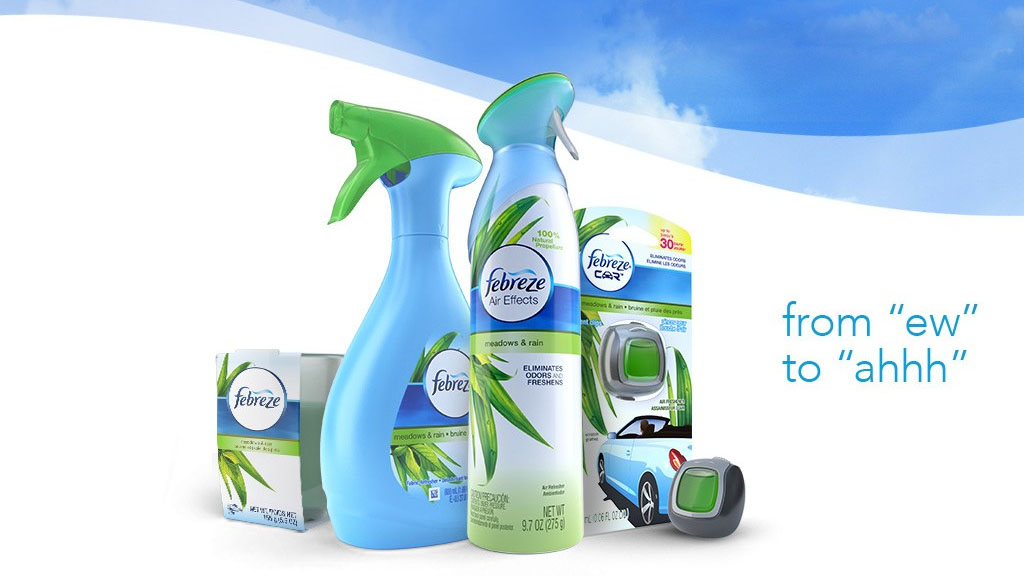
It was a spray that would completely eliminate bad odours. From wet dog stenches to the lingering smell of cigarette smoke, Febreze was meant to become a revolutionary golden-goose product that would bring in billions of dollars of revenue to the company every year.

In the end, it did. But only thanks to the intervention of home use testing. So, with that in mind, let’s look at how one of the world’s most successful products nearly didn’t make it.

Febreze: The Initial Flop

P&G scientists had long been working on a colourless, odourless liquid that could make any stinky sofa, rug, or jacket scentless. That substance was called hydroxypropyl beta-cyclodextrin (or HPBCD for short).

There was great joy when, after testing, the liquid performed exactly as advertised, eliminating bad smells from fabrics, even ones that were deeply entrenched. The marketing team took these results and decided that they should position Febreze as something that would allow people to rid themselves of embarrassing smells.

With great fanfare and a series of high-profile TV adverts, Febreze was launched in 1996. However, it was a total flop, with sales only reaching a fraction of what analysts had hoped.

In a bid to find out what went so disastrously wrong, P&G decided to spend time in the homes of their target customers and view first-hand what the issue was.

How Home Use Testing Saved the Day for Febreze

The company sent out samples and visited hundreds of women in their homes to gain a better understanding of how they missed the mark so badly. Two women, in particular, revealed their issues and began the journey toward creating one of P&G’s most successful products to date.

The first was a woman who owned nine cats. The house stank, but the woman couldn’t smell the putrid scent, proving that even the most pungent of smells failed to be noticed by those constantly exposed to it. In other words, the target market for this product didn’t even know they needed it because they couldn’t detect bad smells in the first place.

Another trip to a woman’s home who used Febreze every day provided a lightbulb moment for the marketing team. She used to spray Febreze whenever she would finish cleaning a room. For instance, in the bedroom, she vacuumed, made the bed, plumped the pillows, tightened the bed sheet’s corners, and then took a Febreze bottle and sprayed it as a final touch.

They saw the same pattern across thousands of home visits to housewives (the target market), and then it suddenly clicked. No one craves odourlessness. Instead, they wanted their home to smell every bit as good as it looked.

Consumer Research Revives Failing Household Product Febreze

Febreze was quickly repositioned as a nice smell to add to your room at the end of the cleaning routine. Instead of eliminating scents, it became an air freshener, used as the finishing touch. Febreze was relaunched in 1998, and sales nearly doubled within two months.

Today, this P&G product line brings in billions of dollars, and the range includes candles, laundry detergents, and kitchen spays, to name but a few. Without those thousands of home visits to uncover Febreze usage habits, P&G might have scrapped this failing product before losing any more money in research and development costs.

Speak to WSS Regarding Your Home Use Testing Projects Today

While they got there in the end, P&G lost millions on their Febreze product line before striking a winning balance. It’s doubtful that you have the same resources as P&G. Thus, it’s crucial for you to get your product right upon launch.

At WSS, we can help you avoid some potentially catastrophic mistakes by carrying out consumer research within the homes of your target consumer. By putting your product through its paces within its intended environment, you can ensure that any faults are found and fixed before it hits the shelves.

To learn more about how extensive home use testing can benefit your new product launch, contact WSS today. One of our experts will be more than happy to discuss your requirements in further detail and provide advice regarding the best research methodologies.

We are available by telephone at +44 (0)151 346 2999 or via email at info@wssintl.com.