Beyond Taste Tests: The Multifaceted World of Sensory Evaluation

burger When most people think of sensory research in the food and beverage industry, taste tests often come to mind. However, sensory evaluation is far more complex and nuanced than simply determining whether a product tastes good. In fact, sensory research plays a crucial role in developing all kinds of products, including household and personal care products. A multifaceted approach to product evaluation helps companies understand how consumers perceive and interact with their offerings on multiple sensory levels. So, let’s examine just how broad the world of sensory research is, starting with the food and beverage industry.

The Core Senses in Food and Beverage Evaluation

As mentioned, taste testing is as intrinsically linked to sensory evaluation, but it goes much deeper than that, as we shall now explain.

Taste: Beyond Sweet and Salty

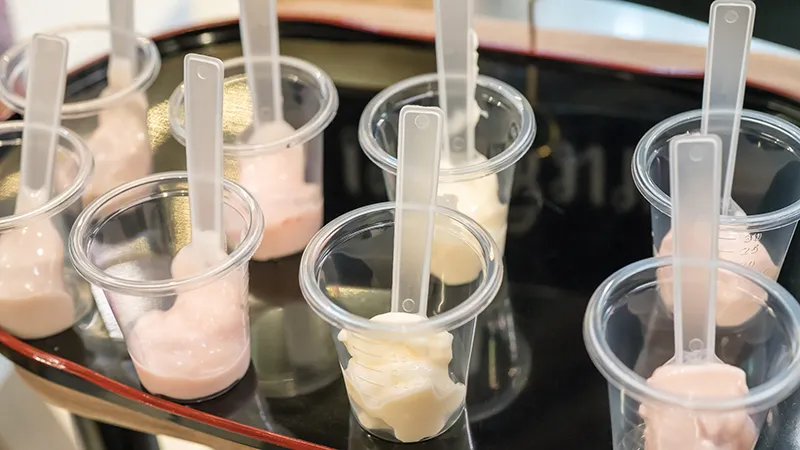
While the five basic tastes – sweet, salty, sour, bitter, and umami – form the foundation of flavour perception, modern sensory research explores how these tastes interact and evolve over time. For example, in beverage development, researchers might examine how a drink’s initial sweetness transitions into other flavour notes, creating a more complex and engaging sensory experience. taste testing
The Power of Aroma

Our sense of smell plays a significant role in how we perceive food and drink. In fact, what we often refer to as ‘taste’ is largely influenced by aroma, reaffirming its importance in product development. Today, sensory researchers use advanced techniques such as headspace analysis (the direct collection and analysis of the mixture of vapours in the space immediately above a food or beverage) to gauge a product’s overall flavour profile. This attention to detail concerning aroma can distinguish a great product from a good one. beer sensory testing

Texture and Mouthfeel

The physical sensations we experience when consuming food and beverages are crucial to our enjoyment. From the crunch of a crisp to the creaminess of a yoghurt, texture and mouthfeel can significantly impact consumer acceptance. Sensory panels use descriptive analysis techniques to articulate and quantify these textural attributes, providing valuable data for product optimisation.

Visual Appeal: Eating with Our Eyes

We often decide whether we like a food or drink product before we even taste it, based solely on its appearance. The colour of a beverage, the glossiness of a sauce, or the visible inclusions in a snack product all contribute to our expectations and overall perception. Thus, visual evaluation techniques help ensure that products not only taste great but look appealing, too.

Sensory Evaluation in Household and Personal Care Products

While taste may not be a factor in household and personal care items, other sensory aspects play a crucial role in consumer acceptance and brand loyalty.

Fragrance Evaluation

The scent of a product can be a powerful driver of consumer preference, particularly in categories like air fresheners, laundry detergents, and personal care items. Fragrance evaluation techniques assess factors such as intensity, character, longevity, and compatibility with the product’s other attributes.

Texture and Feel

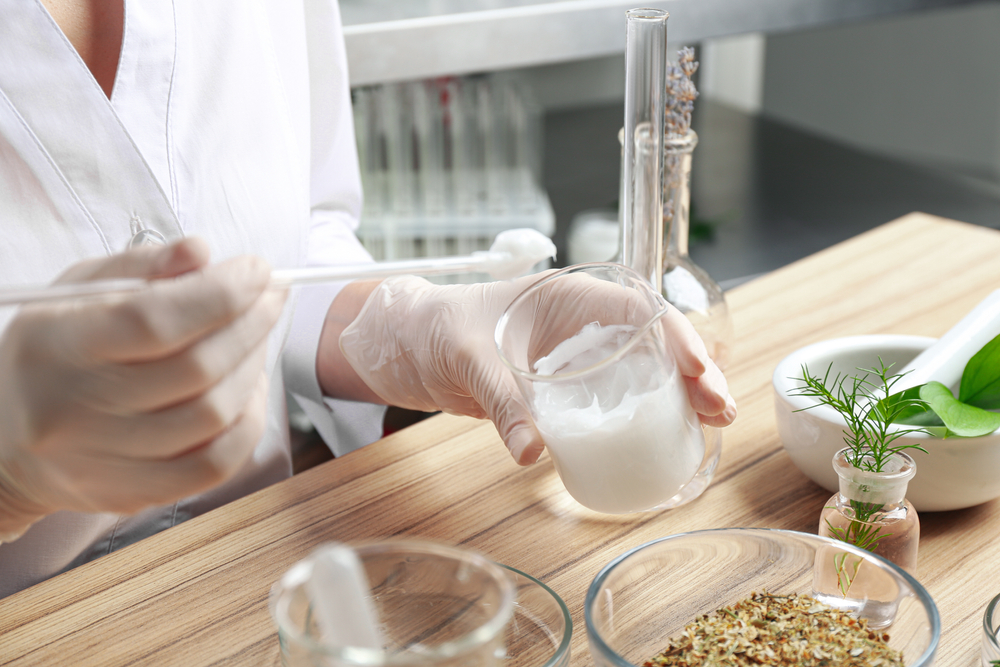
The tactile experience of a personal care product can significantly impact consumer perception. Whether it’s the smooth glide of a deodorant or the lather of a shampoo, texture plays a crucial role. Researchers use standardised descriptors and evaluation techniques to objectively assess these tactile properties. sensory testing

From Lab to Market: A Real-World Example of Successful Sensory Evaluation

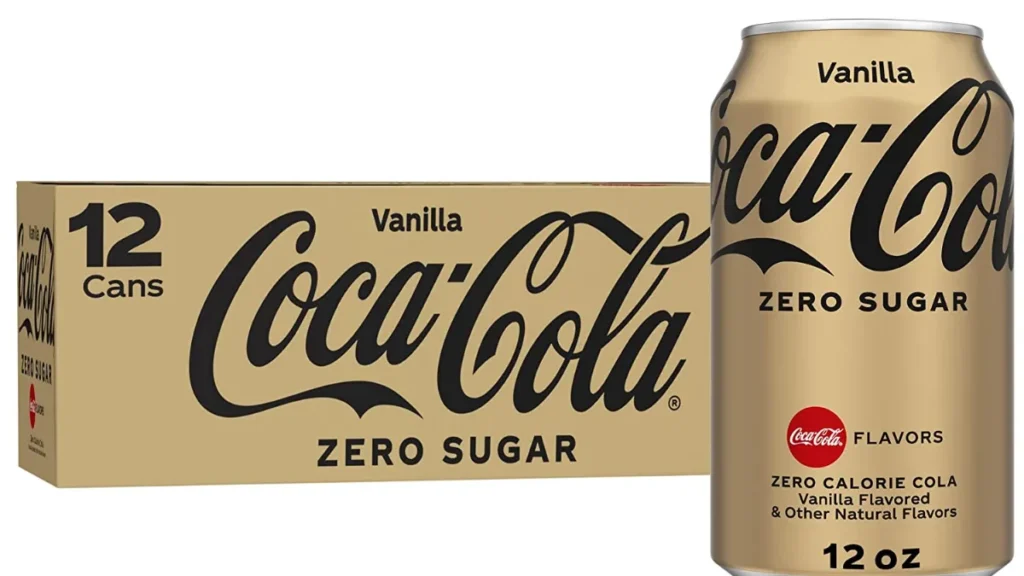
The value of sensory research lies in its application to real-world product development. A prime example is Coca-Cola’s launch of Zero Sugar in 2017. Coca-Cola faced a significant challenge: creating a zero-sugar product that tasted as close to the original Coca-Cola as possible without using sugar. Through extensive sensory research and consumer testing, they developed a new sweetener blend and flavour base that more closely mimicked the taste of the original Coca-Cola. The company conducted numerous sensory evaluations, including blind taste tests and sensory profiling, to refine the formulation. They assessed not only the overall taste but also specific attributes like sweetness onset, mouthfeel, and aftertaste. The research even delved into how the drink’s taste was perceived when consumed with different foods. This comprehensive approach to sensory evaluation paid off. Coca-Cola Zero Sugar was well-received by consumers and has contributed to the further growth of the Coca-Cola brand in many international markets. This success story demonstrates how in-depth sensory research can drive product innovation and market success, even for well-established brands. vanilla coca cola
Embracing the Full Spectrum of Sensory Evaluation

As we’ve explored, sensory research encompasses far more than simple taste tests. It’s a multifaceted field that provides crucial insights into how consumers perceive and interact with products across multiple sensory dimensions. From the complex flavour profiles of food and beverages to the tactile experiences of personal care products, comprehensive sensory evaluation is key to creating products that gain consumer acceptance from launch. For companies looking to enhance their product development process, validate their formulations, or gain a competitive edge in the market, partnering with experienced sensory research professionals can be invaluable. At Wirral Sensory Services, we offer state-of-the-art facilities, experienced sensory panels, and advanced analytical techniques to provide actionable product optimisation insights across various product categories. To explore how our comprehensive sensory research services could benefit your product development efforts, call us today at +44 (0)151 346 2999 or contact us via email at info@wssintl.com for more information.

Home Use Testing: Your Questions Answered

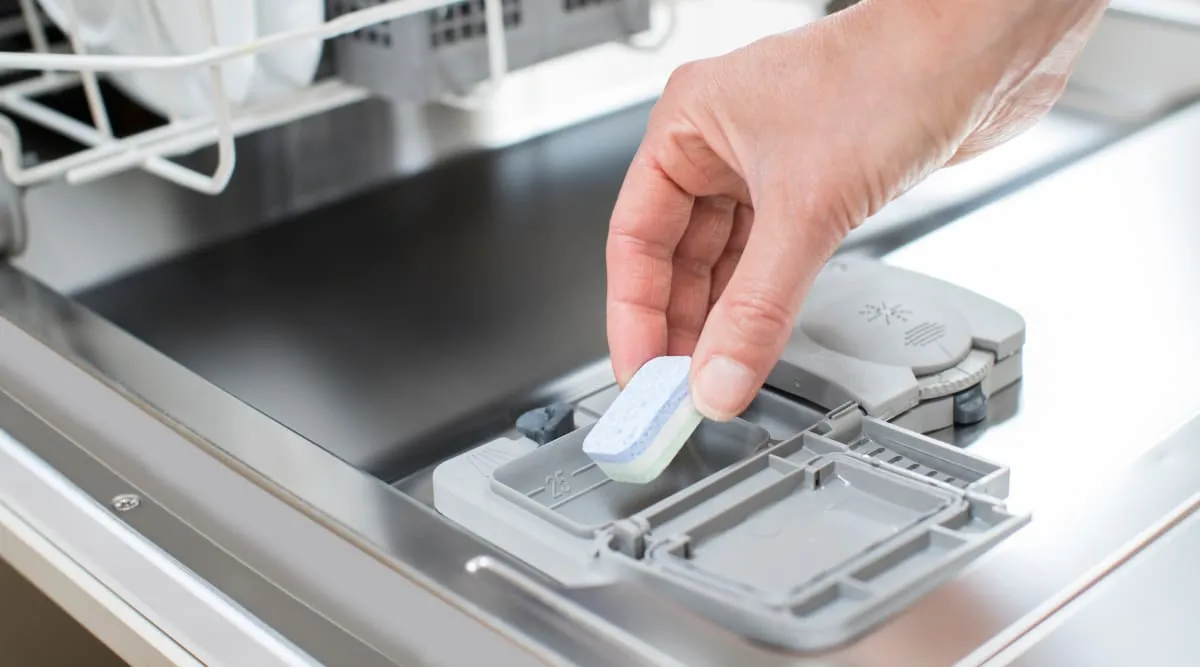
ihut dishwasher tablets Understanding how consumers interact with products in their natural environment is crucial in product development. In that regard, perhaps there is no better consumer research method than home use testing. This method allows consumers to trial products in their own homes and gives companies the ability to gather invaluable insights that lab-based testing simply can’t replicate. But what exactly does home use testing entail, and how can it benefit your product development process? Let’s address some of the most common questions about home use testing to help you understand its potential for your brand and products.
Question #1: What Exactly is Home Use Testing?

Home use testing, often abbreviated as HUT (or iHUT for or in-home use testing), is a research method where consumers are given products to use in their own homes over a specified period. This approach allows researchers to gather much more authentic feedback on how products perform in real-world conditions. Unlike controlled laboratory environments, home use testing provides insights into how products integrate into consumers’ daily lives. It can reveal issues or benefits that might not surface in short-term testing scenarios, making it an essential tool for product refinement and development.

Question #2: How Does Home Use Testing Differ from Other Forms of Product Testing?

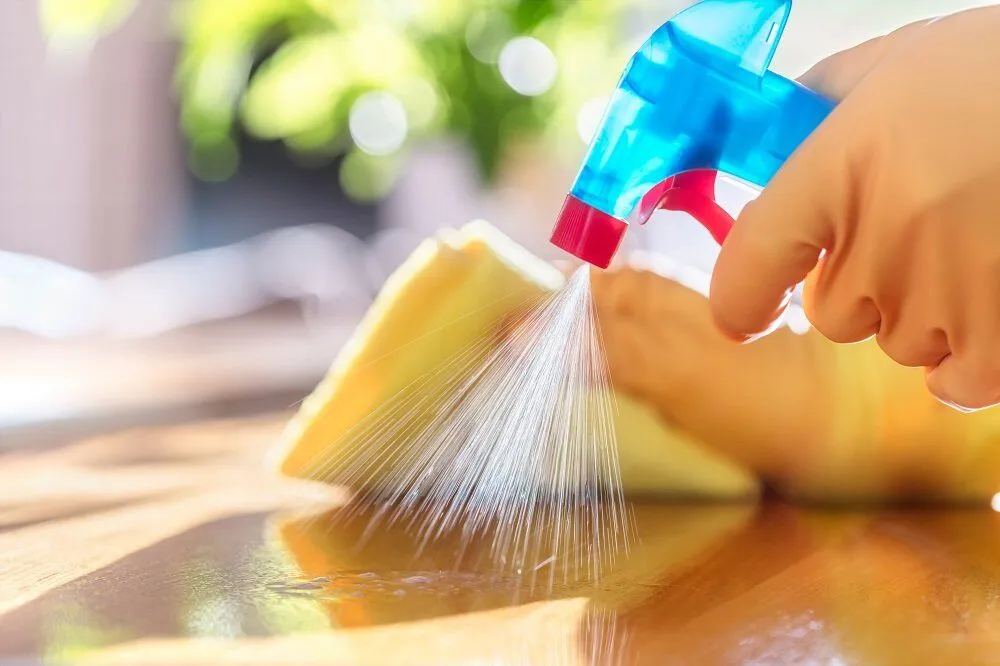
While methods like central location testing or focus groups provide valuable data, home use testing offers a unique perspective. The critical difference lies in the extended period of use and the natural setting. In a central location test, consumers might interact with a product for a short time in a controlled environment. However, home use testing allows for repeated use over days or weeks in the consumer’s space. This extended interaction can uncover issues related to product durability, ease of use over time, and how well the product fits into daily routines. kitchen cleaner efficacy testing

Question #3: What Types of Products Can Benefit from Home Use Testing?

Home use testing is versatile and can be applied to various products. It’s particularly valuable for:
  • Food and beverages: Consumers can integrate these into their regular diets and provide feedback on taste, convenience, and overall satisfaction.
  • Personal care products: Items like skincare or haircare products often require extended use to show results.
  • Household goods: Cleaning products like detergents and other similar offerings can be assessed for effectiveness and practicality in real home environments.
  • Consumer electronics: Users can evaluate the learning curve, functionality, and integration with other devices over time.
  • Essentially, any product intended for regular use in a home setting can benefit from this type of testing.

Question #4: How Long Does a Typical Home Use Test Last?

The duration of a home use test can vary depending on the product and research objectives. Typically, tests run anywhere from a few days to several weeks. For instance, a new snack food might require only a week of testing to gather sufficient feedback on taste and convenience. On the other hand, a skincare product promising long-term results might need a month-long test to assess its efficacy accurately. The key is to allow enough time for consumers to use the product as they naturally would, encounter various usage scenarios, and form well-rounded opinions. in-home usage test

Question #5: How Are Participants for Home Use Tests Selected?

Participant selection is crucial for obtaining relevant and valuable feedback. Typically, participants are chosen based on demographic factors, usage habits, and other criteria specific to the product being tested. For example, if testing a new type of baby food, researchers would select households with infants of the appropriate age. For a new tech gadget, they might look for early adopters or individuals with specific tech usage patterns. The goal is to ensure that the test group represents the product’s intended target market, providing insights that are most relevant to potential consumers.

Question #6: What Kind of Data Can Companies Expect to Gather from Home Use Testing?

Home use testing can yield a wealth of both quantitative and qualitative data. Companies can expect to gather information on the following:
  • Product performance and functionality
  • Ease of use and user experience
  • Integration into daily routines
  • Emotional responses and overall satisfaction
  • Likelihood of purchase and price perceptions
  • Comparisons to similar products already in use
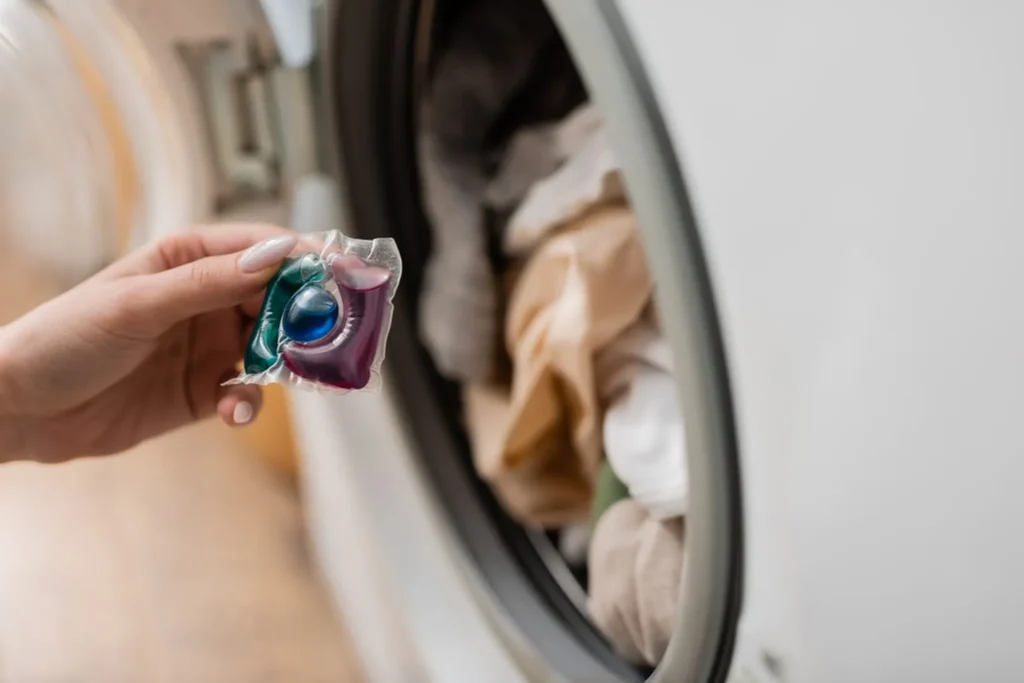
This comprehensive feedback can provide a holistic view of how consumers perceive and interact with the product, offering valuable insights for refinement and marketing strategies. product testing laundry pod

Question #7: How Can Home Use Testing Results be Applied to Product Development?

The insights gained from home use testing can inform various aspects of product development and marketing, such as:
  • Product refinement: Feedback on usability or performance issues can guide product design or formulation improvements.
  • Packaging decisions: Insights on storage, dispensing, or portability can influence packaging choices.
  • Marketing messages: Understanding how consumers use and perceive the product can help shape more effective marketing communications.
  • Pricing strategies: Gauging perceived value can inform pricing decisions.
  • Target market identification: Sometimes, home use tests reveal unexpected appeal to consumer groups, potentially expanding the target market.
By applying these insights, companies can increase the likelihood of market success and consumer satisfaction with their products.

Leverage Powerful Home Use Testing with Wirral Sensory Services

Now that we’ve addressed some of the most commonly asked questions about home use testing, you might be considering incorporating this valuable research method into your product development process. If that’s the case, Wirral Sensory Services offers comprehensive home use testing solutions tailored to meet the specific needs of your product and research objectives. Our experienced team of sensory analysts designs bespoke testing protocols and delivers actionable insights to inform your product development and marketing strategies. Plus, with one of the biggest pools of home use testers on standby, we can deliver both small and large research projects. Our rigorous methodology and in-depth understanding of consumer behaviour have successfully supported various clients, from established multinational food and beverage brands to innovative personal care companies. If you want to learn more about how home use testing could benefit your product development process, don’t hesitate to get in touch to discuss your requirements. Please contact us on +44 (0)151 346 2999 or via email at info@wssintl.com for further information.

The Hidden Costs of Neglecting Product Optimisation for Food and Beverage Brands

product optimisation Given the competition and stakes in today’s fiercely competitive food and beverage market, product optimisation cannot be viewed as a mere buzzword. It should be treated as imperative. While many manufacturers understand its importance, some may underestimate the consequences of neglecting this crucial process. Product optimisation isn’t just about tweaking flavours or adjusting packaging; it’s a comprehensive approach to ensuring your product remains relevant, appealing, and competitive. The impacts can be far-reaching and significant, from eroding market share to long-term brand damage. So, let’s delve into why continuous improvement should be at the forefront of every food and drink manufacturer’s strategy.

The Price of Complacency

When a product has been successful for years, it’s tempting to adopt an “if it isn’t broken, don’t fix it” mentality. However, this approach can be costly in more ways than one. Firstly, consumer preferences are constantly evolving. What appealed to your target market five years ago may not resonate as strongly today. By neglecting to optimise your product, you risk losing market share to more innovative competitors actively adapting to changing tastes and trends. Moreover, complacency can lead to decreased customer loyalty. In an age where consumers are constantly seeking new experiences, a static product can quickly become mundane. This doesn’t just affect your flagship items, either. It can also impact your entire brand perception, as we shall now explain in more detail.

The Ripple Effect on Brand Perception

Neglecting product optimisation affects individual product lines and can have far-reaching consequences for your entire brand.

Brand Erosion

When a company neglects product optimisation, consumers may begin to view the brand as stagnant, unable to keep up with changing tastes and trends. This perception can quickly translate into diminishing relevance in the market. If you remain static, you may find yourself increasingly marginalised as competitors continue to evolve and improve their offerings. Over time, this erosion of market position can significantly weaken your brand’s overall equity, diminishing its value in the eyes of both consumers and stakeholders.

Consumer Trust

Failing to optimise your products can also negatively affect consumer trust. As your products fall behind market standards or fail to address emerging consumer needs, confidence in your brand’s quality may wane. Worse, customers might begin to perceive your brand as outdated or out of touch. This loss of trust can extend beyond your existing products, potentially decreasing the likelihood that consumers will be willing to try new products from your brand. In an industry where innovation and new product launches are crucial for growth, this reluctance can severely hamper your ability to expand and diversify your offerings. These factors combined can create a snowball effect, where negative perceptions compound over time, making it increasingly difficult to regain lost ground in the market.

Lack of Product Optimisation Leads to Financial Implications Beyond Sales

While declining sales are an obvious consequence of neglecting product optimisation, there are other, less apparent financial implications to consider. Marketing Costs: When a product fails to meet evolving consumer expectations, marketing teams often need to work harder – and spend more – to maintain interest. This can lead to inflated advertising budgets and promotional costs, eating into profit margins. Customer Service Issues: Products that haven’t been optimised may lead to increased customer complaints. This impacts customer satisfaction and increases operational costs associated with managing these issues. Reformulation Expenses: Failing to engage in ongoing optimisation can result in the need for major overhauls down the line. These large-scale reformulations are often more costly and disruptive than incremental improvements would have been.

No Product Optimisation Means No Product Innovation

In the food and beverage industry, innovation is key to staying ahead. Neglecting product optimisation can create a significant innovation gap between your brand and your competitors. Technological Advancements: The food industry is constantly evolving, with new ingredients, processing methods, and packaging technologies emerging regularly. Without ongoing optimisation, you risk falling behind in leveraging these advancements to improve your products. Talent Attraction: Innovative companies attract top talent. If your brand is perceived as stagnant due to a lack of product development, you may struggle to recruit the best food scientists, flavourists, product developers, and marketers – further widening the innovation gap. Market Adaptability: Brands that regularly optimise their products are better positioned to adapt to sudden market shifts, whether due to changing regulations, supply chain disruptions, or evolving consumer preferences.

Embrace Continuous Product Optimisation for Success Today

The hidden costs of neglecting product optimisation are pretty evident, from diminishing market share and brand value to increased operational costs and reduced innovation ability. In the dynamic food and beverage industry, standing still is effectively moving backwards. Viewing product optimisation as an ongoing process rather than a one-time event is crucial for long-term success. It allows for incremental improvements, helps maintain market relevance, and can actually be more cost-effective than sporadic, large-scale reformulations. At Wirral Sensory Services, we understand the complexities of product optimisation in the food and beverage sector. Our team of experienced research coordinators and sensory analysts can help you navigate the optimisation process, ensuring your products consistently meet and exceed consumer expectations. If you’re looking to avoid the pitfalls of product stagnation and unlock the full potential of your product range, we’re here to help. For more information on our product optimisation services, please contact us on +44 (0)151 346 2999 or via email at info@wssintl.com.