Central Location Testing: Your Top Questions Answered

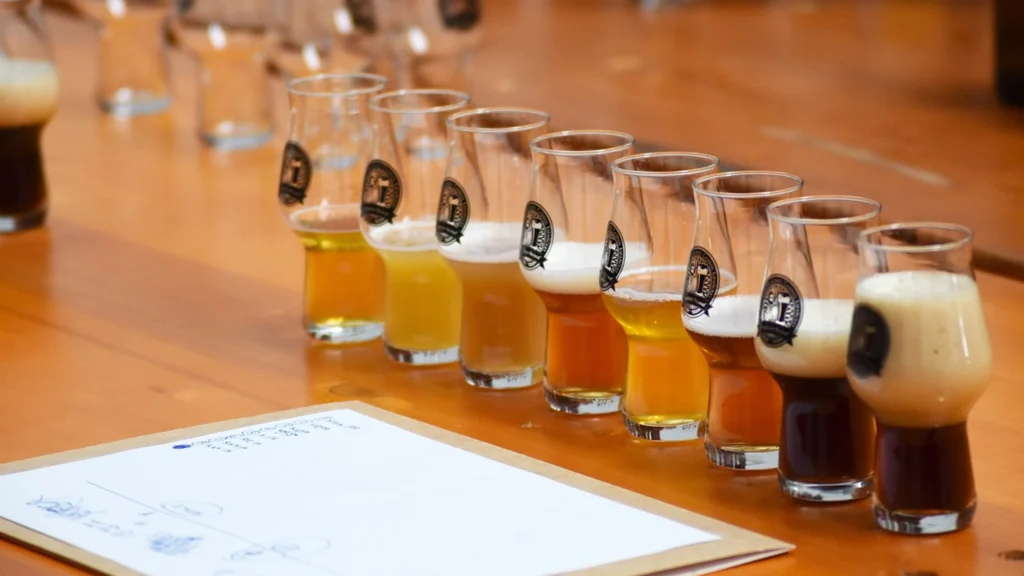
beer sensory testing At Wirral Sensory Services, we’re often asked about Central Location Testing (CLT) and its role in product development and market research. To help you understand this crucial research method, we’ve compiled detailed answers to the most common questions about CLT. So, without further ado, let’s jump right in.

What is Central Location Testing?

Central Location Testing (CLT) is a market research method conducted in a controlled environment such as a testing lab, restaurant, shopping centre, or another retail environment. It provides brands with critical customer feedback while minimising biases that could affect the reliability of the findings. CLT involves inviting consumers to a predetermined location to evaluate products or concepts. This method allows researchers to control various factors such as product presentation, serving conditions, and the testing environment. By standardising these elements, CLT ensures consistency across all participants, leading to more reliable and comparable results. One of the key advantages of CLT is the ability to collect immediate feedback. Researchers can observe participants’ reactions in real time and probe deeper into their responses, providing valuable insights that might be missed in other research methods.

Why is Central Location Testing Important?

Central Location Testing plays a vital role in product development and market research for several reasons:
  • Controlled Environment: CLT allows researchers to control various factors that might influence consumer perceptions. This controlled setting ensures that all participants experience the product under the same conditions, leading to more accurate and comparable results.
  • Immediate Data Collection: Unlike home use tests where feedback might be delayed, CLT allows for real-time data collection. Researchers can gather responses immediately after product exposure, capturing fresh and unbiased opinions.
  • Standardised Testing Process: With CLT, all participants go through the same testing process. This standardisation helps in eliminating variables that might skew results, ensuring the data collected is reliable and consistent across all participants.
  • Non-verbal Feedback: In a CLT setting, researchers can observe participants’ non-verbal cues and reactions. These observations can provide valuable insights that might not be captured through written or verbal feedback alone.
  • Early Issue Identification: By testing products before launch, companies can identify and address potential issues early in the development process. This proactive approach can save significant time and resources that might otherwise be spent on post-launch modifications.
  • Comparative Testing: CLT is ideal for comparing multiple product variants or competing products side by side. This direct comparison can highlight subtle differences that consumers prefer, guiding product refinement and positioning strategies.
  • In-depth Insights: The face-to-face nature of CLT allows researchers to probe deeper into consumer responses. They can ask follow-up questions to understand the reasoning behind preferences or dislikes, providing richer, more nuanced insights.

sensory evaluation

What Types of Products Can Benefit from Central Location Testing?

Central Location Testing is a versatile consumer research method that can be applied to a wide range of products and services. Here are some examples:
  • Food and Beverages: CLT is particularly useful for sensory evaluation of food and drink products. It allows for controlled tasting conditions and immediate feedback on flavour, texture, aroma, and overall appeal.
  • Cosmetics and Personal Care Products: CLT can evaluate factors like texture, scent, application ease, and immediate effects of skincare or makeup products.
  • Household Products: For items like cleaning supplies or air fresheners, CLT can assess efficacy, ease of use, and consumer perceptions of performance.
  • Packaging Designs: CLT is excellent for evaluating packaging appeal, functionality, and consumer understanding of product information.
  • Fragrances: In a controlled environment, researchers can assess consumer reactions to different scents without interference from other odours.

How Does the Central Location Testing Process Work?

The Central Location Testing process involves several key steps:

1. Planning and Preparation

  • Defining clear objectives for the research
  • Determining the target demographic
  • Designing the testing protocol
  • Preparing necessary materials (products, questionnaires, etc.)

2. Location Selection

The next step is to select a suitable, easily accessible location. This could be a dedicated research facility, a rented space in a shopping centre, or any other appropriate venue, depending on the nature of the product and the target audience.

3. Participant Recruitment

Recruit participants who represent the target market. This often involves screening potential participants to ensure they meet specific criteria relevant to the product being tested.

4. Testing Session

With the participants recruited, the next stage to carry out the tests:
  • Welcome participants and brief them on the process
  • Present the product(s) for evaluation
  • Conduct the planned tests, which might include:
    • Sensory evaluation for food products
    • Packaging evaluations
    • Preference tests between multiple variants

5. Data Collection

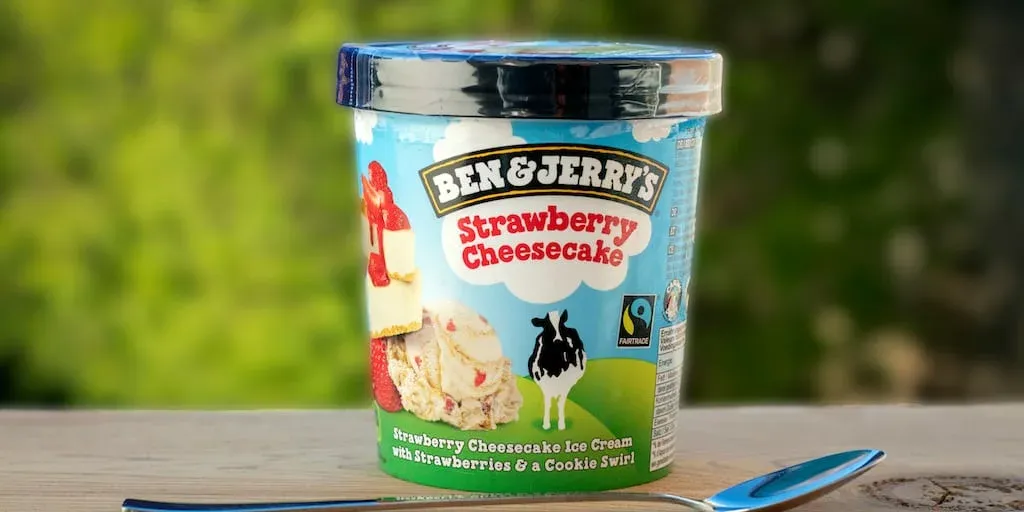
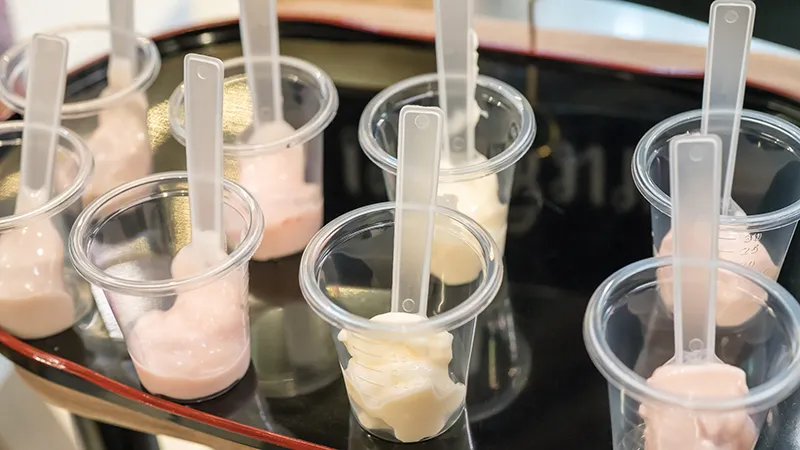
The testing stage will involve collecting various types of data, which then need to be analysed and reported. Interviewers may use quantitative measures, such as standardised surveys, questionnaires, and rating scales, but there may also be open-ended interview questions or observational data, such as a participant’s reactions or behaviours. All forms of collected data will be compiled, analysed, and interpreted to derive meaningful insights. These insights are typically included in a comprehensive report prepared for clients that includes findings and recommendations. taste testing
What Are the Main Challenges of Central Location Testing?

While Central Location Testing is a powerful research tool, it does come with some challenges. Biases are minimised due to the controlled environment. However, some can still creep in, including but not limited to:
  • Social desirability bias: Giving answers they think are socially acceptable
  • Acquiescence bias: Tendency to agree with the researcher
  • Hawthorne effect: Changing behaviour because they know they’re being observed
These biases can skew results and lead to inaccurate conclusions if not properly managed. Other challenges include interviewers unintentionally influencing participants’ responses by asking leading questions or giving non-verbal cues that indicate a preference for a certain response. An experienced consumer research company should provide highly trained interviewers to avoid these outcomes. Lastly, there can be challenges in recruiting the right participants. For instance, there could be a lack of available candidates in the target demographic or a couple of no-shows on the day of testing. Again, reputable consumer research firms like Wirral Sensory Services have contingencies in place.

What Types of Tests are Typically Conducted During Central Location Testing?

Central Location Testing allows for a variety of test types, depending on the product and research objectives. Here are some common tests conducted during CLT:
  • Sensory Evaluation Tests: These are crucial for food and beverage products. They may include taste tests, texture analysis, and aroma perception tests.
  • Product Usage Tests: These assess how consumers interact with and use a product. They’re particularly useful for household products and personal care items.
  • Packaging Evaluation: These tests focus on the product’s packaging and may include assessing visual appeal and brand perceptions.
  • Preference Tests: These compare multiple product variants or competing products to determine consumer preferences. They may include paired comparison tests and product benchmarking.

How Can Central Location Testing Benefit Our Product Launch?

Central Location Testing can significantly improve your chances of a successful product launch in several ways:

Risk Mitigation

By identifying potential issues early in the development process, CLT helps avoid costly mistakes post-launch. You can refine your product based on consumer feedback before committing to full-scale production.

Consumer-Centric Development

CLT provides direct insights into consumer preferences, needs, and behaviours. This information ensures that your product development is aligned with what your target market actually wants, not just what you think they want.

Competitive Advantage

Through comparative testing, CLT can highlight how your product performs against competitors. This information can guide positioning strategies and help identify unique selling points.

Optimised Marketing Strategies

CLT can test various marketing messages, claims, and packaging designs. This helps in developing marketing strategies that better resonate with your target audience, increasing the effectiveness of your launch campaign.

Carry Out Central Location Testing with the Experts at Wirral Sensory Services

Central Location Testing is a powerful tool in the product development and market research process. It provides valuable, immediate insights into consumer preferences and behaviours, helping brands make informed decisions about their products before launch. While CLT does come with challenges, these can be effectively managed with the right approach and expertise. At Wirral Sensory Services, we bring over two decades of experience in conducting Central Location Testing for leading UK brands in the food, beverage, and household products industries. Our team of expert researchers and state-of-the-art testing locations ensure that you get the most accurate and actionable insights from your CLT studies. Ready to take the next step in your product development journey? We’re here to help. Contact us today to learn how our CLT services can drive your product’s success. We’re available via telephone at +44 (0)151 346 2999 or via email at info@wssintl.com.

Sensory Research: Answering the Questions That Drive Product Success

sensory evaluation Understanding customer preferences is often the key to product success. That’s why so many companies turn to sensory research – a scientific approach that delves into how our senses influence our perception and enjoyment of products. This methodology has become an indispensable tool for companies striving to create products that not only meet but exceed customer expectations. At its core, sensory research bridges the gap between product attributes and consumer experiences. By systematically evaluating how people perceive and respond to various sensory stimuli, companies can fine-tune their offerings, ensuring they hit the mark with their target audience. But how exactly does sensory research accomplish this, and why is it so crucial in today’s market? Let’s explore these questions and more.

What is Sensory Research?

Sensory research is a scientific discipline that measures, analyses, and interprets human responses to products based on sight, smell, touch, taste, and hearing. There are many methodologies used in sensory research, but a few of the most popular types include:
  • Objective sensory evaluation by trained panels
  • Consumer perception studies
  • Measuring the correlation of sensory attributes with consumer preferences
This often multifaceted approach provides a comprehensive understanding of how sensory properties influence consumer behaviour and product acceptance.

Why is Sensory Research Crucial for Product Success?

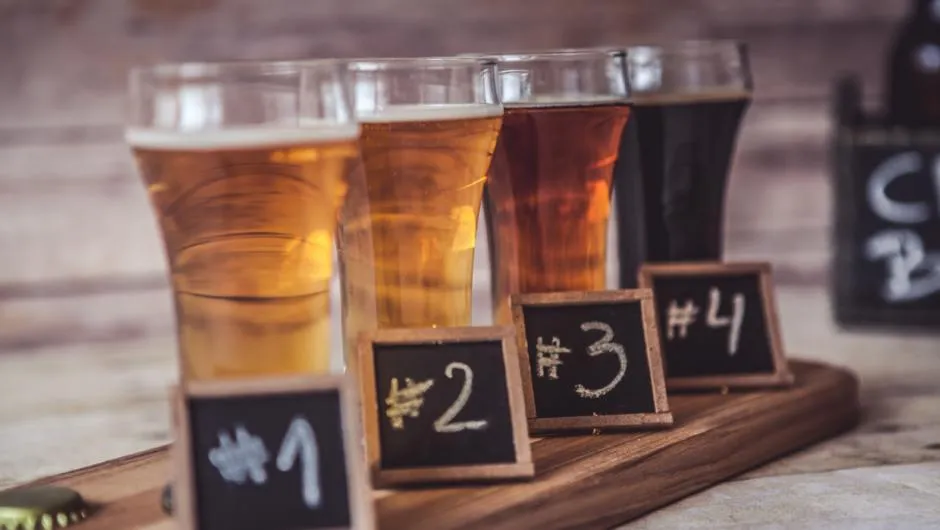
The reason sensory research is so pivotal is the success of so many products is that it “lifts the lid” on consumer thinking. As a brand, you’re left with concrete data on what consumers like or dislike about a product. For tests involving trained sensory panellists, you’re receiving objective feedback that helps refine product formulations to achieve desired sensory attributes. You can also develop sensory standards for achieving that all-important consistency in product quality. Lastly, testing the sensory attributes of a product unearths opportunities for competitive advantages. Whether it’s discovering an underserved flavour profile or gathering evidential data regarding attributes that can enhance the effectiveness of marketing, sensory research can be the difference maker when trying to secure extra market share. beer sensory testing

How Does Sensory Research Work?

Sensory research employs a variety of methodologies to gather and analyse data. The process typically involves:
  1. Defining research objectives
  2. Selecting appropriate sensory tests
  3. Recruiting and training panellists (if using expert panels)
  4. Conducting tests under controlled conditions
  5. Analysing and interpreting results
Common types of sensory tests include:
  • Discrimination Tests: Determine if products are perceptibly different
  • Sensory Profiling: Provide detailed sensory profiles of products
  • Consumer Acceptance Tests: Gauge overall liking and preference among target consumers

Which Industries Rely Most on Sensory Research?

While sensory research has applications across various sectors, it is most commonly associated with the food and beverage industry. It’s typically used in new product development, reformulation of existing products, and for quality assurance and consistency purposes. That said, any product with sensory properties can benefit from sensory evaluation. For instance, fragrance brands invest heavily in testing the olfactory performance, and the same can be said of household products such as air fresheners. However, the food and drink industry remains the primary user of sensory research, given the direct impact of taste and smell on product success.

When Should Companies Conduct Sensory Research?

Sensory research is valuable at multiple stages of the product life cycle. There are no hard and fast rules regarding when a product should undergo sensory evaluation. However, there are broadly four product life cycle stages that usually involve sensory research.
  • Early Development: To guide initial product formulation
  • Pre-Launch: For final tweaks and optimisation
  • Post-Launch: To monitor quality and consumer satisfaction
  • Reformulation: When changing ingredients or processes
sensory testing

Where is Sensory Research Conducted?

The setting for sensory research can significantly impact results. In fact, the setting will often determine the specific type of sensory research being conducted. For instance, testing in specialised sensory labs is reserved for precision sensory profiling with trained panellists or even scientists. In contrast, central location tests often take place in public spaces for broader consumer feedback. While home use tests are primarily run to gauge product performance in real-life settings, there may be sensory elements being assessed by participants. Each setting offers unique advantages, and the choice depends on research objectives and product type.

What Are the Potential Drawbacks of Sensory Research?

While sensory research is a powerful tool, it’s not without its challenges. One of the primary hurdles is the inherent subjectivity of sensory experiences. What tastes delicious to one person might be unpalatable to another, making it difficult to draw universal conclusions. This subjectivity can be further complicated by cultural differences in sensory preferences, which can significantly impact product acceptance across different markets. Another potential drawback is sensory fatigue, which can occur during extended testing sessions. Participants may become desensitised to the products they’re evaluating, potentially skewing results. This is particularly challenging when testing products with strong flavours or aromas, as the sensory overload can diminish the accuracy of subsequent evaluations. The solution to both of these problems often comes in the form of using trained panellists possessing excellent sensory acuity to objectively measure sensory aspects such as aroma or flavour. Lastly, translating sensory data into actionable insights can be a complex task. While researchers can gather a wealth of information about how consumers perceive a product, interpreting this data and applying it effectively to product development or marketing strategies requires significant expertise. It’s not just about collecting data, but understanding how to use it to drive meaningful improvements in product formulation and consumer appeal.

Harnessing the Power of Sensory Research for Your Products

Sensory research is more than just a tool. It’s a gateway to creating products that resonate with consumers on a fundamental level. By tapping into the power of the senses, companies can develop products that not only meet functional needs but also provide enjoyable sensory experiences. For businesses looking to gain a competitive edge, investing in sensory research is a smart move. It provides the insights needed to create products that don’t just satisfy, but delight consumers, driving both initial sales and long-term brand loyalty. If you’re ready to explore how sensory research can enhance the effectiveness of your product development process, contact Wirral Sensory Services today. We boast almost three decades of experience in sensory research and have access to one of the largest concentrations of trained sensory panellists in the country. We have played an important part in countless successful product launches and reformulations through our research projects, and we can’t wait to be part of yours. Contact us today at +44 (0)151 346 2999 or info@wssintl.com to learn how our expertise can help you create products that excite the senses and boost the bottom line.

From Screen to Shelf: Exploring Effective Packaging Research Methodologies

sensory evaluation Product packaging is often an underestimated element of product development. However, leading brands understand the crucial role it plays in getting customers to pick their product up off a supermarket shelf over a rival. It’s often the difference between a half-decent product ending up in a shopping trolley and a far superior one gathering dust. That’s why the best-performing brands invest so heavily in packaging research. They appreciate that, even with the best-tasting product in the world, if consumers are convinced enough to pick it up and try it, they’ll never gain market share. But what goes into packaging research? What methods are used to determine what will be a hit and what will miss the mark? Let’s take a closer look at the research methodologies used to glean these crucial insights – starting with online questionnaires.

Online Questionnaires for Packaging Research

In our increasingly digital world, online questionnaires have become a cornerstone of packaging research. This method involves presenting consumers with images of packaging designs on their screens and collecting their responses through structured questions. The beauty of online questionnaires lies in their reach and efficiency. They allow researchers to gather large amounts of data quickly and cost-effectively, reaching diverse audiences across wide geographical areas. Moreover, the digital format enables easy manipulation of packaging designs, allowing for rapid testing of multiple variants. However, it’s important to note that online questionnaires have limitations. While they excel at collecting quantitative data, they may miss nuanced reactions that come from physically interacting with a product. The lack of tactile experience can sometimes lead to disconnects between online preferences and in-store behaviour. That said, it’s an excellent barometer of consumer opinion that can quickly whittle down a list of potential designs.

Central Location Tests: Recreating the Supermarket Experience

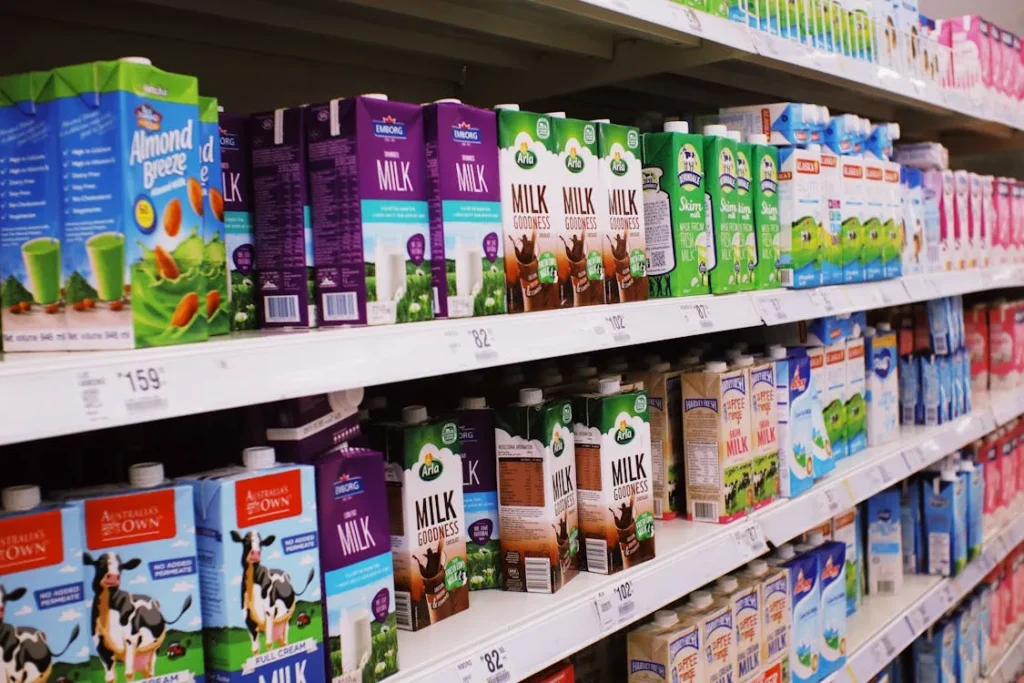
Central Location Tests (CLTs) take packaging research a step closer to reality by replicating a supermarket environment in a controlled setting. In these tests, participants interact with physical product packaging in a simulated shopping scenario. The power of CLTs lies in their ability to capture real-world interactions. Researchers can observe how consumers pick up products, read labels, and make comparisons – behaviours that are difficult to replicate in online studies. This method provides rich, qualitative data that can uncover unexpected insights about packaging functionality and shelf appeal. CLTs are particularly valuable when testing premium products or when tactile elements of packaging are crucial. For instance, a luxury cosmetics brand might use CLTs to evaluate how the weight and texture of their packaging influence consumer perceptions of quality. supermarket shelf

Focus Group Studies: Diving Deep into Consumer Perceptions

When it comes to understanding the ‘why’ behind consumer reactions, focus group studies shine. These moderated group discussions allow researchers to explore packaging preferences in depth, uncovering the reasoning behind consumer choices. Focus groups excel at generating ideas and exploring emotional responses to packaging. They can reveal how packaging aligns with brand perceptions, cultural values, and lifestyle aspirations. For example, a focus group might uncover that environmentally conscious consumers are drawn to minimalist packaging not just for its aesthetics, but because it signals reduced waste. However, it’s crucial to remember that focus groups provide qualitative insights and may not always reflect broader market trends. They’re most effective when used in conjunction with other research methods to validate findings and provide context to quantitative data.

Choosing the Right Approach: Tailoring Packaging Research to Your Needs

Each packaging research method offers unique strengths, and the most effective research strategies often combine multiple approaches. Online questionnaires can provide a broad overview of preferences, CLTs can validate these findings in a realistic setting, and focus groups can dive deep into the reasoning behind consumer choices. The choice of method depends on various factors, including but not limited to:
  • Product type and category
  • Target audience demographics
  • Research objectives and budget
  • Stage of product development
For instance, a new snack brand might start with online questionnaires to narrow down design options, followed by CLTs to test how the packaging performs on a simulated shelf, and finally, use focus groups to refine messaging and branding elements.

Leverage the Power of Packaging Research with Wirral Sensory Services

Effective packaging research can be the difference between a product that flies off the shelves and one that falls flat. At Wirral Sensory Services, we understand the nuances of each research method and how to leverage them for maximum impact. With nearly three decades of experience in sensory and consumer research, we’ve helped countless brands optimise their packaging for market success. Our team of experts can guide you through the research process, from selecting the most appropriate methodologies to interpreting results and translating insights into actionable strategies. Contact Wirral Sensory Services today at +44 (0)151 346 2999 or info@wssintl.com to discuss your requirements and learn more about our packaging research services. Your next market-winning packaging design could be just a research project away.