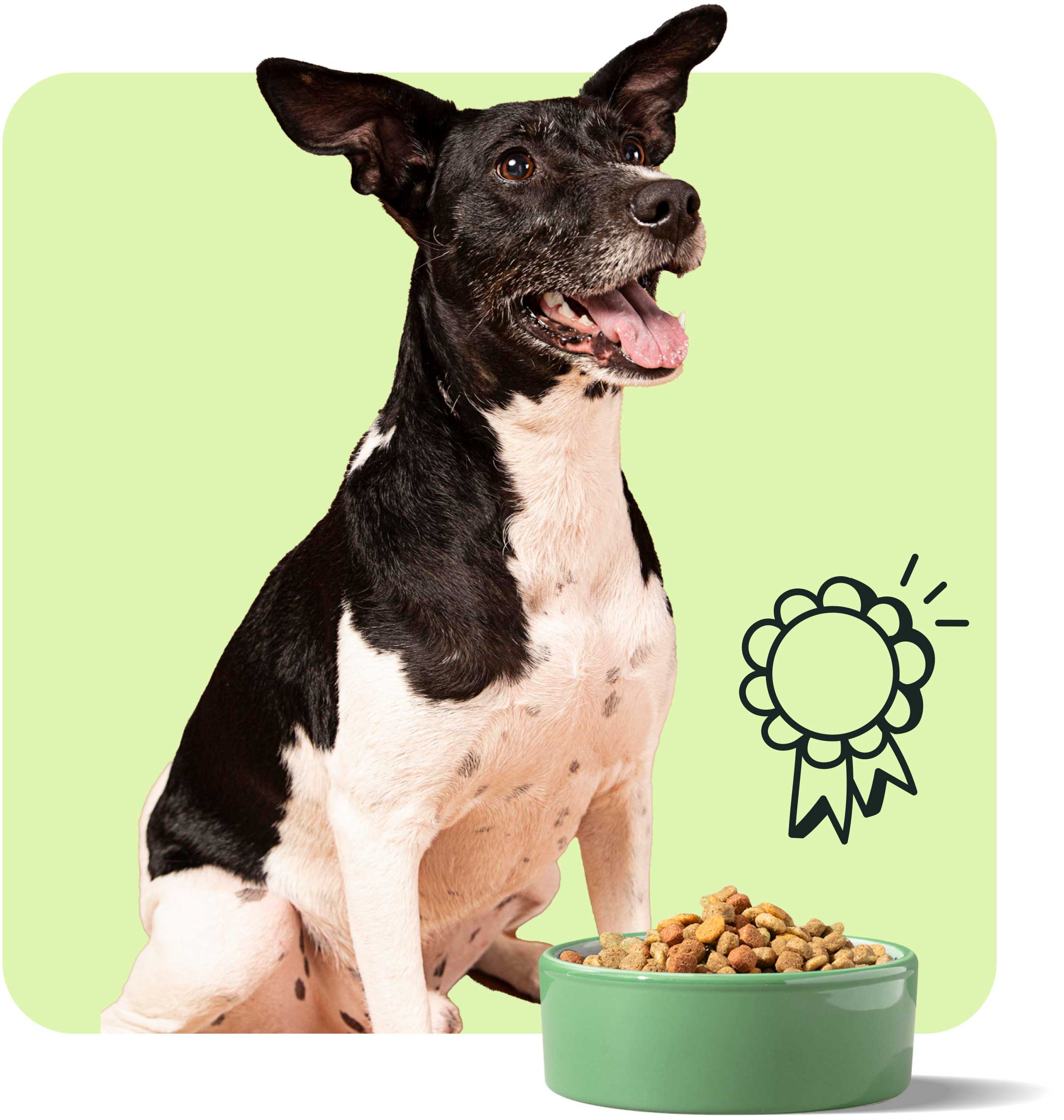
 Whether you’re developing a new recipe or reformulating an existing product, pet food research through home use testing provides invaluable insights that laboratory testing simply cannot replicate.
With pet owners increasingly treating their animals as family members and spending billions annually on premium pet nutrition, understanding how your product performs in real homes with real pets has never been more crucial.
At Wirral Sensory Services, we regularly field questions from pet food manufacturers about how to effectively conduct home use testing with pets. After nearly three decades of helping brands navigate this specialised research area, we’ve created this guide to answer some of the most common queries to help you understand how pet food testing can strengthen your product development and increase your chances of market success.
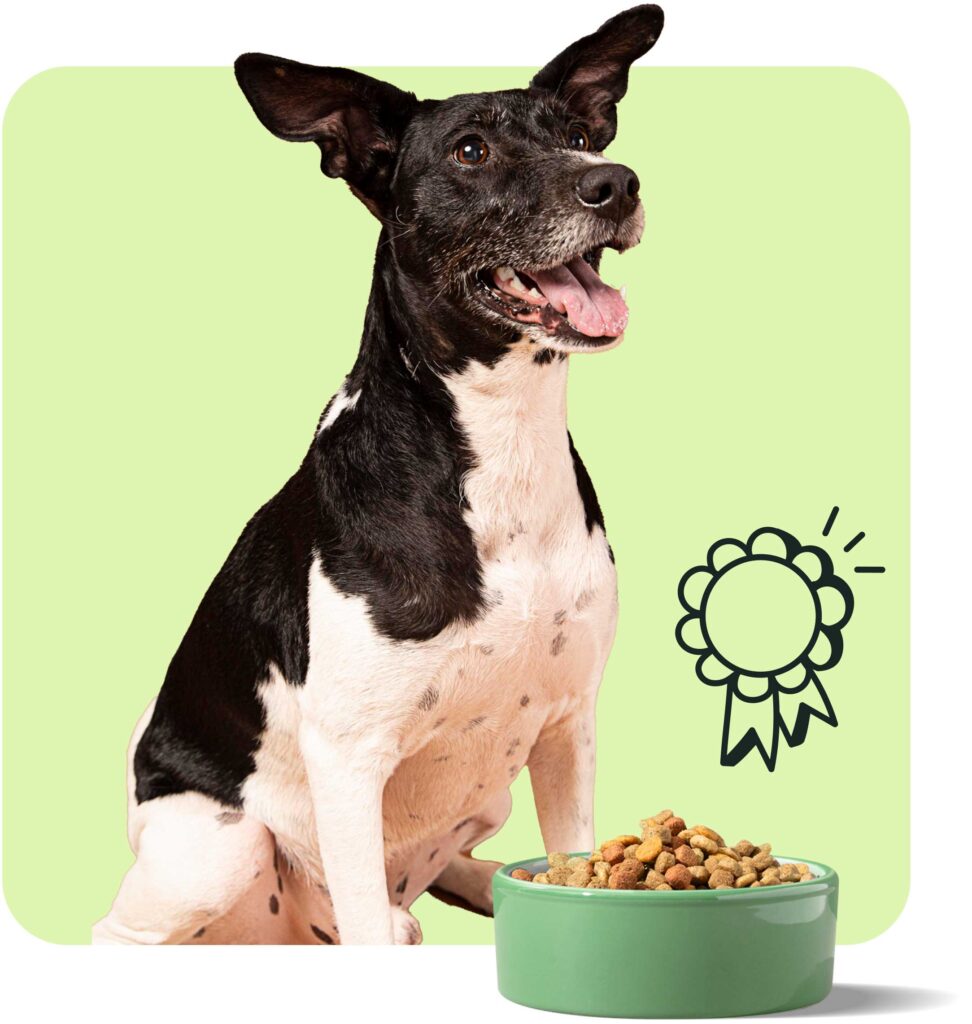
Whether you’re developing a new recipe or reformulating an existing product, pet food research through home use testing provides invaluable insights that laboratory testing simply cannot replicate.
With pet owners increasingly treating their animals as family members and spending billions annually on premium pet nutrition, understanding how your product performs in real homes with real pets has never been more crucial.
At Wirral Sensory Services, we regularly field questions from pet food manufacturers about how to effectively conduct home use testing with pets. After nearly three decades of helping brands navigate this specialised research area, we’ve created this guide to answer some of the most common queries to help you understand how pet food testing can strengthen your product development and increase your chances of market success.
What Exactly Is Pet Food Home Use Testing?
Pet food home use testing involves recruiting pet owners to trial your products with their animals in their natural home environment. Unlike laboratory feeding trials or palatability tests conducted in controlled facilities, this methodology captures authentic feeding behaviours and owner observations in the settings where your products will actually be consumed.
The process typically involves providing pet owners with debranded product samples sufficient for several days of exclusive feeding. Owners then observe their pets’ responses, monitor consumption patterns, and report on various aspects of product performance through structured feedback mechanisms.
This approach provides insights that extend beyond simple palatability scores. You’re gathering comprehensive data about how your product integrates into real feeding routines, how pets respond over multiple meals, and crucially, how owners perceive the product’s performance against their expectations and current preferences.
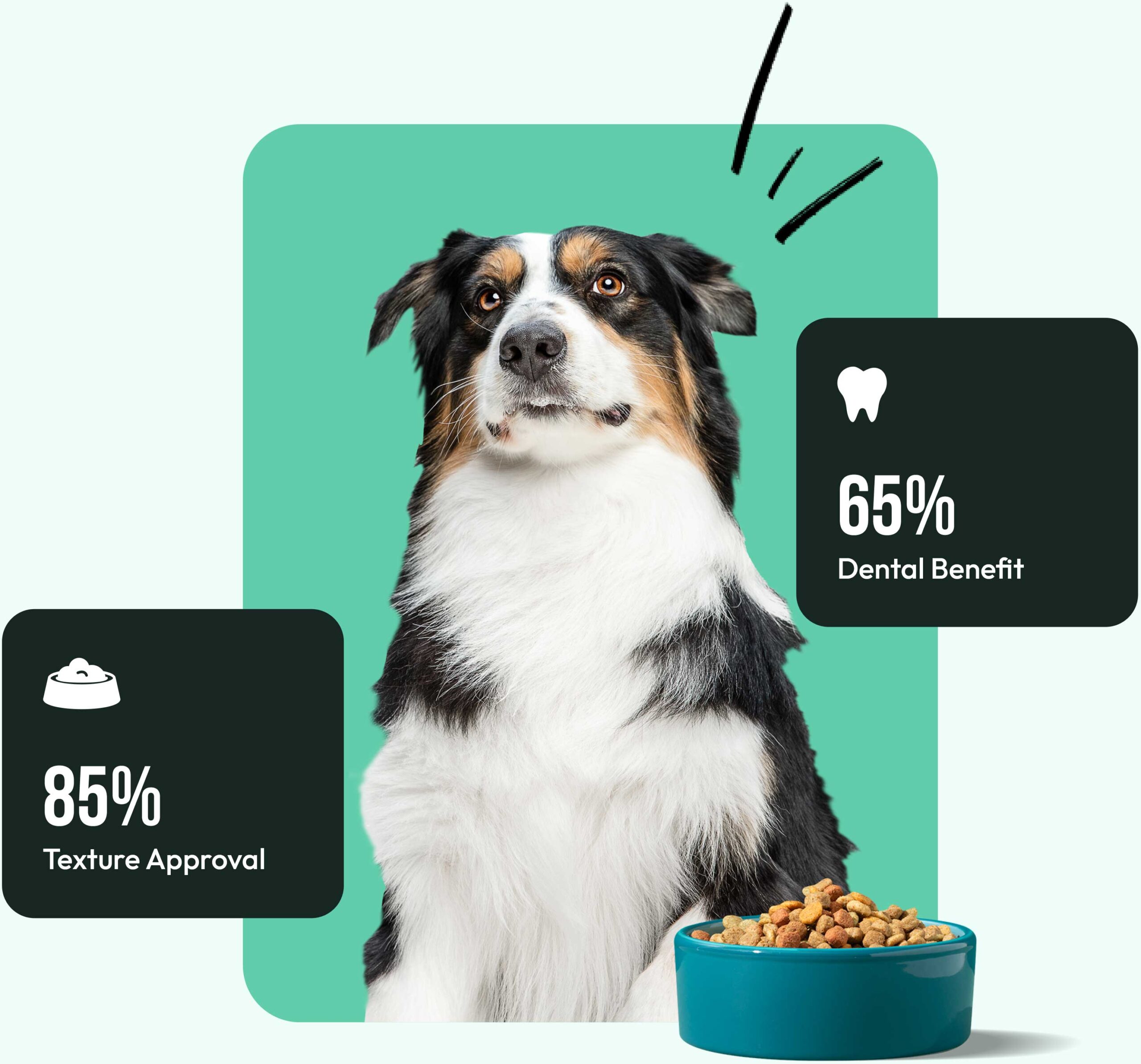
Why Is Home Use Testing Critical for Pet Food Success?
The pet food market has evolved dramatically, with owners now expecting products to deliver on increasingly sophisticated promises about nutrition, health benefits, and ingredient quality. Home use testing helps to validate these claims in real-world conditions where countless variables influence acceptance and satisfaction.
Pet feeding behaviour in homes differs significantly from controlled environments. At home, pets have established routines, preferred feeding locations, and existing flavour preferences shaped by their current diet. Testing in this context reveals whether your product can successfully compete with these established patterns.
Owner perception proves equally important since they are the ones making the purchasing decisions. Home use testing captures their assessment of practical factors like aroma, appearance, ease of serving, and perceived value. It also reveals whether they observe the behavioural and health indicators that suggest their pet is thriving on your product.
Perhaps most importantly, this methodology helps to identify potential issues before market launch. Whether it’s an unexpected digestive response, palatability problems with certain pet demographics, or packaging challenges owners encounter during daily use, early identification allows for corrective action before you make any significant investment in production and marketing.
How Does Pet Food Home Use Testing Actually Work?
Professional pet food research based in a home setting begins with careful recruitment of participants who represent your target market. This involves screening for factors including pet age, breed, size, current diet, health status, and owner demographics to ensure your test panel accurately reflects your intended customer base.
Selected participants typically receive comprehensive instructions about the testing protocol, often including a washout period where pets transition from their current food. This helps to ensure a more accurate assessment of your product rather than reactions to dietary change.
During the test period, owners feed the provided product exclusively according to specified guidelines. They observe and record various aspects of their pet’s response, from initial interest and consumption rate to ongoing acceptance and any changes in behaviour, energy levels, or physical condition.
Data collection methods vary but often include daily diaries, structured questionnaires, and sometimes photographic evidence of consumption patterns. Modern approaches frequently use digital platforms that allow real-time data capture, making it easier for owners to record observations immediately rather than relying on memory.

What Specific Aspects Can Pet Food Testing Evaluate?
Home use testing can assess numerous product attributes that influence both pet acceptance and owner satisfaction. Palatability remains fundamental, but the methodology goes far deeper than simple taste preference.
For instance, consumption patterns reveal important insights about product performance. This includes speed of eating, completeness of consumption, enthusiasm at feeding time, and whether acceptance maintains or changes over multiple days of feeding. These patterns often differ significantly from single-meal palatability tests.
Physical responses also provide crucial feedback about product suitability. Owners can monitor digestive tolerance, stool quality, coat condition, energy levels, and other health indicators that suggest how well pets are responding to the nutritional profile of your product.
Practical performance is another factor that matters enormously to owners. How easily does the product pour or serve? Does it create excessive dust or mess? How does it smell to human noses? Does the packaging reseal effectively? These seemingly minor factors can significantly influence repurchase decisions.
Owner satisfaction metrics then complete the picture. Beyond their pet’s response, how do owners feel about the product? Would they recommend it to other pet owners? How does it compare to their current brand? Understanding these human factors is essential since owners ultimately control purchasing decisions.
What Are the Key Advantages of Home Testing Over Laboratory Methods?
While controlled laboratory testing has its place in pet food development, home use testing offers considerable advantages that make it indispensable for understanding real-world product performance.
Authentic behaviour patterns only emerge in familiar environments. Pets may eat differently when relaxed at home compared to potentially stressful laboratory settings. This natural behaviour provides more accurate insights into how your product will perform once it reaches retail shelves.
Extended feeding periods reveal patterns that single-meal tests miss. Initial acceptance might be high, but does it sustain over a week of exclusive feeding? Home testing captures these temporal dynamics that prove crucial for generating repeat purchases.
Multiple pets in households can also provide valuable comparative data. Many homes have several pets with different preferences, and understanding how your product performs across this diversity helps to identify its market potential and limitations.
Lastly, owner involvement adds a critical dimension that laboratory testing cannot capture. Their observations, preferences, and practical experiences with your product provide insights that directly influence purchasing decisions and brand loyalty.

Transform Your Pet Food Development with Professional Home Use Testing
Understanding how pets and their owners respond to your products in real home environments removes uncertainty from development decisions and significantly increases your chances of creating successful products that generate loyal customers.
At Wirral Sensory Services, we’ve spent decades perfecting pet food research methodologies that deliver actionable insights for brands across the UK and Europe. Our comprehensive home use testing programmes combine rigorous recruitment, carefully designed protocols, and sophisticated analysis to provide the clarity you need for confident decision making.
Our established database includes thousands of pet owners representing diverse demographics, pet types, and feeding preferences. Whether you’re testing dog food, cat food, or speciality pet nutrition products, we can recruit the right participants to provide meaningful feedback about your product’s performance.
From initial concept validation through to final formulation confirmation, our pet food research services help to ensure your products meet the expectations of both pets and their owners.
Ready to discover how your pet food products truly perform in the homes of your target consumers? Contact our experienced team today at +44 (0)151 346 2999 or email info@portfolio-fullstack.site to discuss how professional home use testing can strengthen your product development and support your market success.
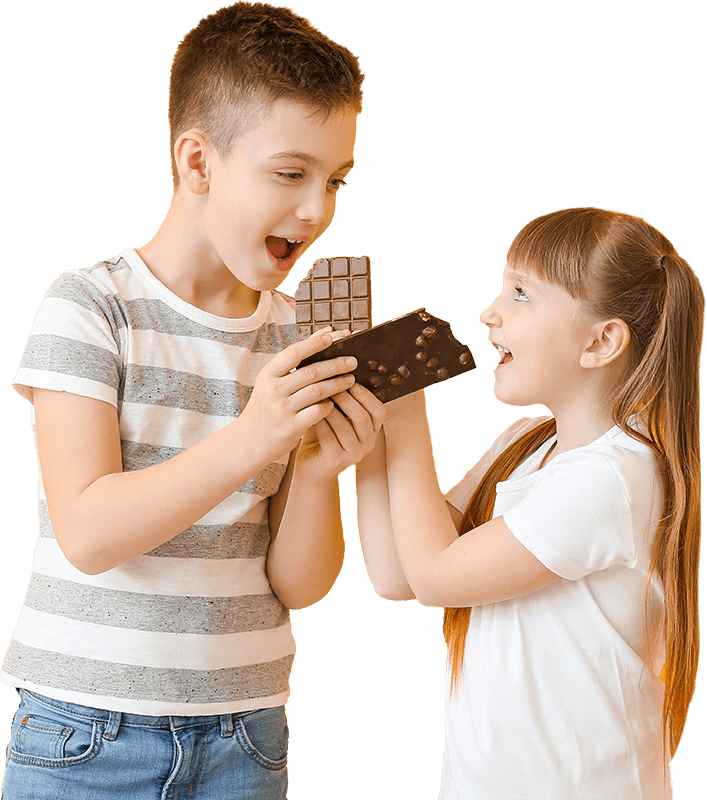
Getting kids to try new foods can feel like an uphill battle for parents. So imagine the challenge facing food manufacturers who need to create products that not only meet nutritional standards but actually end up in lunchboxes rather than bins. That’s where specialised children’s food testing comes in, and it’s a world away from standard adult consumer research.
At Wirral Sensory Services, we’ve been testing children’s products for major supermarkets and brands since 2003. Along the way, we’ve discovered that successfully researching kids’ food preferences requires completely rethinking traditional testing approaches.
The Reality of Food Testing with Young Consumers
Something obvious from the get-go is that asking a five-year-old to rate “mouthfeel complexity” isn’t going to work. Children experience food differently from adults, and their feedback methods need to reflect this reality.
For instance, younger children often struggle to articulate why they like or dislike something beyond “it’s yucky” or “it’s yummy.” That’s perfectly valid feedback, but it means researchers need to dig deeper using age-appropriate techniques.
We’ve found that simplified rating scales using faces or stars work brilliantly, allowing children to express preferences without needing extensive vocabulary.
Something else that sets children apart is their heightened sensitivity to certain flavours and textures. What seems mildly bitter to an adult might be overwhelming to a child. This isn’t fussiness; rather, it’s biology at play. Children have more taste buds than adults, making them genuinely experience flavours more intensely.

Children’s Home Use Testing: Where the Magic Happens
While laboratory testing has its place, there’s something special about observing how children interact with food in their natural habitat: the family kitchen. This is why the majority of our children’s research happens through home use testing.
Think about it. At home, children are relaxed and behaving naturally. They’re eating at their usual times, from familiar plates, often alongside siblings who might influence their choices. You’re seeing authentic reactions rather than performed behaviours.
Parents play a crucial role, too. They observe things researchers might miss, like whether their child asks for seconds or tries to feed the new yoghurt to the dog. These real-world insights prove invaluable for brands trying to create products that work for actual families, not theoretical ones.
Additionally, home testing over several days reveals patterns that single tastings miss. Initial excitement about cartoon packaging might wear off if the product itself doesn’t deliver. Conversely, a product that seems unremarkable at first might become a requested favourite by day three.
Beyond Just Taste Testing: What Really Matters
When testing children’s foods, flavour is obviously important, but it’s rarely the whole story. Successful products need to work on multiple levels.
Texture can make or break a product for young consumers. We’ve seen beautifully flavoured products fail because they were “too slimy” or “too crunchy.” Children often have strong texture preferences that differ significantly from those of adults, and these preferences can vary dramatically by age group.
Visual appeal matters enormously, too. Colour, shape, and size all influence whether children will even try a product. A perfectly nutritious snack might be rejected simply because it looks “weird” to young eyes.
Then there’s the practical side that parents care about. Does the packaging open easily for small hands? Will it survive in a schoolbag? Does it create a mess? These factors might not matter to children directly, but they’re crucial for the adults making purchasing decisions.
Building Trust with Young Testers
Over two decades of children’s testing have taught us that recruitment is everything. You need families who are genuinely engaged with the process, not just looking for free samples.
We’ve built relationships with schools, playgroups, and activity centres across the region. These connections help us recruit diverse groups of children who represent real market demographics. After all, a product that only appeals to one narrow segment is unlikely to achieve broad success.
The key is making participation enjoyable rather than onerous. When children see testing as fun rather than homework, they provide more authentic, enthusiastic feedback. Parents appreciate straightforward questionnaires that don’t add stress to already busy evenings.
Making Complex Products Kid-Friendly
One of our most interesting challenges involves products trying to deliver sophisticated nutrition in kid-friendly formats. How do you make vegetables appealing? How do you reduce sugar whilst maintaining the sweetness children expect?
These questions require careful testing across multiple iterations. What works in theory often fails in practice. We’ve seen products where manufacturers successfully masked vegetable flavours, only to discover children rejected the unusual colour. Or reduced-sugar versions that parents loved but children wouldn’t touch.
The solution usually involves finding the sweet spot where health benefits and child appeal overlap. This might mean accepting that your organic kale smoothie needs some apple juice, or that wholegrain crackers work better in fun shapes. Testing helps identify these compromises before you’ve committed to full production.
The Competitive Reality of the Child Food Product Market
The children’s food market is incredibly competitive. Walking down any supermarket aisle reveals dozens of options competing for attention and lunch money. Standing out requires more than good intentions or clever marketing.
Regular benchmarking against competitor products helps brands understand their position. Are you the healthiest option that children will actually eat? The most convenient for busy mornings? The best value for families on a budget? Testing against market leaders reveals where you excel and where improvement is needed.
This competitive intelligence proves especially valuable when retailers demand evidence that your product deserves shelf space. Being able to demonstrate that children prefer your yoghurt to established brands, backed by robust testing data, opens doors that enthusiasm alone cannot.
Your Next Steps in Children’s Food Testing
Creating successful children’s food products requires understanding both young consumers and their parents. It means acknowledging that children aren’t simply small adults with simpler tastes, but unique consumers with specific needs and preferences.
Professional home use testing provides the insights needed to navigate this complex and nuanced market successfully. Whether you’re developing new products or refining existing ones, understanding how real children respond in real homes makes the difference between products that languish on shelves and those that become lunchbox staples.
At Wirral Sensory Services, we combine decades of experience with genuine enthusiasm for helping brands create products that children love and parents trust. Our established network of testing families and proven methodologies can deliver the insights you need whilst keeping the process manageable and cost-effective.
So, if you’re ready to discover what children really think about your products, contact us at +44 (0)151 346 2999 or email info@portfolio-fullstack.site to explore how professional children’s testing can strengthen your product development and support your success in this vital market.