What Packaging Research Reveals About the Colour of Your Brand’s Products

  1. Home
craft beer

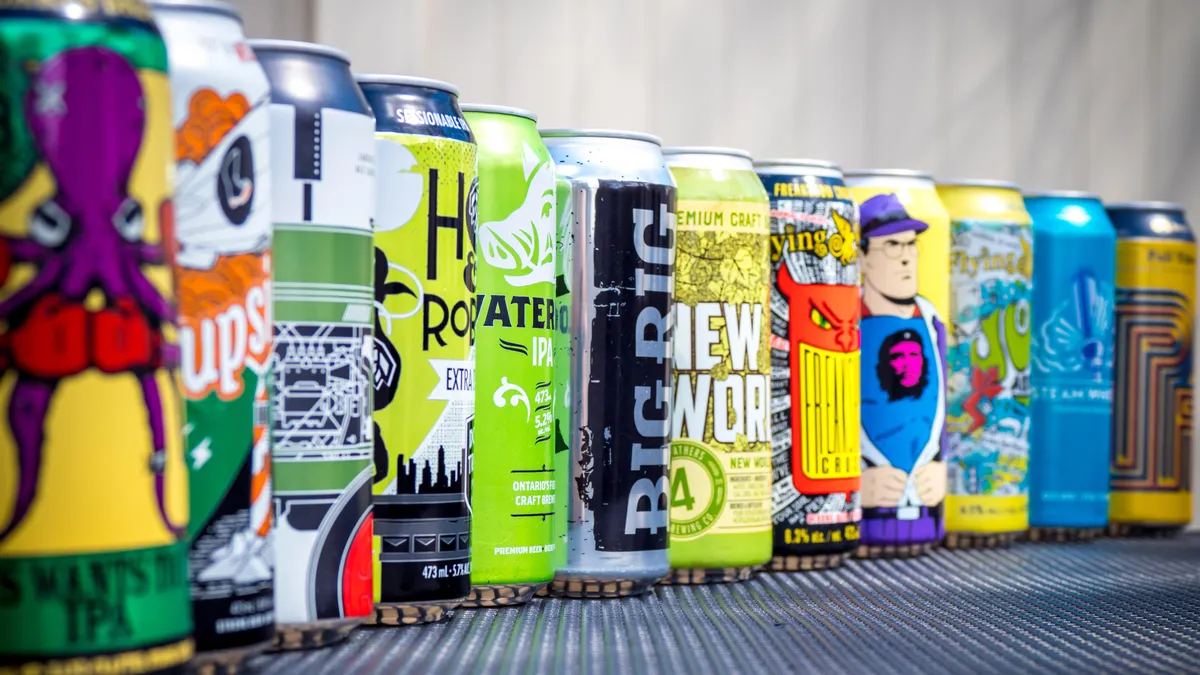
The colour of your packaging plays an integral role in the way consumers perceive your product. In fact, 85% of customers buy products based on colour alone. And yet, many companies overlook the importance of colour in their packaging design.

The colour palette you decide can be the difference-maker in whether or not your product stands out on the shelves. To ensure that potential customers are drawn to your product, it’s vital to consider the psychological effects of colours when designing your packaging.

Below, we’ll explore what consumer research has revealed about the impact of colours on consumers’ purchasing decisions.

The Psychology Behind Packaging Colours

People tend to react differently to different colours. However, there are overriding trends that exist across cultures driven by psychology.

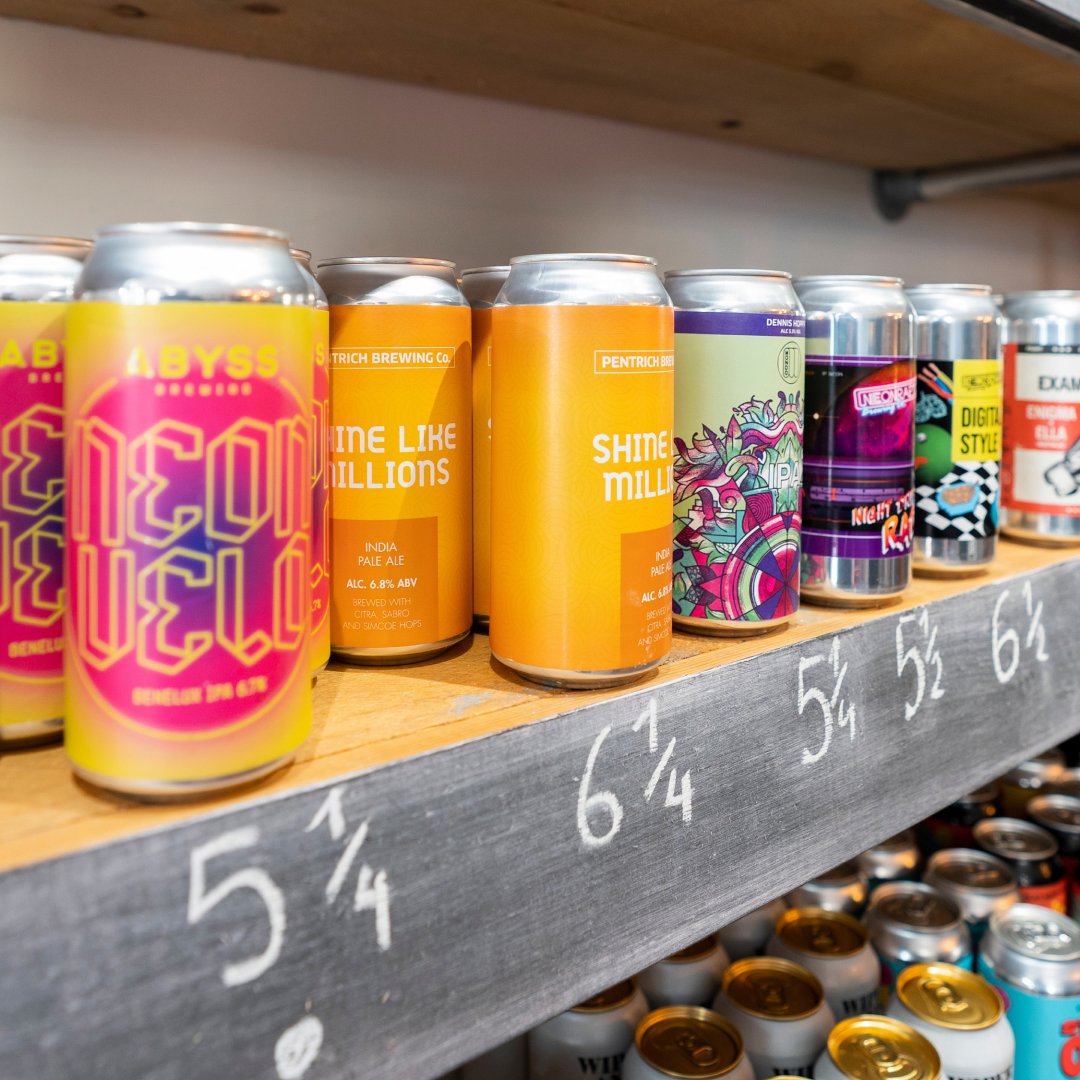
For instance, research has uncovered that brighter colours tend to reduce the seriousness of packaging, grey or brown make the packaging conservative or masculine, pink adds a feminine touch, and red draws attention. Of course, all colours exist on a spectrum, and the shade, strength, and tone of the colour will also affect how it is perceived.

You can also use colours to create a certain mood or feeling. For instance, blue is often seen as trustworthy, green is associated with nature and relaxation, and black can convey sophistication.
Now that we understand the psychological effects of colours, let’s explore how you can use them to increase sales.

Choosing the Right Colours for Your Product’s Packaging

The colours you use on your packaging should be carefully chosen to target your desired audience. Consider the following:

  • Who is your target market?
  • What feeling do you want your product to evoke?
  • What colours does your competition use?
  • How do colours tend to be used in your category or market segment?

Don’t forget that you may also want your colour choices to physically represent your product. For instance, shampoo bottles and drinks products are often the same colour as their flavour (e.g. red for strawberries or green for mint).

You’ll also want to consider how your colours will look when printed on your packaging. For example, white text can be challenging to read on light-coloured packaging. By contrast, if you’re using a white background, make sure the colours you choose will show up clearly and contrast well.

Your packaging colours should also be chosen to complement each other. You’ll want to create a colour palette that is visually appealing and works together to achieve your desired mood or feeling.

Once you’ve considered these factors, you can begin to narrow down your choices. If you’re still unsure which colours to use, consider contacting a consumer research company with experience in this area.
craft beer packaging research

Final Thoughts on the Impact of Colours in Packaging

The colours you use on your product’s packaging can significantly impact consumer perception. When choosing colours for your packaging, it’s important to consider the psychological effects of colours as well as the current trends in your industry. It’s also crucial to ensure that your colours work well together and complement each other.

If you’re a startup brand or an established market force looking to test and trail packaging ideas, speak to us about how we can help.

At WSS, we understand the importance of colours in packaging design. We can help you create packaging research projects that will test your hypotheses and deliver the insights you need to make informed decisions about your product’s packaging.

From choosing colours that attract the most attention on supermarket shelves to those that convey the right message about your product, we can design and execute packaging research and focus group studies that will help you achieve your desired objectives.

To learn more about how we can help, contact us today on +44 (0)151 346 2999 or via email at info@wssintl.com.

What Are Some of the Most Common Sensory Testing Methodologies?

  1. Home
sensory testing beer

Sensory testing plays a vital role in the development of food products. It helps ensure that products are appealing to consumers and that they contain many of the traits of current market leaders.

There are many different sensory testing methodologies available to test the sensory differences between products, each with its own advantages and disadvantages. However, three principal sensory tests are commonly used in the food industry to better understand product differences. Below is an overview of each of these sensory difference testing methodologies.

The Paired Comparison Test

Undoubtedly one of the most prevalent sensory difference tests, the paired comparison test, is used to indicate which of the two samples has more of an attribute.

This test is the most straightforward and quick to administer, which is why it is so popular. It is, however, limited in that it can only compare two products at a time, and it doesn’t provide a measurement of the degree to which one product is preferred over the other.

The Triangle Test

Triangle tests determine whether detectable sensory differences exist between two products. These tests are most commonly used for reformulated products when brands want to understand whether the new product is significantly different from the old one.

The triangle test involves presenting subjects with three products, two of which are identical and one which is different. The subjects are then asked to identify the odd-one-out.

If the subjects can correctly identify the different products more than would be expected by chance, then it can be concluded that there are detectable sensory differences between the two products.

One of the reasons the triangle test is preferred to other options, such as the paired comparison test, is that it’s more statistically significant, as there is less probability of choosing a correct result by simply hazarding a guess.

The Duo-Trio Test

Another popular choice for sensory difference testing is the duo-trio test. Using this methodology, a tester is asked to identify which of any given samples are identical to a given reference sample.

Not only is the test easily carried out and understood, but it’s particularly well suited to testing how ingredient changes, process changes, and different packaging materials affect the taste, smell, or texture of a product.

This test is often used as a follow-up to the triangle test to help understand which specific attributes are responsible for product differences.

Speak to Wirral Sensory Services Today Regarding Your Sensory Testing Requirements

When choosing a sensory testing methodology, it is essential to consider the objectives of the test and the type of product being tested. Each of the methodologies listed above has its own strengths, statistical significance, and suitability parameters, so it is vital to select the best suited for the particular product and situation.

At Wirral Sensory Services, we have a team of sensory experts who can advise you on the best testing methodology for your needs. We offer various services, from product optimisation and concept testing to sensory research and in-home use tests, for many leading brands and businesses in the food and beverage industry.

For more information or to discuss your sensory research requirements, please get in touch with us today.

How Sensory Testing Helps in the Development of Plant-Based Food Products

  1. Home
sensory testing plant based food

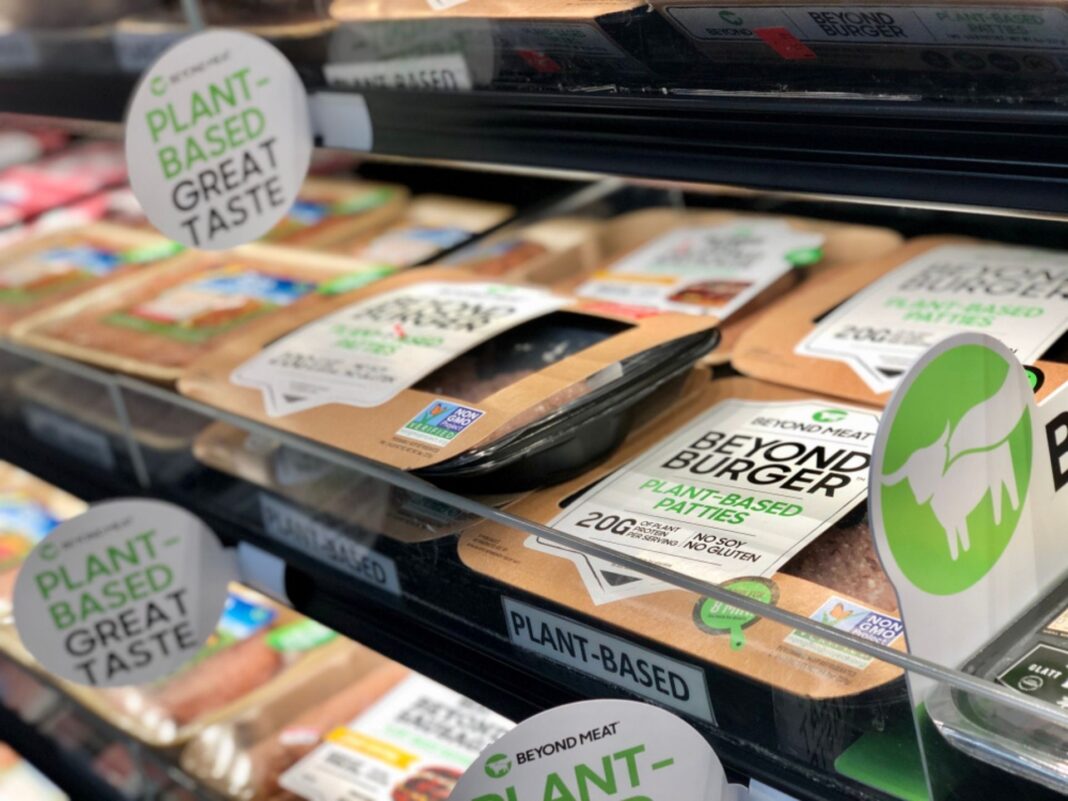
With a 30-fold increase in the number of vegans over the last 15 years, food brands are now in a race to tap into this ever-growing market. And while there’s been an explosion of plant-based products, from vegan cheese to plant-based meat, the development of plant-based foods replicating the full range of textures and flavours that we associate with animal-based foods is still lacking.

Texture is an important factor in determining the consumer acceptability of a plant-based product, as is smell and taste. In the case of plant-based foods, these sensory properties are often different from their animal-based counterparts.

However, with in-depth sensory testing, brands can establish what consumers do and don’t like about a product and work to improve the formulation to better match consumer expectations.

What Are The Challenges Currently Facing Plant-Based Food Brands?

The primary problem facing producers of products such as vegan cheese and meat products (such as vegan burgers) is that the final product often doesn’t have the same appearance, taste, or texture as the animal-based food it’s trying to imitate.

This can be a particular issue with vegan cheese, which often has a different colour, consistency, and mouthfeel than traditional dairy cheese. The same is true of plant-based meat products, which often lack the juiciness, tenderness, and chewiness that consumers expect from meat.

As a result of these issues, many plant-based products fail to live up to the expectations of consumers, who are often disappointed with the final product, leading to poor sales figures and, in some cases, products being pulled from store shelves altogether.
plant based food

So, How Can Sensory Testing Help?

In-depth sensory testing can help plant-based food brands understand the textures, flavours, and aromas that consumers associate with a particular animal-based food and develop a product that more closely matches these consumer expectations.

This specific kind of testing often goes beyond simply asking consumers whether they like or dislike a product. Instead, it uses trained sensory panellists to evaluate the product in detail, looking at factors such as the flavour and texture profile.

This kind of information is invaluable for brands, as it can help them to improve the formulation of their products to better match consumer expectations, leading to improved sales and customer acceptance.

Brands utilising methodologies including product optimisation can also use current market leaders in plant-based categories as benchmarks, understanding in detail what consumers like and don’t like about these products, and using this information to improve their own formulations.

Partner With an Industry-Leading Sensory Research Firm to Create Better Plant-Based Foods

With a growing consumer trend toward lower meat consumption and an ever-increasing number of people following plant-based diets, there’s a clear opportunity for brands to tap into this market.

However, it’s crucial for brands to ensure that their products match consumer expectations in terms of taste, texture, and aroma, as many plant-based products currently on the market fail to achieve widespread consumer acceptance.

In-depth sensory studies can help brands understand what consumers want from plant-based foods, and develop products that better match these expectations. If you’re looking to develop a new plant-based food or want to further develop your existing range, partner with an experienced sensory research firm to ensure that your products are the best they can be.

At WSS, we have over 25 years’ experience conducting sensory research for leading food and drink brands. Our expert panellists are adept at evaluating plant-based products in detail, providing invaluable insights that can help you improve your formulation and better match consumer expectations.

To find out more about our services, or to discuss your requirements with one of our team, get in touch today on +44 (0)151 346 2999 or via email at info@wssintl.com.

5 Tips for Conducting Consumer Research with Children and Young People

  1. Home
consumer research children

Plenty of home, food, and beverage products focus almost exclusively on the under-18 market. Items, including yoghurts, cereals, and toys, are all heavily advertised to children, so it’s no surprise that companies want to know what young consumers think about their products and how to make them even better.

However, conducting consumer research with children can be challenging, as they may not have the verbal skills to communicate their thoughts. There are also numerous specialist considerations, such as parental consent, to take into account.

With that in mind, here are our top tips for conducting consumer research with children ethically, efficiently, and accurately.

1. Create an Appropriate and Relaxed Environment

This is important for all consumer research, but it’s especially crucial when working with children. They may be easily distracted or put off by a formal atmosphere, so try to create a relaxed setting in which they feel comfortable expressing themselves.

Conducting research in their own home is often the best option, as they’ll be more comfortable there, and it will be easier to keep them engaged. If this isn’t possible, consider visiting them in their school or another familiar or unthreatening location.

Regarding the research itself, start with ice-breaker tasks that ease them into the process and make it fun. This could be something as simple as asking them to draw a picture of their favourite product.

2. Choose the Correct Research Methodology

You can conduct qualitative market research with children and young people in several ways. Focus groups are undoubtedly one of the most popular choices as they provide a positive and friendly environment for kids to express their opinions and build on each other’s ideas.

In-depth interviews can also be effective, although you may need to adapt your questioning style to suit a younger audience. For example, use closed questions that can be answered with a simple ‘yes’ or ‘no’ rather than open-ended ones that require a long explanation.

Lastly, in-home use tests are probably the best option to observe how children interact with a product in a natural setting. Not only will this provide you with valuable insights, but it will also save you time and money as you won’t need to hire a separate research facility.

3. Obtain Consent from a Parent or Guardian

Of course, when working with children, obtaining consent from a parent or guardian is essential before starting the research process. This is usually done in the form of a signed letter, consent form, or an email response, although you may also be able to get verbal consent depending on the project.

In some cases, other legal guardians, such as a headteacher, can consent if you’re conducting research in a school setting. That said, it’s always best to let the parents or guardians know first to ensure they’re happy for you to proceed.

4. Choose the Right Moderator

When it comes to conducting research with young children, in many cases, the research is only as strong as the moderator. That’s why you’ll need to take your time over who you choose for the job, as they’ll play a pivotal role in ensuring the research is a success.

The ideal candidate will have plenty of experience working with children, as they’ll know how to keep them engaged and get the most out of them. They should also be patient, flexible, and able to quickly develop a rapport with kids.

5. Think Like a Child

To keep children engaged and get the most out of your consumer research, you need to think like a child. Put yourself in their shoes and consider what would interest and excite them.

This means making the research fun and engaging while keeping the tasks short and simple. You should also avoid using jargon or long words, as children will likely get confused and lose interest.

consumer research kids

Get the Most Out of Your Children’s Product Testing Research with Wirral Sensory Services

By following these tips, you can be sure to conduct consumer research with children that is both fun for them and informative for your brand. If you need any help or advice, don’t hesitate to get in touch with the team at Wirral Sensory Services.

We have years of experience conducting consumer research with children of all ages and can tailor our services to suit your specific needs. No matter the requirements of your specific research project, we can provide solutions that give you the insights you need to make informed decisions about your brand.

Contact us today to learn more about our children’s testing and market research services.