
Product development teams often treat research as a series of isolated checkpoints rather than an integrated system that guides decisions from concept through to launch. This fragmented approach leads to products that perform adequately on individual metrics but fail to deliver the cohesive sensory experience that drives consumer preference and repeat purchase.
Sensory research provides the connecting thread that links formulation decisions to consumer outcomes, ensuring every choice you make during development serves the goal of creating products people genuinely want to buy again.
The distinction between products that achieve modest acceptance and those that build lasting market positions frequently comes down to how well their sensory attributes align with what consumers actually experience when they use them.
Sensory research delivers that alignment by measuring, analysing, and interpreting how people respond to your product through sight, smell, taste, touch, and even sound, then translating those responses into actionable guidance for your development team.
What Sensory Research Reveals That Other Methods Cannot
The value of sensory research lies in its ability to generate both objective measurement and subjective preference data, depending on which questions you need to answer.
This dual capability addresses different aspects of product performance:
- Trained panel assessments provide objective, reproducible measurements of specific sensory attributes such as sweetness intensity, texture firmness, or aroma strength
- Consumer perception studies capture how your target market experiences those attributes and which combinations drive preference
- Correlation analysis connects objective measurements to subjective responses, showing you exactly which attributes to adjust and by how much
- Competitive profiling reveals how your sensory characteristics compare to established products in your category
- Quality consistency monitoring tracks whether production batches deliver the sensory profile your consumers expect
This combination of objective and subjective data creates a complete picture that neither approach alone can provide. You understand not just what consumers prefer, but precisely which product characteristics create that preference.
How Sensory Research Integrates Across Your Development Process
Many brands make the mistake of treating sensory evaluation as a final validation step, checking whether a finished formulation meets acceptable standards before committing to production.
This approach captures only a fraction of the value sensory research can deliver, because the real advantage comes from integrating sensory intelligence throughout development rather than applying it as a pass-fail gate at the end.
Early Stage Concept and Formulation Guidance
During initial development, sensory research helps you establish targets based on market expectations rather than internal assumptions. By profiling successful products in your category, you can identify the sensory benchmarks your formulation needs to meet or exceed. This prevents the common problem of developing products that your team considers excellent but that fall outside the range consumers expect from the category.
Early sensory work also helps you prioritise which attributes matter most for your specific positioning. A premium product might need to exceed category norms on richness and complexity, whilst a health-focused variant might prioritise clean taste and reduced aftertaste. Understanding these priorities from the start focuses your formulation efforts on the dimensions that will actually influence purchase decisions.
Pre-Launch Optimisation and Validation
As your product approaches final formulation, sensory research shifts toward optimisation and validation. This stage often involves testing variants to identify which combination of attributes maximises consumer acceptance, and then confirming that your chosen formulation performs as expected against both internal standards and competitive alternatives.
The pre-launch phase is also where sensory research connects to commercial activities beyond product development. Data from this stage can support product claims for marketing, provide evidence for retailer presentations, and establish quality benchmarks for ongoing production monitoring.

The Financial Logic Behind Investing in Sensory Research
Product development represents substantial investment, and launch failures destroy that investment almost entirely. Industry data consistently shows that the majority of new products in the UK grocery sector fail within their first year, representing significant wasted resources in development, production, and marketing.
Sensory research reduces this failure rate by identifying problems whilst corrections remain affordable and by ensuring products meet consumer expectations before you commit to full production.
Beyond failure prevention, sensory research improves the performance of products that do succeed. Formulations optimised through rigorous sensory work typically achieve higher acceptance scores, stronger repeat purchase rates, and better word-of-mouth effects than products developed through less systematic approaches. These benefits compound over time, making the initial research investment one of the highest-return activities available within product development.
The cost comparison also favours upfront sensory investment when you consider the alternative. Post-launch reformulation requires not just the expense of new development work, but also manufacturing adjustments, packaging redesigns, retailer negotiations, and marketing to reintroduce your changed product. Comprehensive pre-launch sensory research represents a fraction of these post-launch correction costs whilst delivering better outcomes.
Building Sensory Research Into Your Product Development Approach
Sensory research delivers maximum value when it becomes a standard component of how you develop products rather than an occasional addition when budgets allow. The brands that consistently launch successful products tend to integrate sensory evaluation as a core capability that informs decisions at every stage, from initial concept screening through to ongoing quality monitoring.
At Wirral Sensory Services, we have been helping brands build this integrated approach for nearly three decades. Our trained sensory panels provide objective measurement capabilities, whilst our consumer research expertise captures preference data from your target market. Whether you need to understand how your products compare to competitors, optimise formulations for maximum acceptance, or establish quality standards for production consistency, our experienced team can design research programmes tailored to your specific objectives.
If you want to discuss how sensory research can strengthen your product development process, call us on +44 (0)151 346 2999 or email the teams at info@portfolio-fullstack.site.
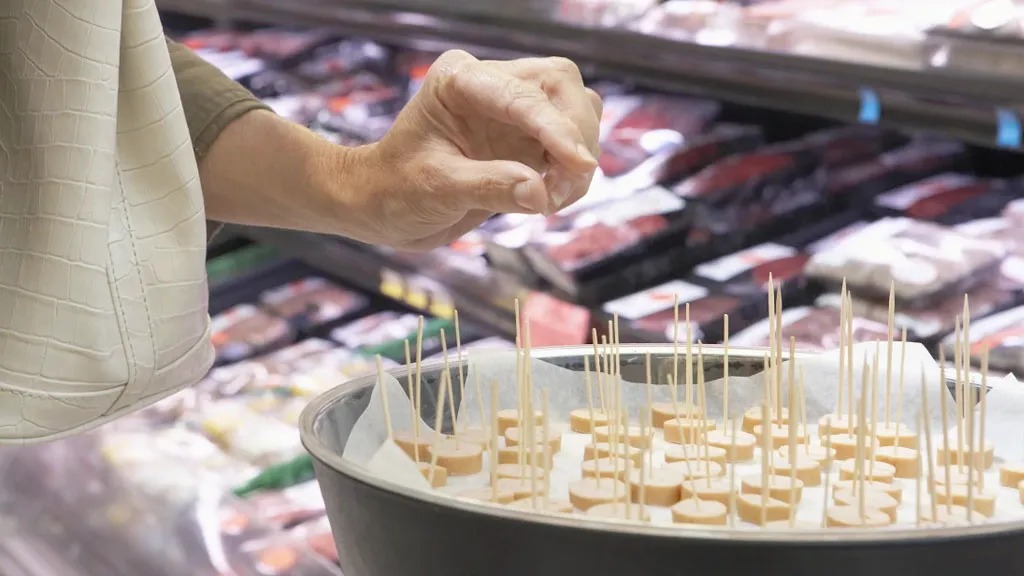
Every product decision carries risk. Whether you are launching something new, refining an existing formulation, or trying to understand why a competitor is gaining ground, the choices you make depend on assumptions about what consumers will actually prefer.
Central location testing offers a structured way to replace those assumptions with evidence, but only if the research is designed around the questions that genuinely matter to your business.
The challenge for many product teams is understanding where CLT fits alongside other research approaches and what it can realistically deliver. Getting that clarity before you commit budget and resources means your investment generates insights you can act on, rather than data that confirms what you already believed without advancing your decisions.
How Central Location Testing Creates Commercial Value
The value of CLT extends beyond gathering opinions. When structured correctly, it provides evidence that shapes product development, informs competitive strategy, and reduces the likelihood of costly post-launch corrections. Understanding what CLT does well helps you decide whether it is the right approach for your specific objectives.
Why Controlled Testing Environments Produce Reliable Data
The controlled setting that defines CLT is not simply a matter of convenience. By standardising product presentation, serving conditions, and the testing environment, you eliminate variables that might otherwise distort your findings. Every participant experiences the product under identical conditions, which means differences in response reflect genuine preferences rather than inconsistencies in how the product was encountered.
This standardisation matters most when you need to compare multiple variants or benchmark against competitors. Small differences in preparation, temperature, or presentation can shift perception significantly, and CLT methodologies control for these factors in ways that other approaches cannot match.
What Real-Time Observation Reveals That Surveys Cannot
One of CLT’s distinctive strengths is the ability to capture reactions as they happen. Researchers observe facial expressions, body language, and spontaneous comments alongside structured responses, surfacing insights that participants might not articulate in a written questionnaire.
This observational dimension is particularly valuable for sensory evaluation, where initial reactions often carry more diagnostic weight than considered responses provided after reflection. A moment of hesitation, a subtle expression of displeasure, or unexpected enthusiasm at first taste can reveal product issues or strengths that delayed feedback would miss entirely.
When Speed and Efficiency Matter for Development Timelines
Product development rarely operates without time pressure. CLT compresses the feedback cycle considerably compared to methods that require extended in-home use periods. Testing can often be completed in days rather than weeks, delivering actionable insights while decisions remain open and adjustments remain affordable.
This speed advantage makes CLT particularly useful during active development phases, when you need rapid feedback on formulation changes or variant comparisons to keep momentum without waiting for prolonged testing periods.
Choosing the Right Central Location Testing Approach
Not all CLT studies follow the same methodology, and selecting the wrong approach produces findings that do not address your actual questions. Several established CLT formats serve different objectives, and understanding the distinctions helps you design research that delivers relevant insights.
The paired comparison test works well when you need to understand how two specific products perform against each other, presenting both simultaneously and asking participants to evaluate them against standardised criteria. The sequential monadic approach addresses the tendency for consumers to exaggerate differences when comparing products side by side, having them evaluate each product individually before making comparative judgements. The repeat paired comparison test uses repetition to separate genuine preference from initial reactions that might be influenced by factors like packaging rather than product quality.
Each methodology suits particular research questions, and the right choice depends on whether you are validating a single formulation, comparing variants, or benchmarking against competitors.
What Limits Central Location Testing Effectiveness
CLT is powerful, but it is not without constraints. Understanding the challenges inherent to this approach helps you design studies that minimise their impact and interpret findings appropriately.
Several factors can affect the reliability of CLT results. Participants may give responses they believe are socially acceptable rather than expressing genuine opinions. The awareness of being observed can subtly alter behaviour in ways that would not occur during normal product use. Interviewers, even unintentionally, can influence responses through leading questions or non-verbal cues. Recruiting sufficient participants who genuinely represent your target market can prove difficult depending on location and demographic requirements.
These challenges do not invalidate CLT as a methodology, but they do require experienced management. Trained interviewers, careful study design, and appropriate recruitment strategies mitigate most of these risks when the research is handled by teams who understand where problems can emerge.
Central Location Testing and Home Use Testing: Different Questions, Different Methods
Understanding when CLT is the right choice often means understanding when it is not. Home use testing serves different research objectives, and many product development programmes benefit from using both approaches at different stages.
CLT excels at capturing immediate reactions, comparing products under controlled conditions, and gathering feedback quickly. It works well for sensory evaluation, packaging assessment, and preference testing where the controlled environment strengthens rather than limits the findings. Home use testing, by contrast, reveals how products perform over extended use in real household contexts, capturing the practical experience of living with a product over days or weeks that CLT cannot replicate.
The methodologies are complementary rather than competing. A product might perform strongly in CLT sensory evaluation but reveal problems during extended home use, or vice versa. Knowing what each approach can and cannot tell you helps you sequence research effectively and avoid drawing conclusions that exceed what the methodology actually supports.
Making Central Location Testing Work for Your Product Objectives
CLT delivers the most value when the research design aligns tightly with your commercial questions. Before commissioning any study, clarity about what you actually need to learn shapes everything from location selection and participant recruitment to the specific tests conducted and how findings will inform decisions.
At Wirral Sensory Services, we have been conducting central location testing for leading food, beverage, and household product brands for over two decades. Our experienced researchers help clients select the right methodology, manage recruitment and testing to minimise bias, and translate findings into actionable recommendations that improve products and strengthen market positioning.
If you are considering central location testing for a new product, a reformulation, or competitive benchmarking, call us on +44 (0)151 346 2999 or email info@portfolio-fullstack.site to discuss how we can design research around your specific objectives.
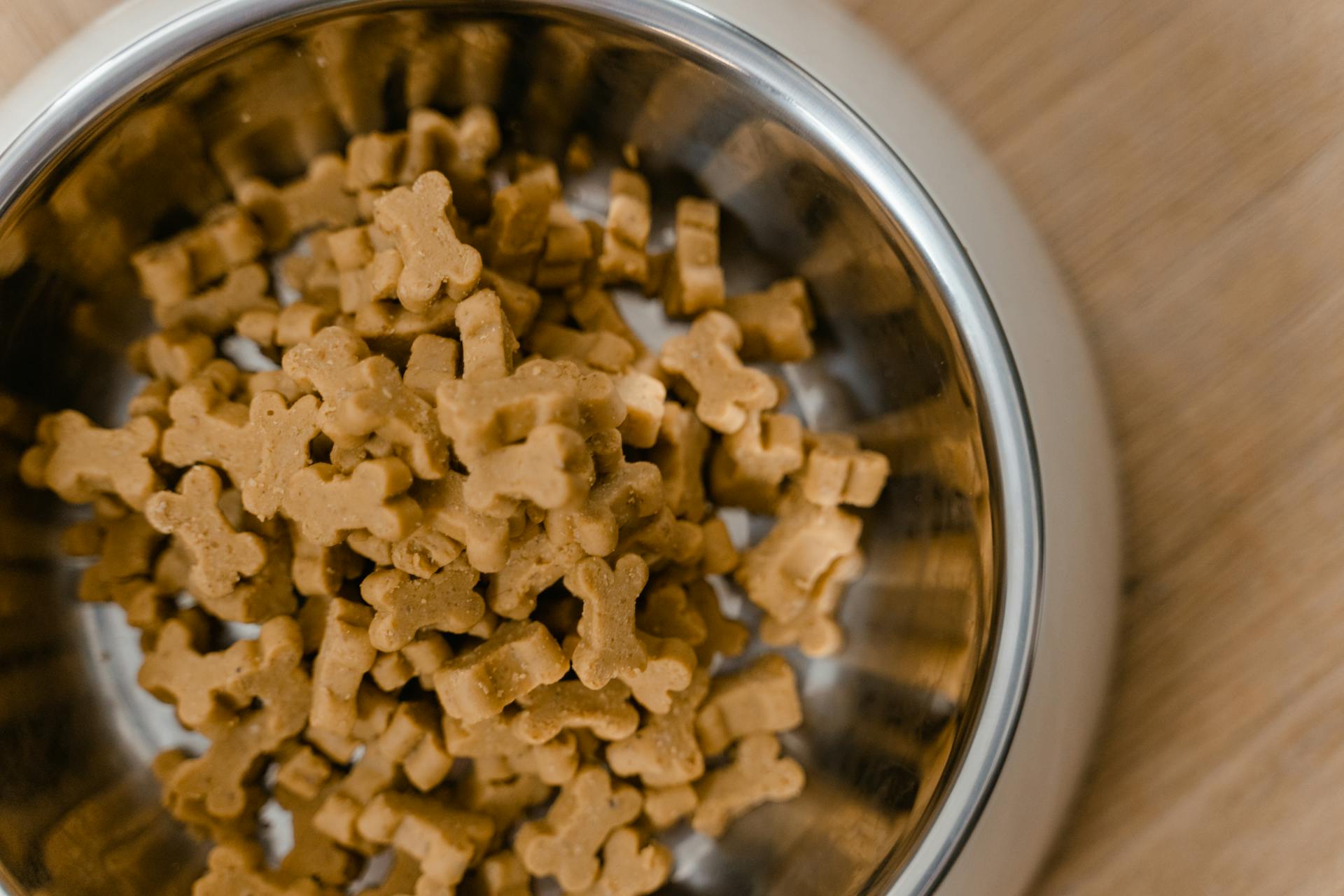
 Your formulation team has spent months developing a recipe they believe will outperform everything on the market. Nutritional profiles look strong, ingredient sourcing is sorted, and production costs work within your margins. The only question that remains is whether pets will actually eat it, and whether their owners will buy it twice.
That gap between internal confidence and market reality is where pet food research proves its value. Without structured feedback from real pets and real owners, you are essentially guessing about the factors that will determine whether your product succeeds or quietly disappears from shelves after a disappointing launch.
Your formulation team has spent months developing a recipe they believe will outperform everything on the market. Nutritional profiles look strong, ingredient sourcing is sorted, and production costs work within your margins. The only question that remains is whether pets will actually eat it, and whether their owners will buy it twice.
That gap between internal confidence and market reality is where pet food research proves its value. Without structured feedback from real pets and real owners, you are essentially guessing about the factors that will determine whether your product succeeds or quietly disappears from shelves after a disappointing launch.
Why Pet Food Development Requires a Different Research Approach
Pet food sits in a unique position compared to other consumer products, because the end user cannot tell you what they think. You are relying on behavioural signals from animals and perceptions from owners who are making purchasing decisions on their pet’s behalf. This creates a research challenge that standard consumer testing methodologies struggle to address.
Owners watch their pets closely during feeding, and they form judgements quickly about whether a product is working. They notice enthusiasm at the bowl, changes in energy levels, coat condition, and digestive comfort. These observations drive repurchase decisions more powerfully than any marketing claim, which means your research needs to capture them systematically rather than hoping positive outcomes emerge naturally once the product reaches market.
The emotional dimension adds another layer of complexity. Pet owners increasingly treat their animals as family members, and they feel genuine responsibility for the food choices they make. When research helps you understand how owners perceive your product alongside how pets respond to it, you can develop offerings that satisfy both audiences simultaneously.
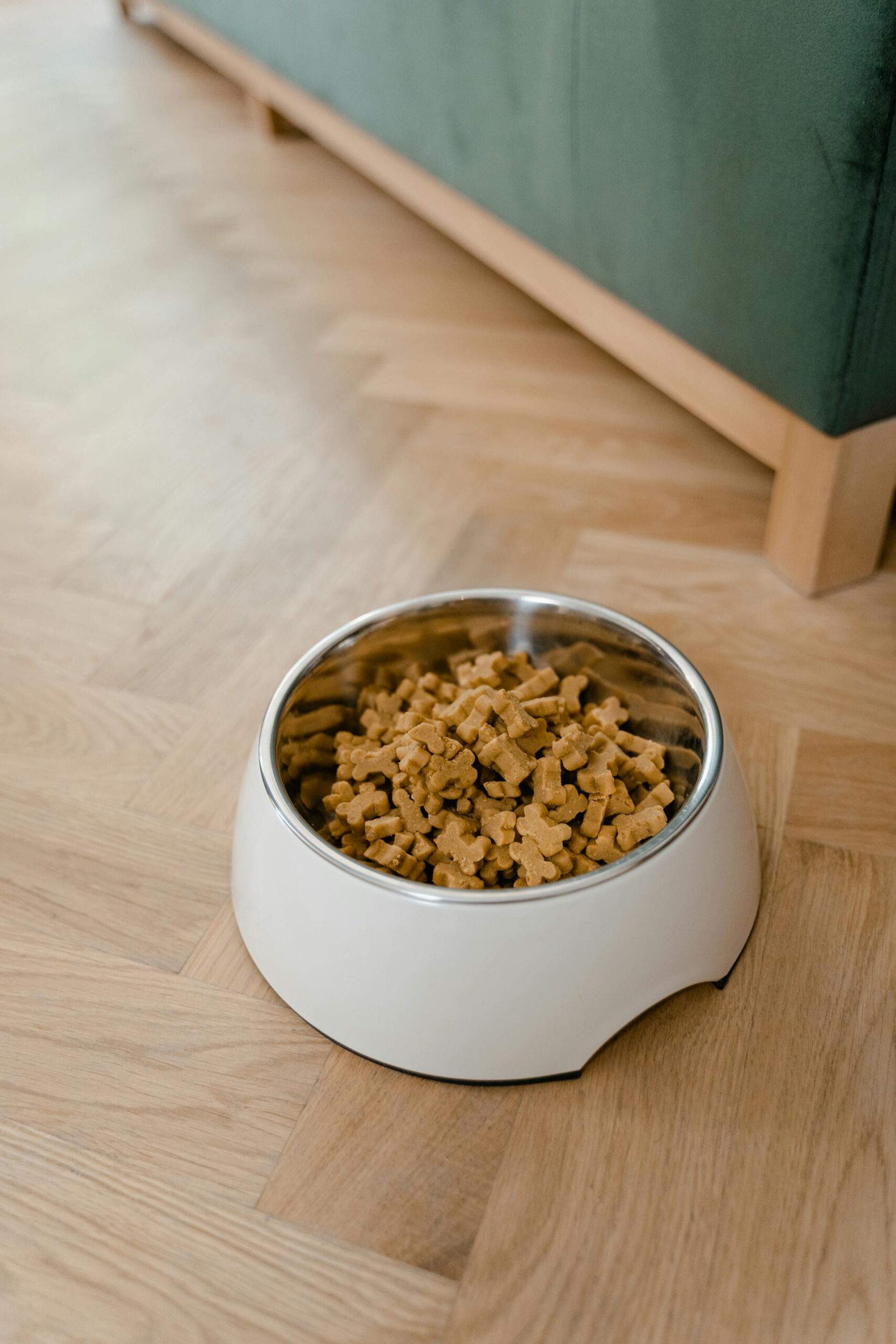
What Pet Food Research Can Reveal About Product Performance
Understanding the specific insights that research generates helps you design studies that answer the questions most relevant to your commercial objectives.
Palatability Patterns That Predict Repeat Purchase
Initial acceptance tells you something, but sustained consumption across multiple meals tells you considerably more. Research conducted over several days can separate novelty-driven enthusiasm from genuine preference, showing you whether pets maintain interest once the newness wears off. Home use testing captures these temporal patterns in ways that single-meal assessments cannot replicate.
Owner Perceptions That Influence Brand Loyalty
The practical experience of feeding your product matters enormously to ongoing loyalty. Owners notice aroma, mess, serving convenience, and packaging functionality every time they prepare a meal, and negative experiences on these dimensions can override positive pet responses. Research that gathers owner feedback alongside pet acceptance data gives you a complete picture of how your product performs in real households.
Competitive Positioning Through Benchmarking
Knowing that pets like your product is useful, but knowing they prefer it over the market leader is commercially powerful. Product benchmarking studies that test your formulation against competitors under blind conditions reveal exactly where you stand and provide evidence you can use in retailer conversations and marketing claims.

Building Pet Food Research Into Your Development Process
The brands that consistently launch successful pet food products tend to integrate research throughout development rather than treating it as a final validation step. This approach identifies problems early, when corrections remain affordable, rather than late, when options become limited and expensive.
Well-executed pet food research can inform decisions at different stages:
- Concept screening before full development helps you understand which directions resonate with owners and warrant further investment
- Formulation testing during recipe development reveals whether adjustments improve or reduce acceptance before you commit to final specifications
- Pre-launch validation confirms that your finished product performs as expected against both internal benchmarks and competitor offerings
- Post-launch monitoring tracks whether real-world performance matches research predictions and identifies any emerging issues
This continuous approach transforms research from a cost into a strategic tool that reduces risk and improves decision confidence at every stage.
Turning Pet Food Research Into Commercial Advantage
The pet food market rewards brands that understand both the pets consuming their products and the owners making purchasing decisions. Research generates that understanding in ways that assumption and internal opinion cannot match, providing evidence that supports better formulation choices, stronger retailer pitches, and more confident launch decisions.
At Wirral Sensory Services, we have been helping pet food brands navigate these research challenges for nearly three decades. Our methodologies combine rigorous recruitment, structured feedback capture, and comprehensive analysis to deliver insights you can act on with confidence.
Whether you are developing new products, reformulating existing lines, or seeking to understand your competitive position, our experienced team can design research programmes tailored to your specific objectives.
If you want to discuss how pet food research can support your development goals, call us on +44 (0)151 346 2999 or email info@portfolio-fullstack.site.