Why Taste is So Vital for Food Products

  1. Home
taste testing

Did you know that of 12,000 food product launches across Europe, 76% fail to retain their listing after 12 months? Worse, as many as two-thirds even fail to reach the milestone of 10,000 units sold. If you’re in the final stages of launching a new product or revamping an existing one, those statistics make brutal reading.

So what’s the secret to success? As it turns out, taste. How a product tastes is often enough to determine the success or failure of a product alone, as we shall now explain.

Taste is the Most Important Element of Purchasing Decisions

While it’s true that other elements help consumers pick products up off the shelf, how a food product tastes is the most critical evaluation criteria when it comes to making a purchase.

According to a recent survey carried out by the International Food Information Council Foundation, 88% of customers stated taste as their primary reason for buying a product. That was far and above price (70%), how healthy it was (60%), convenience (52%), and environmental sustainability (34%).

Thus, despite all the factors that go into a purchasing decision, taste is still the key criterion and should be factored into any decision to launch a product commercially.

Great Taste Drives Customer Loyalty

As much as 85% of household shopping is derived from repeat purchases. Thus, if your product tastes great, the chances are consumers who loved it the first time around will purchase it again and again.

Research suggests you need a customer to buy your product a total of eight times before it becomes a routine or ingrained behaviour when grocery shopping. Unless your product tastes great the first time around, you won’t even make it to the second purchase.

It also emphasises the importance of quality control, ensuring your product tastes great wherever and whenever they are sold. In fact, between the trial purchase and the first repeat purchase, a brand will lose approximately half of its buyers. To stand any chance of success, that second encounter has to be every bit as delicious as the first.

Poor Taste Can Wreak Havoc on a Brand

While all kinds of factors could lead a brand into trouble, taste is still king in the food and beverage industry. Bad taste often leads to disaster, no matter how big your company might be.

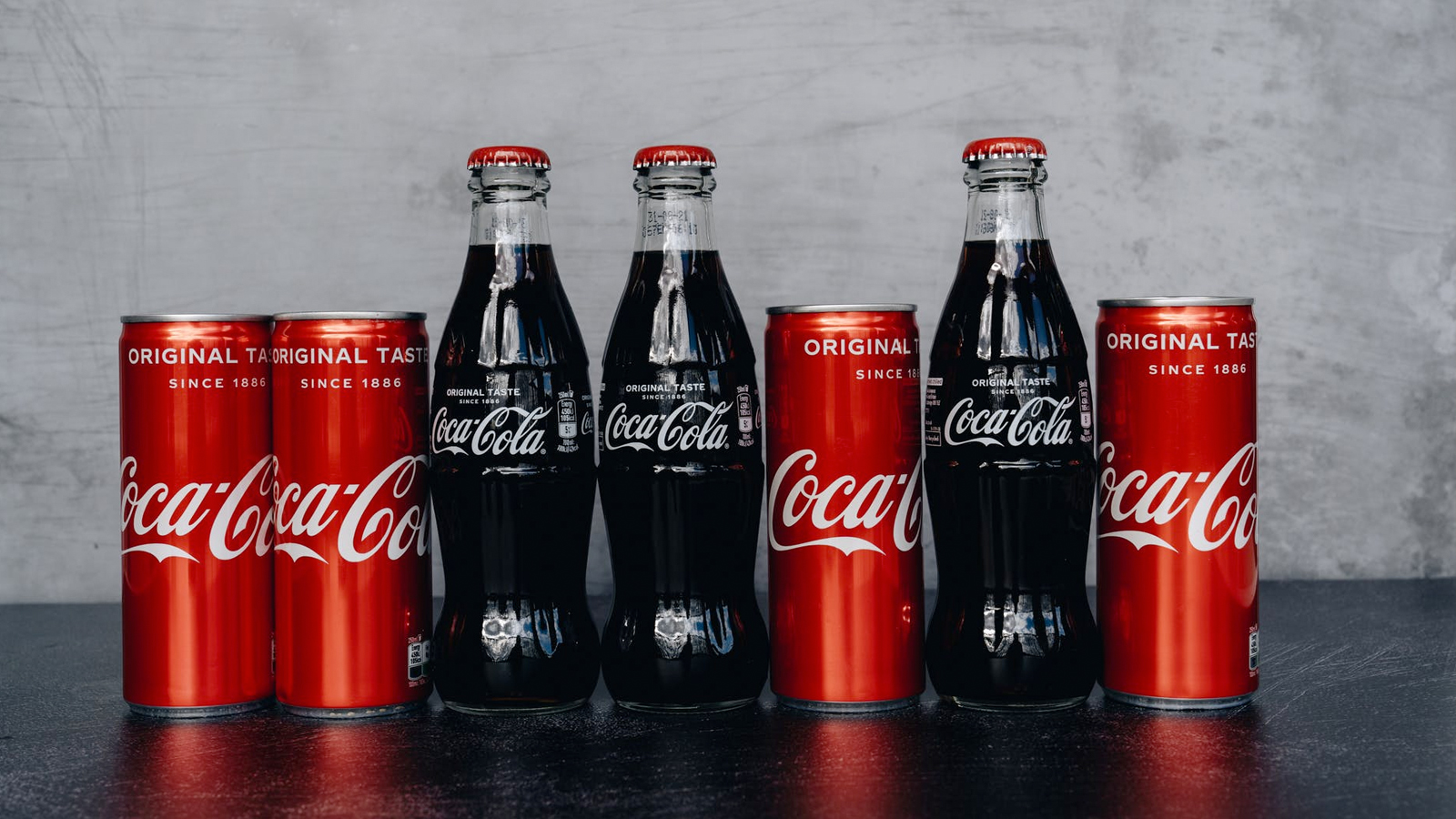
Who could forget the infamous “New Coke” recipe that tasted so bad (according to their customers) that they had to scrap the entire project less than three months after launch? While the stunt actually benefited Coca Cola in the long run, thousands of other companies aren’t so lucky.

Thus, overlook taste at your peril. It’s everything to the success of your products and brand.

Speak to Wirral Sensory Services Today Regarding Taste Testing

As the UK’s leading taste testing company, we help brands ensure their products are the best tasting on supermarket and retail shelves. Our taste testing services provide brands with insights into product acceptance, performance against leading competitors, and consumer taste trends.

We offer our taste testing services in various settings, including in-home tests (where the customer usually consumes the product) or neutral settings under strict laboratory conditions. No matter the size or scale of your taste testing research project, Wirral Sensory Services can deliver what you need.

For more information on taste testing, please do not hesitate to contact us today on +44 (0)151 346 2999 or via email at info@wssintl.com.

Taste Testing Company

  1. Home
taste testing

When developing food and drink products, taste plays a pivotal role in consumer acceptance. That’s why leading food brands and manufacturers team up with taste testing companies to gather crucial insights into how their products perform within target demographics before investing in production or marketing campaigns.

So what is a taste testing company, and how exactly do they help brands develop marketing-leading products?

What is a Taste Testing Company?

Leading consumer market research companies such as Wirral Sensory Services offer taste tests and sensory research services for businesses across multiple sectors. We employ specific methodologies to gather data around clients’ taste test criteria, which usually pertain to ingestible products such as food and beverages.

We then recruit from our pool of taste testers to secure the demographics requested by the company and have them evaluate the products using the above-mentioned criteria.

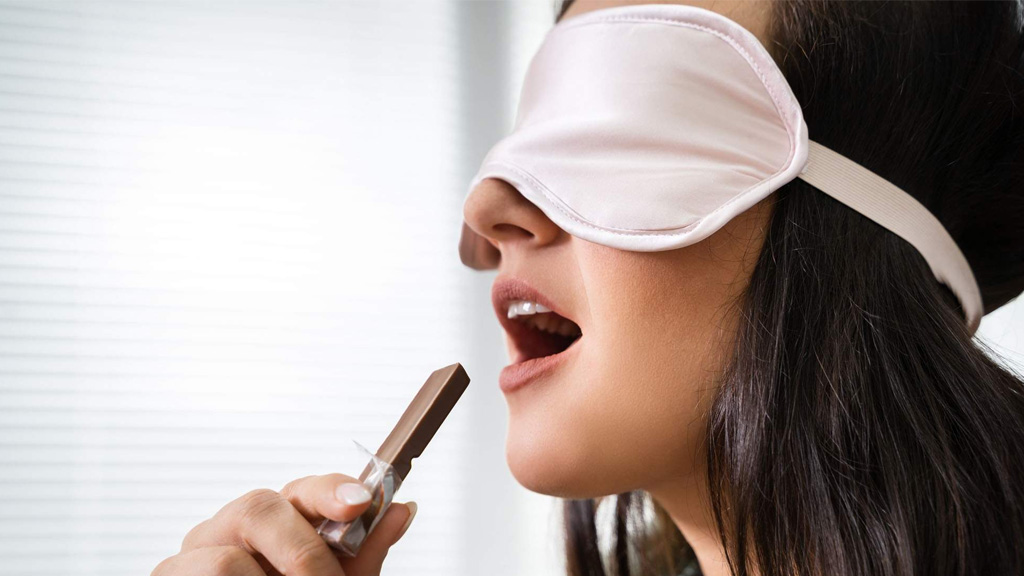
Taste testing tends to take place in neutral environments, such as shopping centres, and there are numerous different testing methods available such as monadic, paired comparison, and sequential monadic, to name but a few.

How Does a Taste Testing Company Help Food and Beverage Manufacturers?

Taste testing companies help food brands in several ways. However, the principal reason for partnering with a consumer research firm in this manner is to gain critical insights into the performance of your products.

Whether you want to assess how your new products stack up against the competition, or you need feedback on a potential change to your most popular product’s formulation, with high-quality, in-the-moment feedback from your target audience, you could be heading for a disaster that costs your company millions.

Not only do taste testing companies have a vast pool of taste testers ready to go (so you can move at speed), but they help distil the data gathered into meaningful results that can be used to shape marketing strategies or product innovations.

When Should a Brand Enlist the Help of a Taste Testing Company?

Numerous scenarios would call for the services of a sensory research company. Taste tests are most often devised in the development of new products or the revamping of existing popular product lines.

However, taste tests are also helpful whenever a company wants to conduct market research into consumer likes, dislikes, and competitor products, as they deliver vital insights that can alter the landscape in your specific sector.

Why Choose Wirral Sensory Services for Your Taste Testing Requirements?

No matter the size or scale of your taste testing research project, Wirral Sensory Services has the expertise and facilities needed to conduct your study.

Our enormous pool of taste testers includes a broad spectrum of demographics and allows us to deploy your study quickly and efficiently. Our neutral-venue settings are capable of holding taste tests for dozens of people simultaneously, which is ideal for large brands with multiple products to assess.

We are trusted by leading international brands to handle their most demanding taste testing projects, and we always deliver accurate and dependable results. For further details about our taste testing services, please feel free to call us on +44 (0)151 346 2999 or email us at info@wssintl.com.

Sensory Food Testing

  1. Home
sensory research

Sensory testing (or sensory profiling as it’s often referred to) involves the objective evaluation of food (and beverage) products based on the five senses. Rather than using members of the public, sensory food testing required trained panellists who evaluate products based on sensory factors such as smell and taste.

So what does sensory food testing involve, and why is it a critical element of successful product development?

What Happens During Food Sensory Testing?

As mentioned, food products are submitted to a panel of experts who each has above average acuity in detecting elements such as flavour profiles, scents, textures, and tactile features. Those observations are then collated and used to develop a sensory “profile” of the product. You can use this objective profile to compare and contrast with industry-leading products to understand where objective observers notice the key differences.

Together with consumer taste testing, you can use these data points to craft gold-standard products that are objectively better than the current market leader, both in the eyes of scientifically-trained panellists and members of the public. These findings will help sway buyers of major retailers that your new or revamped product is worth stocking.

Which Senses Are Involved in the Food Testing Process?

Five primary senses make up the profile of a food product. They are as follows:

Gustatory Sense

The gustatory sense is better known as the taste sense and works via taste receptors in the tongue. The sensory profilers will distinguish tastes and flavours such as sweet, sour, salty, and bitter.

Olfactory Sense

The olfactory sense is better known as the sense of smell. Interestingly, the ability of this sense declines with age and is influenced by other factors such as gender and environment. That’s why we take extra care in selecting panellists appropriate to the specific task and product.

Visual Sense

How food products are perceived visually plays an essential role in customer acceptance and, therefore, this sense is a vital element of the evaluation process. We require panellists with an exceptionally high degree of visual acuity to identify very subtle differences between a range of products’ shape, size, and structure.

Auditory Sense

The auditory sense is not as critical as the other senses in the development of food products. However, sound plays a vital role in the acceptance of related features such as the packaging of a food product.

Tactile Sense

How a product feels via our skin receptors is vital to the food development process. The char­ac­ter­istic prop­er­ties of texture, consis­tency, and temper­a­ture can be picked up via this sense and essential to both the product itself and the packaging.

Why is Sensory Food Testing So Important?

In short, a sensory evaluation of a product provides research and development teams with scientific, objective information regarding the sensory properties of a specific product.

  • Brands can subsequently use this information to:
  • Benchmark those properties against competitors and industry leaders to gain vital insights (known as product optimisation).
  • Assess the overall marketability of the product (including discerning any notable features regarding the senses).
  • Implement changes to further enhance the sensory performance of their product.
  • Discover opportunities to launch new products based on the findings.

Speak to Wirral Sensory Services Today Regarding Your Sensory Food Testing

At WSS, we have over three decades of experience in helping leading international and domestic brands carry out scientific and consumer research. Our sensory testing capabilities are second to none, will highly-skilled panellists able to detect even the subtlest changes to a product’s sensory profile.

Our track record speaks for itself, and you can trust our high-quality research to provide the information your brand needs to improve existing products and launch exciting new lines.

Contact us today to discuss your sensory research requirements in more detail with a member of our experienced team


How To Make Your Product’s Rebrand A Success

  1. Home
product rebranding and packaging research Rebranding, renaming or revamping existing products can be a worthwhile endeavour for products in desperate need of a new lease of life or a significant sales boost. But rebranding is not without risk, and getting it wrong can be incredibly costly both in terms of brand reputation and resources spent. Even the biggest brand names in the world have made costly errors before, as we shall now explain.

Companies That Got Their Rebrands Badly Wrong

There’s perhaps no more famous case of a botched rebranding or revamping of a product than New Coke. In April 1985, Coke decided to change up their tried and tested formula and replace it with a new one. Customers were outraged and hated the new product, despite their blind taste tests indicating their customers preferred a sweeter formulation closer to that of Pepsi. Classic Coke was back just three months later, and sales enjoyed a boon, taking them past previous highs and increasing market share, leading some experts to believe this was a deliberate marketing ploy. Kellogg’s weren’t quite so lucky with their renaming blunder. In 1998, Kellogg’s confused families across the UK by renaming its popular Coco Pops cereal Choco Krispies. Sales of the product were subsequently nosedived. The old name was back less than a year later, but the damage had been done, with sales not recovering to the same levels for several years afterwards.

Why Effective Consumer Research is Vital Before a Product Rebrand or Revamp

The issue here in both cases was poor consumer testing and research strategies, which, if executed correctly, could have led to more successful rebranding campaigns. Coke did carry out consumer research with their blind taste tests. However, they got those results and ran with them without pausing to ask their most loyal customers what they might think of a new formulation. Focus group studies could have flagged the issues that then appeared immediately after launch saving them millions in costs related to the botched launch. Kellogg’s made a similar mistake by not consulting their core consumer base before making the name change. When they did finally get around to surveying their target demographic in early 1999 (several months after launch), they found that 92% preferred the old name. These case studies underline the importance of carrying out holistic consumer research. With an overarching research strategy and an eye on the big picture, your company can make your product rebranding a long-term success. However, if you miss out on crucial elements of that strategy, then failure might just be inevitable. That’s why it makes sense to enlist the help of consumer research professionals with a track record of overseeing successful reformulations, packaging overhauls, and product renamings.

Speak to Wirral Sensory Services About Your Upcoming Rebranding

Our team at WSS have over three decades of experience in overseeing successful rebranding campaigns. We can help by working closely with your internal team to ensure that you’re fully aware of the advantages and pitfalls of each research method and we’re on hand to extract and present the most valuable data out of each methodology for your team to dissect. With a broad spectrum of research capabilities, we are here to help you create a holistic approach to consumer research that ensures your rebrand is aware of any potentially fatal flaws long before any of your new ideas are out in the public domain. From taste testing and sensory research to focus groups and in-home use product testing, we can provide and oversee the research methodologies you need to deliver critical insights into your target audience’s perception of your revamped products. To learn more about how WSS can help you deliver a successful product rebranding, speak to one of our friendly team members on +44 (0)151 346 2999 or email through your enquiry to info@wssintl.com.