
What is a Blind Taste Test?

  1. Home
blind taste test

When conducting consumer testing, blind taste tests are a valuable tool in gathering consumer feedback without being influenced by other factors such as branding, price, packaging etc.

In a blind taste test, participants are given products to sample without knowing which brand they are trying. This allows testers to focus purely on the taste, smell, and texture of the product in order to make an unbiased judgement.

So why use them as part of your consumer research?

Why Use Blind Taste Tests?

Sometimes it’s easy to overlook the role brands and logos have on our perceptions of products.

Merely seeing a logo can evoke an emotional response and therefore affect how we process information. This phenomenon is often called the “halo effect” – the tendency for positive impressions of a company, brand, or product in one area to positively influence one’s opinion or feelings in other areas, preventing us from being able to make an objective decision.

Thus the primary purpose of blind taste tests is to remove one crucial element that may skew results: bias. Consumers all have inherent biases (both consciously and unconsciously). But, by taking away branding and other identifying factors, researchers can hope to get a more accurate idea of how participants really feel about a product.

Coke vs. Pepsi – The World’s Most Famous Blind Taste Test

Perhaps the most significant demonstration of the power of bias was in the famous Coke vs. Pepsi blind taste tests run throughout the 1980s. Coke had developed millions of loyal customers through excellent marketing, and many people assumed that it would come out on top in a blind taste test.

Pepsi, on the other hand, was marketed as the “choice of a new generation” and was seen as a hipper, more modern brand. So, when tasters were asked to choose between the two in a blind test, many were surprised that they actually preferred the taste of Pepsi.

Upon the release of the results, the executives at Coca Cola were so shocked that they rushed into developing the infamous “New Coke”, which had a sweeter taste profile that was more in line with Pepsi.

This example highlights not only how important it is to remove bias from consumer testing, but also how tricky it can be to do so. If even something as seemingly innocuous as a name or logo can alter people’s perceptions, it’s easy to see how other factors such as price, packaging, or even the location of a product in a store can affect consumer choices.

Eliminate Bias from Your Consumer Research With Consumer Blind Taste Testing

Blind taste tests play a vital role in eliminating bias and giving you accurate consumer insights. Without removing preconceptions, it’s difficult to know for sure what impact your product’s branding, price, or packaging is having on consumer perceptions.

At WSS, we’re industry leaders in blind taste testing. We have helped leading national and international brands to conduct blind taste tests across various categories. We have a team of highly experienced researchers who will work with you to ensure that your blind taste test is conducted efficiently and effectively.

To learn more about how we can help you eliminate bias from your taste testing, contact us today on +44 (0)151 346 2999 or via email at info@wssintl.com.

Who Carries Out Sensory Testing?

  1. Home
sensory testing

Sensory testing is an integral part of product development in the food and beverage industries. The process helps establish the sensory profile of a product and can identify potential off-flavours or other sensory defects.

There are a variety of sensory tests that can be conducted, but they all require human panels to provide accurate results. The issue, however, is that smell, taste, sight, touch, and hearing are all highly subjective, and what one person perceives as a strong flavour might be weak to someone else.

So, given these challenges, who conducts sensory testing to obtain objective parameters regarding the sensory profile of a product?

Who’s Involved in the Sensory Profiling of Products?

The answer is sensory panellists. These are people who are able to identify specific sensory attributes in products and provide objective feedback.

Sensory panellists usually have some background in the food or beverage industry, although this is not always required. What’s essential is that sensory panellists are able to identify the characteristics being evaluated in a product and provide accurate feedback.

There are a few different types of sensory panellists that are often used in sensory testing:

  • Trained sensory panellists: These are people who have received formal sensory training and are often employed by sensory testing companies.
  • Untrained sensory panellists: These are people who have not received formal sensory training but still possess above-average sensory acuity.
  • Consumer sensory panellists: These are people who represent the target market for a product and often overlap with the untrained sensory panellists group.

Each type of sensory panellist has its own advantages and disadvantages, and the exact makeup of a sensory panel will depend on your research objectives, project design, and budget.

How Does Sensory Profiling Work in Practice? Chicken Spice Case Study

Once you’ve chosen your sensory panel, it’s time to conduct sensory testing. But what does that look like in practice? It’s perhaps best to use a recent case study as an example.

A leading producer of spicy chicken products wanted to assess whether there were any discernible differences in dried spices sourced from two different origins.

A sensory profiling exercise was conducted using a panel of 14 trained panellists. An initial descriptor generating session identified 28 key parameters that would be used to measure attributes of chicken products. The panellists were then asked to assess the chicken products with spices from each origin.

A report was generated to show the mean scores of each key parameter for the chicken products made with spices from each origin. Significant differences were highlighted at 95% confidence to clearly identify where the products differed in sensory terms.

Based on the feedback from the research, there were demonstrable discernible differences in their products when using spices from two different origins. The client was then able to assess the level of difference and make an informed decision regarding the sourcing of spices.

Choose WSS for Your Sensory Testing Requirements Today

At WSS, we boast an extensive roster of professionally trained sensory panellists and an extensive pool of laypeople with above-average sensory acuity. We also have a broad range of demographics from which you can construct your panel.

Thus, no matter your requirements regarding your sensory panel, we have the resources and personnel to meet your needs.

So, if you wish to learn more about sensory testing or you need to submit your product(s) through a round of sensory profiling, don’t hesitate to get in touch with us today. We would be more than happy to discuss your requirements in further detail and answer any questions you may have.

5 Elements To Look Out For When Choosing A Consumer Product Testing Company

  1. Home
consumer product testing

When carrying out consumer research, the chances are that you’ll need to enlist the services of an experienced consumer testing company to ensure that the process is conducted smoothly and to the highest possible standards. However, with so many different consumer testing companies to choose from, it can be tricky to decipher which one will be the best fit for your brand.

With that in mind, here are five key elements you should look out for when choosing a consumer testing company.

#1: A Long and Well-Established Track Record

Across any industry, the tell-tale sign of any reputable business is its track record. How long a business has been operating often correlates with the quality of its services.

Consumer testing is no different. You should look for a consumer testing company that has been in operation for many years, if not decades, and has worked with a range of clients from different industries. This will give you a good indication that the company is experienced and knowledgeable in the field of consumer research.

#2: Check Their Reputation in Online Reviews and Client Testimonials

While a long and distinguished operating history is usually a significant positive indicator of a company’s performance, it’s also important to check the company’s more recent reputation. One of the best ways to do this is by reading online reviews. Look for consumer testing companies that generally have positive reviews across a range of different sites.

In addition, check to see if the company has any testimonials from previous clients on their website. If they do, make sure to read through them carefully to see if the company is consistently providing a high level of service and if they have delivered excellence in an area in which you would like to focus your research efforts.

#3: Make Sure They’re Flexible and Can Adapt to Your Needs

Any good consumer testing company should be flexible to the needs of a brand. In consumer research, there’s no such thing as a one-size-fits-all approach. An established brand and a startup company will need very different approaches to their consumer testing, so a company should be happy to accommodate these requirements.

A consumer testing company that’s worth its salt will work with you to devise a bespoke consumer research project that meets your specific needs, rather than trying to force a square peg into a round hole.

#4: They Should Be Able to Offer a Range of Different Services

The consumer testing company you choose should be well-versed in delivering a number of consumer research services. From taste testing to focus group studies, home use testing, efficacy testing and beyond – a well-respected consumer testing company should be able to offer all of these services and more.

A company offering a broad spectrum of consumer research methods will give you the confidence that they’re experts in the field of consumer testing and that they’ll be able to handle any consumer research request you have.

#5: Evaluate Their Client List

Who does your prospective consumer research partner currently work with? Does their client list include some of the biggest international names in your industry? If so, chances are they’re doing something right.

A consumer testing company with an impressive client list is likely to have the experience, personnel, and resources to carry out your consumer research project to the highest possible standards.

Choose Wirral Sensory Services for Your Consumer Testing Needs Today

Choosing a consumer testing company doesn’t have to be a daunting task. By looking out for these five essential elements, you can be sure that you’re choosing a company that will deliver high-quality consumer research results to help your brand make informed decisions about product development and marketing strategies.

At Wirral Sensory Services, not only have we been in operation for a quarter of a century, but we also boast a client list including some of the biggest names in the food and drink industry, offer a broad spectrum of consumer research services, and can demonstrate the quality of our work through our dozens of five-star reviews on platforms such as Google.

What’s more, our team of consumer research experts are on hand to devise a tailor-made strategy for your brand, ensuring that you get the most out of your consumer research project.

To learn more about how we can help you research, develop, and launch market-leading products, speak to a member of our team today on +44 (0)151 346 2999.

What is Product Optimisation?

  1. Home
product optimisation

No food manufacturer or beverage brand should ever stand still. Even if you currently hold the position of market leader, without continuous and ongoing product optimisation, you will lose the top spot to another brand carrying out this vital exercise.

So what is product optimisation, and why is it so important?

What is the Process of Product Optimisation?

In short, product optimisation refers to the process of researching and making improvements to a product to make it more appealing to customers. It is an ongoing process that should take place throughout the entire product lifecycle, from initial conception through to post-launch analysis.

There are many different aspects of a product that can be optimised, including but not limited to taste profiles, recipes and ingredients used, packaging design, marketing campaigns, and even pricing.

Why is Product Optimisation So Important?

There are several reasons why product optimisation is so essential, both for established brands and those just starting out.

One of the most important is that it allows you to constantly stay ahead of the competition. In today’s highly competitive marketplace, no brand is ever standing still. All competitors will be looking for ways to improve their products and attract more customers, so it’s crucial that you are always ahead of the curve regarding prevailing consumer trends.

Another reason product optimisation is so important is that it allows you to better meet the wants and needs of your target market. By constantly improving your offering and ensuring that it beats competitors across all key metrics, you can develop an industry-leading “gold standard” product.

From minor flavour profile tweaks to reducing the cost of a product without compromising on quality, there are several research exercises you can carry out to ensure your product lines remain top of the pile and increase profits.

What Does Product Optimisation Involve?

There are no set parameters for product optimisation. However, specific research methodologies are used time after time to discern the performance of a product versus leading competitors, namely sensory profiling and consumer taste testing.

By using these research methods, brands can:

  • Gain an understanding of the sensory profiles of their products and benchmark them against competitor products.
  • Assess how their developmental products differ in sensory terms from those already available in the marketplace.
  • Gain insights into which products consumers prefer the most and why.
  • Acquire knowledge of the ‘key drivers’ towards consumer liking of the product type.
  • Develop the product profile of a ‘gold standard’ product that ticks all of the boxes for target consumers.
  • Provide guidelines for improving products and developing the best possible products in the marketplace moving forwards.

As mentioned, a holistic approach to your product’s research is the key to gaining these insights and can include other methodologies such as packaging research and in-home use testing.

Speak to Wirral Sensory Services Today to Conduct a Thorough Round of Product Optimisation

No brand in any industry should ever rest on its laurels. Whether you’re the current market leader or you’re a startup looking to disrupt a mature market, product optimisation is a process that will ensure your products are the best they can be.

At Wirral Sensory Services, we have over two decades of experience in conducting sensory and consumer research across a wide range of industries. We work with some of the biggest names in food and drink, cosmetics and personal care, and household cleaning products, helping them optimise their products and ensure they remain at the top of their respective fields.

If you would like to find out more about our research services, or if you have any questions about product optimisation specifically, please don’t hesitate to speak to a member of our team today.

5 Reasons Why Your Brand Should Commit to Ongoing Product Testing

  1. Home
wine taste testing

While sales might be indicative of your product’s performance, how can you really tell if your product is meeting customer expectations and delivering on its promises? Product testing is one of the best ways to dig much deeper into your performance and gain valuable feedback to help you assess and improve your product.

With that in mind, let’s run through five quick reasons why your brand should commit to ongoing product testing.

1. Identify Product Defects Early

Product defects can be costly, not just in terms of the cost of replacing and/or recalling the offending product line(s), but also in terms of damage to your brand’s reputation.

Product testing can help you identify and rectify issues early on before reaching customers on a larger scale, saving you time, money, and post-launch headaches down the road.

2. Improve Product Quality

In addition to identifying defects, product testing can also help you improve your product’s overall quality and performance. For instance, extensive taste testing can uncover a better combination of flavours or ingredients, while product benchmarking can reveal what consumers like about your competitor’s offerings.

You can then use the information obtained via product testing to improve your product and increase your market share.

3. Verify Product Claims

Customers are bombarded with marketing claims from brands vying for their attention in today’s market. Product testing using methods such as efficacy testing can help you verify the claims you make about your product so that customers can be confident they’re getting what they expect when they make a purchase.

This is especially important in industries such as cosmetics and skincare, where customers are often willing to pay a premium for products that live up to their claims.

4. Increase Customer Satisfaction and Loyalty

It’s no secret that happy customers are more likely to buy from you again and recommend your products to others. Testing your products with consumers can help ensure that your product meets customer expectations. By making changes suggested during product testing, you can enhance customer satisfaction and, therefore, loyalty.

It could be that you uncover a seemingly insignificant aspect that hampers the way your target consumers are viewing your product. Whatever the issue may be, without subjecting your products to consumer testing in closely-controlled environments, it’s challenging to obtain objective data regarding these subjective consumer opinions.

5. Develop a Winning Formula for Future Product Releases

After a successful round of product testing, you can gain valuable insights and develop a framework for developing successful future products. Having this structure already in place will give you a distinct advantage over the competition and ensure that each new product release is better than the last.

From basic consumer surveys providing insightful feedback about your target market’s needs to more detailed product optimisation studies, product testing helps you develop guidelines for a successful product launch or revamp.

Contact Wirral Sensory Services for Your Product Testing Requirements Today

At WSS, we carry out all manner of product testing and consumer research projects for leading brands in a variety of industries. We boast an experienced team as well as a broad pool of testers and trained assessors, ensuring we can cater to your specific requirements.
Whether you need help with sensory research, consumer testing, or product development and improvement, we’re here to help.

Contact us today to discuss your product testing needs at +44 (0)151 346 2999 or send your enquiry to info@wssintl.com.

How Home Use Testing Saved One of the World’s Most Successful Products

  1. Home
home use product testing ihut

Back in the early 1990s, the world’s largest consumer goods company, Procter & Gamble, was busy working on a new product.

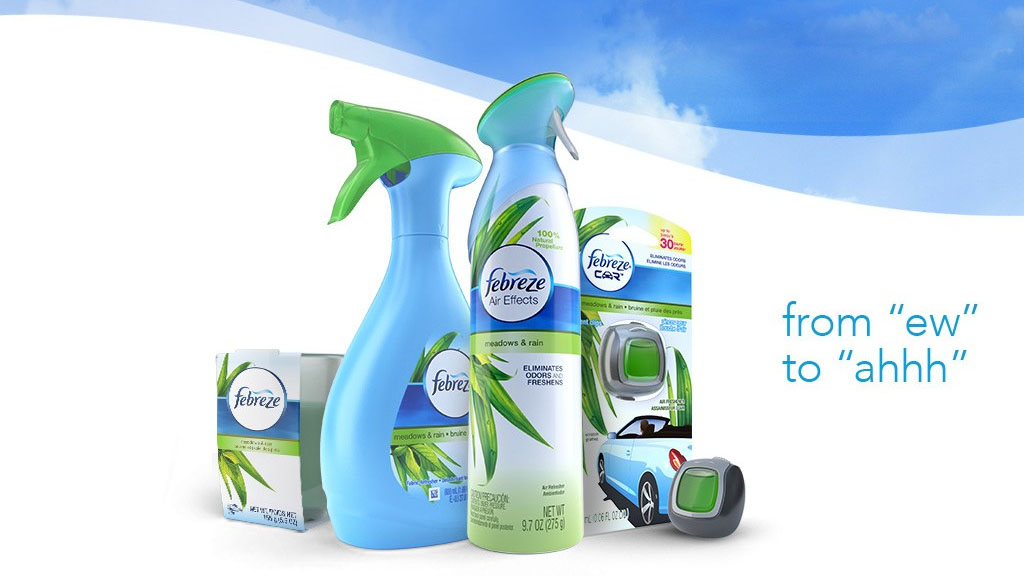
It was a spray that would completely eliminate bad odours. From wet dog stenches to the lingering smell of cigarette smoke, Febreze was meant to become a revolutionary golden-goose product that would bring in billions of dollars of revenue to the company every year.

In the end, it did. But only thanks to the intervention of home use testing. So, with that in mind, let’s look at how one of the world’s most successful products nearly didn’t make it.

Febreze: The Initial Flop

P&G scientists had long been working on a colourless, odourless liquid that could make any stinky sofa, rug, or jacket scentless. That substance was called hydroxypropyl beta-cyclodextrin (or HPBCD for short).

There was great joy when, after testing, the liquid performed exactly as advertised, eliminating bad smells from fabrics, even ones that were deeply entrenched. The marketing team took these results and decided that they should position Febreze as something that would allow people to rid themselves of embarrassing smells.

With great fanfare and a series of high-profile TV adverts, Febreze was launched in 1996. However, it was a total flop, with sales only reaching a fraction of what analysts had hoped.

In a bid to find out what went so disastrously wrong, P&G decided to spend time in the homes of their target customers and view first-hand what the issue was.

How Home Use Testing Saved the Day for Febreze

The company sent out samples and visited hundreds of women in their homes to gain a better understanding of how they missed the mark so badly. Two women, in particular, revealed their issues and began the journey toward creating one of P&G’s most successful products to date.

The first was a woman who owned nine cats. The house stank, but the woman couldn’t smell the putrid scent, proving that even the most pungent of smells failed to be noticed by those constantly exposed to it. In other words, the target market for this product didn’t even know they needed it because they couldn’t detect bad smells in the first place.

Another trip to a woman’s home who used Febreze every day provided a lightbulb moment for the marketing team. She used to spray Febreze whenever she would finish cleaning a room. For instance, in the bedroom, she vacuumed, made the bed, plumped the pillows, tightened the bed sheet’s corners, and then took a Febreze bottle and sprayed it as a final touch.

They saw the same pattern across thousands of home visits to housewives (the target market), and then it suddenly clicked. No one craves odourlessness. Instead, they wanted their home to smell every bit as good as it looked.

Consumer Research Revives Failing Household Product Febreze

Febreze was quickly repositioned as a nice smell to add to your room at the end of the cleaning routine. Instead of eliminating scents, it became an air freshener, used as the finishing touch. Febreze was relaunched in 1998, and sales nearly doubled within two months.

Today, this P&G product line brings in billions of dollars, and the range includes candles, laundry detergents, and kitchen spays, to name but a few. Without those thousands of home visits to uncover Febreze usage habits, P&G might have scrapped this failing product before losing any more money in research and development costs.

Speak to WSS Regarding Your Home Use Testing Projects Today

While they got there in the end, P&G lost millions on their Febreze product line before striking a winning balance. It’s doubtful that you have the same resources as P&G. Thus, it’s crucial for you to get your product right upon launch.

At WSS, we can help you avoid some potentially catastrophic mistakes by carrying out consumer research within the homes of your target consumer. By putting your product through its paces within its intended environment, you can ensure that any faults are found and fixed before it hits the shelves.

To learn more about how extensive home use testing can benefit your new product launch, contact WSS today. One of our experts will be more than happy to discuss your requirements in further detail and provide advice regarding the best research methodologies.

We are available by telephone at +44 (0)151 346 2999 or via email at info@wssintl.com.

Should You Ever Rename Your Product?

  1. Home
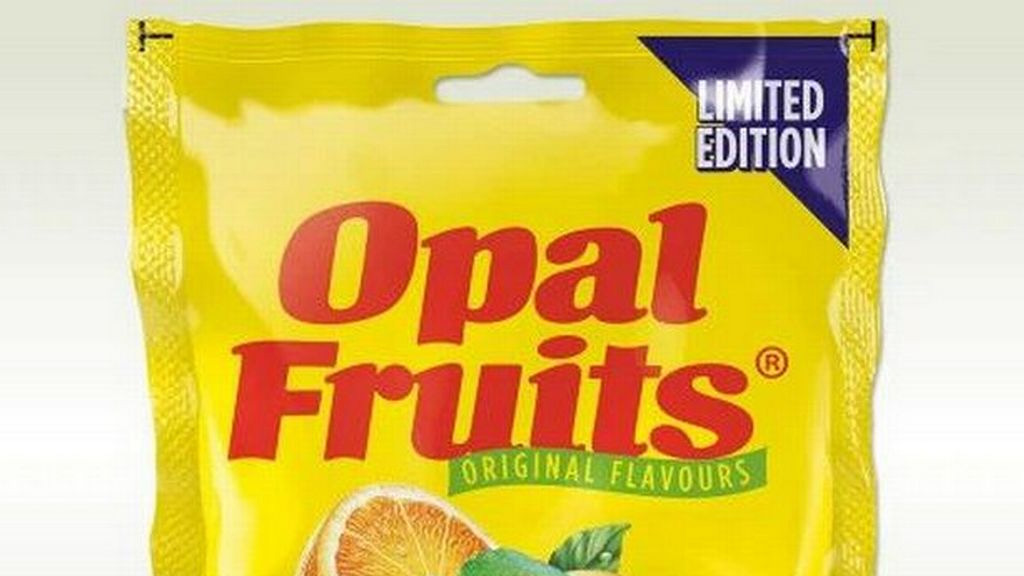
opal fruits

Renaming a product is something that food and beverage manufacturers consider from time to time. Sometimes it’s the right thing to do. By contrast, there are other circumstances whereby renaming a product is likely to have negative consequences and potential knock-on effects for your wider brand.

So, when should you consider renaming your product, and what are the risks associated with doing so?

Why Rename Your Product(s)?

There are several circumstances in which it might be a good idea to rename your product. For example, it could be that the launch didn’t go to plan, and your revamped product bears little resemblance to the original. It could be that you conducted some consumer research that indicated the name itself is a stumbling block to consumer acceptance.

Other scenarios that may call for a product rename include a business sale or merger (the new owners might want to give the product a fresh start) or a product repositioning (targeting a different demographic segment).

What Are the Risks Involved in Renaming Your Product?

While renaming your product could give you a boost in sales and a successful relaunch, they are not without considerable risk. The obvious problem with renaming your product is that you could quite easily alienate your existing loyal customers.

Another issue to contend with is that renaming a product can be incredibly costly –and it’s not just the time and effort involved in doing so. You also need to make sure that your new name is legally protected, including trademarks if necessary. Packaging has to be redesigned, website and social media platforms need to be updated, and so on.

If your renaming goes awry (which even the biggest companies get wrong), you could face ruin as a business.

When Renaming Products Goes Wrong

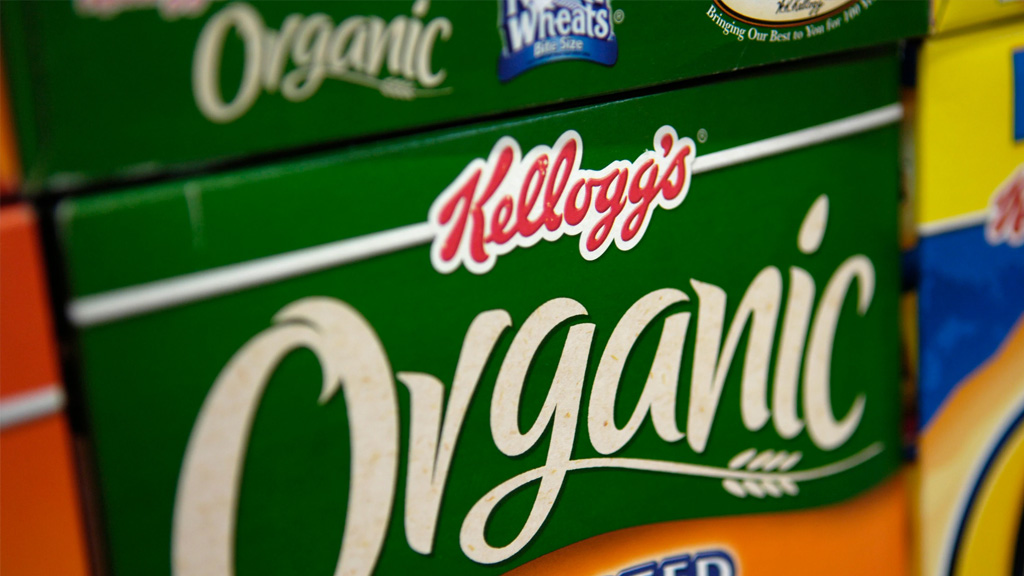
As mentioned, even the biggest and best food brands get it wrong. Perhaps the most famous example in the UK was when Kellogg’s renamed Coco Pops to Choco Krispies to bring it in line with other countries. However, after a national outcry and declining sales, Kellogg’s changed it back less than a year later.

What’s even more astounding is that a consumer survey of one million customers found that 92% preferred the old name, begging the question, why hadn’t Kellogg’s invested in more customer research before the name change?

How to Avoid Renaming Mistakes

There are plenty of examples of companies getting renamed products right. For instance, Opal Fruit to Starbust and Marathon to Snickers are just a few examples of the many renaming/rebranding success stories in the food industry.

The key to their success is consumer testing and research. By accurately gauging the opinion of loyal customers and new target demographics, you can carry out a successful renaming exercise that increases sales, boosts market share, and breeds more customer loyalty.

Speak to Wirral Sensory Services Today for Your Consumer Research Requirements

At Wirral Sensory Services, we help leading domestic and international food and beverage brands with their consumer research projects.

From focus group studies to understanding feelings towards a new product name to taste testing new formulas with members of the public and scientifically-trained personnel, we have a holistic range of services to help you develop gold-standard products.

If you are considering renaming or rebranding one of your existing product lines, don’t hesitate to get in contact with us for a free consultation. We’ll be more than happy to help you navigate these potentially choppy waters and increase your chances of success.

We are available by phone on +44 (0)151 346 2999 or via email at info@wssintl.com.

Your Quick Guide to Successful Product Claims

  1. Home
product claim support

Making your product stand out on the shelf is more challenging than ever. With as much as 85% of household shopping derived from repeat purchases, it’s become harder than ever to convince consumers to switch to your food or drink product from their current preferences.

Step in product claims. With scientifically-backed product claims, you can make your product marketing and packaging more appealing and persuasive than current market leaders.

For instance, if you can scientifically claim your product performs or tastes the best, the chances are customers might give it a try.

But how do you produce product claims that matter to consumers?

This quick guide will walk you through the basics of making successful product claims that will make your product shine above the rest.

Identify the Areas or Attributes That Matter

The first step is to identify attributes and aspects of your product category that matter to consumers. For instance, it could be that in the meat pie category, taste and texture are the most important elements influencing purchasing decisions.

In other categories, it could be the packaging or the performance. For instance, deodorant products often need to make performance claims to stand any chance of beating out competitors.

By surveying your target audience with questionnaires and focus groups, you can begin to understand the key areas of concern for your customers.

Test Those Key Aspects On Their Own and Against Competitors

Once you’ve identified the areas in which you need to excel to stand any chance of securing a meaningful market share, you need to begin putting your product through its paces (usually with the help of a specialist research company) to start benchmarking its performance on those key metrics.

It’s crucial to ensure that these tests occur in an objective, scientific setting. Flawed research methods are likely to see your product claims rejected by the Advertising Standards Authority (ASA) and categorised as unsubstantiated.

Translate the Results Into Effective Product Marketing and Packaging

Once your consumer research company has conducted the research and distilled the results, it’s time to put those positive product claims into action. They should feature heavily in outbound marketing channels, and it might even be a good idea to focus attention on those substantiated claims on the product packaging itself. A dedicated packaging research project may help here.

If consumers are unaware of your superior taste or performance (for example), they are unlikely to switch to your product. By shouting about your claims from the rooftops, you can put your product in the best possible light and increase sales.

Speak to WSS Today for Expertise in Product Claim Support Services

At Wirral Sensory Services, we help companies with their product claims through our internationally-renowned product claim support services. From objective performance testing to comparative taste testing with members of the public, we have solutions to meet your product claim requirements.

With a track record dating back three decades and clients including some of the world’s most iconic brands, please speak to us today to learn more about how we can make your product claims stand out above the rest.

You can speak to our team by phone on +44 (0)151 346 2999 or via email at info@wssintl.com. Or why not fill in our online contact form detailing your product claim support requirements?

The Four Steps Required for Developing a Winning Product Concept

  1. Home
product concept testing

When developing new products, there’s a massive difference between thinking you have a winning product concept and knowing you do. With extensive product concept testing, you could be pouring significant resources into a project that is doomed from the start.

Before releasing a new product or revamping an old one, proper validation of your product concept will indicate the impact your new idea will have on your target market and ensure you can strike the balance between customer needs and company performance.

With that in mind, here are the four steps that will help you develop a winning product concept.

#1: Firm Up Your Product Concept

The first step involves narrowing down your ideas and firming up your summary of the product concept. You need to list and validate how your product concept brings value to the customer, how and where they will consume it, what the name of the product will be, who the target demographics are, its unique selling points, and how it fits into the overall brand vision.

This internal validation procedure is vital, as it could prevent you from pouring huge costs into developing a product that won’t sell once it hits the shelves. Startup food and beverage brands are usually the most guilty of rushing through this stage and heading straight to market for a product nobody really wants. As many as 35% of all startups fail because there wasn’t actually a market need for their product.

#2: Test Your Product Concept on the General Public and Assess Feedback

While you might have enlisted different departments or even outside consultants to discuss and distil the feasibility or market need for a product concept, you still need to put it to the test with the people that matter – your target consumers.

Without product concept testing with members of the public, you’re never going to truly understand how they feel about your suggested ideas. They could confirm concerns you and your team had, eradicating the colossal expense of going to launch with a product no one wants. Alternatively, you could have a winning product on your hands that meets all of the customer’s needs.

It would be best if you used focus group studies, surveys, and a range of other qualitative and quantitative research methods to build up an accurate picture of what your potential customers think of your new product concept before proceeding any further.

#3: Assess How the Product Concept Sits within Your Company

Committing to a new product concept launch is a huge undertaking for any size of household goods company. Getting it wrong could potentially leave your business on the edge of financial ruin.

Even if customers love what you have in mind, are you the right company to bring it to them? How will the product concept affect your existing product lineup? Will it cannibalise sales or prove a worthy addition that extends market reach? Would the resources needed to bring it to market leave you in a risky financial position? Will it help reach (and is it aligned to) your business goals?

These are all critical questions that need to be considered in great detail before committing to any large-scale development plan(s).

#4: Assess the Competition and Prepare for Launch

If your customers love it, you love it, and the business metrics are looking favourable, the last stage involves assessing the current market conditions. While new food concepts are arriving all the time, very little could be considered truly innovative, so the chances are you will have some competition to analyse.

This is where you assess if your product concept is good enough to draw customers away from what’s already out there. This phase is another one that should involve your target market. This time you might invest in user testing such as in-home use testing (if a household product concept) or consumer taste testing (for food and beverage products).

You might even, in partnership with your chosen consumer research firm, try small-scale, soft launches to gather early intelligence on your product concept’s level of consumer acceptance.

When you have a product concept that excels here (in addition to the steps above), then the chances are you are on to a winner, and it’s time to plough your budget into manufacturing and promotion activities.

Speak to Wirral Sensory Services Regarding Product Concept Testing

Developing a winning product concept is no easy feat, but with careful planning and execution, it can be done. By following the four steps outlined above, you’ll be well on your way to releasing a product concept that meets – and potentially exceeds – customer needs.

Our team at WSS comprises industry leaders in product concept testing, and we have numerous consumer research methods available for capturing vital feedback regarding your proposed ideas.
Whether you merely want to rule out some ideas or you need to conduct a small-scale soft launch with members of the public, Wirral Sensory Services are here to assist you through every step of the product concept validation process.

Get in touch with a member of our friendly team today to learn more about our product concept testing services.

Why Taste is So Vital for Food Products

  1. Home
taste testing

Did you know that of 12,000 food product launches across Europe, 76% fail to retain their listing after 12 months? Worse, as many as two-thirds even fail to reach the milestone of 10,000 units sold. If you’re in the final stages of launching a new product or revamping an existing one, those statistics make brutal reading.

So what’s the secret to success? As it turns out, taste. How a product tastes is often enough to determine the success or failure of a product alone, as we shall now explain.

Taste is the Most Important Element of Purchasing Decisions

While it’s true that other elements help consumers pick products up off the shelf, how a food product tastes is the most critical evaluation criteria when it comes to making a purchase.

According to a recent survey carried out by the International Food Information Council Foundation, 88% of customers stated taste as their primary reason for buying a product. That was far and above price (70%), how healthy it was (60%), convenience (52%), and environmental sustainability (34%).

Thus, despite all the factors that go into a purchasing decision, taste is still the key criterion and should be factored into any decision to launch a product commercially.

Great Taste Drives Customer Loyalty

As much as 85% of household shopping is derived from repeat purchases. Thus, if your product tastes great, the chances are consumers who loved it the first time around will purchase it again and again.

Research suggests you need a customer to buy your product a total of eight times before it becomes a routine or ingrained behaviour when grocery shopping. Unless your product tastes great the first time around, you won’t even make it to the second purchase.

It also emphasises the importance of quality control, ensuring your product tastes great wherever and whenever they are sold. In fact, between the trial purchase and the first repeat purchase, a brand will lose approximately half of its buyers. To stand any chance of success, that second encounter has to be every bit as delicious as the first.

Poor Taste Can Wreak Havoc on a Brand

While all kinds of factors could lead a brand into trouble, taste is still king in the food and beverage industry. Bad taste often leads to disaster, no matter how big your company might be.

Who could forget the infamous “New Coke” recipe that tasted so bad (according to their customers) that they had to scrap the entire project less than three months after launch? While the stunt actually benefited Coca Cola in the long run, thousands of other companies aren’t so lucky.

Thus, overlook taste at your peril. It’s everything to the success of your products and brand.

Speak to Wirral Sensory Services Today Regarding Taste Testing

As the UK’s leading taste testing company, we help brands ensure their products are the best tasting on supermarket and retail shelves. Our taste testing services provide brands with insights into product acceptance, performance against leading competitors, and consumer taste trends.

We offer our taste testing services in various settings, including in-home tests (where the customer usually consumes the product) or neutral settings under strict laboratory conditions. No matter the size or scale of your taste testing research project, Wirral Sensory Services can deliver what you need.

For more information on taste testing, please do not hesitate to contact us today on +44 (0)151 346 2999 or via email at info@wssintl.com.