Every product decision carries risk. Whether you are launching something new, refining an existing formulation, or trying to understand why a competitor is gaining ground, the choices you make depend on assumptions about what consumers will actually prefer. Central location testing offers a structured way to replace those assumptions with evidence, but only if the research is designed around the questions that genuinely matter to your business.The challenge for many product teams is understanding where CLT fits alongside other research approaches and what it can realistically deliver. Getting that clarity before you commit budget and resources means your investment generates insights you can act on, rather than data that confirms what you already believed without advancing your decisions.
How Central Location Testing Creates Commercial Value
The value of CLT extends beyond gathering opinions. When structured correctly, it provides evidence that shapes product development, informs competitive strategy, and reduces the likelihood of costly post-launch corrections. Understanding what CLT does well helps you decide whether it is the right approach for your specific objectives.
Why Controlled Testing Environments Produce Reliable Data
The controlled setting that defines CLT is not simply a matter of convenience. By standardising product presentation, serving conditions, and the testing environment, you eliminate variables that might otherwise distort your findings. Every participant experiences the product under identical conditions, which means differences in response reflect genuine preferences rather than inconsistencies in how the product was encountered.This standardisation matters most when you need to compare multiple variants or benchmark against competitors. Small differences in preparation, temperature, or presentation can shift perception significantly, and CLT methodologies control for these factors in ways that other approaches cannot match.
What Real-Time Observation Reveals That Surveys Cannot
One of CLT’s distinctive strengths is the ability to capture reactions as they happen. Researchers observe facial expressions, body language, and spontaneous comments alongside structured responses, surfacing insights that participants might not articulate in a written questionnaire.This observational dimension is particularly valuable for sensory evaluation, where initial reactions often carry more diagnostic weight than considered responses provided after reflection. A moment of hesitation, a subtle expression of displeasure, or unexpected enthusiasm at first taste can reveal product issues or strengths that delayed feedback would miss entirely.
When Speed and Efficiency Matter for Development Timelines
Product development rarely operates without time pressure. CLT compresses the feedback cycle considerably compared to methods that require extended in-home use periods. Testing can often be completed in days rather than weeks, delivering actionable insights while decisions remain open and adjustments remain affordable.This speed advantage makes CLT particularly useful during active development phases, when you need rapid feedback on formulation changes or variant comparisons to keep momentum without waiting for prolonged testing periods.
Choosing the Right Central Location Testing Approach
Not all CLT studies follow the same methodology, and selecting the wrong approach produces findings that do not address your actual questions. Several established CLT formats serve different objectives, and understanding the distinctions helps you design research that delivers relevant insights.The paired comparison test works well when you need to understand how two specific products perform against each other, presenting both simultaneously and asking participants to evaluate them against standardised criteria. The sequential monadic approach addresses the tendency for consumers to exaggerate differences when comparing products side by side, having them evaluate each product individually before making comparative judgements. The repeat paired comparison test uses repetition to separate genuine preference from initial reactions that might be influenced by factors like packaging rather than product quality.Each methodology suits particular research questions, and the right choice depends on whether you are validating a single formulation, comparing variants, or benchmarking against competitors.
What Limits Central Location Testing Effectiveness
CLT is powerful, but it is not without constraints. Understanding the challenges inherent to this approach helps you design studies that minimise their impact and interpret findings appropriately.Several factors can affect the reliability of CLT results. Participants may give responses they believe are socially acceptable rather than expressing genuine opinions. The awareness of being observed can subtly alter behaviour in ways that would not occur during normal product use. Interviewers, even unintentionally, can influence responses through leading questions or non-verbal cues. Recruiting sufficient participants who genuinely represent your target market can prove difficult depending on location and demographic requirements.These challenges do not invalidate CLT as a methodology, but they do require experienced management. Trained interviewers, careful study design, and appropriate recruitment strategies mitigate most of these risks when the research is handled by teams who understand where problems can emerge.
Central Location Testing and Home Use Testing: Different Questions, Different Methods
Understanding when CLT is the right choice often means understanding when it is not. Home use testing serves different research objectives, and many product development programmes benefit from using both approaches at different stages.CLT excels at capturing immediate reactions, comparing products under controlled conditions, and gathering feedback quickly. It works well for sensory evaluation, packaging assessment, and preference testing where the controlled environment strengthens rather than limits the findings. Home use testing, by contrast, reveals how products perform over extended use in real household contexts, capturing the practical experience of living with a product over days or weeks that CLT cannot replicate.The methodologies are complementary rather than competing. A product might perform strongly in CLT sensory evaluation but reveal problems during extended home use, or vice versa. Knowing what each approach can and cannot tell you helps you sequence research effectively and avoid drawing conclusions that exceed what the methodology actually supports.
Making Central Location Testing Work for Your Product Objectives
CLT delivers the most value when the research design aligns tightly with your commercial questions. Before commissioning any study, clarity about what you actually need to learn shapes everything from location selection and participant recruitment to the specific tests conducted and how findings will inform decisions.At Wirral Sensory Services, we have been conducting central location testing for leading food, beverage, and household product brands for over two decades. Our experienced researchers help clients select the right methodology, manage recruitment and testing to minimise bias, and translate findings into actionable recommendations that improve products and strengthen market positioning.If you are considering central location testing for a new product, a reformulation, or competitive benchmarking, call us on +44 (0)151 346 2999 or email info@portfolio-fullstack.site to discuss how we can design research around your specific objectives.
Your formulation team has spent months developing a recipe they believe will outperform everything on the market. Nutritional profiles look strong, ingredient sourcing is sorted, and production costs work within your margins. The only question that remains is whether pets will actually eat it, and whether their owners will buy it twice.That gap between internal confidence and market reality is where pet food research proves its value. Without structured feedback from real pets and real owners, you are essentially guessing about the factors that will determine whether your product succeeds or quietly disappears from shelves after a disappointing launch.
Why Pet Food Development Requires a Different Research Approach
Pet food sits in a unique position compared to other consumer products, because the end user cannot tell you what they think. You are relying on behavioural signals from animals and perceptions from owners who are making purchasing decisions on their pet’s behalf. This creates a research challenge that standard consumer testing methodologies struggle to address.Owners watch their pets closely during feeding, and they form judgements quickly about whether a product is working. They notice enthusiasm at the bowl, changes in energy levels, coat condition, and digestive comfort. These observations drive repurchase decisions more powerfully than any marketing claim, which means your research needs to capture them systematically rather than hoping positive outcomes emerge naturally once the product reaches market.The emotional dimension adds another layer of complexity. Pet owners increasingly treat their animals as family members, and they feel genuine responsibility for the food choices they make. When research helps you understand how owners perceive your product alongside how pets respond to it, you can develop offerings that satisfy both audiences simultaneously.
What Pet Food Research Can Reveal About Product Performance
Understanding the specific insights that research generates helps you design studies that answer the questions most relevant to your commercial objectives.
Palatability Patterns That Predict Repeat Purchase
Initial acceptance tells you something, but sustained consumption across multiple meals tells you considerably more. Research conducted over several days can separate novelty-driven enthusiasm from genuine preference, showing you whether pets maintain interest once the newness wears off. Home use testing captures these temporal patterns in ways that single-meal assessments cannot replicate.
Owner Perceptions That Influence Brand Loyalty
The practical experience of feeding your product matters enormously to ongoing loyalty. Owners notice aroma, mess, serving convenience, and packaging functionality every time they prepare a meal, and negative experiences on these dimensions can override positive pet responses. Research that gathers owner feedback alongside pet acceptance data gives you a complete picture of how your product performs in real households.
Competitive Positioning Through Benchmarking
Knowing that pets like your product is useful, but knowing they prefer it over the market leader is commercially powerful. Product benchmarking studies that test your formulation against competitors under blind conditions reveal exactly where you stand and provide evidence you can use in retailer conversations and marketing claims.
Building Pet Food Research Into Your Development Process
The brands that consistently launch successful pet food products tend to integrate research throughout development rather than treating it as a final validation step. This approach identifies problems early, when corrections remain affordable, rather than late, when options become limited and expensive.Well-executed pet food research can inform decisions at different stages:
Concept screening before full development helps you understand which directions resonate with owners and warrant further investment
Formulation testing during recipe development reveals whether adjustments improve or reduce acceptance before you commit to final specifications
Pre-launch validation confirms that your finished product performs as expected against both internal benchmarks and competitor offerings
Post-launch monitoring tracks whether real-world performance matches research predictions and identifies any emerging issues
This continuous approach transforms research from a cost into a strategic tool that reduces risk and improves decision confidence at every stage.
Turning Pet Food Research Into Commercial Advantage
The pet food market rewards brands that understand both the pets consuming their products and the owners making purchasing decisions. Research generates that understanding in ways that assumption and internal opinion cannot match, providing evidence that supports better formulation choices, stronger retailer pitches, and more confident launch decisions.At Wirral Sensory Services, we have been helping pet food brands navigate these research challenges for nearly three decades. Our methodologies combine rigorous recruitment, structured feedback capture, and comprehensive analysis to deliver insights you can act on with confidence. Whether you are developing new products, reformulating existing lines, or seeking to understand your competitive position, our experienced team can design research programmes tailored to your specific objectives.If you want to discuss how pet food research can support your development goals, call us on +44 (0)151 346 2999 or email info@portfolio-fullstack.site.
Your product genuinely outperforms the competition. Your formulation team knows it, your quality control confirms it, and early feedback from buyers suggests consumers notice the difference. The problem is that none of that matters on-shelf unless you can say it publicly, and saying it publicly without proper substantiation is a fast track to regulatory trouble and wasted marketing spend.Product claim support transforms what you know internally into statements you can confidently put on packaging, in advertising, and across every consumer touchpoint. The difference between a product that sits quietly on shelf and one that actively converts browsers into buyers often comes down to whether you have the evidence to make claims that catch attention and build trust.
How Product Claim Support Builds Commercial Advantage
The commercial logic behind claim support is straightforward. With approximately 85% of household shopping coming from repeat purchases, convincing consumers to switch from their current preferences requires a compelling reason. A substantiated claim provides exactly that reason, giving shoppers evidence-based justification to try something new rather than defaulting to familiar choices.
Product Claims vs Competitive Claims
Understanding the distinction between claim types helps you identify which approach delivers the most value for your specific market position.Product claims highlight your product’s strengths in isolation. Statements like “8 out of 10 consumers found this product delicious” or “proven to keep you fuller for longer” focus attention on what your product delivers without directly referencing competitors. These claims work well when you are establishing category credentials or communicating functional benefits that matter to your target audience.Competitive claims take a more aggressive approach by directly comparing your product against market leaders. When you can substantiate that “84% of consumers preferred this product over the leading brand” you are giving shoppers a direct reason to switch. These claims carry particular weight in categories where consumers assume established brands are automatically superior, because they challenge that assumption with evidence.The choice between approaches depends on your market position, your competitive landscape, and what testing reveals about where your product genuinely excels. Some brands discover through taste testing that their products significantly outperform competitors on specific attributes, making competitive claims the obvious choice. Others find their strengths lie in functional benefits that warrant product-focused messaging.
Why Methodology Determines Whether Claims Stand or Fall
The Advertising Standards Authority maintains strict requirements around claim substantiation, and claims built on flawed methodology get rejected regardless of whether the underlying product performance is genuine. This is where the research design becomes as important as the research findings.Robust claim support methodology addresses several critical factors that determine whether your evidence will withstand scrutiny. Panel demographics must accurately reflect your target consumer base, because claims tested on the wrong audience lack validity for the market you actually serve. Sample sizes need sufficient statistical power to support the specific claims you want to make. Preparation methods must mirror real-world usage conditions, because claims validated under artificial circumstances fail to represent genuine consumer experience.Testing location and conditions also matter significantly. Central location testing provides controlled environments where variables can be managed and comparisons made fairly, whilst home use testing captures how products perform in realistic usage situations over time. The right approach depends on what you are trying to claim and how consumers will actually interact with your product.At Wirral Sensory Services, we work with Clearcast and the CPTA to ensure methodologies meet the standards required for broadcast advertising and regulatory compliance. When we put our name behind a claim, we stand alongside clients if that claim faces a challenge, because the methodology is designed to withstand exactly that scrutiny.
What Effective Claim Support Research Actually Involves
The process of building substantiated claims follows a logical sequence, though the specific research design varies considerably depending on your product category, competitive context, and the claims you want to make.Initial scoping identifies which attributes genuinely matter to purchase decisions in your category. There is no value in substantiating claims about attributes consumers do not care about, so understanding what drives preference in your specific market shapes everything that follows. This often involves preliminary consumer research through questionnaires or focus groups to map the decision factors that influence your target audience.Testing then evaluates your product against those critical attributes, either in isolation for product claims or alongside competitors for comparative claims. The research generates quantifiable data showing how consumers respond to your product on the dimensions that matter commercially.Results translate into claim language that accurately represents the findings whilst maximising marketing impact. The gap between what research shows and what you can legitimately claim is often narrower than brands expect, but it requires careful interpretation to ensure statements remain defensible.Key elements that strengthen claim support evidence include:
Consumer panels recruited to match your actual target market demographics
Sample sizes calculated to deliver statistical significance for your intended claims
Blind testing protocols that remove brand bias from product evaluation
Standardised preparation and presentation matching real usage conditions
Clear documentation of methodology for regulatory submission if required
The difference between claims that hold up and claims that get challenged often comes down to these methodological details. Cutting corners on research design to save costs frequently results in evidence that cannot support the claims you want to make, which defeats the entire purpose of the investment.
Turning Claim Support Into Sustained Commercial Results
Substantiated claims only deliver value when consumers actually encounter them. This seems obvious, but brands regularly invest in building robust claim support evidence then underutilise it across their marketing and packaging.On-pack claims influence decisions at the precise moment consumers are choosing between products, making packaging one of the highest-impact applications for substantiated statements. Packaging research is one method that can help you understand how to present claims for maximum visibility and persuasive impact, ensuring your evidence translates into shelf standout rather than getting lost in design elements.Beyond packaging, claim support evidence strengthens retailer conversations by providing objective data showing your product outperforms current listings. Buyers respond to evidence that predicts consumer preference, because their job is to stock products that sell. Walking into a listing meeting with substantiated claims that demonstrate superiority over incumbent products changes the nature of that conversation entirely.For functional products where performance matters, efficacy testing provides the foundation for claims about how products actually work. Whether you are claiming longer-lasting freshness, improved skin feel, or enhanced cleaning power, efficacy evidence substantiates those functional promises in ways that protect you from regulatory challenge whilst giving consumers genuine reasons to choose your product.
Building Claims That Drive Purchase Decisions
Product claim support represents one of the most direct connections between research investment and commercial return. When you can substantiate that your product tastes better, performs longer, or delivers more satisfaction than alternatives, you have created marketing assets that work continuously across every consumer touchpoint.At Wirral Sensory Services, we have been helping brands build substantiated product claims for nearly three decades, developing methodologies that satisfy regulatory requirements whilst generating evidence with genuine commercial impact. Whether you need product claims that highlight your strengths or competitive claims that demonstrate superiority over market leaders, our experienced team can design research that delivers defensible, powerful statements.If you want to discuss claim support for a new product launch, a reformulation, or an existing product that deserves stronger marketing, call us on +44 (0)151 346 2999 or email info@portfolio-fullstack.site.
Most brands approach consumer testing as a validation exercise. They develop a product, run it through research, and hope the results confirm what they already believe. That approach captures only a fraction of the value consumer testing can deliver, because the real competitive advantage comes from using research to understand market dynamics your competitors may already be exploiting.Consumer testing generates intelligence that extends far beyond simple product feedback. When designed strategically, it reveals how your target audience thinks, what drives their choices, and where gaps exist in the current market that you could fill. The brands that treat consumer research as ongoing market intelligence rather than a pre-launch checkbox tend to outperform those that view it as a one-time obligation.
Why Consumer Testing Reveals More Than Product Performance
The direct feedback on your product matters, but the indirect insights often prove more commercially valuable. When consumers evaluate your offering alongside alternatives, their responses expose category assumptions, unmet needs, and preference patterns that shape the entire competitive landscape.Every taste testing session or home use test generates data about what consumers expect from products in your category. Those expectations have been shaped by every product they have previously encountered, including your competitors’ offerings. Understanding those baseline assumptions helps you identify where differentiation will register with consumers and where it will simply go unnoticed.Consumer research also captures the language your target market uses to describe products, benefits, and experiences. This vocabulary becomes invaluable for packaging copy, marketing messaging, and claim support development, because you are speaking in terms that already resonate rather than hoping your internal terminology lands correctly.The comparison element of consumer testing deserves particular attention. When you run product benchmarking studies that include competitor products, you gain insight into exactly where the market leader excels and where they remain vulnerable. That intelligence can guide everything from formulation priorities to positioning strategy, often revealing opportunities that desk research and category analysis cannot surface.
Building Ongoing Consumer Intelligence into Your Operations
Single-point consumer testing provides a snapshot that loses relevance as markets evolve. Building regular research into your operations creates a longitudinal view of how preferences shift, how competitor innovations land with consumers, and how your own products perform over time.This ongoing approach transforms consumer research from an expense into a strategic asset. You develop a cumulative understanding of your market that informs decisions across product development, marketing, and commercial strategy. Brands that establish this rhythm often identify emerging trends before they become obvious, giving them time to respond whilst competitors are still reacting.
Connecting Research to Commercial Decisions
Consumer testing only delivers value when insights connect to actions. The most effective research programmes are designed with specific decisions in mind, ensuring every study generates data that directly informs product, marketing, or commercial choices.This means starting from the decisions you need to make rather than the questions you find interesting. Whether you are evaluating a reformulation, preparing for a retailer pitch, or assessing a competitive response, consumer research designed around specific decisions tends to generate more actionable results than exploratory studies without clear application.
Integrating Consumer and Sensory Data
Consumer testing captures what your target market prefers, whilst sensory profiling identifies the specific product attributes driving those preferences. Combining both approaches through product optimisation programmes creates a complete picture of what to change and precisely how to change it.This integration proves particularly valuable when consumer feedback identifies problems without revealing solutions. Knowing that consumers prefer a competitor product tells you something is wrong, but understanding exactly which sensory attributes drive that preference tells you how to respond.
Turning Consumer Testing Insights into Market Advantage
The gap between brands that thrive and those that struggle often comes down to how well they understand their consumers relative to their competitors. Consumer testing provides that understanding, but only when it is approached as strategic intelligence rather than routine validation.At Wirral Sensory Services, we have been helping brands build competitive advantage through consumer research since 1997. Our experience across food, beverage, and household product categories means we understand not just how to run studies, but how to design research that delivers commercially relevant intelligence.If you want to discuss how consumer testing can strengthen your market position, call us on +44 (0)151 346 2999 or email info@portfolio-fullstack.site.
You can build a pet food that looks perfect on paper, meets every nutritional target, and performs well in controlled checks, then still watch it struggle once it lands in kitchens where routines matter more than intentions. Owners have established feeding habits, pets have learned preferences, and small practical frustrations can outweigh a good first impression, especially when you are asking someone to switch away from a brand they already trust.Home use testing can help you reduce that risk, because it brings your product into the environment where acceptance, tolerance and repeat purchase are actually decided. When you collect structured feedback across multiple days, you start to see patterns that short sessions and survey style feedback rarely capture, and those patterns are often the difference between a product that gets tried and a product that gets bought again.
Why Pet Food Research Needs Real Homes, Not Just Confident Assumptions
Internal confidence tends to build quickly during development, partly because you and your team spend so long around the product that it starts to feel familiar and stable. Given that’s the case, it is easy to miss how different the first few bowls can feel to a pet that has eaten the same diet for months, and to an owner who has a set routine for storage, serving and clearing up.Once your product is in a home setting, practical reality shows up fast. Pets may eat enthusiastically on day one, then slow down once novelty fades, or they may start cautiously then settle into a steady pattern, and both outcomes carry very different implications for repeat purchase. Owners also judge continuously, because they notice smell, mess, portion control, ease of serving, and whether their pet seems to thrive, and those details rarely surface clearly when the product is only discussed in theory.
What Pet Food Home Use Testing Is, And What It Can Help You Learn
Pet food home use testing involves recruiting pet owners to trial your product with their animals in their natural home environment, then capturing feedback during an exclusive feeding period. In the WSS approach described in their guide, products are typically debranded so owners focus on performance rather than brand cues, and data is gathered through structured mechanisms such as daily diaries, questionnaires, and sometimes photos, which can reduce memory distortion.Because the pet food research trial runs over multiple meals, you can start to separate initial interest from sustained acceptance, and you can spot issues that only appear after repeated feeding. That multi day view tends to be where the commercial value sits, because it aligns with how products succeed or fail once they are purchased and used normally.
Acceptance and Consumption Patterns Across Days
A single moment of palatability can look great while the product still fails to earn habitual feeding. Home use testing can help you see how acceptance holds up over time, using measures that owners can report consistently when prompted close to the moment of feeding.You can often learn about:
Speed of eating and completeness of consumption
Enthusiasm at feeding time
Whether acceptance improves, holds steady, or drops off across the test period
Physical Tolerance and Observable Wellbeing Signals
In a home setting, owners can monitor tolerance in a way that feels more meaningful to purchasing behaviour, because digestive issues and perceived wellbeing changes are common reasons people stop buying.Feedback can include observations such as stool quality, digestive comfort, energy levels and coat condition, all captured in the context of the pet’s normal routine.
Owner Experience, Because Decide What Gets Bough Again
Owner perception is not a side note, because the owner decides what gets repurchased. Home use testing can capture how the product fits into daily life, including factors that can quietly undermine loyalty even when the pet eats well.Owners can report on factors such as aroma to human noses, appearance, ease of serving, dust or mess, and packaging handling where relevant (for example resealing and storage practicality).
Recruitment And Matching: Why The Right Test Households Matter
If you recruit too broadly, you can end up with results that sound detailed but do not reflect your target buyer, because age, breed, size, current diet, health status and household set up can all affect preference and tolerance. In other words, recruitment tends to decide how useful your findings will be, because precise screening reduces noise and gives you insights you can act on with more confidence.Our WSS app helps us match products with suitable testers based on factors such as breed, age, diet and play habits, and it also supports real time feedback capture. That combination can help you get more precise, more comparable data, because you are hearing from the right owners, about the right pets, at the right moment.
What A Typical Home Use Testing Project Looks Like With Us
When you work with us on pet research, we set up a study around the decision you are trying to make, then recruit households that reflect the audience you want to reach. From there, we provide clear feeding instructions, collect structured feedback throughout the test period, and pull the results together into a report that includes statistical analysis and recommendations, so you can move from comments to decisions rather than getting stuck with anecdotes.Timing depends on your objectives and the number of products you want to include, although a typical project often takes around two weeks. That pace can be helpful when you are trying to keep development moving, because you can identify problems early enough to correct them while changes are still manageable.
Using Home-Based Pet Food Research To Reduce Risk Before Launch
Once you have home use results, the value comes from linking patterns to the choices you control, because you can usually see whether you are dealing with an acceptance issue, a tolerance issue, an owner experience issue, or a mix. With that crucial feedback, you can decide your next step with more clarity, whether that means refining formulation, adjusting feeding guidance, reviewing packaging, or rethinking which segment the product best suits.If you want to discuss home use testing for a new pet product, a reformulation, or a product performance question you need answered before launch, call us on +44 (0)151 346 2999 or email info@portfolio-fullstack.site.
You might have a product your development team rates highly, but that confidence only goes so far once it sits on a shelf next to established brands that shoppers already know and trust. The question that matters is whether consumers will actually pick yours when they have a dozen alternatives in front of them, and you cannot answer that question without putting your product directly up against the competition.Benchmarking food gives you that answer before you commit to production runs, packaging, and launch activity. It shows you where your formulation sits in the eyes of the people who will be making the buying decision, not in theory, but in direct comparison with the products they are already purchasing.
What Benchmarking Food Actually Tells You
When you benchmark a food product, you are recruiting consumers from your target market and asking them to evaluate your product alongside competitor products under controlled, identical conditions. The testing is blind, so participants do not know which product is yours and which belongs to the brand leader, and that removes the bias that recognition and packaging would otherwise introduce.Participants assess each product against specific sensory attributes, including appearance, aroma, flavour, texture, and overall acceptance. The data is then analysed to identify statistically significant differences between products for each attribute, so you are not left guessing where you are strong or weak. You can see precisely which elements drive preference and which are holding you back.That level of detail is difficult to get any other way, because consumers do not shop in isolation. They choose between options, and benchmarking mirrors that reality.
Why Internal Confidence Is Not Enough
Development teams taste their own products repeatedly throughout formulation, and that repeated exposure changes how they perceive flavour, texture, and intensity. What seemed bold at the start of the project becomes the new normal after dozens of iterations, and teams can drift towards formulations that feel right internally but land differently with fresh palates.Benchmarking food with consumers who have no prior exposure to your product cuts through that familiarity. It also puts your formulation into a competitive context, which matters because your product does not need to be good in absolute terms, it needs to be preferable to the alternatives consumers already know.We have seen brands discover that products their teams loved underperformed against market leaders because flavour profiles had moved too far from category norms, or because texture did not match the expectations shaped by established products. Those discoveries before launch are valuable, because they give you the chance to reformulate while changes are still affordable.
What You Can Do With Food Benchmarking Results
The insight benchmarking generates is useful in several directions, depending on what the data shows and where you are in the development process.If your product outperforms competitors, you have evidence you can take into retailer conversations to argue for shelf space, because buyers want products that will perform better than current listings. If the results show weaknesses, you have specific guidance on where to focus your reformulation work, rather than iterating blindly and hoping for the best.Common ways brands use food benchmarking insights include:
Supporting retail pitches with evidence that your product outperforms current listings on key attributes
Identifying which sensory attributes need reformulation before committing to launch
Comparing a reformulated product against both the original version and the competition
Validating that cost-driven ingredient changes have not weakened consumer preference
Building substantiated claims for marketing, where results and advertising standards allow
How Benchmarking Fits Into Broader Product Development
Benchmarking often works most effectively when it connects to other research methods. Sensory profiling, for example, uses trained panellists to objectively measure specific product attributes, giving you a detailed breakdown of what makes your formulation different from competitors. When you combine that with consumer benchmarking data, you can see not only how products differ, but which differences actually matter to the people buying them.Product optimisation takes this further by correlating sensory data with preference scores, helping you identify the key drivers of acceptance and adjust your formulation accordingly. Taste testing then validates whether your changes have improved consumer response before you finalise the recipe.That integrated approach turns benchmarking from a one-off competitive snapshot into ongoing intelligence that guides development decisions at each stage.
When Benchmarking Food Products Makes the Most Sense
Benchmarking is particularly useful when you are preparing to launch a new product and want to understand how it stacks up before committing to full production. It is also helpful when you are entering a competitive category where established brands have set strong expectations, because you need to know whether your formulation meets or exceeds those norms.Reformulation is another common trigger, especially when you are changing ingredients for cost, supply chain, or regulatory reasons and need to check that the new version holds its ground against competitors. And if you are pitching to retailers, benchmarking data can provide the evidence that supports your case for listing.
Talk to Us About Benchmarking Your Food Products
At Wirral Sensory Services, we have been running benchmarking studies for food and beverage brands since 1997, helping companies understand where their products sit in competitive context before they launch or reformulate. We recruit from your target market, run blind testing under controlled conditions, and deliver analysis that shows you exactly where you stand and what you can do about it.If you want to discuss benchmarking for a new product, a reformulation, or a competitive challenge you are trying to navigate, call us on +44 (0)151 346 2999 or email info@portfolio-fullstack.site.
You’ve spent months perfecting your recipe, tweaking ingredients, and fine-tuning flavour profiles until your internal team agrees the product is ready. The question is whether you’ve created something consumers will actually choose over the dozens of alternatives already sitting on supermarket shelves. Benchmarking food products against your competition answers this question before you’ve invested in full production runs and marketing campaigns.Testing your product alongside market leaders reveals exactly where you stand in the eyes of the people who’ll be making purchasing decisions. This isn’t about whether your team likes what you’ve created, it’s about whether your target consumers prefer it to the products they’re already buying. That difference matters more than most brands realise until they’ve watched a promising launch fail because they skipped this crucial validation step. Given that’s the case, let’s examine how benchmarking food products works in practice and why it delivers insights that internal testing simply cannot replicate.
What Benchmarking Food Actually Involves
Testing Under Identical Conditions
Benchmarking food brings your product and competitor products together in a controlled environment where consumers from your target demographic can evaluate them side by side. The testing happens blind, meaning participants don’t know which product is yours and which belongs to established brands, removing the bias that brand recognition introduces. Everyone experiences the products under identical conditions regarding temperature, presentation, lighting, and timing, which means any preference differences reflect genuine product attributes rather than random variables.This controlled comparison generates data about specific sensory attributes including appearance, aroma, flavour intensity, texture, and aftertaste, alongside overall acceptance scores. You’re not just learning whether consumers prefer your product, you’re discovering precisely which attributes drive that preference or rejection.
Using Results That Actually Guide Development
The analysis reveals statistically significant differences between products for each tested attribute, showing you exactly where your formulation excels and where it falls short against competition. These insights then inform reformulation decisions based on concrete evidence rather than guesswork about what consumers might prefer. Some brands discover their product already outperforms market leaders, giving them powerful ammunition for retailer negotiations and marketing claims, whilst others identify specific weaknesses that need addressing before launch.
Why Benchmarking Reveals What Internal Testing Cannot
Your development team has tasted your product hundreds of times throughout the formulation process, which fundamentally changes how they perceive it. Flavours that seemed bold initially become normal through repeated exposure, leading teams to push intensity levels that consumers might find overwhelming. Benchmarking food products with fresh palates from your actual target market cuts through this familiarity bias.The comparison aspect matters enormously because consumers don’t evaluate products in isolation when shopping. They’re choosing between your product and established alternatives they already know and trust. Understanding how your formulation performs in this competitive context provides far more actionable intelligence than knowing consumers generally like it when tested alone.We’ve watched brands discover through product benchmarking that products their teams loved performed poorly against competition because flavour profiles skewed too far from category norms, or texture didn’t match consumer expectations shaped by market leaders. These discoveries before launch save the substantial costs of reformulation after you’ve already committed to production.
Connecting Benchmarking to Broader Product Development
Benchmarking food products often works most powerfully when combined with other research methodologies that provide complementary insights:
Sensory profiling uses trained panellists to objectively measure specific product attributes, identifying the precise sensory characteristics that differentiate your formulation from competitors
Product optimisation correlates sensory profiling data with consumer preference scores to identify the key drivers of acceptance, helping you create formulations that maximise appeal
Taste testing validates whether reformulations based on benchmarking insights actually improve consumer acceptance before you finalise recipes
This integrated approach transforms benchmarking from a simple competitive comparison into strategic intelligence that guides your entire product development process. You’re not just learning where you stand, you’re discovering exactly how to improve.
When Benchmarking Delivers Commercial Advantages Beyond Development
The intelligence benchmarking generates serves purposes beyond product refinement. When your food product outperforms established market leaders in blind testing, you’ve gained powerful evidence for retailer presentations arguing why your product deserves shelf space. Buyers want products that’ll perform better than current listings, and benchmarking data provides exactly that proof.Some brands also leverage benchmarking results in consumer marketing, though this requires careful consideration of advertising standards and claim substantiation requirements. The key is that benchmarking delivers commercial value whether your results show you’re already winning or reveal areas needing improvement before launch.
Making Benchmarking Work for Your Food Product Development
Benchmarking transforms product development from guesswork into evidence-based decision making, showing you precisely how your formulations stack up against the products consumers are already buying. Wirral Sensory Services has been running these comparative studies for food and beverage brands since 1997, helping everyone from startups to multinational companies understand their competitive position before launch.Want to find out where your product really stands? Call us on +44 (0)151 346 2999 or drop us an email at info@portfolio-fullstack.site to arrange a consultation about your benchmarking needs.
When you’re developing products, survey responses can tell you what consumers think they want. The challenge is that what people say often differs dramatically from how they actually behave when faced with real products in front of them. Central location testing bridges this gap by bringing consumers to a controlled environment where they can interact with your products directly, revealing insights that questionnaires simply cannot access.
Why Survey Responses Miss Critical Product Truths
Surveys ask people to respond to hypothetical scenarios, which means they’re essentially guessing how they’d feel about your product based on a description. This creates a fundamental problem because human imagination rarely matches actual experience, particularly when sensory attributes like taste, texture, or scent come into play.
The Imagination Gap Between Description and Reality
Someone reading about a “rich, creamy yoghurt with subtle vanilla notes” constructs a mental image based on their own preferences and past experiences, which might bear little resemblance to what you’ve actually created. Memory introduces another layer of distortion that undermines survey reliability because when you ask consumers to recall their preferences or experiences with similar products, you’re accessing reconstructed memories rather than accurate records. People genuinely believe they’re giving you truthful information, but what they’re actually reporting is their current perception of past experiences, filtered through time and subsequent encounters with other products.
When People Tell You What Sounds Right Rather Than What’s True
Social desirability bias creates significant problems in survey research, particularly for food and beverage brands trying to understand genuine preferences. Respondents gravitate towards answers they perceive as more acceptable or intelligent, especially when discussing topics like health, nutrition, or environmental impact. The gap between what someone tells you they value and what actually drives their purchasing decisions can be enormous, leaving you with data that looks compelling but predicts behaviour poorly.Your survey might reveal strong interest in products with reduced sugar or increased fibre content, yet those same respondents continue buying the full sugar versions when they’re actually standing in the supermarket aisle. Central location testing cuts through this disconnect because you’re seeing how people respond to actual products rather than idealised versions of themselves.
What Happens When Consumers Actually Touch Your Product
Placing your product in someone’s hands changes everything about the feedback you receive. Texture becomes real rather than imagined, packaging functionality reveals itself through actual use rather than theoretical assessment, and weight, size, and visual impact register in ways that descriptions and images cannot replicate.For food and beverage products specifically, the sensory experience differs profoundly from what consumers can predict about their own preferences. Someone might tell you in a survey that they’d enjoy a bold flavour profile, then discover through taste tasting that what seemed appealing in theory feels overwhelming in practice. We’ve watched this pattern repeat itself across thousands of tests, where the gap between expected preference and actual response reveals critical issues that would have torpedoed a product launch.Your packaging might photograph beautifully and describe well in research materials, but central location testing shows you whether it actually opens easily, whether portions are intuitive, and whether the materials feel premium or cheap. These tactile and functional elements influence purchasing decisions substantially, yet they remain essentially invisible to survey methodologies because consumers cannot accurately predict how they’ll respond to physical characteristics they haven’t experienced.
Reading the Signals That Participants Cannot Report
Trained researchers conducting central location testing can observe facial expressions, hesitation patterns, and behavioural cues that participants themselves might not consciously notice. The slight grimace when someone tastes an unexpected flavour note tells you something important, even if the person subsequently rates the product favourably on a questionnaire.The immediate response to opening your packaging, seeing your product, or experiencing initial taste or scent happens before conscious evaluation begins. Capturing this unfiltered reaction provides intelligence that participants simply cannot report accurately through survey questions because the response occurs at a level below conscious awareness.How people actually use your product versus how they say they would use it frequently exposes design flaws or unexpected usage patterns that become crucial to commercial success. We’ve watched participants interact with products in ways that brands never anticipated, from creative serving methods to frustration with portion sizes that seemed perfectly logical in development.
Why Controlled Environments Generate More Reliable Data
The controlled environment of central location testing removes many external factors that can skew results in other research approaches. Everyone experiences your product under identical conditions, which makes comparisons meaningful and results reliable in ways that survey data collected from respondents in varied circumstances simply cannot match.This standardisation matters because you can ensure:
Lighting that accurately represents retail or usage environments
Temperature control that ensures products are served optimally
Presentation standards that remain consistent across all participants
Professional preparation that separates product quality from serving inconsistencies
Professional facilities designed for sensory evaluation can provide neutral environments free from brand cues and contextual influences that bias responses. This allows you to gather feedback focused purely on product attributes rather than responses shaped by brand associations or home setting variables that introduce confounding elements into your data.
Making Central Location Testing Work for Your Development
Understanding what central location testing can reveal helps you deploy your research budget more strategically. Surveys can efficiently screen concepts and gather broad market perspectives, whilst central location testing provides the depth and accuracy needed for critical product decisions where sensory attributes, packaging functionality, or direct competitive performance determine whether your launch succeeds or fails.At Wirral Sensory Services, we’ve designed central location testing programmes for brands across the food, beverage, and household product sectors for nearly three decades. Our facilities, experienced moderators, and established participant databases can provide the controlled testing environment that uncovers insights survey data simply cannot access.Contact our team at +44 (0)151 346 2999 or email info@portfolio-fullstack.site to discuss how central location testing can strengthen your product development.
Product concept testing sits at the foundation of smart product development, helping you validate ideas before committing serious resources to production and launch. You’re gathering feedback from potential customers early enough to shape your product around genuine market needs rather than internal assumptions.The challenge comes when concept testing gets implemented poorly, transforming what should be a valuable strategic tool into something that actively misleads your development decisions. Recognising these pitfalls before you invest in concept testing can mean the difference between research that guides you toward success and research that sends you confidently in the wrong direction.
How Premature Product Concept Testing Creates False Confidence
You need sufficient detail in your concept for consumers to react to something meaningful, but many brands rush into testing with ideas that remain too vague for useful feedback. Presenting consumers with broad concepts like “a healthier snack option” or “an innovative beverage” doesn’t give them enough specifics to evaluate whether they’d actually purchase your product or how much they’d expect to pay for it.This premature testing often generates enthusiasm that disappears once you develop actual products with real characteristics and price points. The disconnect between concept and reality then becomes apparent too late, after you’ve already invested in development based on misleading early validation.
Missing the Gap Between Stated Intent and Actual Behaviour
Consumers respond to concepts in research settings very differently from how they behave when making actual purchase decisions in shops, and this gap between what people say they’ll do and what they actually do represents one of the biggest challenges in concept testing. Someone might express strong purchase intent for your innovative product concept during testing, genuinely believing they’d buy it, but when faced with familiar alternatives on shelf their behaviour often defaults to established preferences.The research environment removes many of the real world factors that influence purchasing, from limited budgets to time pressure to the comfort of buying trusted brands. Your concept testing needs to account for these realities rather than taking stated intentions at face value.
Research Design Flaws That Undermine Your Results
The way you structure your product concept testing research directly impacts the quality and reliability of the feedback you receive, and several common design mistakes can compromise your results in ways that lead to poor development decisions.
Presenting Concepts in Ways That Bias Responses
The way you present concepts to participants significantly influences how they respond, and subtle presentation differences between multiple concepts can skew your results in ways that lead to poor decisions. You might be testing several product ideas, but if one concept gets presented with more detailed descriptions or more appealing visuals, you’re not really measuring which idea consumers prefer but rather which presentation was more compelling.Professional research design controls these variables carefully, ensuring participants react to the concepts themselves rather than incidental presentation factors. Without this discipline, you risk pursuing the wrong concept simply because it was described more attractively during testing.
Asking Questions That Lead Participants Toward Certain Answers
The questions you ask during concept testing shape the feedback you receive, and poorly constructed questions can inadvertently guide participants toward responses that confirm your existing beliefs rather than challenging them. Questions that emphasise positive aspects whilst downplaying potential drawbacks tend to generate overly optimistic feedback that doesn’t reflect how consumers would genuinely evaluate your product.You need question design that encourages honest critique and allows participants to identify concerns you might not have anticipated. This requires experience in crafting neutral questions that probe for genuine reactions rather than seeking validation.
Treating All Positive Feedback as Equally Valuable
Positive responses during concept testing vary enormously in their commercial significance, but brands often treat all enthusiasm as equivalent validation. Someone saying your concept seems “interesting” or “quite nice” represents very different commercial potential compared to someone expressing genuine excitement or describing how your product would solve a real problem they face.Understanding these nuances in consumer response helps you distinguish between concepts that might achieve modest acceptance and those with potential to become genuine market successes. Failing to make these distinctions can lead you to invest heavily in products that generate polite interest but never convert into strong sales.
Ignoring Warning Signs in the Data
Concept testing frequently reveals concerns or hesitations that brands dismiss because overall scores seem acceptable, but these warning signs often predict exactly where products will struggle once launched. Perhaps participants express uncertainty about pricing, or mention they’re unsure when they’d use the product, or indicate it seems similar to things already available.These qualitative insights often matter more than headline scores, alerting you to issues that need addressing before you proceed. Dismissing them because you’re committed to the concept or because quantitative measures seem adequate typically results in products that underperform in ways the research actually predicted.
Using Product Concept Testing Results to Answer Questions They Can’t Address
Expecting Concept Testing to Validate Final Product Quality
Concept testing helps you understand whether your basic product idea resonates with consumers and whether the positioning you’re considering makes sense, but it cannot tell you whether your actual product will deliver on the concept’s promise. You might validate that consumers love the idea of a breakfast cereal that tastes indulgent whilst being nutritious, but concept testing won’t reveal whether your specific formulation achieves this balance in ways that generate repeat purchases.Treating positive concept testing as validation of product quality sets you up for disappointment when real products fail to meet the expectations that concepts generated. You need to follow concept testing with product testing that evaluates your actual formulation rather than assuming the concept’s success translates automatically to the finished product.
Relying on Concept Testing Instead of Market Testing
Some brands use concept testing as a substitute for proper market testing, believing that strong concept validation removes the need to test actual products with consumers before launch. This approach misses crucial factors that only emerge when consumers interact with real products in real contexts, from packaging functionality to how flavour or texture performs compared to established alternatives.Concept testing represents just one stage in comprehensive product development, helping you select which ideas deserve further investment but not replacing the validation that comes from testing finished products under realistic conditions.
Strengthening Your Product Development Through Better Product Concept Testing
Understanding these limitations doesn’t diminish the value of concept testing but rather helps you implement it more effectively as part of a broader research strategy. When designed properly and interpreted carefully, concept testing can provide genuine strategic guidance that shapes stronger products whilst avoiding expensive mistakes.At Wirral Sensory Services, we’ve spent nearly three decades helping brands navigate these challenges through carefully structured product concept testing that delivers actionable insights rather than false reassurance. Our approach combines rigorous methodology with realistic interpretation, helping you understand not just whether consumers respond positively to your concepts but whether that enthusiasm translates into commercial potential.Whether you’re evaluating new product ideas or considering line extensions, our experienced team can design concept testing programmes that provide the clarity you need whilst avoiding the common pitfalls that undermine less carefully constructed research. Contact us today at +44 (0)151 346 2999 or email info@portfolio-fullstack.site to discuss how professional concept testing can support your product development goals.
You’ve invested months perfecting your recipe. Your internal team loves the flavour profile. Everyone’s convinced this product will fly off shelves. But here’s the uncomfortable truth: your opinion doesn’t matter nearly as much as you think it does.The food and beverage market is brutal. Products that seem brilliant in development fail spectacularly at retail, often because brands rely too heavily on internal judgement rather than objective consumer feedback. This is where specialist taste testing companies prove their worth, bridging the gap between what you think works and what actually resonates with your target market.At Wirral Sensory Services, we’ve watched this pattern repeat itself across nearly three decades of helping brands navigate product development. Companies that partner with professional taste testing services consistently outperform those that don’t, and the reasons go far deeper than simple product validation.
The Hidden Value of Professional Taste Testing Infrastructure
Access to Ready-Built Consumer Panels
When you partner with a dedicated taste testing company, you’re accessing far more than a room and some willing participants. You’re tapping into sophisticated research infrastructure that’s been refined over years of project delivery.Building a representative panel of taste testers takes considerable time and resources. You need people who match your target demographics, who can articulate their responses clearly, and who understand how to evaluate products without letting brand bias cloud their judgement. Professional taste testing companies maintain these databases constantly, giving you immediate access to the exact consumer profiles you need without the months of groundwork.
Controlled Testing Environments That Eliminate Bias
The testing environment matters more than most brands realise. Neutral locations free from brand associations allow consumers to focus purely on product attributes rather than preconceptions. Proper lighting, temperature control, and presentation protocols all influence how participants perceive flavour, texture, and overall appeal. Getting these details wrong can skew your results in ways that undermine your entire research investment.
How Specialist Companies Prevent Costly Development Mistakes
Your product development team tastes prototypes repeatedly throughout the formulation process. This constant exposure fundamentally changes how they perceive the product. What starts as a bold flavour becomes normal through familiarity, leading teams to push intensity levels that consumers might find overwhelming or unpleasant.Professional taste testing companies provide the fresh perspective that internal teams simply cannot offer. When unbiased consumers evaluate your products for the first time, their responses reflect genuine market reality rather than adapted palates. This objectivity often reveals issues that would otherwise go unnoticed until after launch, when addressing them becomes exponentially more expensive.The methodology expertise also proves crucial. Different research objectives require different testing approaches, and choosing the wrong method can render your results meaningless. Sequential monadic tests suit certain scenarios whilst paired comparisons work better for others. Blind testing removes brand influence for pure product assessment, whereas branded tests help you understand how packaging and marketing affect perception alongside product quality.
Combining Taste Testing with Broader Research Capabilities
Taste represents just one dimension of product success. How your product performs in real home environments over extended periods often differs from controlled taste test results. Whether your packaging functions properly, whether the product maintains appeal beyond initial trial, whether it integrates smoothly into daily routines all influence commercial performance.Established taste testing companies typically offer complementary research services that provide this broader perspective:
Home use testing reveals real world performance factors that central location tests cannot capture
Sensory profiling identifies the specific attributes driving consumer preference, allowing precise product optimisation
Packaging research ensures your presentation strategy supports rather than undermines product quality
This integrated approach helps you build a comprehensive understanding of how your products will perform across all the touchpoints that influence purchase and repurchase decisions. Rather than managing multiple research suppliers, you work with one partner who understands your brand, your objectives, and your market position.
Making the Partnership Decision That Supports Your Success
Choosing whether to partner with a specialist taste testing company ultimately comes down to how seriously you take consumer feedback in your product development process. If you’re committed to creating products based on genuine market insight rather than internal assumptions, professional taste testing represents one of the most valuable investments you can make.At Wirral Sensory Services, we’ve spent nearly three decades helping brands ranging from ambitious startups to major international names develop products that truly resonate with consumers. Our comprehensive taste testing capabilities, combined with our broader sensory and consumer research services, can provide the insights you need to make confident development decisions.Whether you’re launching your first product or refining an established range, our experienced team can design taste testing programmes that deliver clarity and commercial intelligence.Contact us today at +44 (0)151 346 2999 or email info@portfolio-fullstack.site to discuss how professional taste testing can support your product development goals and help you avoid the costly mistakes that undermine so many promising brands.

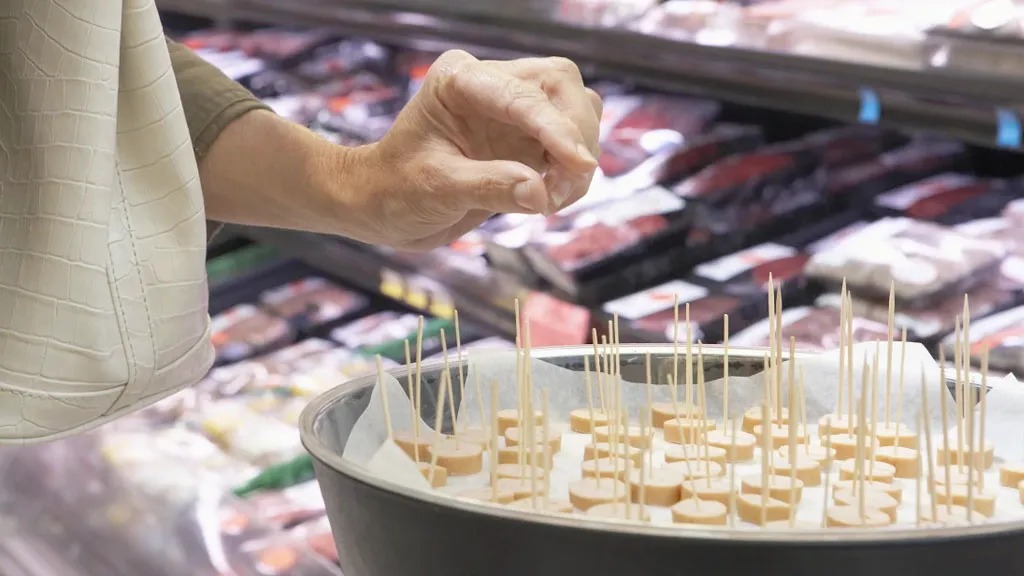 Every product decision carries risk. Whether you are launching something new, refining an existing formulation, or trying to understand why a competitor is gaining ground, the choices you make depend on assumptions about what consumers will actually prefer.
Central location testing offers a structured way to replace those assumptions with evidence, but only if the research is designed around the questions that genuinely matter to your business.
The challenge for many product teams is understanding where CLT fits alongside other research approaches and what it can realistically deliver. Getting that clarity before you commit budget and resources means your investment generates insights you can act on, rather than data that confirms what you already believed without advancing your decisions.
Every product decision carries risk. Whether you are launching something new, refining an existing formulation, or trying to understand why a competitor is gaining ground, the choices you make depend on assumptions about what consumers will actually prefer.
Central location testing offers a structured way to replace those assumptions with evidence, but only if the research is designed around the questions that genuinely matter to your business.
The challenge for many product teams is understanding where CLT fits alongside other research approaches and what it can realistically deliver. Getting that clarity before you commit budget and resources means your investment generates insights you can act on, rather than data that confirms what you already believed without advancing your decisions.


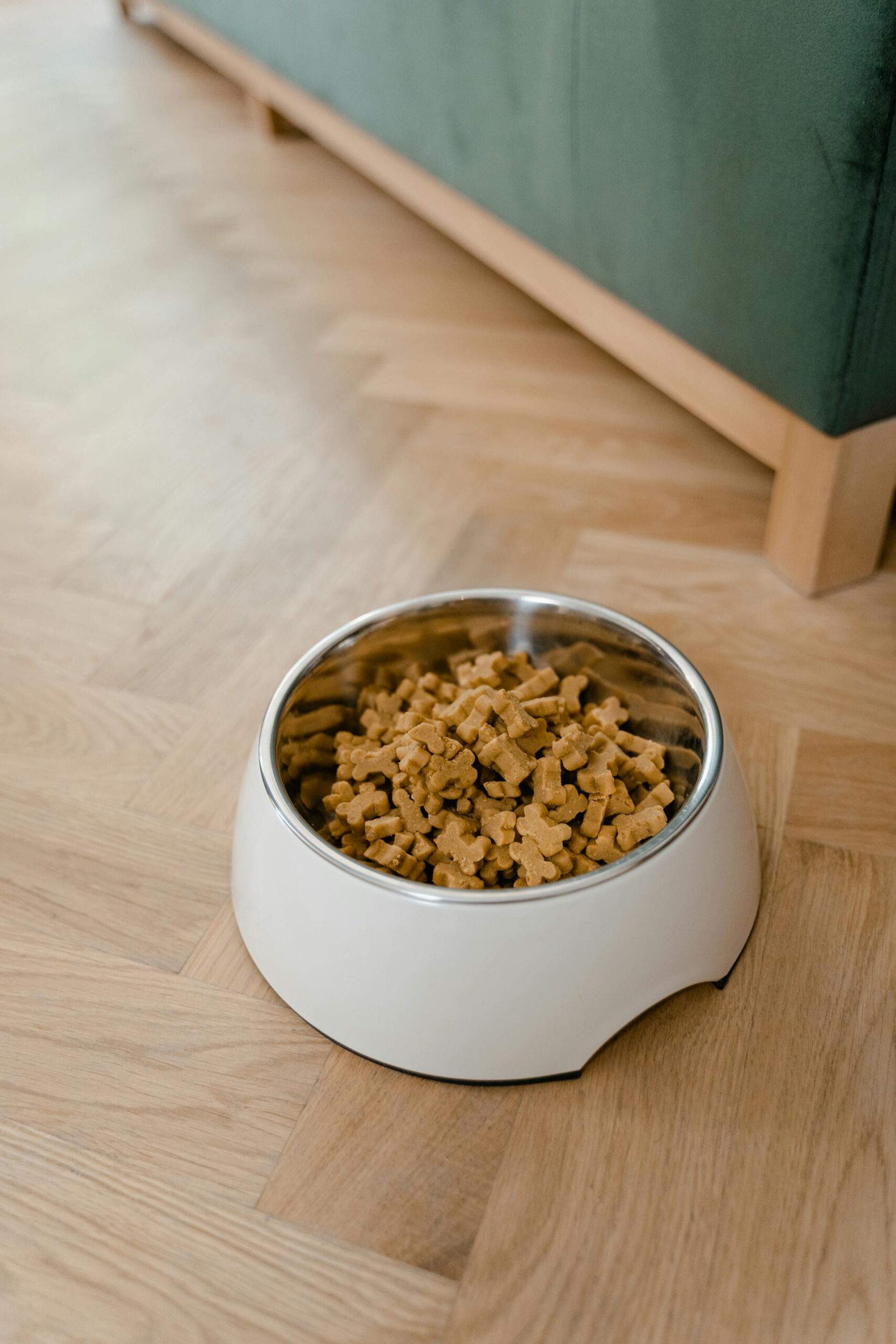













 You might have a product your development team rates highly, but that confidence only goes so far once it sits on a shelf next to established brands that shoppers already know and trust. The question that matters is whether consumers will actually pick yours when they have a dozen alternatives in front of them, and you cannot answer that question without putting your product directly up against the competition.