What Is The Point Of Product Benchmarking?

  1. Home
product benchmarking Product benchmarking is a vital process that ensures your product is up to scratch. Yet, despite its importance, many brands forgo this vital aspect of consumer research. So with that in mind, let’s examine product benchmarking in more detail and explain why, when executed correctly, it can help your brand deliver a product that is head and shoulders above competitors.

What is Product Benchmarking?

Simply put, product benchmarking is the process of putting your product up against leading competitors to understand how it stacks up concerning consumer preferences. You can also use product benchmarking to compare a new formulation of your food or beverage product against an old one. There are several different parameters you can benchmark your product for, including but not limited to taste, smell, and looks. Participants used in product benchmarking are from your target demographic and are the same people who you would market to if introducing the new product to the market. Once the product benchmarking process has taken place, you can factor in these results when developing your marketing strategy and/or make any necessary product changes before launching a new product.

Why Carry Out Product Benchmarking?

There are several benefits that product benchmarking delivers to your organisation. Firstly, it enables you to identify problems with your product and make improvements that are likely to positively impact your bottom line. Secondly, it helps you gain a deeper understanding of your competitors’ success (or lack thereof). You can look at how those brands have marketed their product or understand what constitutes a top-performing taste profile in the eyes of your target customers, for example. You can then look in more detail at what they’ve done well and where they may have fallen short and find opportunities for quick wins. Finally, when benchmarking involves testing a new product against the best-selling food or beverage products in your market, you can use the results to help you launch your brand with superior sales potential while avoiding the pitfalls that many of your competitors may have made before you.

How Is Product Benchmarking Carried Out?

Product benchmarking is most likely to be carried out in a central location testing environment with members of the public who you classify as your target market. Your products and those of your competitors (if doing a competitor analysis) are then evaluated by consumers against a number of criteria (such as appearance, aroma, flavour, texture etc.). The answers are then collated and analysed to understand if there are any statistically significant differences between products for each tested attribute. These findings are presented in a report that you can use to address any critical areas of concern or uncover opportunities for you to tweak your product so that it is likely to outperform leading brands.

Contact Wirral Sensory Services for Your Product Benchmarking Analysis Today

At WSS, we are market leaders in unbiased consumer research. We help leading British and international brands uncover game-changing insights into their products that help them avoid costly mistakes at launch or spot opportunities to secure increased market share. Whether you want to commission a standalone product benchmarking study, or you wish to form an ongoing consumer market research relationship, we are here to help you deliver the best possible consumer products. Contact us today on +44 (0)151 346 2999 or send your enquiry through to info@wssintl.com.

What Are The Different Types Of Central Location Testing?

  1. Home
central location testing Central location testing is a vital piece of the puzzle for brands looking to gain consumer insights into their products. They tend to occur in neutral environments such as shopping centres, department stores, or other locations where the brand wants to have a presence. They provide brands with the opportunity to gain critical customer feedback without many of the biases that can decrease the reliability of the findings and allow research teams to collect all-important non-verbal feedback. However, not all central location tests are the same. Different central location test methodologies provide different insights into consumer reactions, and feedback varies across these individual methodologies. Below are some key differences in types of central location testing.

Monadic Central Location Test

In a monadic test, each participant is exposed to one stimulus. It could be that they only taste one product or only give feedback on the packaging of one product. This test is helpful for brands looking for initial feedback on a new product or packaging concept. This can help them make any last-minute changes before they go into production, saving time and money in the long run.

Paired Comparison Central Location Test

Participants taking part in a paired comparison test are given two products to evaluate. For example, they may be asked to assess the relative taste quality of two products alongside each other. Participants are usually asked to compare them based on a set of standardised criteria to generate relative rankings. This methodology is perfect for brands looking to compare their products against the current market leader. It can also be useful for evaluating similarities and differences between two products and seeing which variables elicit the strongest customer feedback, such as testing different flavours of the same product. You can repeat this test several times to ensure the validity of the results, proving beyond doubt that the findings were not random.

Sequential-Monadic Central Location Test

The sequential-monadic test works the same way as the standard monadic test, except this methodology covers two products. They evaluate the two products separately, and then once those assessments have taken place, participants are asked to re-evaluate together to generate relative rankings. Carrying on the monadic test in this manner neutralises the natural tendency among many participants to exaggerate differences when comparing two products simultaneously.

Contact Wirral Sensory Services for Your Central Location Needs

While the above list of central location testing methodologies is by no means exhaustive (there are other options such as triadic preference testing and proto-monadic testing), they are the most common research methodologies used within the consumer goods industry. At WSS, we’ve carried out central location testing for more than two decades. Our expert team of researchers conduct consumer testing in ways that minimise bias and ensure validity. With consumer research carried out by our team, you can rest assured you receive consumer insights you can trust. So, no matter your specific testing methodology preferences, make sure to contact a member of our team today to discuss your brand’s consumer research project in more detail. We are available via telephone on +44 (0)151 346 2999 or via email at info@wssintl.com.

3 Reasons You Should Put Your Product Through Efficacy Testing

  1. Home
efficacy testing While you might think that your product offers enhanced performance or lasts longer, you cannot make claims regarding those thoughts without first carrying out robust studies to provide evidential proof. The Advertising Standards Agency (ASA) strictly prohibits making unsubstantiated claims in marketing materials (including product packaging). As a consequence, your brand will rely on efficacy testing to prove that your product operates in the manner you claim. With the scientifically-proven statistics that back up the efficacy of your product, you will also have proven that your product lives up to its stated performance. Below we detail three further reasons to put your product through efficacy testing.

Gain Reassurance and Confidence in Your Product’s Performance and Quality

It’s one thing to believe your latest product innovations perform in a certain way, but how can you be sure without objective verification? Efficacy testing provides your brand with the reassurance to ensure all your product claims are accurate. You also gain confidence in your product’s quality. Knowing that a small or non-existent percentage of users have experienced any issues while using your product gives you the confidence to take on current competitors who have won market share through their currently superior product performance claims.

Avoid Fines from Industry Regulators and Potential Lawsuits

As mentioned, making product claims without any evidence is usually a recipe for fines and penalties from industry regulators, and it could leave you open to costly lawsuits. If a customer uses a product as intended and fails to live up to claims made that lack any objective evidence, your brand could find itself on the wrong end of several lawsuits. By investing in efficacy testing, you can avoid such penalties and gain total peace of mind that your product claims will stand up to the scrutiny of any regulator or court of law.

Avoid Reputational Damage from Negative Media Coverage

Having to defend yourself in the media is never a good look. Unsubstantiated claims or lack of evidence for claim performances can come back to bite your brand in the form of negative media coverage. For instance, a customer having a bad experience or suffering an illness or injury due to using or consuming your product as intended can quickly go viral and push your brand into the spotlight. The reputational damage that can occur because of poorly substantiated (or unsubstantiated) claims can hurt future sales, lead to changes in market share, or even result in the closure of a whole line of products.

Choose Wirral Sensory Services for Your Efficacy Testing Today

Making unsubstantiated claims on your products is a risky game to play. It could leave your brand open to negative publicity, regulatory fines, or worse, debilitating lawsuits. The good news is that you can avoid these headaches with effective efficacy testing from experienced companies such as WSS. Not only have we developed and honed our processes to ensure our claim support evidence is iron-clad, but we also have some of the most experienced product researchers in the UK. So whether you just want to have an informal chat about an upcoming research project or have a full efficacy testing briefing ready to go, call us today on +44 (0) 151 346 2999 to get the ball rolling.

What Are the Advantages of Central Location Testing?

  1. Home
central location testing Central location testing is a method of consumer market research that takes place in a controlled environment as opposed to an individual’s home, as is the case within home use product tests. By conducting product research with potential consumers in this manner, brands can secure a number of advantages. With that in mind, let’s discuss those benefits in a little more detail to allow you to understand why you might want to run your brand’s products through one or several central location tests.

Central Location Tests Minimise Bias

When conducting any type of consumer research, bias is always a problem. This is certainly true for home use product tests conducted by consumers themselves, where inherent biases are almost impossible to avoid. However, a central location test monitors everybody together in the same space, within the same parameters, without the chance of outside influences having an impact. Participants are asked the exact same questions in the exact same order, without confusion or pressure. This means that participants are free to express their true feelings towards the product in question whilst not having to worry about anything or anyone potentially influencing or impacting their answers. In short, it’s much more difficult to introduce bias to a central location test because the conditions are identical for everybody.

Central Location Tests Allow You To Observe and Note Indirect Feedback

One of the key advantages of this product research method is that you can also monitor and record indirect feedback such as body language, facial expressions, and vocal responses to the test. Participants may also express opinions regarding how the product feels, whether they like it or not, and even ask researchers questions. By watching and noting these unprompted responses through a central location test, you can more accurately gain insight into what people are really thinking.

Central Location Tests Are Quicker to Process Than Many Other Consumer Research Methodologies

Another great thing about using a central location test within your brand’s consumer research programme is that it’s also much quicker to complete. Online research or home use product testing can take several weeks to complete before analysis and reporting can take place. By contrast, central location testing can take place in a matter of days or less, depending upon how many locations you would like to test at. It’s also good to note that the team at Wirral Sensory Services will do all the legwork for you by finding participants, researchers, and suitable central location test venues. Once your product research project is over, we will then collect all the feedback received and review it for you. From there, we can create in-depth reports and other insightful analyses for you to review.

Choose WSS for Your Central Location Testing Needs Today

Central location tests represent one of the most objective consumer research formats available today. While it won’t suit all products and brands, we strongly recommend conducting research using this methodology to control as many variables as possible. From taste testing to packaging research, we have conducted hundreds of vital product research projects using central location testing here at WSS. If you’re weighing up whether to pursue central location tests for your new and existing product lines, why not email our team today at info@wssintl.com to learn more about how we can help your brand gain valuable insights from your central location tests?

What Is Sensory Research?

  1. Home
sensory research Sensory research is a vital part of consumer product research methodology. And yet, many brands still don’t realise that it’s not always technically part of consumer research since many sensory research methods depend on the work of trained panellists and research scientists. Therefore, with that in mind, this article will run through precisely what sensory research covers and why you need it as part of your product research portfolio.

What is Sensory Research?

As you might have guessed, sensory research involves studying and evaluating a product based on its sensory features (think sight, taste, touch, smell etc.). Sensory research is different to consumer research because it is often carried out by researchers, panellists, and scientists with specialist skills and training. This means that if you want to study the visual appeal of a new range of biscuits, for example, you might utilise a research team of psychologists and imagery experts to provide an objective review of the visual impact of your product packaging. Unlike traditional consumer research, which uses questionnaires or interviews to judge how consumers think about products, sensory research is more objective in nature.

What is Sensory Profiling?

The most common sensory research methodology is sensory profiling. This research method utilises trained panellists with higher than average sensory acuity and a greater ability to identify different tastes and smells. They consume the product and note the differences between a control sample and a variable sample. This research technique helps companies and brands to:
  • Detect sensory differences between your products and those of your competitors.
  • Monitor the effect of a change in ingredient levels via changes in the product’s sensory profile.
  • Assess differences between batches of products to monitor quality control.

Does Sensory Research Ever Involve Consumers?

In short, yes. While many methodologies use trained R&D panellists and scientific researchers, subjective sensory data can still be collected from consumers to help make industry-leading products. For instance, by combining sensory profiling with central location testing, brands can identify key drivers for consumer acceptance. These insights allow them to create a “Gold Standard” product based on consumers’ sensory preferences. Other research methods such as taste testing, while subjective, are also considered to fall under the umbrella of sensory research as it asks for consumers’ opinions regarding the sensory characteristics of a product.

Why Choose Wirral Sensory Services for Your Sensory Research Needs?

Perhaps the clue is in our name. Since 1997, we have been providing best-in-class sensory research services to leading UK brands and international counterparts looking to launch their products into British and European consumer markets. Our sensory panellists are all extensively trained, and our team of researchers have carried out hundreds of sensory studies over our twenty-five-year history. We know what it takes to gain powerful insights into the sensory experience of food and drink products, and we’re proud of the work we produce. So if you’re looking for a sensory research company that has a long track record, an in-depth understanding of sensory research, and a willingness to go the extra mile for your business, then look no further. Talk to our team today on +44 (0)151 346 2999 to discuss your project requirements. We look forward to working with you soon.

Why Choose Home Use Product Testing?

  1. Home
home use product testing Home usage testing or in-home use testing (iHUT), if you prefer, is a product research method that allows brands to monitor the performance of their products within their intended environments. By allowing would-be consumers to put their new or revamped products through their paces, brands can gain deeper insights into how their products function and how consumers interact with them during their designated function. But apart from the obvious change of environment, what makes using this consumer research method a crucial tool on the armoury of leading consumer goods brands?

Home Use Product Testing Delivers More Realistic and Actionable Feedback

While there is always a time and a place to test products in controlled environments, they are not indicative of how a product will perform or be perceived in the real world. Home use product testing allows brands to understand what consumers think about their product in its intended place of use, the ways in which they use their product and, more importantly, assess the way consumers interact with their brand through their products. The ability for brands to determine how these experiences affect consumer loyalty is invaluable. In-home use product testing allows them to tap into less quantifiable qualities such as the extent of brand loyalty, how a product makes them feel, or how brands can improve products to improve consumer perceptions.

Home Use Product Testing Offers a Variety of Consume Feedback Options

Another reason brands like in-home use testing are because it provides a number of methods for soliciting feedback regarding a specific purpose. Rather than having one set method for recording results, companies can change up the way they gather feedback to suit their needs. From in-person interviews to online surveys and questionnaires, there are a myriad of options available for brands conducting home use product testing. By implementing multiple approaches to collecting feedback through in-home use testing, brands can assess different aspects of a product in order to get a more thorough and in-depth understanding of their product and how it stands up to consumer expectations. It also allows companies to gain in-depth insights into different consumer segments that will help target specific marketing campaigns, such as children or women.

Home Use Product Testing Helps Companies to Monitor and Track Performance Before Launch

One of the biggest fears of any company launching a new product is a design fault or performance issue that derails its potential success before it has a chance to get off the ground. Since home use product testing can last for the entirety of the product’s lifespan (if required), brands can closely monitor the product’s performance over longer periods. This allows them to determine if their product is living up to expectations over time and, if not, make changes or corrections before the product is launched. For example, let’s say that after several months of using a new dishwashing liquid, consumers are reporting that they can no longer get their dishes clean. After monitoring and receiving this feedback, the brand can determine that the ingredients in their product have serious longevity issues, causing them to rethink their formula. Catching these potentially fatal issues in testing can protect your company from costly recalls and reputational damage.

Choose Wirral Sensory Services for Your Home Use Product Testing Today

At Wirral Sensory Services, we have thousands of home-based testers (covering all consumer market segments) ready to be called upon. What’s more, our long track record of successfully carrying out home use product tests stands us apart as the UK’s leading provider of this vital consumer research methodology. So, if you want to better understand how consumers feel about your product when used in their intended home environments, please get in touch with WSS today. We are available by phone on +44 (0)151 346 2999 or via email at info@wssintl.com.

Taste Testing

taste testing Whether you’re a startup launching a new product or an established internal brand looking to improve your products, taste testing is a great way to gain critical insights and feedback from potential customers. Not only can you gauge how well your product is likely to perform when compared to the competition, but you can also identify potential areas of improvement and get a sense of what your customers are really looking for.

Why Taste Testing Matters

Taste testing is a worthwhile research activity for several reasons. First, it allows you to get an early sense of how your product is likely to be received by customers. If the response is positive, it can give you the confidence to move forward with production and marketing plans. If the response is negative, on the other hand, it can help you make necessary changes before investing too much time and money in a product that is unlikely to be successful. In either case, taste testing can save you a lot of time and money in the long run by helping you make informed decisions about your product development process. Taste testing can also be useful for identifying potential areas of improvement for your existing product ranges. Even if customers are generally happy with your products, taste testing may uncover some areas where they would like to see improvements. This feedback can be invaluable for making small tweaks that can have a big impact on customer satisfaction. So, what’s involved in taste testing?

What’s Involved in the Taste Testing Process?

The taste testing process can vary depending on the product and the company’s goals, but some key steps are generally followed. First, you’ll need to develop a list of criteria or attributes that you want to test for. This could include flavour, texture, aroma, and overall satisfaction. Once you have your criteria, you’ll need to identify a target group of consumers who are likely to be interested in your product. Your taste testers could be people who regularly consume similar products or an entirely new group of potential customers. After identifying your target group, you’ll need to arrange for a taste test, usually carried out with the help of a specialist consumer research company such as Wirral Sensory Services, who provide taste testers and taste test facilities. During the taste test, panellists will be given a small sample of your product to try and will be asked to rate it against the criteria you’ve established. They may also be asked to provide feedback on their experience and whether they would recommend the product to others. These tests are usually “blind”, meaning that the panellists don’t know which product they’re tasting to prevent bias. After the taste test is complete, research will collate and analyse the results before providing you with a report of their findings. This report will give you valuable insights into how your product performed and where there may be areas for improvement.

How Taste Testing Helps Your Brand

There are a number of ways in which taste testing can help your brand. For instance, testing in this manner can help you to gauge consumer reaction to a new product before it hits the shelves, allowing you to make changes if necessary. Taste tests often reveal consumer preferences that you may not have anticipated, so it’s essential to be open to feedback and willing to make changes based on what you learn. Taste testing can also help you to troubleshoot problems with existing products. If you’re noticing declining sales or customer satisfaction, a taste test can help you to pinpoint the issues and take steps to rectify them. Finally, regular testing also allows you to keep tabs on the competition and ensure that your products are still the best in the market. If the results and analysis show that your product is no longer the preferred option, you can use this information to make changes and improve your offering.

Contact One of the UK’s Leading Taste Testing Companies Today

At Wirral Sensory Services, not only are we trusted by some of the UK’s leading brands, but we’re also passionate about helping businesses to succeed. We offer a range of consumer services that can help you improve your products and stay ahead of the competition, including sensory profiling, packaging research, and of course, taste testing. If you’re interested in finding out more about our services, or if you’d like to arrange a taste test for your product, don’t hesitate to get in touch. Our team of experienced researchers would be more than happy to discuss your needs and help you take your product to the next level.

Central Location Testing

central location testing

Over the years, businesses have come to understand the importance of conducting thorough market research before launching a new or improved product. But, of course, there’s plenty to choose from when it comes to consumer research methods. The most suitable one for your brand depends on factors such as the nature of your product and your target audience.

Getting your choices right is crucial. If you choose the incorrect research method for your product, you might not receive the insightful feedback you need to make the informed decisions regarding your product. 

One of the best ways to eliminate bias from your consumer research is by utilising central location testing. But what does this mean in the context of conducting consumer research?

What is Central Location Testing?

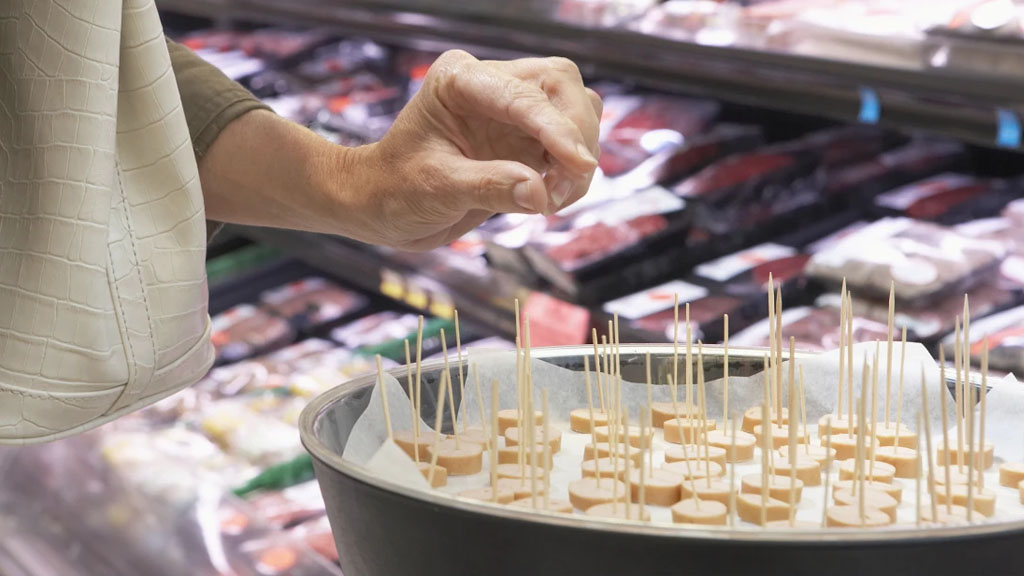
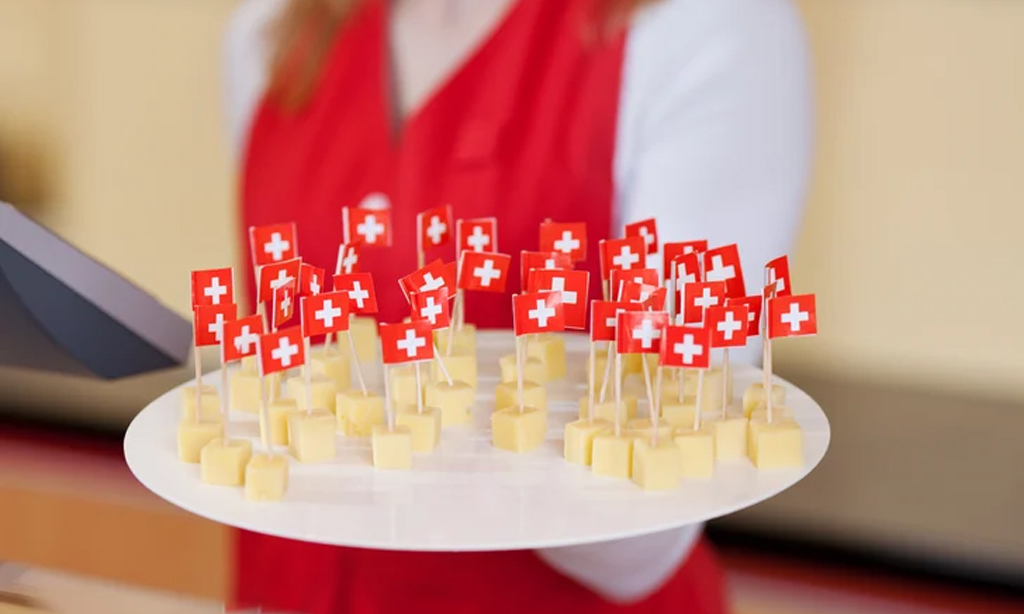
Central location testing is often referred to as hallway testing, as it is usually conducted in controlled community settings, such as supermarket aisles, shopping centres, and inner city-centre eateries. It is a type of product market research that gathers and records feedback directly from consumers.

During the central location testing process, all participants are placed in the same testing conditions, which allows for more objective feedback. There are different central location testing methods, such as the paired comparison test, repeat paired comparison test, and the sequential monadic test. The location and research method used depends on factors such as the feedback you require and the nature of your product.

How Can Central Location Testing from Wirral Sensory Services Benefit Your Business?

Companies and brands of all sizes use central location testing as their preferred research methodology because of its cost-effectiveness, accuracy, and insight.

Central location testing is a cost-effective research method that allows for the collection of accurate data. During the testing process, all participants are exposed to the same stimulants, environments, and assessors, which allows for more unbiased and accurate data collection.

Central location testing also provides insight into what the average consumer thinks about your product. During the tests, participants usually engage directly with researchers, which allows the experienced WSS researchers to capture observational feedback such as the body language and the participants’ facial expressions. 

The observational data received can be particularly useful when conducting taste testing using central location testing as it provides objective insights into what consumers think about the taste, smell, and appearance of your product.

Besides consumer insights, central location testing can also act as a helpful marketing and brand awareness activity. During the testing process, many consumers will be exposed to your product, and as they engage with it, you will, in turn, benefit from increased brand awareness. Consumer awareness directly impacts your sales, rendering central location testing ideal for both new and existing brands.

Why Choose Central Location Testing from Wirral Sensory Services?

To enjoy the benefits of central location testing, you must choose the correct research method. At Wirral Sensory Services, we have helped leading UK brands to choose and conduct the most suitable research methodology for their brands.

Our team of trained researchers have more than 20 years of experience in conducting research within the food, beverage, and household products industry. The feedback our researchers provide is accurate, unbiased, and allows many of the UK’s leading brands to create products that consumers love.

Whether you are a new brand entering the market or an existing brand trying to expand your market share, the experienced researchers at Wirral Sensory Services can help your product succeed. Contact us today to learn more about how our research methodologies can help you create an industry-leading product.


Sensory Profiling

Great-tasting food products do not just appear out of thin air. Before a best-selling food or beverage product reaches the supermarket or retail shelves, it’s always subjected to sensory profiling and taste testing. Sensory profiling is an essential part of the testing and development process of food and beverage products. It is an impartial research methodology that allows for a specific analysis of the sensory qualities of products by highly-trained experts. So, how can sensory profiling help your brand?

What Is The Difference Between Sensory Profiling And Taste Testing?

A food product’s appearance, flavour, texture and odour largely determine its acceptability by the market. These attributes are crucial to the success of the product. During the sensory profiling period, trained panellists quantify these attributes and assess them against crucial parameters. In doing so, they can help businesses create a balanced product that is more likely to be accepted by their target market. The sensory assessors do this by creating a specific sensory profile for your food product. You can then compare that sensory profile to new formulations and even competing products.  Taste testers, on the other hand, are often made up of a panel of volunteers who share their personal preferences. Whether they ‘like’ a product is useful, but it is not enough. A sensory panel comprises a pool of respondents who have a higher-than-average sensory acuity, and a greater ability to distinguish between different tastes and smells.

Why Is Sensory Profiling Important? 

Sensory profiling is an impartial research methodology that can provide specific insights into your product. This makes it an essential part of food and beverage market research and development. This sensory research allows you to create a unique product that is objectively different from those of your competitors. It uncovers the difference in attributes like taste and smell scientifically, rather than relying on an individual’s opinion.  Sensory profiling can also be combined with taste testing to give your product an edge. For sentence, sensory assessors can help you develop a sensory profile of a competitor’s product, which can be combined with taste tester’s opinions. This provides an opportunity to create a roadmap to a science-backed product that’s more than likely to win your target market’s approval. Sensory profiling can also be used to monitor how changes in a product’s formulation affect its profile. The research can even be used to uncover quality issues in products too. This makes sensory profiling an invaluable part of high-quality product testing and development.

What Does Sensory Profiling Involve? 

The sensory profiling process is relatively simple. First, your product is submitted to a sensory research company, like Wirral Sensory Services. We then compile a panel of experienced sensory assessors to perform a sensory analysis. During the analysis, the product’s attributes will be assessed. A comprehensive report on the sensory factors like smell, taste, and texture will be developed to create a measurable profile. This sensory profile can then be utilised to develop an in-house alternative to uncover differences between existing product variants and competing products.

Why Choose Wirral Sensory Services For Your Sensory Research Requirements?

Wirral Sensory Services have been the leaders in sensory research for over 20 years. Our sensory profiles have helped leading UK food and beverage brands stay ahead of the curve. Our panel of experienced sensory assessors is one of the best in the country. It has allowed us to provide accurate and comprehensive overviews of product changes and taste trends that have directly correlated with revenue increases.  Our sensory research has allowed our clients to maximise sales by developing the best tasting products. Contact us today to subject your new or existing product to our objective, robust, and industry-leading sensory research panel to bolster your chances of securing a foothold in your chosen market. 

How Does Sensory Research Differ from Consumer Research?

sensory profiling

To turn your great idea into a profitable product, you’ll need time and the support of experts. While some brands only conduct market research before launching the products, successful brands include sensory research before launching new and improved products onto the market.  

So, why should you invest in sensory research? Below we provide a guide to sensory research, explaining how it can help you develop an industry-leading product.

What is Sensory Research? Is it Just Another Element of Consumer Research?

Sensory research is a science. The researchers use different methodologies to evaluate your product’s sensory attributes and characteristics such as taste, smell, touch, and appearance.

Sensory research is essential for your product’s success. At the end of the day, your product’s attributes determine how consumers experience it. More importantly, a consumer’s sensory experience can directly influence your profit margins as they won’t buy products they don’t enjoy eating, drinking, or using.

Sensory research is particularly important in the food and beverage industry. A recent study confirmed just how important the sensory attributes of a product are to consumers. Just over 86% of participants surveyed in the study said that a product’s taste is a very or extremely important factor in their food choices. 

But taste is only one characteristic that’s important to consumers. If your product does not smell nice or the packaging is bland, it won’t make its way from the supermarket shelf into a customer’s shopping trolley. That’s why scientists, R&D teams, and even marketing departments all invest so much into sensory research and benefit from the insights provided. 

However, sensory research is not exclusively consumer research. Unlike consumer testing, a trained specialist must conduct some elements of sensory research. Brands who want to use sensory research to enhance their products must partner with trained tasting panellists or insight specialists to ensure that their findings are accurate and useful.

In other words, while sensory research and consumer research sometimes overlap, a large proportion is carried out by trained professionals.  

Why Use a Sensory Panel for Your Product Research?

Sensory panels consist of trained panellists who objectively assess and test your product. Trained sensory panellists have above-average sensory acuity, which allows them to identify even the most subtle smell or taste.

The sensory research process will generally start with the trained panellists. Once the experts have assessed your product’s sensory nature and found that it is up to standard, you can choose to implement opinion-based sensory research, such as taste testing. 

While taste testing captures your target market’s opinion of your product, the feedback from sensory panellists is even more critical. An objective, scientifically-backed product is more likely to meet subjective consumer taste preferences. The product will be more balanced and appealing. Without objective testing, you won’t know if your product has any fundamental issues, which could present problems in future product development stages. 

Trained sensory panellists can save you time and money. They can provide critical feedback that can be used to tweak the product before it goes for further testing or moves into production. 

Why Choose WSS International to Carry Out Your Sensory Research? 

At Wirral Sensory Services, we’ve seen just how vital sensory research is for all industries and all products. Although all types of product research can be beneficial, sensory research differs from many subjective consumer testing methodologies we offer, such as home-use testing or focus group studies. Sensory research allows for product optimisation based on objective, scientifically obtained findings.

Our sensory professionals can deliver vital insights into the taste, smell, touch, and even the sound of your product. The data collected during sensory research can then be used to develop high-quality consumer products that are more appealing to all your target audience.

Whether you’re an existing brand, launching a new product, or an established brand trying to improve your competitiveness in the marketplace, we can help. Contact us today, and one of our experienced team members can walk you through the sensory research process.