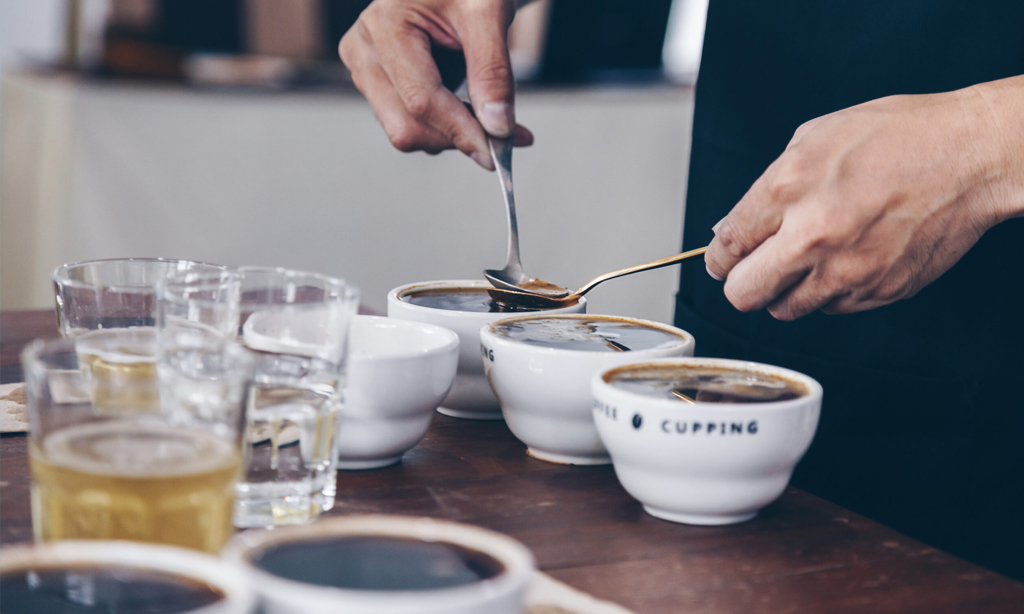
To turn your great idea into a profitable product, you’ll need time and the support of experts. While some brands only conduct market research before launching the products, successful brands include sensory research before launching new and improved products onto the market.
So, why should you invest in sensory research? Below we provide a guide to sensory research, explaining how it can help you develop an industry-leading product.
What is Sensory Research? Is it Just Another Element of Consumer Research?
Sensory research is a science. The researchers use different methodologies to evaluate your product’s sensory attributes and characteristics such as taste, smell, touch, and appearance.
Sensory research is essential for your product’s success. At the end of the day, your product’s attributes determine how consumers experience it. More importantly, a consumer’s sensory experience can directly influence your profit margins as they won’t buy products they don’t enjoy eating, drinking, or using.
Sensory research is particularly important in the food and beverage industry. A recent study confirmed just how important the sensory attributes of a product are to consumers. Just over 86% of participants surveyed in the study said that a product’s taste is a very or extremely important factor in their food choices.
But taste is only one characteristic that’s important to consumers. If your product does not smell nice or the packaging is bland, it won’t make its way from the supermarket shelf into a customer’s shopping trolley. That’s why scientists, R&D teams, and even marketing departments all invest so much into sensory research and benefit from the insights provided.
However, sensory research is not exclusively consumer research. Unlike consumer testing, a trained specialist must conduct some elements of sensory research. Brands who want to use sensory research to enhance their products must partner with trained tasting panellists or insight specialists to ensure that their findings are accurate and useful.
In other words, while sensory research and consumer research sometimes overlap, a large proportion is carried out by trained professionals.
Why Use a Sensory Panel for Your Product Research?
Sensory panels consist of trained panellists who objectively assess and test your product. Trained sensory panellists have above-average sensory acuity, which allows them to identify even the most subtle smell or taste.
The sensory research process will generally start with the trained panellists. Once the experts have assessed your product’s sensory nature and found that it is up to standard, you can choose to implement opinion-based sensory research, such as taste testing.
While taste testing captures your target market’s opinion of your product, the feedback from sensory panellists is even more critical. An objective, scientifically-backed product is more likely to meet subjective consumer taste preferences. The product will be more balanced and appealing. Without objective testing, you won’t know if your product has any fundamental issues, which could present problems in future product development stages.
Trained sensory panellists can save you time and money. They can provide critical feedback that can be used to tweak the product before it goes for further testing or moves into production.
Why Choose WSS International to Carry Out Your Sensory Research?
At Wirral Sensory Services, we’ve seen just how vital sensory research is for all industries and all products. Although all types of product research can be beneficial, sensory research differs from many subjective consumer testing methodologies we offer, such as home-use testing or focus group studies. Sensory research allows for product optimisation based on objective, scientifically obtained findings.
Our sensory professionals can deliver vital insights into the taste, smell, touch, and even the sound of your product. The data collected during sensory research can then be used to develop high-quality consumer products that are more appealing to all your target audience.
Whether you’re an existing brand, launching a new product, or an established brand trying to improve your competitiveness in the marketplace, we can help. Contact us today, and one of our experienced team members can walk you through the sensory research process.

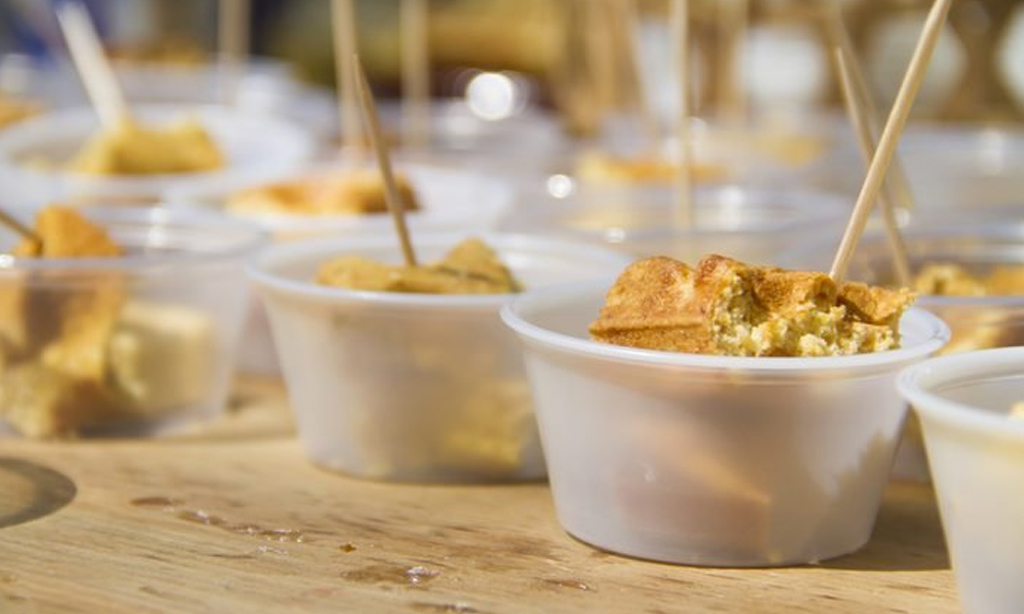 Great-tasting food products do not just appear out of thin air. Before a best-selling food or beverage product reaches the supermarket or retail shelves, it’s always subjected to sensory profiling and taste testing.
Sensory profiling is an essential part of the testing and development process of food and beverage products. It is an impartial research methodology that allows for a specific analysis of the sensory qualities of products by highly-trained experts.
So, how can sensory profiling help your brand?
Great-tasting food products do not just appear out of thin air. Before a best-selling food or beverage product reaches the supermarket or retail shelves, it’s always subjected to sensory profiling and taste testing.
Sensory profiling is an essential part of the testing and development process of food and beverage products. It is an impartial research methodology that allows for a specific analysis of the sensory qualities of products by highly-trained experts.
So, how can sensory profiling help your brand?


 In 2020, UK citizens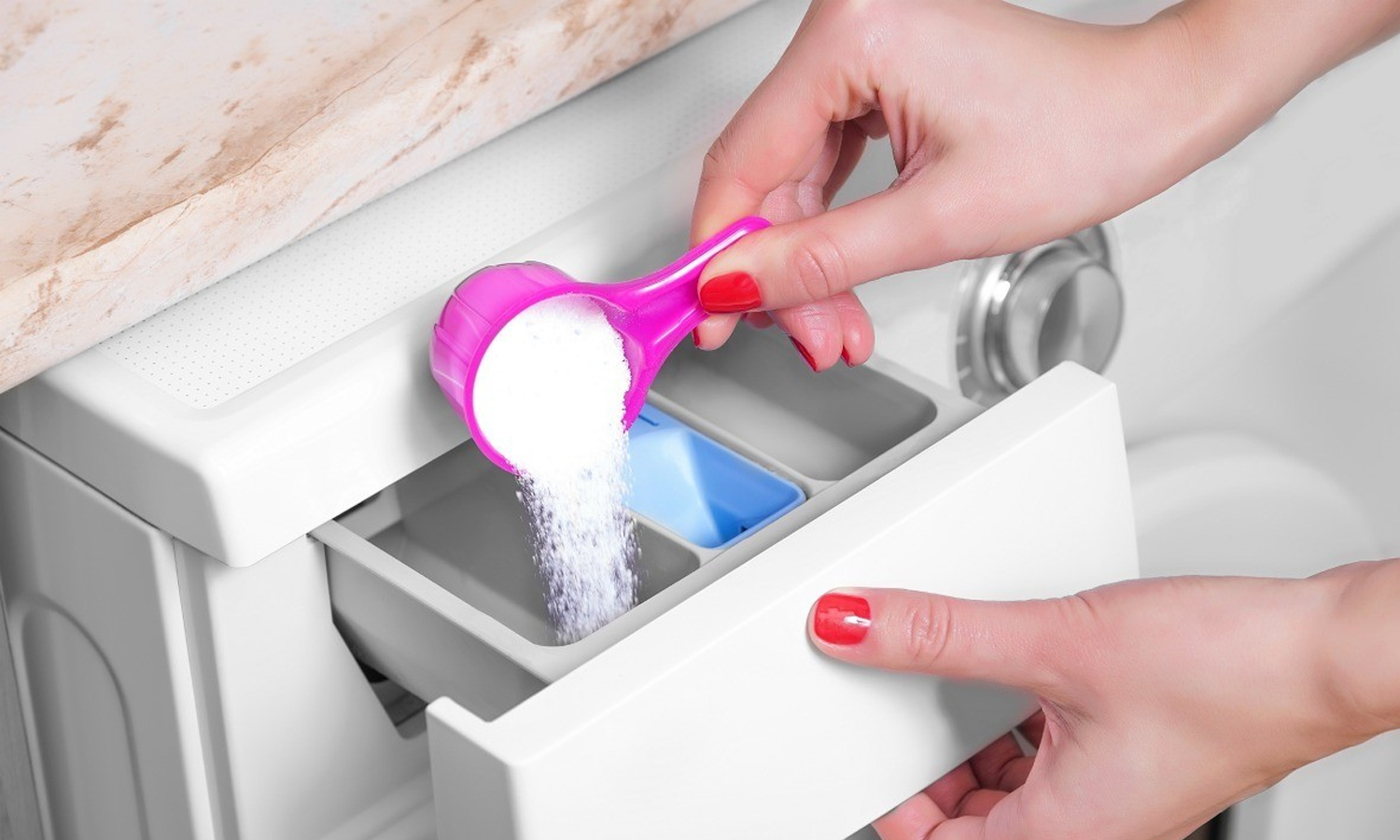
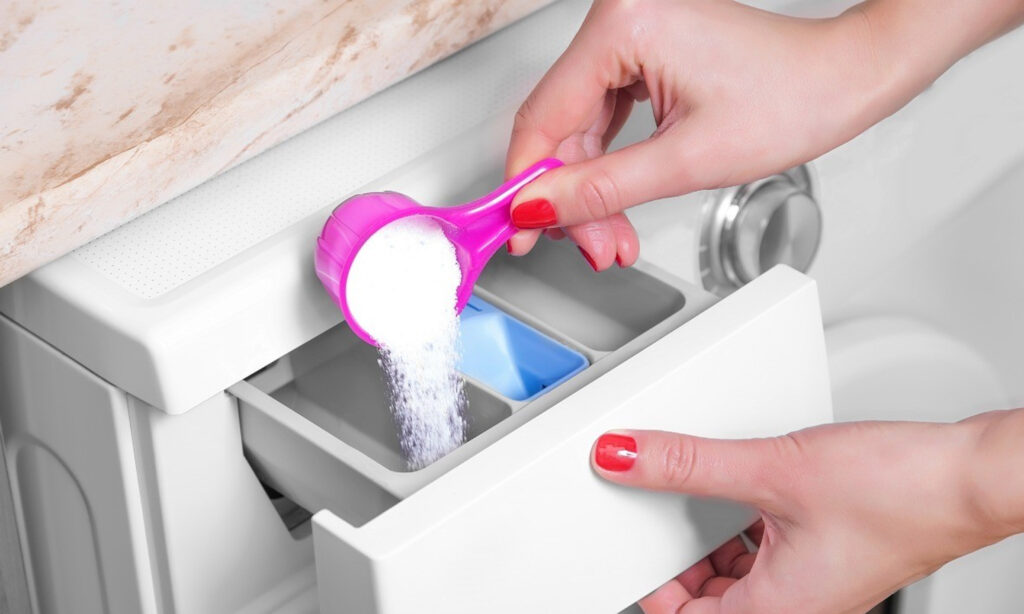 While no brand ever sets out to fail, hundreds of UK food and beverage brands do just that every year. Many of the failures occur because brands simply aren’t meeting their target audience’s expectations.
Whether your product packaging is too dull or the taste is too bland, you won’t know what consumers think unless you ask them. Product research allows brands to connect with customers meaningfully. By asking the right questions, you can gather the insightful data you need to make the changes your brand needs to become or remain successful.
Central location testing and home use testing are effective
While no brand ever sets out to fail, hundreds of UK food and beverage brands do just that every year. Many of the failures occur because brands simply aren’t meeting their target audience’s expectations.
Whether your product packaging is too dull or the taste is too bland, you won’t know what consumers think unless you ask them. Product research allows brands to connect with customers meaningfully. By asking the right questions, you can gather the insightful data you need to make the changes your brand needs to become or remain successful.
Central location testing and home use testing are effective 
 Before a product is launched, it must undergo a rigorous testing process to measure its effectiveness. Efficacy testing gives brands the evidence and the certainty that the product will perform as advertised in marketing materials.
Some food, beverage, household product brands view efficacy testing as a burden and try to launch products without scientifically substantiating their claims. However,
Before a product is launched, it must undergo a rigorous testing process to measure its effectiveness. Efficacy testing gives brands the evidence and the certainty that the product will perform as advertised in marketing materials.
Some food, beverage, household product brands view efficacy testing as a burden and try to launch products without scientifically substantiating their claims. However, 
 Creating a high-quality product that the market will respond to requires input from experts. Whether you are a startup or an established brand, it is essential to invest in product research that gives you the certainty you need to produce a product that will thrive in your chosen market.
With so many research options available, it can be challenging to know which strategy to prioritise. Some brands focus on taste testing to determine if their product will meet consumer standards. Although helpful, this research is subjective and does not guarantee market acceptance. To improve their chances of market success, brands are using sensory profiling to develop industry-leading products.
So, what is the difference between sensory profiling and taste testing? Below we provide a guide to
Creating a high-quality product that the market will respond to requires input from experts. Whether you are a startup or an established brand, it is essential to invest in product research that gives you the certainty you need to produce a product that will thrive in your chosen market.
With so many research options available, it can be challenging to know which strategy to prioritise. Some brands focus on taste testing to determine if their product will meet consumer standards. Although helpful, this research is subjective and does not guarantee market acceptance. To improve their chances of market success, brands are using sensory profiling to develop industry-leading products.
So, what is the difference between sensory profiling and taste testing? Below we provide a guide to