Why Guesswork Doesn’t Work: Scientific Approaches to Fragrance Selection in Product Development

fragrance technology You might think you know what your customers want when it comes to fragrance selection. After all, you understand your brand, your product category, and current market trends. However, with virtually infinite fragrance combinations available, relying on intuition alone is a risky strategy that can lead to costly mistakes in product development. The truth is that fragrance plays a crucial role in how consumers perceive and accept your product. It’s not just about creating a pleasant smell – your product’s fragrance needs to mask base odours, perform consistently throughout use, and reinforce your brand positioning. That’s why replacing guesswork with scientific selection methods has become essential for brands that want to get their fragrance choice right the first time.

The Multiple Roles of Fragrance in Products

Your product’s fragrance does far more heavy lifting than you might realise. Every fragrance must effectively mask base odours – particularly important in household products where cleaning agents and other functional ingredients can create unwanted smells. Getting this wrong can immediately put consumers off, regardless of how well your product performs. The sensory experience of your fragrance directly influences consumer acceptance. Research shows that consumers make quick judgements about product quality based on smell, often before they’ve even tried the product. This becomes even more critical in personal care and household products, where the fragrance needs to perform throughout the entire usage cycle. Brand positioning also relies heavily on fragrance choices. Luxury products require sophisticated scent profiles, while products marketed as natural or eco-friendly need fragrances that align with these values. Your fragrance selection can either strengthen or undermine your brand’s market position, making scientific selection methods crucial for success.

The Problems with Traditional Selection Methods

Traditional fragrance selection often relies too heavily on personal preferences and gut feelings. When key decision makers choose fragrances based on their own tastes or limited market understanding, the results can be unpredictable and costly. This subjective approach leads to inconsistent results and wasted resources, with multiple reformulations eating into development budgets and timelines. More importantly, it can damage retailer confidence. Buyers need evidence that your product will perform well, and subjective fragrance selection doesn’t provide the reassurance they want.

Scientific Fragrance Selection: A Better Approach

Scientific fragrance selection replaces guesswork with reliable, measurable data. At its core, this approach uses trained assessor panels who evaluate fragrances using specific olfactory descriptors – detailed characteristics that precisely define each aspect of a fragrance’s profile. Key components of scientific selection include:
  • Comprehensive fragrance profiling: 
    • Generation of specific olfactory descriptors
    • Evaluation across multiple product stages
    • Assessment of fragrance changes during use
    • Comparison against competitor products
  • Expert assessment panels who: 
    • Use standardised evaluation methods
    • Track fragrance performance through the entire usage cycle
    • Create detailed fragrance profiles
    • Enable multivariate mapping of results
This systematic approach delivers clear, actionable data about how your fragrance will perform in real-world conditions, helping you make informed decisions based on evidence rather than assumptions. fragrance testing services

The Business Benefits Behind Scientific Selection of Fragrances

Scientific fragrance selection directly impacts your bottom line. By understanding exactly how your fragrance performs across its entire lifecycle, you can avoid costly reformulations and reduce development time. More importantly, you’ll launch products that genuinely meet consumer expectations the first time. Key business advantages include:
  • Faster route to market with fewer adjustments needed
  • Stronger evidence for retailer presentations
  • Reduced risk of product returns or complaints
  • Better alignment with consumer preferences
  • More efficient use of development resources
When you can demonstrate that your fragrance choices are based on solid data rather than assumptions, you build credibility with retailers and strengthen your market position. This scientific approach helps protect your investment and increases the likelihood of product success.

Implementing Scientific Fragrance Selection

Starting with scientific fragrance selection means first understanding your product’s complete journey – from initial consumer interaction through to final use. Your fragrance needs to perform at every stage, whether that’s in a bottle on a shelf, during application, or hours after use. Success depends on clear objectives and thorough testing protocols. Start by defining exactly what you need your fragrance to achieve – whether that’s masking certain ingredients, maintaining performance through a wash cycle, or creating specific sensory associations. Then, ensure your testing covers all these requirements systematically. Watch out for common mistakes. Don’t rush the process or skip testing stages to meet launch deadlines. Similarly, avoid focusing solely on the initial fragrance impact while neglecting performance over time. Remember that thorough testing early in development actually saves time and resources compared to making changes after launch.

Partner with WSS for Scientific Fragrance Development

Looking to transform your fragrance selection process from intuition to evidence-based decision making? Our specialist multivariate mapping expertise and trained assessor panels with decades of experience provide the detailed insights you need for successful fragrance development. Transform your approach to fragrance selection by speaking to our team at Wirral Sensory Services about your next project. Whether you need comprehensive fragrance profiling or competitive product analysis, we’ll help you make informed choices backed by scientific data. Call +44 (0)151 346 2999 or email info@wssintl.com today to start your journey toward better fragrance selection.

Why Consumer Acceptance Testing Matters More in Economic Downturns

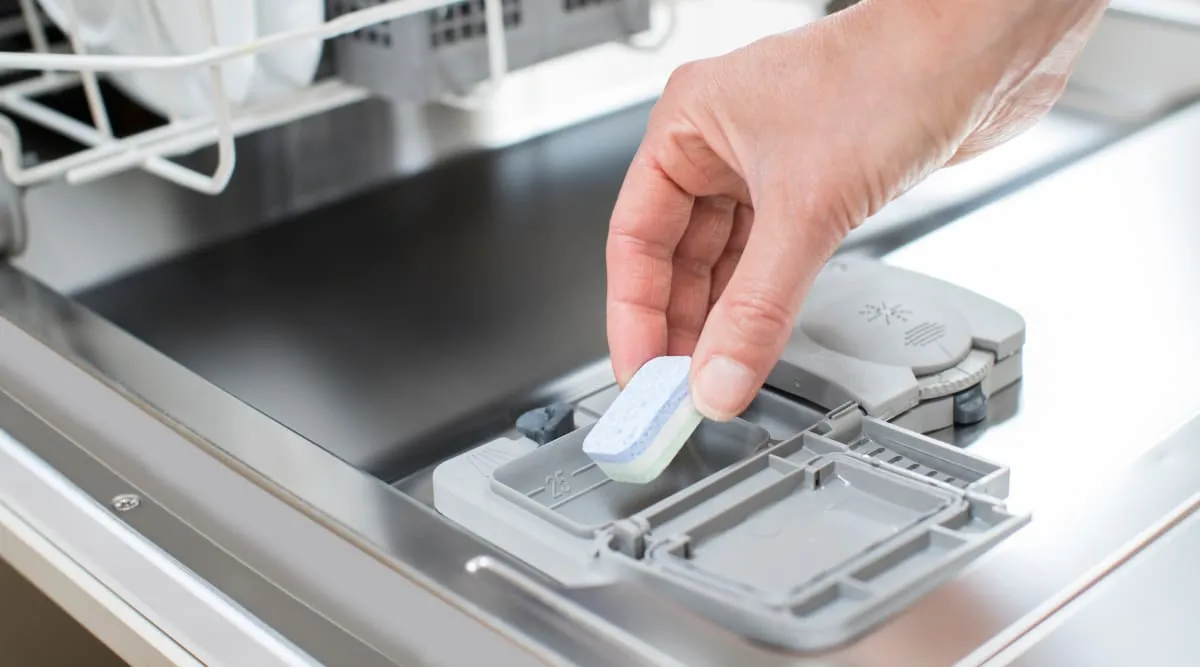
ihut dishwasher tablets In times of economic uncertainty, the ways consumers interact with products changes dramatically.  You’ll likely have noticed this shift already: from increased price sensitivity to a greater focus on proven quality over experimentation. With inflation continuing to squeeze household budgets and consumer confidence remaining volatile, launching new products or reformulating existing ones carries more risk than ever before. That’s why consumer acceptance testing has become increasingly vital to product success. When margins are tight, and consumer spending is constrained, you simply can’t afford to launch products that don’t meet customer expectations. The good news is that thorough testing can provide the reassurance you need that your product will perform well in the market, while also highlighting any areas that need improvement before launch.  Given that’s the case, let’s examine why this type of testing becomes even more crucial during challenging economic conditions.

The Shifting Landscape of Consumer Behavior

The way consumers approach purchasing decisions shifts dramatically during economic downturns. Recent research from PwC shows that 69% of consumers are now pulling back on non-essential spending as living costs continue to rise, with 90% adopting various cost-saving behaviours. This widespread change in spending habits means your products face increased scrutiny from consumers who are being more selective with their money. One of the most significant challenges you’ll face during these periods is the rise in private-label adoption. Research published in the Journal of Marketing has shown that consumers switch more extensively to store brands during economic downturns than they switch back to national brands during recovery periods.  This creates a double challenge: You must not only convince consumers to keep buying branded products but also ensure your product delivers enough value to justify its price position. It’s no longer enough to rely on brand loyalty alone – your product must clearly demonstrate its worth to increasingly discerning consumers. The balance between price sensitivity and quality expectations has become more complex. While consumers are certainly more price-conscious, they’re not simply looking for the cheapest option. Instead, they’re carefully weighing up quality against cost, seeking products that deliver the best value for their money.  This means your product needs to hit the sweet spot between price and performance – a target that consumer acceptance testing can help you identify. sensory testing

Higher Stakes in Product Development

During economic downturns, the risks associated with product launches increase substantially. Here’s what you’re up against:
  • Market penetration becomes more challenging as retailers reduce the number of new products they’re willing to stock
  • Competition for limited shelf space intensifies, with existing products fighting harder to maintain their position
  • Development timelines and resources face greater scrutiny, with less room for costly reformulations
  • The window for success narrows, as consumers become less willing to experiment with new products
Getting it right the first time isn’t just desirable – it’s essential. With development budgets under pressure and retailers becoming more selective about new listings, you simply can’t afford the luxury of multiple launches or major reformulations. This is where robust consumer acceptance testing becomes your safety net, helping ensure your product meets market expectations before you commit to a full launch.

Consumer Acceptance Testing: A Critical Safety Net

Consumer acceptance testing provides objective data about your product’s core sensory attributes – the elements that often directly influence purchasing decisions and repeat buys. Here’s what comprehensive testing evaluates: Product attributes:
  • Appearance: First impressions that drive initial purchase – including packaging
  • Aroma: Often the second checkpoint for consumer acceptance
  • Flavour: The make-or-break moment for food and beverage products
  • Texture: A critical but often overlooked component of product satisfaction
This thorough evaluation creates powerful evidence for retailers, who need reassurance that new products will perform well on their shelves. When presented with robust consumer acceptance data, retailers can:
  • Make informed decisions about stocking your product
  • Feel confident about your product’s quality standards
  • Trust that there’s genuine market demand for your offering
In today’s cautious retail environment, this kind of objective validation isn’t just helpful – it’s often the key that unlocks valuable shelf space. ihut testing

The Cost-Benefit Analysis of Customer Acceptance Testing

Think of consumer acceptance testing as an insurance policy for your product launch. While testing requires upfront investment, it’s a fraction of the cost of a failed launch or major rebrand. During economic uncertainty, this becomes even more crucial. Remember, retailers are less forgiving of products that don’t perform, and winning back lost shelf space is particularly challenging at the moment.  The key benefits are clear: reduced risk of costly reformulations, stronger relationships with retailers, and protected market position. When you consider that a failed product launch can cost hundreds of thousands of pounds in development, production, and listing fees, the investment in thorough testing quickly pays for itself.

Take the Next Step in Your Product’s Success with WSS Today

Consumer acceptance testing is vital to product success, especially during challenging economic periods. Thorough testing validates your product’s sensory qualities and builds the retailer confidence you need for a successful launch. Ready to protect your product launch investment? Contact our team at Wirral Sensory Services for an informal chat about your requirements on +44 (0)151 346 2999 or email info@wssintl.com. Whatever stage you’re at in your product development journey, we’re here to help ensure your success.

Listening to Customers: How Consumer Research Creates Products People Actually Want

Consumer research has long been the backbone of successful product development. By tapping into your target audience’s thoughts, preferences, and behaviours, you can create products that truly resonate with them. This approach increases the chances of market success and helps build stronger relationships with your customers. However, many companies still rely on guesswork or internal opinions when developing new products, leading to costly mistakes and missed opportunities. Consumer research, on the other hand, provides a clear path to understanding what your customers actually want, need, and are willing to buy. So, let’s dive into how consumer research achieves this outcome and why it should form part and parcel of your product development process. sensory testing

Why Consumer Research Matters

Developing products without consumer input is a risky business. You might spend significant time and resources on a product that fails to gain traction in the market. Consumer research helps mitigate this risk by providing valuable insights before you commit to full-scale production. Investment in proper consumer research allows you to involve consumers early in the development process, identify potential issues, refine your concepts, and ensure your product meets real market needs. It’s undoubtedly one of the best ways to significantly reduce product failure rates and increase your return on investment.

Key Benefits of Consumer Research

Allows You to Better Understand Customer Needs

Consumer research allows you to dig deep into the minds of your target audience. Through various research methods, you can uncover their pain points, desires, and unmet needs through various research methods. This information is gold when it comes to product development. For example, through taste testing and sensory profiling, you might discover that while customers enjoy the flavour of existing low-sugar soft drinks, they’re frustrated by the lingering artificially sweet aftertaste. This insight could lead to the development of a new sweetener blend or flavour masking technique that eliminates the aftertaste while maintaining the desired low sugar content. By uncovering (and subsequently addressing) this specific consumer pain point, you’re more likely to create a product that stands out in the crowded but lucrative soft drink market and gains a loyal following among health-conscious consumers.

Helps to Validate Product Concepts

Before investing heavily in a new product, validating your concept with potential customers is crucial. In that respect, consumer research provides a platform for testing your ideas and gathering feedback early in the development process. This early validation can save you from costly mistakes. If consumers respond positively to your concept, you can move forward with confidence. If they highlight concerns or suggest improvements, you can refine your idea before committing significant resources. This iterative process helps ensure that your final product aligns with customer expectations and market demands.

Gives You the Opportunity to Optimise Product Features

Once you have a solid product concept, consumer research can help you fine-tune its features. By understanding which aspects are most important to your target audience, you can prioritise your development efforts effectively. This process often involves trade-offs. You might find that while consumers love a particular feature, they’re not willing to pay extra for it. Or you might discover that a feature you thought was crucial is actually less important to your target market. These insights allow you to create a product that offers the right balance of features at the right price point.

Improves Your Marketing Strategies

Consumer research doesn’t just inform product development. It also provides valuable insights for marketing. By understanding your target audience’s preferences, behaviours, and motivations, you can craft more effective marketing messages and choose the most appropriate channels to reach them. This alignment between product features and marketing messages is crucial for success. When your marketing accurately reflects the benefits that matter most to your customers, you’re more likely to attract their attention and convert interest into sales. consumer research

Effective Consumer Research Methods

Now you’re aware of the benefits of consumer research and why it matters so much, it’s worth covering some of the more popular methods for consumer research to allow you to assess which one(s) represents the best fit for your brand. There are various methods for conducting consumer research, each with its own strengths. Surveys and online questionnaires can provide quantitative data from a large sample size, while focus groups offer in-depth qualitative insights. In-home usage tests allow you to see how your product performs in real-world conditions, and central location tests provide a controlled environment for product evaluations. The choice of method depends on your specific research goals, budget, and timeline. Often, a combination of methods yields the most comprehensive insights. At Wirral Sensory Services, we can help you determine the most appropriate research methods for your unique needs.

Turning Research into Action

Of course, gathering consumer data is only half the battle. The real value comes from interpreting this data effectively and implementing the insights in your product development process. This requires a careful analysis of the research results and the ability to translate findings into actionable strategies. It’s important to involve key stakeholders from various departments in this process. By sharing consumer insights across your organisation, you can ensure that everyone is aligned in creating a product that meets customer needs. This collaborative approach can lead to more innovative solutions and a stronger final product. taste testing

Count on Wirral Sensory Services for All Your Consumer Research Needs

Consumer research is a powerful tool for creating products that people actually want rather than you think they might need. By listening to your customers and involving them in the development process, you can increase your chances of market success and build stronger customer relationships. If you’re ready to leverage powerful consumer research methods for your next product, we’re here to help. At Wirral Sensory Services, we have over 25 years of experience in conducting effective consumer research across various industries. Our team can guide you through the entire process, from selecting the right research methods to interpreting the results and implementing the insights. Don’t leave your product’s success to chance. Contact us today at +44 (0)151 346 2999 or email info@wssintl.com to discuss how we can help you create products that deliver precisely what your target audience is looking for.

Quantifying the Impact of Product Changes Through Packaging Research

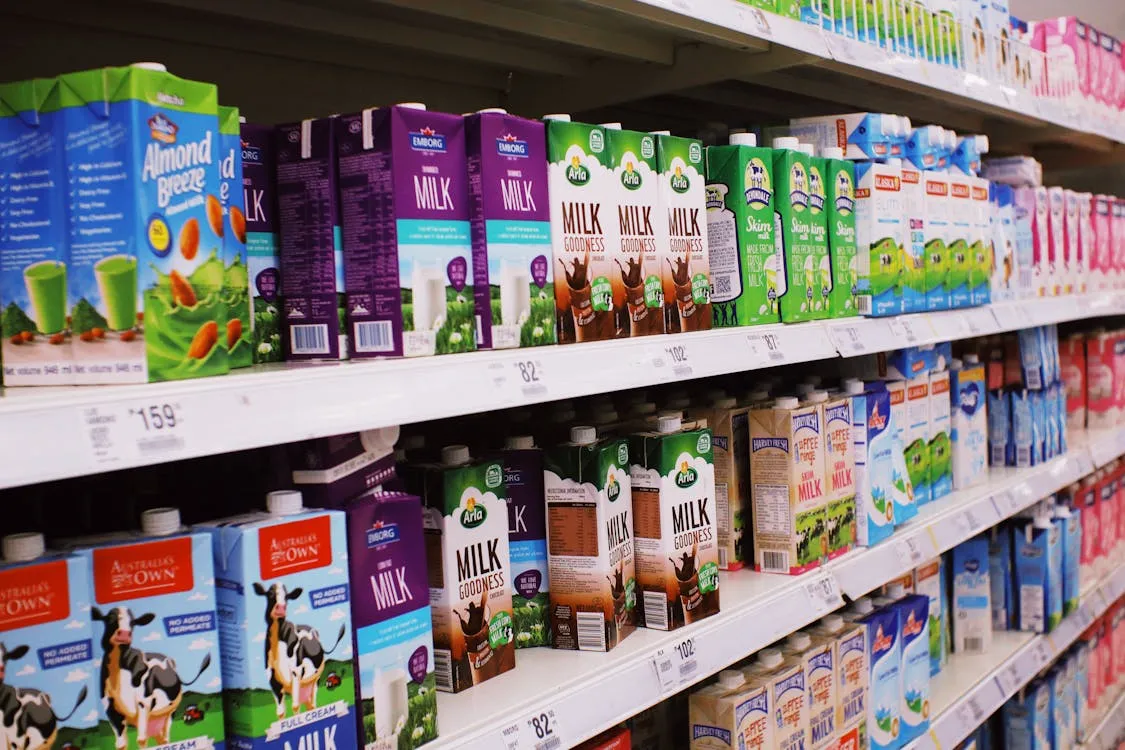
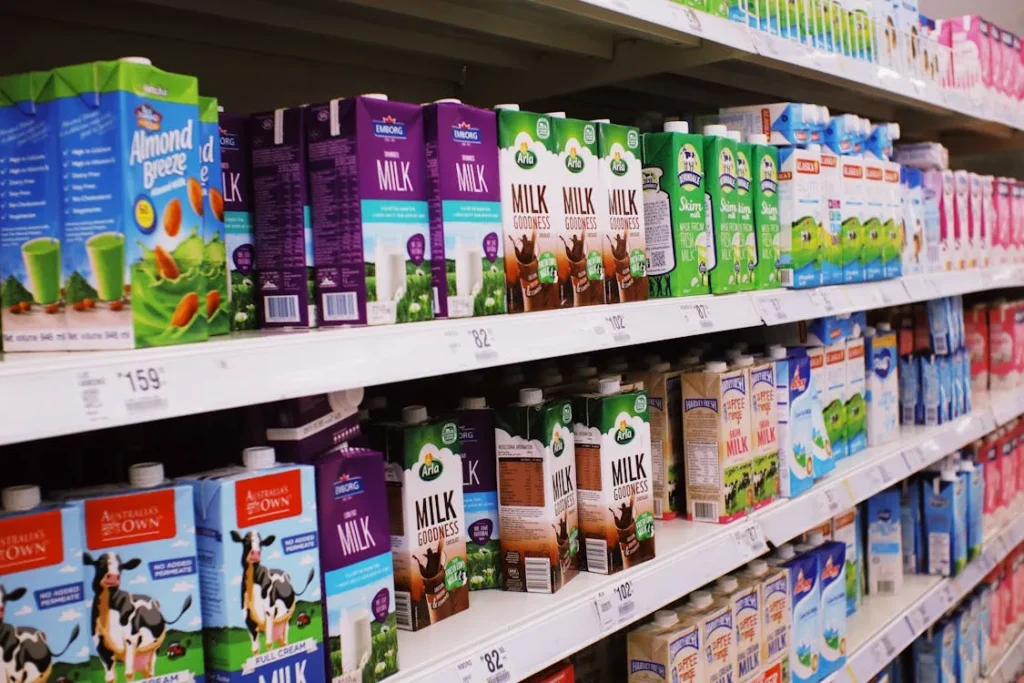
Your product’s packaging is often the first point of contact between your brand and potential customers. It’s not just a container or a wrapper. Rather, it’s a powerful marketing tool that can make or break a sale. Packaging serves as a silent salesperson, communicating your brand’s values, quality, and uniqueness in the few seconds a shopper spends scanning the shelves. Effective packaging design goes beyond mere aesthetics. It creates an emotional connection with consumers, influences their perception of your product, and can even justify premium pricing. For instance, consider how the sleek, minimalist design of Apple products enhances their perceived value or how the distinctive Coca-Cola bottle shape has become an iconic brand asset. These are just a few examples that illustrate how packaging can become an integral part of your brand identity and a key driver of consumer choice. With that in mind, let’s examine how you might quantify any changes made to your packaging and their impact on consumers. We’ll also cover the cost of not investing in packaging research with a famous case study from Tropicana. supermarket shelf

Packaging Research: More Than Meets the Eye

Packaging research delves deeper than surface-level aesthetics. It examines how your packaging functions, how it communicates information, and how it influences consumer behaviour. This comprehensive approach ensures that your packaging looks good and performs well in real-world situations. Functionality is a crucial aspect of packaging research. Does your packaging protect the product effectively? Is it easy to open and reseal? Does it fit well on store shelves and in consumers’ homes? These practical considerations can significantly impact user experience and repurchase decisions. Information clarity is another vital element. Your packaging must clearly communicate essential details such as product benefits, usage instructions, and nutritional information. Well-designed packaging strikes a balance between attracting attention and providing necessary information without overwhelming the consumer.

Measuring Change: Key Metrics in Packaging Research

To quantify the impact of packaging changes, you need to focus on specific, measurable metrics. Purchase intent is a crucial indicator. Through surveys and simulated shopping experiences, you can gauge how likely consumers are to buy your product based on its packaging alone. This metric provides a clear link between packaging design and potential sales performance. Brand perception is another key area to measure. Does your new packaging align with your brand values? Does it enhance your brand’s perceived quality or premium status? These perceptions can have a lasting impact on your brand’s overall health. Usability improvements are also quantifiable. You can measure factors such as ease of opening, pouring, or storing the product. Improvements in these areas can lead to increased consumer satisfaction and loyalty, translating to long-term sales growth. sensory evaluation

Research Methodologies: Tools of the Trade

Central Location Testing

Central location tests offer a controlled environment to assess packaging impact. These tests recreate a retail setting, allowing researchers to observe how consumers interact with your packaging in a simulated shopping experience. This method helps control external variables, providing cleaner data on the specific effects of packaging changes.

Home-Use Tests

Home use testing provides insights into how your packaging performs in real-world conditions. Consumers use your product in their own homes, providing feedback on aspects like storage, ease of use, and overall satisfaction. This methodology offers valuable long-term data on packaging performance and is well-suited to household items such as cleaning products.

In-Store Observation Studies

In-store observations capture real shopping behaviours. Researchers can track how consumers interact with your packaging on actual store shelves, providing authentic data on shelf impact and purchase decisions. This method offers insights that lab-based studies might miss, such as how your packaging stands out among competitors in an actual retail environment. vanilla coca cola

Lessons from a Packaging Misstep: The Tropicana Case Study

Tropicana’s 2009 packaging redesign serves as a cautionary tale in the world of packaging research. The company replaced its iconic orange-with-a-straw design with a more modern look, featuring a glass of orange juice and a redesigned logo. The change was drastic, and the results were immediate – and negative. Within two months of the redesign, Tropicana’s sales plummeted by 20%, resulting in a loss of $30 million. Consumers reported difficulty recognising the brand on shelves, and many felt the new design looked generic, diminishing the premium image Tropicana had cultivated. This case highlights the importance of maintaining brand recognition elements in packaging design and the value of thorough consumer testing before implementing significant changes. It also underscores consumers’ emotional connection with familiar packaging, a factor that quantitative data alone might not capture.

The Bottom Line: ROI of Packaging Research

Investing in packaging research can yield significant returns. While the upfront costs might seem substantial, they pale in comparison to the potential losses from a failed packaging change. Consider the Tropicana case – the $35 million spent on the failed redesign and advertising campaign, plus the $30 million in lost sales. Those enormous amounts spent far outweigh the cost of comprehensive packaging research. Beyond avoiding costly mistakes, effective packaging research can drive sales growth, enhance brand perception, and improve customer loyalty. These long-term benefits contribute to your brand’s overall value and market position. Moreover, insights gained from packaging research often have applications beyond the immediate project, informing future product development and marketing strategies. sensory evaluation

Make Informed Packaging Decisions with Wirral Sensory Services

At Wirral Sensory Services, we understand the complexities of packaging research and its impact on your brand’s success. Our team of experts employs a range of methodologies to provide comprehensive insights into how your packaging performs with consumers. From central location tests to home use studies, we tailor our approach to your specific needs and objectives. Don’t leave your packaging decisions to chance. Contact Wirral Sensory Services today at +44 (0)151 346 2999 or email info@wssintl.com to discuss how we can help you quantify the impact of your packaging changes and make informed decisions that drive your brand’s success.

What Advantages Does Home Use Testing Provide as a Consumer Research Method?

in-home usage test Understanding how your product performs in real-world settings is crucial in the competitive world of consumer products. While other consumer research methods like focus groups or central location testing can provide valuable insights, they don’t capture how a product fits into a consumer’s daily life. Home use testing (often called HUT) offers unique advantages that make it an invaluable tool in consumer research. Unlike lab-based testing, where the environment is controlled, and often artificial, home use testing allows consumers to use products in their natural surroundings, leading to more authentic and actionable feedback. This real-world testing method goes beyond surface-level insights to provide a deeper understanding of how a product performs over time and in various contexts. So, let’s explore the key advantages of home use testing as a consumer research method and why it’s an essential component of any comprehensive consumer research strategy.

Gain More Authentic Consumer Feedback

In controlled environments like lab-based testing or central location testing, participants often interact with products in ways that don’t fully reflect their everyday behaviours. These settings can introduce biases, whether in a laboratory or a neutral location like a shopping centre. Participants might feel the need to perform or respond in a certain way because they know they’re being observed, or because the setting feels unfamiliar. Home use testing, on the other hand, places the product directly into the consumer’s daily life. By allowing participants to use the product in the comfort of their own homes, you gain insights into how it truly fits into their routines. Instead of a one-time interaction under observation, consumers use the product repeatedly and naturally, just as they would with any item they’ve purchased for themselves. This approach captures the subtle details of product use that are often missed in controlled settings. Whether it’s how a person incorporates a new cleaning product into their weekly chores or adapts a new food item into their family’s meals, home use testing reveals these nuances. It’s in these small, everyday moments that the real value of your product is understood, providing feedback that’s both authentic and invaluable for refining your offering. product concept testing

Benefit from the Enhanced Flexibility of Home Use Testing

One of the standout advantages of home use testing as a consumer research method is its remarkable flexibility, making it suitable for a wide range of products and testing scenarios.

Versatile Application Across Various Product Types

Home use testing isn’t confined to a single category of products – it’s a versatile tool that works across diverse industries. Home use testing delivers valuable insights, whether you’re testing food and beverages, personal care items like skincare or haircare products, or household goods such as cleaning supplies. It’s equally effective whether you’re in the early stages of product development, refining a prototype, or even evaluating an established product post-launch. This adaptability across different stages of the product lifecycle means you can use home use testing to gather feedback at critical points, ensuring that your product meets customer expectations from the initial concept through to its time on the market.

Customisable Testing Duration

Another key advantage of home use testing is its flexibility in terms of duration. Depending on the nature of your product and the specific objectives of your research, you can tailor the testing period to suit your needs. Some products require only a few days of testing to gather relevant feedback, while others, particularly those that promise long-term benefits, might need several weeks to fully assess their performance. This ability to customise the testing duration allows you to observe both short-term reactions and long-term usage patterns. Whether you’re looking to understand immediate consumer impressions or how well your product integrates into daily routines over time, home use testing provides the flexibility to gain the insights you need. ihut food

Home Use Testing Offers Comprehensive Data Collection

Home use testing offers more than just basic survey results; it provides a wealth of qualitative and quantitative data that can significantly enhance your understanding of consumer behaviour. Collecting detailed feedback from real-world use gives you insights that other research methods simply can’t match. Here’s a breakdown of the types of data you can gather through home use testing: Product performance and functionality: Home use testing allows you to see how well your product works in the real world, under the conditions it was designed for. You can assess whether it delivers on its promises, holds up under regular use, and meets consumer expectations. Ease of use and integration into daily routines: One of the key advantages of home use testing is its ability to reveal how easily your product fits into consumers’ lives. You can learn about any challenges or conveniences that arise when your product is used as part of a daily routine, which can be critical for refining its design or functionality. Consumer satisfaction and emotional responses: Beyond functionality, home use testing also captures how your product makes consumers feel. Whether it’s satisfaction with the results, frustration with certain aspects, or joy in discovering something new, these emotional responses provide invaluable context for understanding the whole consumer experience. This comprehensive data collection gives you a more holistic view of how consumers interact with your product than almost all other consumer research methods, enabling you to elicit higher-quality insights and decision-making.

Why Home Use Testing Should Be Part of Your Consumer Research Strategy

Hopefully, you can now appreciate that incorporating home use testing into your consumer research strategy offers several clear advantages. Aside from providing more authentic feedback, it also allows you to see how your product performs in real-world settings, far beyond the constraints of a lab or central location. Better still, the comprehensive data you gather – from product performance to consumer satisfaction – gives you a holistic view that can significantly improve your product development and marketing efforts. Lastly, it’s inherently adaptable and provides the kind of real-world feedback that can make all the difference in a competitive market. At Wirral Sensory Services, we specialise in designing and executing home use testing tailored to your specific needs. With over 25 years of experience and one of the largest pools of home use testers in the UK on standby, we’re here to help you gather the insights you need to make informed decisions and create products that resonate with your audience. If you’re curious about how home use testing could benefit your products, feel free to get in touch. We’re always available for an informal chat or to discuss your consumer research requirements in more detail. Simply call us at +44 (0)151 346 2999 or email us at info@wssintl.com with your research project requirements.

How Brands Save Money Through Product Concept Testing

taste testing In an industry where launching a new product can be a costly gamble, ensuring that your investment is sound is crucial. Product concept testing is one of the most effective strategies for mitigating financial risks and maximising the chances of success. By validating ideas before they reach the market, brands can save substantial amounts of money that might otherwise be wasted on failed launches, costly revisions, or misguided marketing efforts. With that in mind, let’s explore the cost-saving benefits of product concept testing your ideas in more detail.

Identify and Eliminate Unviable Ideas Early

New product failure rates are high for most industries. However, failure rates are as high as 80% in sectors such as groceries. If you’re working with limited capital, success on the first attempt can be the difference between getting off the ground and bankruptcy. You’ve got to save money in any way you can while boosting the chances of success. In that respect, one of the most effective ways to save money is by filtering out unviable ideas through product concept testing early in development. Without it, you might invest heavily in developing products that ultimately don’t resonate with your target audience. However, by testing your concepts with your ideal customers, you can gather crucial feedback that helps you determine which ideas are worth pursuing and which should be shelved. This early elimination of weak concepts prevents you from spending more on developing, producing, and marketing a product that will never succeed.

Reduce the Cost of Product Revisions

Even if your product concept has potential, it’s unlikely to be perfect from the outset. Product concept testing allows you to pinpoint areas for improvement before your product hits the market. By refining your product based on consumer feedback, you can avoid the expensive task of making changes after launch. It’s far more cost-effective to make adjustments during the testing phase than to address issues post-launch when you might have to halt production, rework marketing campaigns, or even recall products. sensory testing

Optimise Your Marketing Spend

Product concept testing doesn’t merely shape your product; it can also inform your marketing strategies. By understanding how consumers perceive your product, you can tailor your messaging, packaging, and promotional efforts to resonate more effectively with your target audience. Opting for this more targeted approach helps you avoid wasting your marketing budget on campaigns that don’t connect with consumers. Instead, you can focus your resources on strategies more likely to deliver a strong return on investment.

Avoid Costly Launch Failures

The cost of a failed product launch can be staggering, not just in terms of money spent on development and production but also in the potential damage to your brand’s reputation. Product concept testing significantly reduces the risk of such failures by giving you a clear understanding of how your product will perform in the market. By iterating and refining your concept based on consumer feedback, you can ensure your product meets market expectations, reducing the likelihood of a costly flop.

Gain a Competitive Advantage

Product concept testing allows you to identify your product’s unique selling points and refine them to better meet consumer needs. This competitive edge can translate into increased market share and, ultimately, higher revenue. Moreover, by avoiding the pitfalls of launching a poorly received product, you can maintain your brand’s reputation and continue to grow your customer base. sensory evaluation

Save Money and Increase Your Chances of Success with Product Concept Testing from Wirral Sensory Services

In an industry where every penny counts, the value of product concept testing cannot be overstated. By identifying unviable ideas, reducing the need for costly alterations, optimising your marketing efforts, avoiding launch failures, and gaining a competitive edge, you can save significant amounts of money while increasing your chances of success. If you’re a consumer goods brand looking to secure actionable insights into the viability of your latest product ideas and concepts, why not give us a call at Wirral Sensory Services? We have a decades-long track record in helping brands and manufacturers of all sizes pick winning product concepts. Don’t let your product get off on the wrong foot. Contact us today on +44 (0)151 346 2999 or via email at info@wssintl.com to start optimising your product development process and ensure a successful, cost-effective launch.

The Importance of Efficacy Testing in Consumer Trust and Brand Loyalty

efficacy testing As a consumer goods brand, it’s vital to understand that efficacy testing is far more than a box to tick in the product development process. It’s one of the most effective ways to build consumer trust and foster long-term loyalty by scientifically proving that your product delivers on its promises. Customers are more likely to return when they buy a product they trust and have an experience that matches the claims made on the packaging. That’s why investment in efficacy testing can prove so pivotal. It’s not just a method for checking if your product does what you claim, it’s a way to build a foundation for overall product success.

How Efficacy Testing Builds Consumer Trust

Consumers have become increasingly sceptical of marketing claims, particularly in industries where effectiveness is crucial, such as personal care, health, and household products. They no longer take a brand’s word at face value. They want proof. Efficacy testing provides this proof by offering scientific validation that a product works as advertised. As a manufacturer, when you can confidently present the results of these tests, it reassures consumers that they’re making a wise investment. Better still, the trust that efficacy testing builds isn’t just about the product itself – it extends to the brand as a whole. When you’re transparent about your testing processes and results, you foster a deeper connection with your target audience. Consumers appreciate when brands go beyond mere claims and provide tangible evidence of efficacy. This transparency strengthens trust and enhances your brand’s credibility, making consumers more likely to choose your products over others.

The Impact of Proven Efficacy on Your Brand’s Reputation

Building a strong reputation for your brand is one of the most valuable outcomes of efficacy testing. By consistently proving your product’s effectiveness through rigorous testing, you establish your brand as trustworthy and reliable. This kind of reputation isn’t something that happens overnight. It’s earned through a sustained commitment to quality and transparency. When consumers recognise your brand as one that delivers on its promises, they’re more likely to spread the word. Positive word-of-mouth recommendations are incredibly powerful and can significantly enhance your brand’s standing in the market. But it doesn’t stop there. A strong reputation also leads to something even more valuable: brand loyalty. personal care product testing

Driving Brand Loyalty and Repeat Purchases

Loyalty goes beyond repeat purchases. It’s about your customers choosing your brand time and time again, even when they have other options. When consumers trust that your products work as claimed, they will likely become loyal customers. This loyalty is built on their confidence in your brand, knowing that you consistently deliver products that meet their expectations. Proven efficacy also becomes a key differentiator in a crowded market. When your products stand out for their effectiveness, retaining customers and building a loyal community around your brand becomes far easier. This loyalty translates into higher customer retention rates, stronger brand advocacy, and, ultimately, long-term success.

Strengthening Your Market Position Through Efficacy Testing

A final point to make is that investing in efficacy testing doesn’t just build trust and loyalty – it also strengthens your brand’s position in the marketplace. When you can back up your claims with solid evidence, you’re positioning your brand as a leader in your industry. Consumers who prioritise quality and reliability will naturally gravitate towards your products, helping you retain existing customers and attract new ones. Your commitment to efficacy testing shows that you’re serious about delivering products that work. This dedication will help you maintain your leadership position despite evolving consumer expectations. kitchen cleaner efficacy testing

Bolster Your Brand Reputation and Customer Loyalty with Efficacy Testing from WSS Today

In an era where consumers are more informed and selective than ever, investing in efficacy testing is one of the best ways to build lasting customer relationships. Demonstrating that your products deliver on their promises allows you to establish your brand as a reliable and trustworthy choice, leading to long-term loyalty, stronger market positioning, and sustained success in a competitive marketplace. At Wirral Sensory Services, we understand that your brand’s reputation hinges on delivering products that truly work. With over two decades of experience in efficacy testing, we provide comprehensive and scientifically robust testing services that validate your product claims. Our expertise spans various industries, ensuring that your products exceed customer expectations. So don’t hesitate to contact our team today to discuss your needs. Whether you’re launching a new product or optimising an existing one, we’re here to guide you through every step of the efficacy testing process, ensuring your product’s success in the marketplace.

Central Location Testing: Your Top Questions Answered

beer sensory testing At Wirral Sensory Services, we’re often asked about Central Location Testing (CLT) and its role in product development and market research. To help you understand this crucial research method, we’ve compiled detailed answers to the most common questions about CLT. So, without further ado, let’s jump right in.

What is Central Location Testing?

Central Location Testing (CLT) is a market research method conducted in a controlled environment such as a testing lab, restaurant, shopping centre, or another retail environment. It provides brands with critical customer feedback while minimising biases that could affect the reliability of the findings. CLT involves inviting consumers to a predetermined location to evaluate products or concepts. This method allows researchers to control various factors such as product presentation, serving conditions, and the testing environment. By standardising these elements, CLT ensures consistency across all participants, leading to more reliable and comparable results. One of the key advantages of CLT is the ability to collect immediate feedback. Researchers can observe participants’ reactions in real time and probe deeper into their responses, providing valuable insights that might be missed in other research methods.

Why is Central Location Testing Important?

Central Location Testing plays a vital role in product development and market research for several reasons:
  • Controlled Environment: CLT allows researchers to control various factors that might influence consumer perceptions. This controlled setting ensures that all participants experience the product under the same conditions, leading to more accurate and comparable results.
  • Immediate Data Collection: Unlike home use tests where feedback might be delayed, CLT allows for real-time data collection. Researchers can gather responses immediately after product exposure, capturing fresh and unbiased opinions.
  • Standardised Testing Process: With CLT, all participants go through the same testing process. This standardisation helps in eliminating variables that might skew results, ensuring the data collected is reliable and consistent across all participants.
  • Non-verbal Feedback: In a CLT setting, researchers can observe participants’ non-verbal cues and reactions. These observations can provide valuable insights that might not be captured through written or verbal feedback alone.
  • Early Issue Identification: By testing products before launch, companies can identify and address potential issues early in the development process. This proactive approach can save significant time and resources that might otherwise be spent on post-launch modifications.
  • Comparative Testing: CLT is ideal for comparing multiple product variants or competing products side by side. This direct comparison can highlight subtle differences that consumers prefer, guiding product refinement and positioning strategies.
  • In-depth Insights: The face-to-face nature of CLT allows researchers to probe deeper into consumer responses. They can ask follow-up questions to understand the reasoning behind preferences or dislikes, providing richer, more nuanced insights.

sensory evaluation

What Types of Products Can Benefit from Central Location Testing?

Central Location Testing is a versatile consumer research method that can be applied to a wide range of products and services. Here are some examples:
  • Food and Beverages: CLT is particularly useful for sensory evaluation of food and drink products. It allows for controlled tasting conditions and immediate feedback on flavour, texture, aroma, and overall appeal.
  • Cosmetics and Personal Care Products: CLT can evaluate factors like texture, scent, application ease, and immediate effects of skincare or makeup products.
  • Household Products: For items like cleaning supplies or air fresheners, CLT can assess efficacy, ease of use, and consumer perceptions of performance.
  • Packaging Designs: CLT is excellent for evaluating packaging appeal, functionality, and consumer understanding of product information.
  • Fragrances: In a controlled environment, researchers can assess consumer reactions to different scents without interference from other odours.

How Does the Central Location Testing Process Work?

The Central Location Testing process involves several key steps:

1. Planning and Preparation

  • Defining clear objectives for the research
  • Determining the target demographic
  • Designing the testing protocol
  • Preparing necessary materials (products, questionnaires, etc.)

2. Location Selection

The next step is to select a suitable, easily accessible location. This could be a dedicated research facility, a rented space in a shopping centre, or any other appropriate venue, depending on the nature of the product and the target audience.

3. Participant Recruitment

Recruit participants who represent the target market. This often involves screening potential participants to ensure they meet specific criteria relevant to the product being tested.

4. Testing Session

With the participants recruited, the next stage to carry out the tests:
  • Welcome participants and brief them on the process
  • Present the product(s) for evaluation
  • Conduct the planned tests, which might include:
    • Sensory evaluation for food products
    • Packaging evaluations
    • Preference tests between multiple variants

5. Data Collection

The testing stage will involve collecting various types of data, which then need to be analysed and reported. Interviewers may use quantitative measures, such as standardised surveys, questionnaires, and rating scales, but there may also be open-ended interview questions or observational data, such as a participant’s reactions or behaviours. All forms of collected data will be compiled, analysed, and interpreted to derive meaningful insights. These insights are typically included in a comprehensive report prepared for clients that includes findings and recommendations. taste testing

What Are the Main Challenges of Central Location Testing?

While Central Location Testing is a powerful research tool, it does come with some challenges. Biases are minimised due to the controlled environment. However, some can still creep in, including but not limited to:
  • Social desirability bias: Giving answers they think are socially acceptable
  • Acquiescence bias: Tendency to agree with the researcher
  • Hawthorne effect: Changing behaviour because they know they’re being observed
These biases can skew results and lead to inaccurate conclusions if not properly managed. Other challenges include interviewers unintentionally influencing participants’ responses by asking leading questions or giving non-verbal cues that indicate a preference for a certain response. An experienced consumer research company should provide highly trained interviewers to avoid these outcomes. Lastly, there can be challenges in recruiting the right participants. For instance, there could be a lack of available candidates in the target demographic or a couple of no-shows on the day of testing. Again, reputable consumer research firms like Wirral Sensory Services have contingencies in place.

What Types of Tests are Typically Conducted During Central Location Testing?

Central Location Testing allows for a variety of test types, depending on the product and research objectives. Here are some common tests conducted during CLT:
  • Sensory Evaluation Tests: These are crucial for food and beverage products. They may include taste tests, texture analysis, and aroma perception tests.
  • Product Usage Tests: These assess how consumers interact with and use a product. They’re particularly useful for household products and personal care items.
  • Packaging Evaluation: These tests focus on the product’s packaging and may include assessing visual appeal and brand perceptions.
  • Preference Tests: These compare multiple product variants or competing products to determine consumer preferences. They may include paired comparison tests and product benchmarking.

How Can Central Location Testing Benefit Our Product Launch?

Central Location Testing can significantly improve your chances of a successful product launch in several ways:

Risk Mitigation

By identifying potential issues early in the development process, CLT helps avoid costly mistakes post-launch. You can refine your product based on consumer feedback before committing to full-scale production.

Consumer-Centric Development

CLT provides direct insights into consumer preferences, needs, and behaviours. This information ensures that your product development is aligned with what your target market actually wants, not just what you think they want.

Competitive Advantage

Through comparative testing, CLT can highlight how your product performs against competitors. This information can guide positioning strategies and help identify unique selling points.

Optimised Marketing Strategies

CLT can test various marketing messages, claims, and packaging designs. This helps in developing marketing strategies that better resonate with your target audience, increasing the effectiveness of your launch campaign.

Carry Out Central Location Testing with the Experts at Wirral Sensory Services

Central Location Testing is a powerful tool in the product development and market research process. It provides valuable, immediate insights into consumer preferences and behaviours, helping brands make informed decisions about their products before launch. While CLT does come with challenges, these can be effectively managed with the right approach and expertise. At Wirral Sensory Services, we bring over two decades of experience in conducting Central Location Testing for leading UK brands in the food, beverage, and household products industries. Our team of expert researchers and state-of-the-art testing locations ensure that you get the most accurate and actionable insights from your CLT studies. Ready to take the next step in your product development journey? We’re here to help. Contact us today to learn how our CLT services can drive your product’s success. We’re available via telephone at +44 (0)151 346 2999 or via email at info@wssintl.com.

Sensory Research: Answering the Questions That Drive Product Success

sensory evaluation Understanding customer preferences is often the key to product success. That’s why so many companies turn to sensory research – a scientific approach that delves into how our senses influence our perception and enjoyment of products. This methodology has become an indispensable tool for companies striving to create products that not only meet but exceed customer expectations. At its core, sensory research bridges the gap between product attributes and consumer experiences. By systematically evaluating how people perceive and respond to various sensory stimuli, companies can fine-tune their offerings, ensuring they hit the mark with their target audience. But how exactly does sensory research accomplish this, and why is it so crucial in today’s market? Let’s explore these questions and more.

What is Sensory Research?

Sensory research is a scientific discipline that measures, analyses, and interprets human responses to products based on sight, smell, touch, taste, and hearing. There are many methodologies used in sensory research, but a few of the most popular types include:
  • Objective sensory evaluation by trained panels
  • Consumer perception studies
  • Measuring the correlation of sensory attributes with consumer preferences
This often multifaceted approach provides a comprehensive understanding of how sensory properties influence consumer behaviour and product acceptance.

Why is Sensory Research Crucial for Product Success?

The reason sensory research is so pivotal is the success of so many products is that it “lifts the lid” on consumer thinking. As a brand, you’re left with concrete data on what consumers like or dislike about a product. For tests involving trained sensory panellists, you’re receiving objective feedback that helps refine product formulations to achieve desired sensory attributes. You can also develop sensory standards for achieving that all-important consistency in product quality. Lastly, testing the sensory attributes of a product unearths opportunities for competitive advantages. Whether it’s discovering an underserved flavour profile or gathering evidential data regarding attributes that can enhance the effectiveness of marketing, sensory research can be the difference maker when trying to secure extra market share. beer sensory testing

How Does Sensory Research Work?

Sensory research employs a variety of methodologies to gather and analyse data. The process typically involves:
  1. Defining research objectives
  2. Selecting appropriate sensory tests
  3. Recruiting and training panellists (if using expert panels)
  4. Conducting tests under controlled conditions
  5. Analysing and interpreting results
Common types of sensory tests include:
  • Discrimination Tests: Determine if products are perceptibly different
  • Sensory Profiling: Provide detailed sensory profiles of products
  • Consumer Acceptance Tests: Gauge overall liking and preference among target consumers

Which Industries Rely Most on Sensory Research?

While sensory research has applications across various sectors, it is most commonly associated with the food and beverage industry. It’s typically used in new product development, reformulation of existing products, and for quality assurance and consistency purposes. That said, any product with sensory properties can benefit from sensory evaluation. For instance, fragrance brands invest heavily in testing the olfactory performance, and the same can be said of household products such as air fresheners. However, the food and drink industry remains the primary user of sensory research, given the direct impact of taste and smell on product success.

When Should Companies Conduct Sensory Research?

Sensory research is valuable at multiple stages of the product life cycle. There are no hard and fast rules regarding when a product should undergo sensory evaluation. However, there are broadly four product life cycle stages that usually involve sensory research.
  • Early Development: To guide initial product formulation
  • Pre-Launch: For final tweaks and optimisation
  • Post-Launch: To monitor quality and consumer satisfaction
  • Reformulation: When changing ingredients or processes
sensory testing

Where is Sensory Research Conducted?

The setting for sensory research can significantly impact results. In fact, the setting will often determine the specific type of sensory research being conducted. For instance, testing in specialised sensory labs is reserved for precision sensory profiling with trained panellists or even scientists. In contrast, central location tests often take place in public spaces for broader consumer feedback. While home use tests are primarily run to gauge product performance in real-life settings, there may be sensory elements being assessed by participants. Each setting offers unique advantages, and the choice depends on research objectives and product type.

What Are the Potential Drawbacks of Sensory Research?

While sensory research is a powerful tool, it’s not without its challenges. One of the primary hurdles is the inherent subjectivity of sensory experiences. What tastes delicious to one person might be unpalatable to another, making it difficult to draw universal conclusions. This subjectivity can be further complicated by cultural differences in sensory preferences, which can significantly impact product acceptance across different markets. Another potential drawback is sensory fatigue, which can occur during extended testing sessions. Participants may become desensitised to the products they’re evaluating, potentially skewing results. This is particularly challenging when testing products with strong flavours or aromas, as the sensory overload can diminish the accuracy of subsequent evaluations. The solution to both of these problems often comes in the form of using trained panellists possessing excellent sensory acuity to objectively measure sensory aspects such as aroma or flavour. Lastly, translating sensory data into actionable insights can be a complex task. While researchers can gather a wealth of information about how consumers perceive a product, interpreting this data and applying it effectively to product development or marketing strategies requires significant expertise. It’s not just about collecting data, but understanding how to use it to drive meaningful improvements in product formulation and consumer appeal.

Harnessing the Power of Sensory Research for Your Products

Sensory research is more than just a tool. It’s a gateway to creating products that resonate with consumers on a fundamental level. By tapping into the power of the senses, companies can develop products that not only meet functional needs but also provide enjoyable sensory experiences. For businesses looking to gain a competitive edge, investing in sensory research is a smart move. It provides the insights needed to create products that don’t just satisfy, but delight consumers, driving both initial sales and long-term brand loyalty. If you’re ready to explore how sensory research can enhance the effectiveness of your product development process, contact Wirral Sensory Services today. We boast almost three decades of experience in sensory research and have access to one of the largest concentrations of trained sensory panellists in the country. We have played an important part in countless successful product launches and reformulations through our research projects, and we can’t wait to be part of yours. Contact us today at +44 (0)151 346 2999 or info@wssintl.com to learn how our expertise can help you create products that excite the senses and boost the bottom line.

From Screen to Shelf: Exploring Effective Packaging Research Methodologies

sensory evaluation Product packaging is often an underestimated element of product development. However, leading brands understand the crucial role it plays in getting customers to pick their product up off a supermarket shelf over a rival. It’s often the difference between a half-decent product ending up in a shopping trolley and a far superior one gathering dust. That’s why the best-performing brands invest so heavily in packaging research. They appreciate that, even with the best-tasting product in the world, if consumers are convinced enough to pick it up and try it, they’ll never gain market share. But what goes into packaging research? What methods are used to determine what will be a hit and what will miss the mark? Let’s take a closer look at the research methodologies used to glean these crucial insights – starting with online questionnaires.

Online Questionnaires for Packaging Research

In our increasingly digital world, online questionnaires have become a cornerstone of packaging research. This method involves presenting consumers with images of packaging designs on their screens and collecting their responses through structured questions. The beauty of online questionnaires lies in their reach and efficiency. They allow researchers to gather large amounts of data quickly and cost-effectively, reaching diverse audiences across wide geographical areas. Moreover, the digital format enables easy manipulation of packaging designs, allowing for rapid testing of multiple variants. However, it’s important to note that online questionnaires have limitations. While they excel at collecting quantitative data, they may miss nuanced reactions that come from physically interacting with a product. The lack of tactile experience can sometimes lead to disconnects between online preferences and in-store behaviour. That said, it’s an excellent barometer of consumer opinion that can quickly whittle down a list of potential designs.

Central Location Tests: Recreating the Supermarket Experience

Central Location Tests (CLTs) take packaging research a step closer to reality by replicating a supermarket environment in a controlled setting. In these tests, participants interact with physical product packaging in a simulated shopping scenario. The power of CLTs lies in their ability to capture real-world interactions. Researchers can observe how consumers pick up products, read labels, and make comparisons – behaviours that are difficult to replicate in online studies. This method provides rich, qualitative data that can uncover unexpected insights about packaging functionality and shelf appeal. CLTs are particularly valuable when testing premium products or when tactile elements of packaging are crucial. For instance, a luxury cosmetics brand might use CLTs to evaluate how the weight and texture of their packaging influence consumer perceptions of quality. supermarket shelf

Focus Group Studies: Diving Deep into Consumer Perceptions

When it comes to understanding the ‘why’ behind consumer reactions, focus group studies shine. These moderated group discussions allow researchers to explore packaging preferences in depth, uncovering the reasoning behind consumer choices. Focus groups excel at generating ideas and exploring emotional responses to packaging. They can reveal how packaging aligns with brand perceptions, cultural values, and lifestyle aspirations. For example, a focus group might uncover that environmentally conscious consumers are drawn to minimalist packaging not just for its aesthetics, but because it signals reduced waste. However, it’s crucial to remember that focus groups provide qualitative insights and may not always reflect broader market trends. They’re most effective when used in conjunction with other research methods to validate findings and provide context to quantitative data.

Choosing the Right Approach: Tailoring Packaging Research to Your Needs

Each packaging research method offers unique strengths, and the most effective research strategies often combine multiple approaches. Online questionnaires can provide a broad overview of preferences, CLTs can validate these findings in a realistic setting, and focus groups can dive deep into the reasoning behind consumer choices. The choice of method depends on various factors, including but not limited to:
  • Product type and category
  • Target audience demographics
  • Research objectives and budget
  • Stage of product development
For instance, a new snack brand might start with online questionnaires to narrow down design options, followed by CLTs to test how the packaging performs on a simulated shelf, and finally, use focus groups to refine messaging and branding elements.

Leverage the Power of Packaging Research with Wirral Sensory Services

Effective packaging research can be the difference between a product that flies off the shelves and one that falls flat. At Wirral Sensory Services, we understand the nuances of each research method and how to leverage them for maximum impact. With nearly three decades of experience in sensory and consumer research, we’ve helped countless brands optimise their packaging for market success. Our team of experts can guide you through the research process, from selecting the most appropriate methodologies to interpreting results and translating insights into actionable strategies. Contact Wirral Sensory Services today at +44 (0)151 346 2999 or info@wssintl.com to discuss your requirements and learn more about our packaging research services. Your next market-winning packaging design could be just a research project away.