Beyond Taste Tests: The Multifaceted World of Sensory Evaluation

burger When most people think of sensory research in the food and beverage industry, taste tests often come to mind. However, sensory evaluation is far more complex and nuanced than simply determining whether a product tastes good. In fact, sensory research plays a crucial role in developing all kinds of products, including household and personal care products. A multifaceted approach to product evaluation helps companies understand how consumers perceive and interact with their offerings on multiple sensory levels. So, let’s examine just how broad the world of sensory research is, starting with the food and beverage industry.

The Core Senses in Food and Beverage Evaluation

As mentioned, taste testing is as intrinsically linked to sensory evaluation, but it goes much deeper than that, as we shall now explain.

Taste: Beyond Sweet and Salty

While the five basic tastes – sweet, salty, sour, bitter, and umami – form the foundation of flavour perception, modern sensory research explores how these tastes interact and evolve over time. For example, in beverage development, researchers might examine how a drink’s initial sweetness transitions into other flavour notes, creating a more complex and engaging sensory experience. taste testing

The Power of Aroma

Our sense of smell plays a significant role in how we perceive food and drink. In fact, what we often refer to as ‘taste’ is largely influenced by aroma, reaffirming its importance in product development. Today, sensory researchers use advanced techniques such as headspace analysis (the direct collection and analysis of the mixture of vapours in the space immediately above a food or beverage) to gauge a product’s overall flavour profile. This attention to detail concerning aroma can distinguish a great product from a good one. beer sensory testing

Texture and Mouthfeel

The physical sensations we experience when consuming food and beverages are crucial to our enjoyment. From the crunch of a crisp to the creaminess of a yoghurt, texture and mouthfeel can significantly impact consumer acceptance. Sensory panels use descriptive analysis techniques to articulate and quantify these textural attributes, providing valuable data for product optimisation.

Visual Appeal: Eating with Our Eyes

We often decide whether we like a food or drink product before we even taste it, based solely on its appearance. The colour of a beverage, the glossiness of a sauce, or the visible inclusions in a snack product all contribute to our expectations and overall perception. Thus, visual evaluation techniques help ensure that products not only taste great but look appealing, too.

Sensory Evaluation in Household and Personal Care Products

While taste may not be a factor in household and personal care items, other sensory aspects play a crucial role in consumer acceptance and brand loyalty.

Fragrance Evaluation

The scent of a product can be a powerful driver of consumer preference, particularly in categories like air fresheners, laundry detergents, and personal care items. Fragrance evaluation techniques assess factors such as intensity, character, longevity, and compatibility with the product’s other attributes.

Texture and Feel

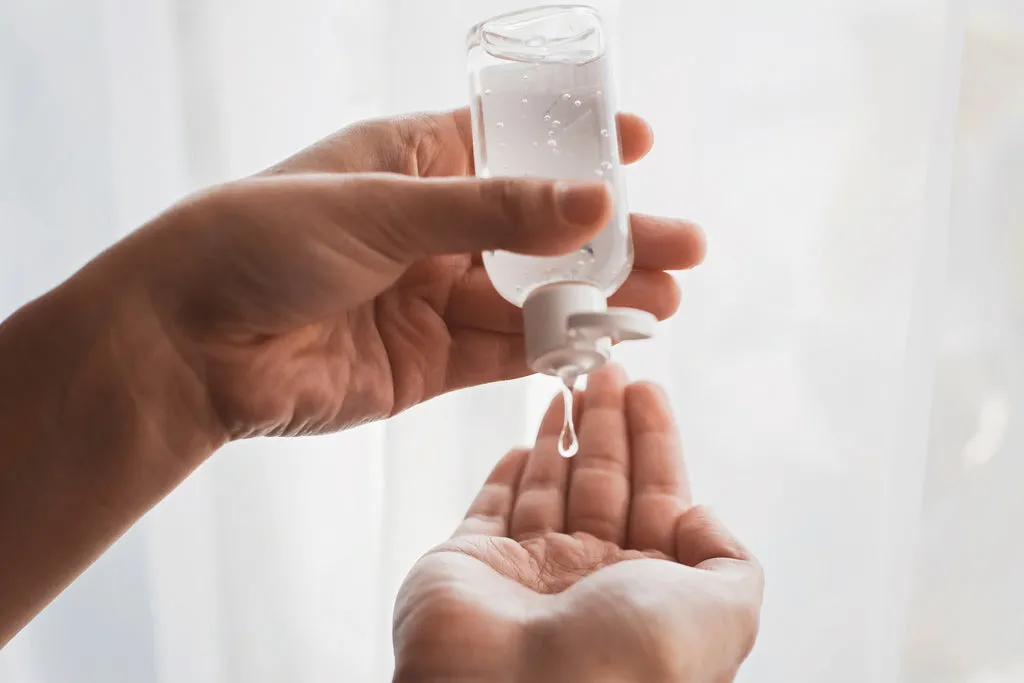
The tactile experience of a personal care product can significantly impact consumer perception. Whether it’s the smooth glide of a deodorant or the lather of a shampoo, texture plays a crucial role. Researchers use standardised descriptors and evaluation techniques to objectively assess these tactile properties. sensory testing

From Lab to Market: A Real-World Example of Successful Sensory Evaluation

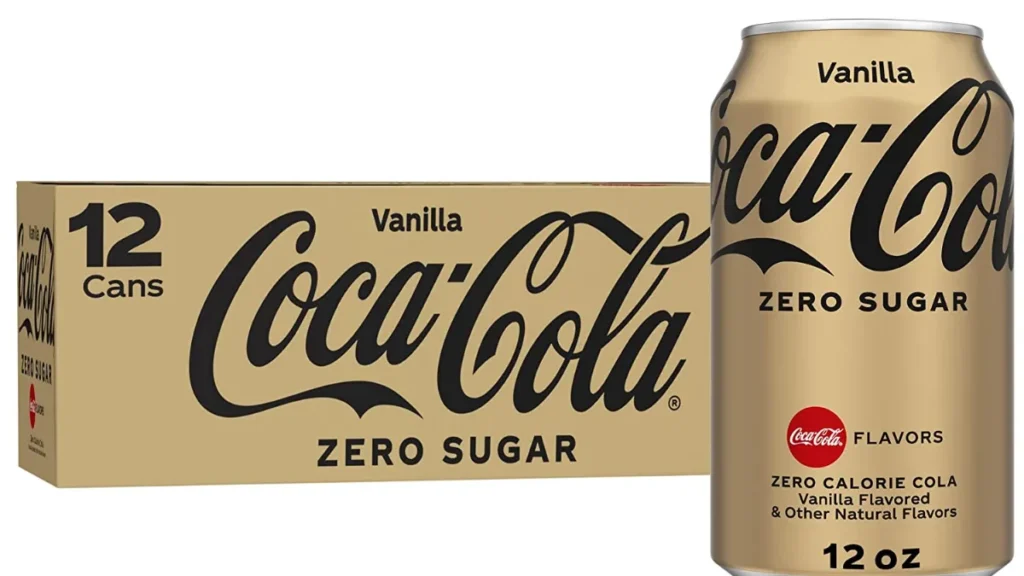
The value of sensory research lies in its application to real-world product development. A prime example is Coca-Cola’s launch of Zero Sugar in 2017. Coca-Cola faced a significant challenge: creating a zero-sugar product that tasted as close to the original Coca-Cola as possible without using sugar. Through extensive sensory research and consumer testing, they developed a new sweetener blend and flavour base that more closely mimicked the taste of the original Coca-Cola. The company conducted numerous sensory evaluations, including blind taste tests and sensory profiling, to refine the formulation. They assessed not only the overall taste but also specific attributes like sweetness onset, mouthfeel, and aftertaste. The research even delved into how the drink’s taste was perceived when consumed with different foods. This comprehensive approach to sensory evaluation paid off. Coca-Cola Zero Sugar was well-received by consumers and has contributed to the further growth of the Coca-Cola brand in many international markets. This success story demonstrates how in-depth sensory research can drive product innovation and market success, even for well-established brands. vanilla coca cola

Embracing the Full Spectrum of Sensory Evaluation

As we’ve explored, sensory research encompasses far more than simple taste tests. It’s a multifaceted field that provides crucial insights into how consumers perceive and interact with products across multiple sensory dimensions. From the complex flavour profiles of food and beverages to the tactile experiences of personal care products, comprehensive sensory evaluation is key to creating products that gain consumer acceptance from launch. For companies looking to enhance their product development process, validate their formulations, or gain a competitive edge in the market, partnering with experienced sensory research professionals can be invaluable. At Wirral Sensory Services, we offer state-of-the-art facilities, experienced sensory panels, and advanced analytical techniques to provide actionable product optimisation insights across various product categories. To explore how our comprehensive sensory research services could benefit your product development efforts, call us today at +44 (0)151 346 2999 or contact us via email at info@wssintl.com for more information.

Home Use Testing: Your Questions Answered

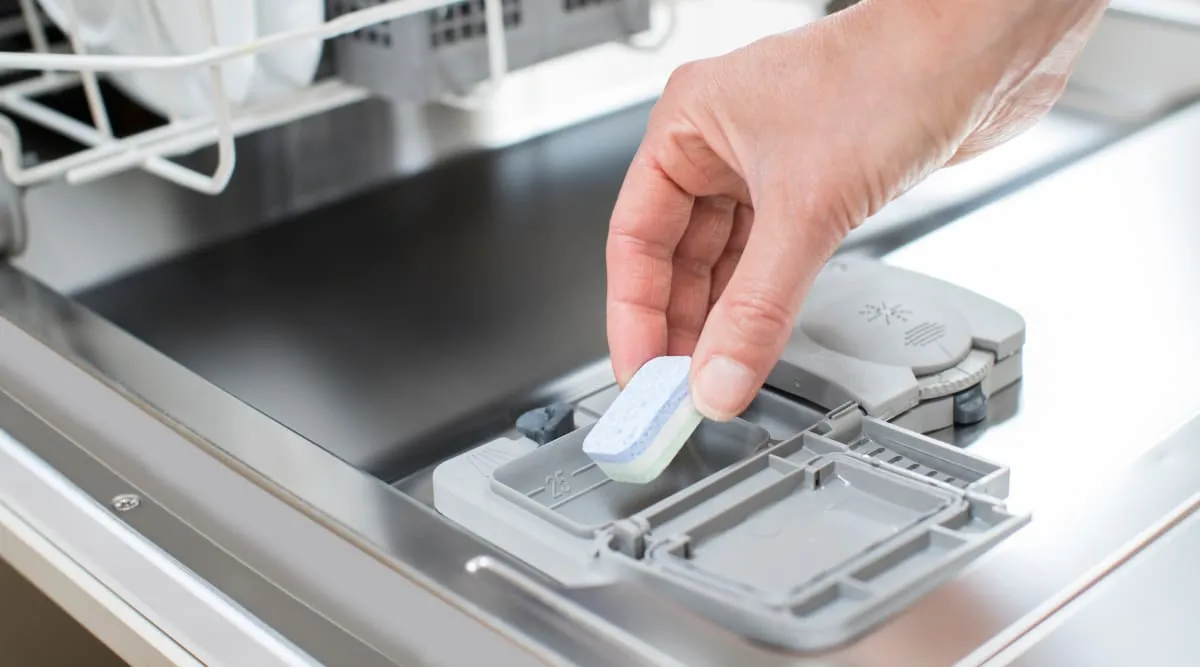
ihut dishwasher tablets Understanding how consumers interact with products in their natural environment is crucial in product development. In that regard, perhaps there is no better consumer research method than home use testing. This method allows consumers to trial products in their own homes and gives companies the ability to gather invaluable insights that lab-based testing simply can’t replicate. But what exactly does home use testing entail, and how can it benefit your product development process? Let’s address some of the most common questions about home use testing to help you understand its potential for your brand and products.

Question #1: What Exactly is Home Use Testing?

Home use testing, often abbreviated as HUT (or iHUT for or in-home use testing), is a research method where consumers are given products to use in their own homes over a specified period. This approach allows researchers to gather much more authentic feedback on how products perform in real-world conditions. Unlike controlled laboratory environments, home use testing provides insights into how products integrate into consumers’ daily lives. It can reveal issues or benefits that might not surface in short-term testing scenarios, making it an essential tool for product refinement and development.

Question #2: How Does Home Use Testing Differ from Other Forms of Product Testing?

While methods like central location testing or focus groups provide valuable data, home use testing offers a unique perspective. The critical difference lies in the extended period of use and the natural setting. In a central location test, consumers might interact with a product for a short time in a controlled environment. However, home use testing allows for repeated use over days or weeks in the consumer’s space. This extended interaction can uncover issues related to product durability, ease of use over time, and how well the product fits into daily routines. kitchen cleaner efficacy testing

Question #3: What Types of Products Can Benefit from Home Use Testing?

Home use testing is versatile and can be applied to various products. It’s particularly valuable for:
  • Food and beverages: Consumers can integrate these into their regular diets and provide feedback on taste, convenience, and overall satisfaction.
  • Personal care products: Items like skincare or haircare products often require extended use to show results.
  • Household goods: Cleaning products like detergents and other similar offerings can be assessed for effectiveness and practicality in real home environments.
  • Consumer electronics: Users can evaluate the learning curve, functionality, and integration with other devices over time.
  • Essentially, any product intended for regular use in a home setting can benefit from this type of testing.

Question #4: How Long Does a Typical Home Use Test Last?

The duration of a home use test can vary depending on the product and research objectives. Typically, tests run anywhere from a few days to several weeks. For instance, a new snack food might require only a week of testing to gather sufficient feedback on taste and convenience. On the other hand, a skincare product promising long-term results might need a month-long test to assess its efficacy accurately. The key is to allow enough time for consumers to use the product as they naturally would, encounter various usage scenarios, and form well-rounded opinions. in-home usage test

Question #5: How Are Participants for Home Use Tests Selected?

Participant selection is crucial for obtaining relevant and valuable feedback. Typically, participants are chosen based on demographic factors, usage habits, and other criteria specific to the product being tested. For example, if testing a new type of baby food, researchers would select households with infants of the appropriate age. For a new tech gadget, they might look for early adopters or individuals with specific tech usage patterns. The goal is to ensure that the test group represents the product’s intended target market, providing insights that are most relevant to potential consumers.

Question #6: What Kind of Data Can Companies Expect to Gather from Home Use Testing?

Home use testing can yield a wealth of both quantitative and qualitative data. Companies can expect to gather information on the following:
  • Product performance and functionality
  • Ease of use and user experience
  • Integration into daily routines
  • Emotional responses and overall satisfaction
  • Likelihood of purchase and price perceptions
  • Comparisons to similar products already in use
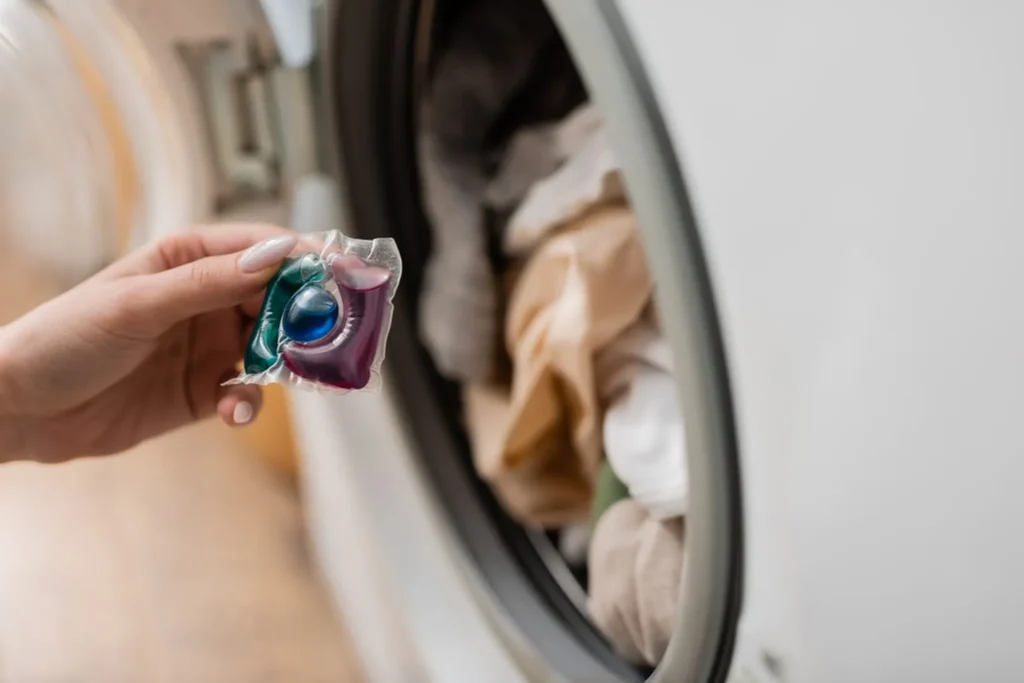
This comprehensive feedback can provide a holistic view of how consumers perceive and interact with the product, offering valuable insights for refinement and marketing strategies. product testing laundry pod

Question #7: How Can Home Use Testing Results be Applied to Product Development?

The insights gained from home use testing can inform various aspects of product development and marketing, such as:
  • Product refinement: Feedback on usability or performance issues can guide product design or formulation improvements.
  • Packaging decisions: Insights on storage, dispensing, or portability can influence packaging choices.
  • Marketing messages: Understanding how consumers use and perceive the product can help shape more effective marketing communications.
  • Pricing strategies: Gauging perceived value can inform pricing decisions.
  • Target market identification: Sometimes, home use tests reveal unexpected appeal to consumer groups, potentially expanding the target market.
By applying these insights, companies can increase the likelihood of market success and consumer satisfaction with their products.

Leverage Powerful Home Use Testing with Wirral Sensory Services

Now that we’ve addressed some of the most commonly asked questions about home use testing, you might be considering incorporating this valuable research method into your product development process. If that’s the case, Wirral Sensory Services offers comprehensive home use testing solutions tailored to meet the specific needs of your product and research objectives. Our experienced team of sensory analysts designs bespoke testing protocols and delivers actionable insights to inform your product development and marketing strategies. Plus, with one of the biggest pools of home use testers on standby, we can deliver both small and large research projects. Our rigorous methodology and in-depth understanding of consumer behaviour have successfully supported various clients, from established multinational food and beverage brands to innovative personal care companies. If you want to learn more about how home use testing could benefit your product development process, don’t hesitate to get in touch to discuss your requirements. Please contact us on +44 (0)151 346 2999 or via email at info@wssintl.com for further information.

The Hidden Costs of Neglecting Product Optimisation for Food and Beverage Brands

product optimisation Given the competition and stakes in today’s fiercely competitive food and beverage market, product optimisation cannot be viewed as a mere buzzword. It should be treated as imperative. While many manufacturers understand its importance, some may underestimate the consequences of neglecting this crucial process. Product optimisation isn’t just about tweaking flavours or adjusting packaging; it’s a comprehensive approach to ensuring your product remains relevant, appealing, and competitive. The impacts can be far-reaching and significant, from eroding market share to long-term brand damage. So, let’s delve into why continuous improvement should be at the forefront of every food and drink manufacturer’s strategy.

The Price of Complacency

When a product has been successful for years, it’s tempting to adopt an “if it isn’t broken, don’t fix it” mentality. However, this approach can be costly in more ways than one. Firstly, consumer preferences are constantly evolving. What appealed to your target market five years ago may not resonate as strongly today. By neglecting to optimise your product, you risk losing market share to more innovative competitors actively adapting to changing tastes and trends. Moreover, complacency can lead to decreased customer loyalty. In an age where consumers are constantly seeking new experiences, a static product can quickly become mundane. This doesn’t just affect your flagship items, either. It can also impact your entire brand perception, as we shall now explain in more detail.

The Ripple Effect on Brand Perception

Neglecting product optimisation affects individual product lines and can have far-reaching consequences for your entire brand.

Brand Erosion

When a company neglects product optimisation, consumers may begin to view the brand as stagnant, unable to keep up with changing tastes and trends. This perception can quickly translate into diminishing relevance in the market. If you remain static, you may find yourself increasingly marginalised as competitors continue to evolve and improve their offerings. Over time, this erosion of market position can significantly weaken your brand’s overall equity, diminishing its value in the eyes of both consumers and stakeholders.

Consumer Trust

Failing to optimise your products can also negatively affect consumer trust. As your products fall behind market standards or fail to address emerging consumer needs, confidence in your brand’s quality may wane. Worse, customers might begin to perceive your brand as outdated or out of touch. This loss of trust can extend beyond your existing products, potentially decreasing the likelihood that consumers will be willing to try new products from your brand. In an industry where innovation and new product launches are crucial for growth, this reluctance can severely hamper your ability to expand and diversify your offerings. These factors combined can create a snowball effect, where negative perceptions compound over time, making it increasingly difficult to regain lost ground in the market.

Lack of Product Optimisation Leads to Financial Implications Beyond Sales

While declining sales are an obvious consequence of neglecting product optimisation, there are other, less apparent financial implications to consider. Marketing Costs: When a product fails to meet evolving consumer expectations, marketing teams often need to work harder – and spend more – to maintain interest. This can lead to inflated advertising budgets and promotional costs, eating into profit margins. Customer Service Issues: Products that haven’t been optimised may lead to increased customer complaints. This impacts customer satisfaction and increases operational costs associated with managing these issues. Reformulation Expenses: Failing to engage in ongoing optimisation can result in the need for major overhauls down the line. These large-scale reformulations are often more costly and disruptive than incremental improvements would have been.

No Product Optimisation Means No Product Innovation

In the food and beverage industry, innovation is key to staying ahead. Neglecting product optimisation can create a significant innovation gap between your brand and your competitors. Technological Advancements: The food industry is constantly evolving, with new ingredients, processing methods, and packaging technologies emerging regularly. Without ongoing optimisation, you risk falling behind in leveraging these advancements to improve your products. Talent Attraction: Innovative companies attract top talent. If your brand is perceived as stagnant due to a lack of product development, you may struggle to recruit the best food scientists, flavourists, product developers, and marketers – further widening the innovation gap. Market Adaptability: Brands that regularly optimise their products are better positioned to adapt to sudden market shifts, whether due to changing regulations, supply chain disruptions, or evolving consumer preferences.

Embrace Continuous Product Optimisation for Success Today

The hidden costs of neglecting product optimisation are pretty evident, from diminishing market share and brand value to increased operational costs and reduced innovation ability. In the dynamic food and beverage industry, standing still is effectively moving backwards. Viewing product optimisation as an ongoing process rather than a one-time event is crucial for long-term success. It allows for incremental improvements, helps maintain market relevance, and can actually be more cost-effective than sporadic, large-scale reformulations. At Wirral Sensory Services, we understand the complexities of product optimisation in the food and beverage sector. Our team of experienced research coordinators and sensory analysts can help you navigate the optimisation process, ensuring your products consistently meet and exceed consumer expectations. If you’re looking to avoid the pitfalls of product stagnation and unlock the full potential of your product range, we’re here to help. For more information on our product optimisation services, please contact us on +44 (0)151 346 2999 or via email at info@wssintl.com.

How Brands Leverage Consumer Research to Drive Product Innovation

surface cleaner Brands that want to stay ahead of the curve must put their customers at the heart of everything they do. That means going beyond surface-level assumptions and diving deep into the minds of their target audience. By leveraging the power of consumer research, they can uncover valuable insights that will help them create products that not only meet expectations but exceed them. This article will explore how brands leverage consumer research to fuel innovation and differentiation. We’ll delve into the role of consumer research in the product development lifecycle, how insights are gathered to inform new ideas, the importance of validating concepts with consumers, and how a consumer-centric approach can lead to a decisive competitive advantage.

Understanding the Role of Consumer Research in Product Development

Consumer research is a vital component of the product development process. It involves collecting and analysing target consumer data to understand their needs, preferences, attitudes, and behaviours. This information is then used to guide all aspects of product design, including but not limited to features, pricing, and marketing strategies. Consumer research can take many forms, such as home use testing, focus groups, and product testing. Each method provides a unique perspective on consumer insights, and brands often use a combination of techniques to gain a comprehensive understanding of their target market.

Gathering Insights to Inform Product Innovation

One primary way brands use consumer research is to identify unmet needs and pain points in the market. By understanding consumers’ challenges and frustrations, brands can spot opportunities for innovation. They can then develop new products or features that address these gaps and provide unique value to their target audience. For example, when Nestlé wanted to improve its popular KitKat chocolate bar and reduce its sugar content, it turned to extensive consumer research. Through a combination of focus groups, surveys, and sensory testing, it was discovered that the proposed reformulations produced an excellent wafer, but the chocolate coating was too sweet and didn’t have enough depth of flavour. Nestlé’s product development team worked to reformulate the chocolate recipe based on these insights. They experimented with different cocoa blends and increased milk content in manufacturing processes to create a chocolate coating with a more chocolatey taste and a less sweet profile. They then conducted multiple rounds of sensory testing with target consumers to refine the recipe until they achieved the optimal balance of flavour and texture. The result was the launch of a new KitKat (denoted with “Now with extra cocoa and milk” on the packaging) that delivered the same great taste while reducing sugar by 10% – meeting a key marketing pledge made by the company to reduce sugar by 10% across its confectionery portfolio. This example illustrates how consumer research can be leveraged to optimise even well-established products. By gaining a deeper understanding of consumer preferences and pain points, Nestlé was able to innovate their offering without losing market share in a highly competitive snack market. ihut food

Validating Product Concepts and Prototypes

While generating new product ideas is crucial, validating these concepts with target consumers is equally important. Before investing significant resources into product development, brands need to ensure that their ideas resonate with their intended audience. Consumer research plays a critical role in this validation process. Through concept testing, brands can present early product ideas to consumers and gather feedback on various aspects such as desirability, usability, and perceived value. This feedback can then be used to refine and improve the product concept before moving into the prototyping phase. Once a prototype is developed, brands can conduct user testing to observe how consumers interact with the product in real-world scenarios, such as in-home product tests. This hands-on feedback provides invaluable insights into the product’s usability, functionality, and overall user experience.

Continuous Improvement and Iteration

Consumer research doesn’t stop once a product is launched. Ongoing research is essential for continuous improvement and staying ahead of evolving consumer needs. By regularly gathering customer feedback, brands can identify areas for enhancement and make data-driven decisions to optimise and iterate their products. Post-launch research can take many forms, such as satisfaction surveys, product reviews, and social media listening. By analysing this feedback, brands can uncover opportunities to refine product features, address issues or concerns, and improve the overall customer experience. This iterative approach ensures that products remain relevant and competitive over time. tide pods

Unlocking Competitive Advantages Through Consumer-Centric Innovation

As we’ve discussed, brands that prioritise consumer research are well-positioned to drive innovation and differentiation. By leveraging insights gained from their target audience, brands can create products that truly resonate and meet their customers’ evolving needs. Consumer research plays a critical role at every stage of the product development process, from identifying unmet needs and staying ahead of trends to validating product concepts. By adopting a consumer-centric approach, brands can unlock a powerful competitive advantage and foster long-term success. At Wirral Sensory Services, we specialise in helping food, beverage, and FMCG brands gain the deep consumer understanding needed to drive innovation and differentiation. With over 25 years of experience in sensory and consumer research, our expert team can design and execute bespoke consumer research solutions tailored to your needs. Whether you’re looking to explore new product ideas, optimise existing offerings, or gain a competitive edge in your market, we’re here to offer support and expertise at every step. Contact us today at +44 (0)151 346 2999 or info@wssintl.com to discuss how we can help you unlock the most powerful consumer insights.

Food Benchmarking

burger Are your food products meeting consumer expectations and outperforming competitors? How do you know if you’re not testing your offerings against the competition? The answers you seek will likely be found through food benchmarking – a testing process that provides critical insights into the performance and perception of your products in the market. By objectively and scientifically comparing your products against rivals, you can identify areas for improvement and make data-driven decisions to optimise your offerings. Powered by objective feedback from target consumers, you can gain a deeper understanding of how your products compare to the competition and identify opportunities to enhance recipes, flavours, packaging, and overall product experience.

The Power of Food Benchmarking

Food benchmarking offers brands a powerful tool for gaining a competitive edge. For instance, it helps you identify areas for improvement and allows you to validate product reformulations and new product launches Concerning the latter point, gathering consumer feedback before releasing a new product or reformulation can be the difference in ensuring your offerings meet or exceed customer expectations, minimising the risk of costly product launches (and subsequent failures). Furthermore, scientifically obtained benchmarking results can provide compelling evidence of product superiority, which can be leveraged in negotiations with retailers and in marketing communications to consumers. beer sensory testing

Inside the Food Benchmarking Process

At the heart of food benchmarking lies a rigorous process designed to gather accurate and actionable insights. The process begins by recruiting a panel of target consumers who represent your desired market segment. These consumers participate in multiple tests (including taste tests), evaluating your products alongside competitor offerings without knowledge of the brands involved. To ensure fair comparisons, strict protocols are followed for the preparation and presentation of products. All samples are prepared and served under identical conditions, minimising any biases that could skew the results. Depending on your specified attributes to be benchmarked, consumers evaluate key sensory factors such as appearance, aroma, flavour, texture, and overall product acceptance. They provide detailed feedback on each attribute, which is then analysed using statistical methods to uncover meaningful insights and identify significant differences between the products. The insights gathered from food benchmarking go beyond simple comparisons of product attributes. Skilled researchers at Wirral Sensory Services analyse the data to identify trends, consumer preferences, and areas for improvement. These insights are then translated into actionable recommendations for product optimisation, allowing you to make informed decisions about aspects such as recipe adjustments, packaging redesigns, and marketing strategies. taste testing

The Impact of Food Benchmarking on Your Bottom Line

Investing in food benchmarking can have a profound impact on your business’s financial performance. By delivering products that outperform competitors and meet consumer preferences, you can:
  • Improve customer satisfaction and loyalty: When your products consistently deliver superior taste, quality, and overall experience, consumers are more likely to become repeat purchasers and recommend your brand to others.
  • Increase sales and market share: By optimising your products based on benchmarking insights, you can attract new customers and capture a larger market share, driving revenue growth for your business.
  • Minimise the risk of product failures: Food benchmarking allows you to validate new product launches and reformulations before bringing them to market, reducing the risk of costly failures and protecting your brand reputation.
  • Strengthen retailer relationships: By providing compelling evidence of your product’s superiority through benchmarking, you can negotiate better shelf space, promotional opportunities, and other favourable terms with retailers.
food concept testing

Why Choose Wirral Sensory Services as Your Trusted Partner in Food Benchmarking

With almost 30 years of experience in sensory and consumer research for the food industry, Wirral Sensory Services is your trusted partner in food benchmarking. Our team of consumer research experts leverage their deep understanding of consumer behaviour and sensory science to design customised research solutions tailored to your unique needs and goals. At Wirral Sensory Services, we understand that every food business faces distinct challenges and opportunities. That’s why we take a collaborative approach, working closely with you to understand your objectives and design a benchmarking study that delivers the insights you need to succeed. Our state-of-the-art facilities and rigorous methodologies ensure that the data we collect is reliable, accurate, and actionable. Lastly, our commitment to your success extends beyond the initial benchmarking study. We believe in building long-term partnerships with our clients, supporting them in their ongoing efforts to drive product improvement and maintain a competitive edge. By partnering with Wirral Sensory Services, you can make confident decisions that elevate your food products and delight your customers. sensory testing

Enhance Your Food Product Offerings with Benchmarking Insights

In today’s competitive food industry, companies that prioritise understanding and meeting evolving consumer preferences are the ones that thrive. Food benchmarking provides a powerful consumer research tool to gain insights into how your products perform compared to the competition and identify opportunities for improvement. By partnering with Wirral Sensory Services for your food benchmarking needs, you can unlock the power of consumer insights to enhance product performance and drive business success. Our expert team is ready to support you in your journey to product excellence, from designing customised research solutions to delivering actionable recommendations for optimisation. Don’t let your products fall behind. Get in touch with Wirral Sensory Services today to discuss your food benchmarking needs via phone at +44 (0)151 346 2999 or via email at info@wssintl.com.

The Importance of Sensory Testing in Quality Control and Assurance

ihut food Sensory testing plays a pivotal role in ensuring that products meet consumer expectations, which is why so many leading companies incorporate it into their quality control and assurance processes. Ensuring sensory consistency within their products ensures companies can drive consumer satisfaction and brand loyalty. When customers know what they’re going to get in terms of appearance, aroma, texture, and flavour, they’re more likely to return. So, let’s look closer at how this evaluation method enables brands like yours to make informed decisions throughout the product development cycle and keeps their products performing to expectations throughout their life cycle.

Sensory Testing in Quality Control

Ensuring Consistency

One of the primary functions of sensory testing in quality control is to ensure product consistency. Regularly monitoring the sensory attributes of a product allows you to quickly identify and address any variations in quality. This is particularly important for products that rely heavily on their sensory characteristics, such as food and beverages.

Identifying and Addressing Sensory Issues

Sensory testing also plays a crucial role in identifying and addressing potential sensory issues during product development or reformulation. By detecting off-flavours, undesirable textures, or other sensory anomalies early in the process, brands can refine and optimise their products before they reach the market. This proactive approach helps to minimise the risk of consumer dissatisfaction and potential product recalls.

Insights into Shelf Life and Stability

In addition to ensuring consistency and addressing sensory issues, sensory testing can provide valuable insights into a product’s shelf life and stability. Manufacturers can determine the optimal storage conditions and establish accurate expiration dates by assessing the sensory changes that occur during storage. This information is vital for maintaining product quality and consumer safety throughout the supply chain. food concept testing

Sensory Testing in Quality Assurance

Verifying Product Specifications and Standards

Quality assurance is another critical area where sensory testing proves indispensable. By verifying that a product meets established sensory specifications and standards, brands can ensure compliance with internal and external quality criteria. This includes meeting customer expectations and requirements as well as adhering to industry regulations and guidelines.

Assessing Product Acceptance with Consumers

Sensory testing also enables you to assess a product’s performance and acceptability compared to competitor offerings and industry benchmarks. By evaluating vital sensory attributes against target profiles, companies can gauge their products’ market viability and identify areas for improvement. This comparative analysis is essential for staying competitive and meeting evolving consumer demands, and no product should ever stand still.

Supporting Product Development and Optimisation

Furthermore, sensory testing supports ongoing product development and optimisation efforts. By providing detailed sensory feedback, this evaluation method helps guide formulation and process improvements, ultimately leading to more refined and appealing products. This iterative product development approach ensures that you consistently deliver the best possible sensory experience to your customers. sensory testing

The Benefits of Sensory Testing in Quality Management

While we’ve already touched upon it, it’s worth restating some of the benefits associated with integrating sensory testing into quality control and assurance processes:
  • Enhanced product quality and consistency: By ensuring that products consistently meet or exceed sensory expectations, you can build and maintain a brand reputation, foster customer loyalty, and drive repeat purchases.
  • Reduced production costs and waste: Identifying and addressing potential sensory issues early in the development process helps avoid costly reformulations and product recalls, saves time and resources, and minimises the risk of financial losses associated with subpar products.
  • Improved customer satisfaction and loyalty: Consistently delivering products with optimal sensory characteristics encourages satisfied customers to become brand advocates, attracts new customers, drives business growth, and builds a loyal customer base crucial for long-term success.
  • Competitive advantage: Leveraging sensory insights to create products that outperform competitors allows manufacturers to differentiate themselves in crowded product categories and capture a larger market share through superior sensory experiences.
Focusing on these key benefits can help you harness the power of sensory testing to improve product quality, customer satisfaction, and overall business success. sensory testing

Partner with the Sensory Testing Experts Today

Partnering with experienced sensory professionals is essential to reap the most benefits of sensory testing in quality control and assurance. At Wirral Sensory Services, our sensory evaluation experts have the knowledge, skills, and resources to support your product development and quality management efforts. With over two decades of experience in the sensory evaluation field, we have helped countless clients across various industries to optimise their products and ensure consistent quality. Our state-of-the-art facilities and advanced testing methodologies enable us to provide comprehensive sensory insights that drive informed decision-making and product success. So, if you’re looking to enhance your product quality, improve customer satisfaction, and drive business growth, it’s time to prioritise sensory testing in your quality management strategy. Contact Wirral Sensory Services today to learn how our sensory evaluation solutions can help you achieve your product development and quality assurance goals.

What Is Efficacy Testing?

efficacy testing In the ever-competitive consumer market, efficacy testing has become a cornerstone for companies striving to establish trust and credibility with their customers. Whether it’s a pharmaceutical company validating the potency of a new drug or a household cleaner brand proving its stain-removal claims, efficacy tests are crucial. In this blog post, we’ll dive into the concept of efficacy testing, explore why it’s essential, and examine how businesses like Wirral Sensory Services can assist in ensuring your products meet and exceed consumer expectations.

What is Efficacy Testing?

Efficacy testing involves a series of experiments and trials designed to measure whether a product performs its intended function effectively. It is an essential component in the development and evaluation of products that claim to have specific beneficial effects. At Wirral Sensory Services, we specialise in conducting rigorous and comprehensive efficacy tests to validate the claims made by a wide range of consumer products. These tests are vital in various industries, including healthcare, cosmetics, and consumer goods, and are often a prerequisite for regulatory approvals and market launch. But it’s not just about meeting the minimum standards; efficacy testing also plays a significant role in product development and improvement. This process not only helps in substantiating product claims but also plays a crucial role in building consumer trust and compliance with regulatory standards.

The Role of Efficacy Testing in Product Development

Developing a new product is a complex and multifaceted process. Efficacy testing provides objective data that helps manufacturers refine their formulations, identify optimal usage conditions, and make evidence-based claims about their products. This data-driven approach to product development can help companies avoid costly missteps and create products that truly resonate with their target audience. suncream

Why is Efficacy Testing Important?

Efficacy testing isn’t just a box-checking exercise; it’s a fundamental component of a product’s success. Here’s why it matters so much.

Regulatory Compliance and Safety

For products in regulated industries, such as pharmaceuticals and medical devices, efficacy testing is a non-negotiable requirement. Regulatory bodies like the MHRA  mandate rigorous testing to ensure that products are safe for consumer use and perform as advertised. Without passing these tests, products cannot legally be sold in the market.

Building Consumer Trust

In a market flooded with options, consumers are increasingly skeptical of marketing claims. Efficacy testing allows companies to substantiate their assertions with tangible proof. When consumers know that a product’s effectiveness is backed by science, they are more likely to trust and choose that brand over competitors.

Competitive Advantage

Products that have undergone thorough efficacy testing can stand out in a crowded marketplace. Companies that invest in efficacy testing can showcase their commitment to quality and effectiveness, providing them with a competitive edge. surface cleaner

Wirral Sensory Services: A Partner in Efficacy Testing

Wirral Sensory Services specialise in providing comprehensive efficacy test solutions. We can play a pivotal role in guiding manufacturers through the intricacies of product testing. Here’s how we can help:

Expertise in Various Industries

Wirral Sensory Services have a wealth of knowledge across different sectors, enabling us to conduct efficacy tests that are industry-specific and relevant. Our expertise ensures that testing protocols are aligned with the latest industry standards and consumer expectations.

Customised Testing Protocols

Every product is unique, and so are its testing requirements. Wirral Sensory Services develops customised testing protocols that reflect the specific attributes and intended use of each product. This tailored approach ensures accuracy and relevance in the test results.

Objective, Reliable Results

With a focus on providing unbiased and precise data, Wirral Sensory Services can help companies make informed decisions about their products. The reliability of their testing methods offers peace of mind to manufacturers and consumers alike. home use product testing

Efficacy Test: The Process and Considerations

An efficacy test is a meticulously planned experiment with several stages. Here’s an overview of the process and factors that companies must consider when embarking on efficacy testing.

Defining the Scope and Objectives

Before testing can begin, it’s crucial to define what the test aims to achieve. This includes identifying the product’s intended function, target market, and any specific claims that need verification. These could range from “improves skin hydration” for skincare products to “lasts 30 days” for air fresheners.

Designing the Test

Based on the claims, we design a study that will accurately test these assertions. This includes selecting appropriate methods, determining sample sizes, and deciding on control variables. This stage is critical for ensuring that the test results will be both valid and relevant.

Participant Selection

We recruit participants who reflect the target demographic of the product. This helps in ensuring that the test results are relevant and accurate.

Conducting the Test

Testing usually takes place in a controlled environment where variables can be carefully monitored. This might involve clinical trials for healthcare products or performance tests for cleaning agents. Precise measurements and observations are recorded to assess the product’s performance.

Data Collection and Analysis

Data is collected rigorously during the testing phase. After the test is complete, the data collected is analysed to determine whether the product meets the established success criteria. This analysis can also reveal areas for potential improvement.

Reporting and Making Claims

The final step is to compile the findings into a comprehensive report that outlines the methodology, the testing process, and the results. This report can be used to support marketing claims, inform further product development, or submit for regulatory approval. efficacy testing

Challenges and Best Practices in Efficacy Testing

Efficacy testing is not without its challenges. Ensuring test accuracy, dealing with variables, and interpreting results can be complex. However, adhering to best practices can mitigate these issues.

Maintaining Test Integrity

To obtain reliable results, it’s essential to maintain a high level of integrity throughout the testing process. This means avoiding any biases or influences that could skew the data.

Dealing with Variables

Many factors can affect the outcome of an efficacy test. It’s important to identify and control for these variables to ensure that the results reflect the product’s performance and not external factors.

Transparent Reporting

Transparency in reporting efficacy test results is crucial for maintaining credibility. Companies should be open about their methodologies, data, and any limitations of the test. ihut facial cream

Types of Products Tested

At Wirral Sensory Services, we perform efficacy testing on a diverse range of products, including:
  • Health and Beauty: Ensuring that cosmetics, skincare, and health products perform as claimed.
  • Household Products: Testing cleaning efficacy and durability of household items.
  • Food and Beverage: Verifying taste, quality, and preservation claims.
  • Consumer Electronics: Assessing performance and durability claims.

Online Research

Why Choose Wirral Sensory Services?

Choosing Wirral Sensory Services for your efficacy testing needs ensures that you work with a team that has extensive experience and a proven track record. Our state-of-the-art facilities and commitment to scientific rigor mean that you can expect not only reliable results but also actionable insights that can help in enhancing your product. Our collaborative approach also ensures that our clients are kept in the loop throughout the testing process, from initial consultation to final reporting. In conclusion, efficacy testing is more than just verifying product claims—it’s a commitment to product excellence and consumer satisfaction. At Wirral Sensory Services, we understand the importance of these tests and are dedicated to providing our clients with the highest standards of testing services. For more information on how we can assist you in your product development and marketing efforts, please get in touch. Join us in the pursuit of excellence and let us help you prove your product’s worth to the world.

The Role of Central Location Testing in Launching Successful Products

taste testing Launching a successful product is no small feat. It requires careful planning, research, and testing. Central Location Testing (CLT) plays a crucial role in this process. It’s a method used to gather valuable consumer insights before a product hits the market. CLT allows companies to identify potential issues early in the development process. It’s a proactive approach to ensure the product meets consumer expectations. At Wirral Sensory Services, we specialise in using Central Location Testing to help our clients refine their products and ensure successful market introductions. In this blog post, we’ll delve into the importance of CLT in launching successful products. We’ll explore how it works, its benefits, and its role in consumer research and product development. Whether you’re a product manager, a marketing professional, or a business owner, this post will provide you with a comprehensive understanding of CLT.

Understanding Central Location Testing

Central Location Testing (CLT) is a popular method used in consumer research. It involves testing a product or service in a controlled environment. The testing location is usually a place that is easily accessible to a large number of participants. This could be a shopping centre, a research facility, or any other central location. The main goal of CLT is to gather data on consumer reactions to a product. It differs from other methods like in-home usage tests (IHUTs), as it allows for immediate data collection and a standardised testing process. This type of testing is ideal for sensory evaluation, concept testing, and packaging feedback. With consumer insights in hand, businesses can make data-driven decisions about the product’s development and marketing. Central Location Testing is a versatile method. It can be used for a wide range of products and services, from food and beverages to electronics and cosmetics. It’s a cost-effective way to test a product before it’s launched. It can save companies from the potential losses of an unsuccessful product launch. beer sensory testing

The CLT Process: How It Works

The process of Central Location Testing (CLT) is systematic and thorough. It begins with the selection of a suitable location and the recruitment of participants. The location should be central and easily accessible to the participants. The participants, on the other hand, should be a representative sample of the target market. Once the location and participants are set, the testing begins. The types of tests conducted during CLT can vary depending on the product or service being tested. After the tests, data is collected and analysed. This data provides valuable insights into consumer preferences and behaviors. The findings from the CLT can then be used to refine the product and develop effective marketing strategies.

Selecting the Right Location and Participants

The success of a Central Location Test largely depends on the selection of the right location and participants. The location should be convenient for the participants to reach. The participants should be a representative sample of the target market. This ensures that the findings from the CLT are relevant and applicable to the wider market. Recruiting the right participants can be a challenging task. It requires a good understanding of the target market and effective recruitment strategies.

Types of Tests Conducted During CLT

The types of tests conducted during a CLT can vary widely. They depend on the product or service being tested. For food and beverage products, taste tests are common. For electronics, usability tests might be conducted. In addition to these, packaging evaluations, sensory tests, and preference tests are also commonly conducted during a CLT.

Collecting and Analysing Data

Data collection is a crucial part of the CLT process. It involves gathering quantitative data through questionnaires and surveys. In addition to this, qualitative feedback is also collected. This is usually done through interviews and focus groups. Once the data is collected, it’s analysed to gain actionable consumer insights. These insights can guide product improvements and marketing decisions. consumer research

The Benefits of Central Location Testing

Central Location Testing (CLT) offers numerous benefits. It plays a crucial role in the product development process. Some of the key benefits of Central Location testing are as follows:

Identifying Product Issues Early

One of the key benefits of CLT is its ability to identify product issues early on. This is crucial in the product development process. By identifying potential issues before a product is launched, companies can make necessary modifications. This can save time, money, and resources. Moreover, it can prevent negative consumer experiences and protect the brand’s reputation.

Gaining Actionable Consumer Insights

CLT provides valuable consumer insights. These insights can guide product development and marketing strategies. Through CLT, companies can understand consumer preferences and behaviors. They can learn what consumers like and dislike about a product. These insights can be used to refine the product and develop effective marketing strategies.

Reducing Market Launch Risks

Launching a new product in the market comes with risks. CLT can help reduce these risks. By testing a product in a controlled environment, companies can identify and address potential issues before the product is launched. This can prevent product failures and protect the brand’s reputation. It can also save companies from the financial losses associated with unsuccessful product launches. sensory testing

CLT in Action: Case Studies and Success Stories

At Wirral Sensory Services, we have numerous success stories where Central Location Testing has directly contributed to the successful launch of products. For instance, a recent project involved conducting CLT for a new beverage product, which identified key flavor preferences and optimal sweetness levels that differed significantly from the client’s initial predictions. This led to a last-minute recipe adjustment that ultimately contributed to a highly successful product launch. In another project, a tech company used CLT to test the usability of a new app. The feedback from the testing helped the company improve the app’s user interface. The app received positive reviews upon launch. Online Research

Partnering with Experts: The Role of Wirral Sensory Services

When it comes to conducting effective Central Location Testing (CLT), partnering with experts like Wirral Sensory Services can be beneficial. We have the experience and expertise to manage the entire process, from participant recruitment to data analysis. Wirral Sensory Services also have the necessary facilities and equipment for conducting various types of tests. We can provide valuable insights that can help improve your product and increase its chances of success in the market. In addition, we adhere to ethical standards and best practices in conducting CLT. This ensures that the data collected is reliable and can be used to make informed decisions.

Integrating CLT into Your Market Strategy

Central Location Testing is an indispensable part of launching a successful product. By providing a deep understanding of consumer preferences and behaviors in a controlled setting, CLT helps businesses make informed decisions that enhance product appeal and market fit. At Wirral Sensory Services, we harness the power of CLT to bring you closer to your consumers and their needs, ensuring your next product launch is grounded in solid consumer research. At Wirral Sensory Services, we offer comprehensive sensory analysis and consumer insights, including state-of-the-art Central Location Testing facilities. Our expertise and methods ensure that your products meet market demands and exceed consumer expectations. Get in touch to learn more about how we can assist you in navigating your product development journey from concept to consumer.

The Ultimate Guide to Sensory Profiling in Consumer Research

sensory testing Understanding consumer preferences and behaviors is pivotal for businesses looking to create products that truly resonate with their target market. Sensory profiling, a key component of consumer research, offers invaluable insights into how consumers perceive products through their senses, which can significantly influence their buying decisions. Wirral Sensory Services specialises in leveraging these insights to optimise product development and marketing strategies. In this comprehensive guide, we’ll explore the intricacies of sensory testing and why it’s an essential tool for anyone involved in product development and marketing.

What is Sensory Profiling?

Sensory profiling in consumer research refers to the scientific method used to measure, analyse, and interpret the responses of individuals to products as perceived by the senses of sight, smell, touch, taste, and hearing. It is a structured approach that involves a panel of trained assessors who describe the sensory characteristics of products and help in understanding consumer preferences. The process involves detailed testing with trained panels or consumer groups who provide objective data on the sensory attributes of a product. This data is crucial for understanding consumer preferences and improving product offerings.

The Role of Sensory Testing in Product Development

Sensory testing plays a vital role in product development. It helps in identifying which product attributes are most liked or disliked by consumers. This information can be crucial when making decisions about product formulations, packaging, and marketing strategies. Sensory profiling provides actionable insights that can lead to the enhancement of existing products or the successful launch of new ones. sensory evaluation

The Sensory Profiling Process

Sensory profiling is not a one-size-fits-all approach; it varies depending on the product and research goals. However, the general process typically involves several key steps:

1. Defining Objectives and Designing the Test

Before any sensory test can begin, clear objectives must be set. What do you want to learn from the sensory profiling? Are you comparing your product with competitors’, or are you trying to understand the sensory attributes of a new product line? Once the goals are established, the test can be designed accordingly, considering factors such as the number of samples, attributes to be measured, and the environment in which the test will take place.

2. Selecting and Training the Sensory Panel

The sensory panel is the heart of sensory profiling. Panelists are typically screened for their sensory acuity and then trained to recognise and articulate the sensory attributes of the products being tested. The training ensures consistency in the evaluation and accuracy in the results.

3. Conducting the Sensory Test

During the sensory tests, panelists evaluate the products based on the predetermined set of attributes. The conditions of the testing environment are controlled to minimise external influences and distractions.

4. Analysing and Interpreting Data

The data collected from the sensory tests are then analysed statistically to identify patterns and preferences. This analysis can reveal strengths and weaknesses in a product’s sensory attributes and guide product improvement or development. taste testing

The Importance of Sensory Profiling in Consumer Research

Sensory profiling is more than just tasting a product; it’s a comprehensive examination of all the senses. Here’s why it’s important:

Helps Understand Consumer Preferences

By utilising sensory profiling, companies can get a detailed understanding of what consumers prefer. This can lead to the development of products that better meet consumer expectations and, as a result, are more successful in the market.

Supports Product Optimisation

Sensory profiling can identify which sensory attributes contribute to a product’s likeability, which can be crucial for product optimisation. Modifying a product based on sensory data can improve its acceptance among consumers.

Enhances Marketing Strategies

Understanding the sensory attributes that are most appealing to consumers can also inform marketing strategies. Highlighting these attributes in advertising can resonate more with consumers and drive sales.

Improved Market Positioning

Sensory profiling helps identify the unique selling points of a product based on its sensory attributes, which can be used to differentiate it in the marketplace.

Quality Control

Regular sensory testing ensure consistency, helping maintain product quality and consumer trust over time.

Cost Efficiency

By identifying potential product issues early in the development process, sensory profiling can save costs associated with product failures and recalls. consumer research

Sensory Profiling Techniques

There are several techniques used in sensory profiling, each with its own set of applications:

Descriptive Analysis

This method involves a trained panel that provides a detailed description of the sensory attributes of a product. It’s one of the most comprehensive forms of sensory testing and can provide a deep understanding of a product’s sensory characteristics.

Discrimination Testing

Discrimination testing is used to determine whether there are detectable differences between products. This can be useful when a company has made a change to a product and wants to know if that change is perceptible to consumers.

Affective Testing

Affective testing, also known as consumer testing, is used to determine consumer preferences. It involves untrained consumers who provide feedback on how much they like or dislike a product.

Challenges of Sensory Profiling

While sensory profiling is a powerful tool, it comes with its own set of challenges:

Subjectivity

Even with trained panelists, there can be a degree of subjectivity in the results. It’s essential to have a large enough panel and proper statistical analysis to ensure reliability.

Cost and Time

Sensory profiling can be time-consuming and expensive. It requires the recruitment and training of panelists, as well as the creation of a controlled testing environment.

Keeping Up with Consumer Trends

Consumer preferences can change rapidly, and sensory profiling needs to adapt accordingly. Ongoing research and flexibility in the process are necessary to stay relevant. beer sensory testing

Case Studies of Sensory Profiling From Wirral Sensory Services in Action

To illustrate the power of sensory profiling, let’s look at a few real-world examples of successful sensory profiling from Wirral Sensory Services.

A Brewery’s Success

Wirral Sensory Services used sensory profiling to test various flavor formulations for a national brewery . The results helped them identify the most preferred flavors, which led to the successful launch of a new line of craft beers that outperformed expectations.

Revitalising a Snack Brand

A snack brand was losing market share and utilised sensory profiling to understand why. The insights gained from working with Wirral Sensory Services led to recipe adjustments that improved taste and texture, resulting in regained popularity and increased sales. food concept testing

Conclusion: Sensory Profiling as a Key to Consumer Satisfaction

In the competitive landscape of consumer goods, sensory profiling stands out as a critical tool for understanding and catering to consumer preferences. By integrating sensory testing into their research and development processes, companies can make informed decisions that lead to successful products. With its ability to provide detailed insights into how consumers perceive products, sensory profiling in consumer research offers a strategic advantage for businesses aiming to enhance their offerings and achieve market success. Remember, the ultimate goal of sensory profiling is not just to collect data but to translate that data into tangible improvements in product design, marketing, and overall consumer satisfaction. At Wirral Sensory Services, we are dedicated to helping businesses harness the power of sensory insights to achieve remarkable success in their markets. Whether you are in the food and beverage industry, personal care, or any other sector, our team is here to help you understand and optimise your products’ sensory attributes. Get in touch to discover more about how our sensory profiling services can elevate your consumer research efforts.

Consumer Research Services

In today’s highly competitive market, businesses need to deeply understand their target audience to create products that resonate with consumers. Consumer research is a critical tool that helps companies gain valuable insights into consumer preferences, behaviours, and attitudes. Leveraging these insights allows businesses like yours to make informed decisions about product development, marketing strategies, and overall brand positioning. At Wirral Sensory Services, we specialise in providing comprehensive consumer research solutions to help businesses of all sizes achieve their goals. With almost three decades of experience in the industry, our team of experts has the knowledge and skills to deliver actionable insights that drive success. ihut food

The Importance of Consumer Research

Consumer research is essential for businesses looking to stay ahead in today’s ever-changing consumer market. By conducting thorough research with potential customers, companies can:
  • Identify target audience preferences and needs
  • Understand consumer perceptions of their brand and products
  • Assess the viability of new product ideas
  • Evaluate the effectiveness of marketing campaigns
  • Gain a competitive edge by staying attuned to market trends
Investing in consumer research allows businesses to make data-driven decisions, minimising the risk of product failures and ensuring that resources are allocated effectively. tide pods

Our Comprehensive Consumer Research Services

At Wirral Sensory Services, we offer a wide range of consumer research services tailored to meet the specific needs of our clients. Our services include but are not limited to:
  • Taste Testing: We conduct taste tests to help food and beverage companies optimise their products and meet consumer expectations.
  • Sensory Profiling: Our trained panellists, who have higher than average sensory acuity, assess products against key parameters, providing objective measurements and generating unique product profiles.
  • Home Use Testing: Our home use tests allow consumers to try products in their own homes, providing real-world feedback on product performance.
  • Efficacy Testing: Our efficacy testing provides data-driven support for product claims, helping businesses substantiate their marketing messages and stand out from competitors.
  • Packaging Research: Our packaging research helps companies optimise their packaging designs to attract and engage consumers.
These are merely a selection of our consumer research services. The complete list of our services is available here. in-home usage test

Our Approach to Consumer Research

At Wirral Sensory Services, we take a collaborative approach to consumer research. We work closely with our clients to understand their unique needs and objectives, tailoring our consumer research methods to deliver the most valuable insights. Our experienced researchers and analysts use cutting-edge techniques and technologies to gather and interpret data. We pride ourselves on providing clear, actionable recommendations that help our clients make informed decisions and achieve their goals. burger

Why Choose Wirral Sensory Services for Consumer Research?

Choosing the right consumer research partner is crucial for the success of your business. At Wirral Sensory Services, we offer:
  • Expertise: Our team has over 25 years of experience in consumer research, working with leading brands across various industries.
  • Customisation: We tailor our research methods to meet each client’s specific needs, ensuring that we deliver the most relevant and valuable insights.
  • Quality: We are committed to delivering the highest quality research services using robust methodologies and advanced technologies.
  • Partnership: We work closely with our clients, becoming an extension of their team and providing ongoing support and guidance.
ihut facial cream

Unlock the Power of Consumer Insights with Wirral Sensory Services Today

Consumer research is a powerful tool to help businesses unlock valuable insights and achieve their goals. At Wirral Sensory Services, we are dedicated to helping our clients succeed by providing comprehensive, tailored consumer research solutions. Whether you’re looking to optimise your products, better understand your target audience, or evaluate the effectiveness of your products, we have the expertise and experience to deliver the insights you need. Contact us today at +44 (0)151 346 2999 or info@wssintl.com to learn more about how we can help you unlock the power of consumer insights and drive your business forward.