Guide To Product Concept Testing

product concept testing

What Is Product Concept Testing?

Product concept testing is an early market research technique that increases the likelihood that you will introduce a product that consumers will be eager to buy. Early on, you test a product’s feasibility with its target audience, and you make adjustments to it based on their comments and the data acquired from concept testing. Product concept testing is a critical phase of product development. It will help you to avoid expensive mistakes and unpleasant surprises. The data and information you receive will give you a lot better understanding of the market and will assist you in launching your product with much more success. Product concept testing should be a priority for all businesses looking to bring a new product to market. This is as there are several statistics that paint a sombre picture of the reality of product launches: Under this pressure, you want to make sure your product connects with your customer before it goes to market. By doing the right product research, you’re checking that your assumptions about your customer are correct. These damning statistics reiterate why it is so important to make sure your product resonates with your target consumer before it enters the market. By conducting thorough consumer research and product concept testing you can have more confidence that your presumptions about your target audience are correct. beer sensory testing

The Role Of Concept Testing In Market Research

Conventional market research typically involves participants selecting from predefined criteria established by a company in order to offer their feedback. This process is unidirectional and concludes once the company obtains the desired responses. In contrast, concept testing takes a distinct approach. It centers on actively listening to the audience’s perspectives and assessing the feasibility of a concept from their standpoint, free from any inherent biases. This method yields unfiltered feedback regarding their desires, potentially illuminating aspects the company might have overlooked. It represents an ongoing and reciprocal learning process, allowing continued engagement with the same target audience to gather their insights on evolving product developments as they unfold.

Benefits Of Product Concept Testing

There are a number of benefits of conducting product concept testing before launching a new product. These include:

Real Feedback From Consumers

Product designers and developers often become too close to a product to make objective decisions about it. Just because an idea feels right to them doesn’t necessarily guarantee its commercial viability. Product concept testing offers valuable real-world feedback and data from your specific target audience, which cannot be replicated by relying solely on your internal team within the company.

Helps You Identify Shortcomings

Nearly every product concept harbors imperfections. Subjecting your product to real consumers’ scrutiny assists in uncovering weaknesses that might have eluded detection during the design and development stages. It’s consistently advisable to seek fresh perspectives on your product.

Allows You To Improve Your Product

Prior to testing, your product is just a sample that has all the major components in place yet needs some minor tweaks. Product concept testing can help shed light on what your target audience think about your product. This will give you some ideas on how to revise and improve your product so that it’s more likely to be a hit with consumers when it is launched.

Helps Your Gather Support For The Product Concept At An Early Stage

If your plan for a new product hinges on substantial input from senior leaders or colleagues, providing them with an initial glimpse of evidence can speed up the process and show the potential of the work they’ll be contributing to. When a team is confident, it tends to garner increased support and a greater willingness to go the extra mile.

Choose Wirral Sensory Services For Product Concept Testing

Product concept testing can enhance your product development and marketing strategies, reduce the time required to market and launch your product, and keep your customers happy. If you’re weighing up whether to pursue concept testing for your new product lines, why not email our team today at info@wssintl.com to learn more about how we can help your brand gain valuable insights into what your target consumers think about your products and how they can be improved before launch.

Personalised Palates: The Role of Sensory Evaluation in Customised Food & Drink Experiences

beer sensory evaluation In today’s consumer-driven landscape, the pursuit of personalised experiences has significantly transformed the way we approach food and beverages. Consumers are no longer satisfied with a one-size-fits-all approach; they seek unique, customised experiences catering to their tastes, dietary requirements, and lifestyle choices. Central to this evolution is sensory evaluation, a sophisticated scientific tool that allows food and beverage companies to delve deeper into consumer preferences and craft offerings that truly resonate on an individual level. By leveraging sensory evaluation, brands are taking strides in providing personalised food experiences, one palate at a time. With that in mind, let’s explore the intricacies of sensory evaluation, its crucial role in the food and beverage industry, and how it is utilised to create personalised and memorable consumer experiences.

A Quick Word on the Personalisation Trend Within the Food and Drink Industry

Personalisation has become a significant trend across various industries, including food and beverages. People are seeking products and experiences tailored to their unique preferences and needs. Responding to this trend, food and beverage companies are increasingly harnessing the power of sensory evaluation. This scientific method allows brands to understand the individual preferences and sensory profiles of consumers. By conducting sensory tests and gathering data on taste, texture, aroma, and visual appeal, companies can uncover insights into what resonates with different individuals. This information enables them to create customised food and beverage offerings that align with specific consumer preferences.

How Brands Are Leveraging Sensory Evaluation to Better Meet the Personalised Requirements of Their Target Consumers

To better illustrate how leading brands and manufacturers are using sensory evaluation to customise their offerings, here are three examples:

Coffee Customisation

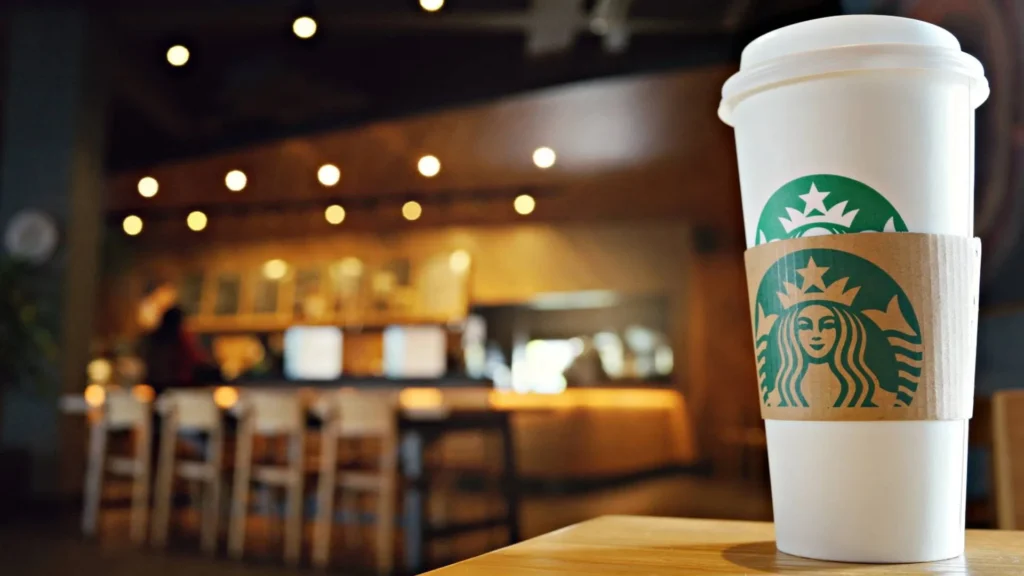
Coffee companies like Starbucks and Costa Coffee offer extensive options for customising beverages. They conduct sensory evaluations to understand individual preferences for factors such as coffee strength, milk type, and flavour additions. This data is then used to provide personalised coffee experiences, allowing customers to create their perfect cup.

Menu Personalisation

Some restaurants and food delivery services utilise sensory evaluation to personalise menus. By conducting taste tests and gathering feedback from customers, they can determine preferred flavour profiles and ingredient combinations. This information is used to curate personalised menu recommendations for individual customers, ensuring a tailored dining experience. This trend is particularly prevalent in the fast food and takeaway sector, where customers are increasingly looking for convenient, personalised and on-demand food.

Personalised Nutrition

Sensory evaluation is used to develop customised food products that cater to specific dietary needs and preferences. For instance, companies like Huel and Rootana use sensory evaluation to create personalised meal replacement shakes or snack bars. By considering taste, texture, and nutritional requirements, they can offer products that align with an individual’s unique dietary goals.

Ice Cream Flavour Creation

Ice cream brands often conduct sensory evaluations to create customised ice cream flavours. Ben & Jerry’s, a global leader in the ice cream industry, is a stellar example of this approach. For example, their limited-edition flavour, “Netflix & Chill’d,” was the result of numerous taste tests and sensory evaluations, ultimately leading to a flavour profile that resonated deeply with ice cream enthusiasts and Netflix binge-watchers alike. This instance showcases how sensory evaluation can facilitate the creation of highly personalised ice cream experiences.

Leverage the Power of Sensory Evaluation to Create More Personalised Experiences

In conclusion, sensory evaluation plays a vital role in catering to the rising demand for personalised food experiences. Companies can better understand individual sensory preferences by creating customised flavour profiles, texture profiles, and overall sensory experiences that resonate more closely with their customers. Furthermore, by leveraging the power of sensory evaluation, brands can provide unique and tailored food and beverage offerings, enhancing customer satisfaction and loyalty in an increasingly personalised market. At Wirral Sensory Services, we utilise our expertise in sensory evaluation to guide businesses like yours in creating products that truly resonate with your customers. We believe in the power of personalisation and are ready to help you unlock it to improve market share, drive sales, and grow your business. So why wait? Get in touch with us today, and let’s begin the journey towards creating unique, memorable, and tailored experiences for your customers.

How Efficacy Testing is a Key Driver in Lean Product Development

efficacy testing In the challenging landscape of product development, efficiency and effectiveness are paramount. To achieve these outcomes, companies must create products that serve their intended purpose and streamline their development process to minimise waste and maximise value. Enter efficacy testing – a rigorous process that examines a product’s functionality and performance under real-world conditions. By identifying potential issues early on and providing critical insights for improvement, efficacy testing has emerged as a vital driver in lean product development. So let’s delve into how efficacy testing bolsters lean principles, enabling businesses to deliver superior products more efficiently. But first, what is meant by “lean product development” in the first place?

What is Lean Product Development?

Lean Product Development (LPD) is a philosophy and methodology derived from Lean Manufacturing (LM) principles, aiming to reduce waste, increase efficiency, and speed up the development process. It’s all about doing more with less and doing it faster, without compromising the product’s quality or the customer’s needs. As we shall explain, efficacy testing plays a pivotal role in the LPD process.

How Efficacy Testing Aids Lean Product Development

Efficacy testing is undeniably a cornerstone of any successful product development. Its primary function is ensuring a product performs its intended purpose under real-world scenarios. However, its advantages span much wider. It’s also fundamental to facilitating lean manufacturing practices, leading to a smoother, more efficient product development process.

Early Identification of Issues

By identifying potential issues at the early stages of product development, efficacy testing plays a crucial role in supporting lean manufacturing. Early identification of these problems means teams can swiftly address them before they evolve into larger, more costly issues. Suppose a particular component is found to be failing under certain conditions during efficacy testing. In that case, the team can address the issue head-on before the product enters mass production, thus preserving time, resources and reducing waste.

Fosters a Culture of Continuous Improvement

Moreover, efficacy testing can help promote a culture of continuous improvement, another fundamental aspect of lean product development. Analysing data from test results can provide teams with opportunities to refine product design, boost performance, and even further streamline the manufacturing process.

Prevents Overproduction

Additionally, efficacy testing assists in mitigating overproduction, one of the significant forms of waste identified in lean manufacturing principles. With robust testing and confirmation that a product meets its performance standards, companies can confidently produce the right amount, eliminating the need to overproduce due to fear of potential issues. In essence, efficacy testing doesn’t just assure the final product’s performance but also paves the way for a leaner, more cost-effective manufacturing process.

The Power of Efficacy Testing in Lean Product Development

Overall, efficacy testing is not just about verifying product performance; it’s a strategic tool significantly contributing to lean product development. By identifying potential issues early, facilitating continuous improvement, and preventing overproduction, efficacy testing aids in creating an efficient and waste-minimising product development process. At Wirral Sensory Services, we understand the value of effective efficacy testing in lean product development. Our dedicated team of experts is committed to helping businesses maximise their product development process, reduce waste, and deliver products that better meet customer needs. So partner with us, and let’s work together to create products that perform. Contact us today on 0151 346 2999 to discuss your requirements in more detail.

Smelling Success: Olfactory Perception in Sensory Evaluation

sensory testing Few of our senses can evoke powerful memories and emotions quite like our sense of smell. From the comforting scent of freshly baked bread to the invigorating aroma of freshly cut grass, our olfactory experiences profoundly impact our lives. It’s no surprise, then, that understanding and harnessing these experiences are critical in product development across various industries. Welcome to the fascinating world of olfactory perception in sensory evaluation, a realm where science and sentiment blend seamlessly to shape how we perceive and interact with products.

The Science of Smell: Unravelling Olfactory Perception

The sense of smell, or olfaction, is a remarkable sensory process that begins with detecting odourants by our olfactory receptors. Located in the nasal cavity, these receptors transmit signals to the brain, where they are interpreted as distinct smells. This sense of smell is intricately linked to taste, shaping our overall sensory experiences. In the realm of sensory evaluation, understanding the science of smell is vital. It enables researchers to explore how aroma impacts our overall sensory experiences and influences our preferences for different products. By studying the intricate interplay between smell and taste, sensory scientists can uncover the nuances that make certain products more appealing or identify aroma profiles that align with specific consumer preferences.

Smell and Consumer Behaviour: The Impact on Sensory Evaluation

Since smell has the unique ability to evoke emotions, trigger memories, and influence our overall sensory experiences, when it comes to product preference and purchasing decisions, the aroma of a product can have a profound impact. In sensory evaluation tests, scent can significantly influence how consumers perceive and evaluate products. The aroma of a product can evoke feelings of freshness, indulgence, or even familiarity, all of which shape consumer preferences. For example, a bakery product that emits a warm, freshly baked scent can create a sense of comfort and appeal to consumers seeking a homemade experience. Furthermore, scent can enhance the overall sensory experience and product satisfaction. When the aroma of a product aligns with its intended characteristics and quality, it can reinforce positive perceptions and contribute to a more enjoyable consumer experience. On the other hand, an off-putting or unpleasant scent can deter consumers and negatively impact their perception of the product. Thus, by carefully considering and optimising the aroma of a product, businesses can create an engaging and delightful sensory experience that resonates with consumers, favourably influencing their preferences and purchasing decisions. beer sensory testing

The Role of Olfactory Perception in Sensory Evaluation: Enhancing Product Development

Sensory scientists employ various techniques and tools to evaluate smells and gather essential information that informs decision-making processes. One technique commonly used in olfactory evaluation is sensory panel testing, where trained assessors evaluate and describe the aromas of products. These panels provide valuable information about the intensity, quality, and character of different smells, helping to identify key attributes and potential deviations. Sensory scientists often also utilise descriptive analysis, a technique that involves trained assessors providing detailed sensory descriptions of the aromas of products. This method helps identify specific sensory attributes and differences between product variants, facilitating refinement and product optimisation. Through these techniques, sensory evaluation of olfactory perception provides crucial information about the sensory characteristics of products, aiding in the development and refinement of various consumer goods. It helps assess the overall aroma profile, identify desirable or undesirable attributes, and understand consumer preferences and perceptions.

Partner with Wirral Sensory Services for Expert Olfactory Sensory Evaluation

By harnessing the power of olfactory perception in sensory evaluation, businesses can gain valuable insights that guide product development, refine formulations, and ultimately create products that resonate with consumer expectations and preferences. At Wirral Sensory Services, we specialise in providing expert olfactory sensory evaluation services that help businesses unlock the full potential of their products. Our experienced sensory scientists and state-of-the-art facilities enable us to employ various techniques to evaluate aroma profiles, identify key attributes, and understand consumer preferences. Our insights and recommendations can help fine-tune aroma profiles, optimise product formulations, and enhance the overall sensory experience. So if you’re ready to leverage the power of olfactory perception in sensory evaluation to develop exceptional products, contact Wirral Sensory Services today. Let our expertise and cutting-edge capabilities support your product development journey and ensure your products stand out in today’s crowded marketplace.

Why Brands Should Take a More Holistic Approach to Product Concept Testing

product concept testing In the multifaceted process of product development, concept testing is a critical stage that often focuses solely on the product itself. However, in the modern consumer landscape, other elements surrounding the product – such as branding, packaging, and marketing strategies – hold significant sway in a product’s overall success. Consequently, as a brand, you need to take a more holistic approach, one that encompasses these vital extra-product elements. So, let’s explore holistic product concept testing in more detail and what it means for you as a brand developing products.

The Importance of Branding in Product Concept Testing

Branding is an essential facet of product concept testing, often acting as the first point of contact between a consumer and a product. Branding elements such as logos, brand names, taglines, and brand-associated colours not only create an identity for a product but can significantly shape consumer perception and expectations. A brand logo, for instance, carries symbolic representations that are crucial in communicating the brand’s essence and values. Similarly, a product’s name can evoke emotions, create associations and effectively differentiate it from competitors. Therefore, when conducting product concept testing, it is vital to evaluate these branding elements alongside the product itself. For example, how does the logo resonate with the target demographic? Does the product name effectively communicate the product’s purpose and align with the consumers’ expectations? Does the colour scheme complement the product and enhance its appeal? By integrating these elements into product concept testing, companies can obtain a more holistic understanding of how consumers perceive their product. It helps in refining the branding elements, ensuring they work in harmony with the product to create a compelling and cohesive brand experience.

Packaging Research and Its Role in Concept Testing

Think of packaging as a product’s silent salesperson. It does more than merely house the product; it communicates, differentiates, and, crucially, persuades. Packaging holds the power to attract attention, convey brand values, and even trigger emotional connections, all of which significantly influence purchase decisions. Firstly, consider the visual impact of packaging. Its design, colours, typography, and imagery are all elements that can resonate with consumers and impact their perceptions. Does the packaging design align with the product concept and the brand? Does it stand out on the shelf? These are key considerations that concept testing can help answer, optimising visual appeal. Secondly, functionality plays a substantial role in packaging. How easy is it to open, close, or dispense the product? Is the packaging durable and fit for its intended use? Packaging research can help assess these practical aspects, ensuring the packaging provides not only an aesthetic appeal but also a user-friendly experience. Finally, there’s the environmental aspect. As consumers become increasingly eco-conscious, the sustainability of packaging can significantly influence product perception and preference. Concept testing can gauge consumers’ attitudes towards various eco-friendly packaging alternatives, helping brands align with their customers’ values and societal trends.

Evaluating Marketing Strategies Through Concept Testing

Marketing strategies are vital in connecting your product to the consumer. They help communicate the product’s benefits, create brand awareness, and persuade consumers to make a purchase. But how do you know if your marketing strategy hits the right notes? By concept testing. Concept testing allows you to assess the effectiveness of your marketing campaigns before a full-scale launch. You can gather feedback on various aspects – the clarity of the message, the appeal of the advertising materials, and even the proposed pricing strategies. For instance, you might be testing a new promotional campaign. Concept testing can help you understand if the campaign messaging resonates with your target audience or if it’s aligned with the product and brand values. In a nutshell, concept testing takes the guesswork out of marketing strategy decisions. By incorporating it into your product development process, you ensure that your marketing efforts complement the product and contribute to its success.

The Synergy of Product and Extra-Product Elements

The magic truly happens when the product and all the extra-product elements – branding, packaging, and marketing – work together seamlessly. They must collectively tell a consistent and compelling story to engage the consumer effectively. Concept testing helps to foster this essential synergy. It provides valuable insights into how different elements are perceived individually and as a whole. For instance, a product might be fantastic on its own, but does it still shine when combined with its packaging and marketing campaign? Does the branding align with the product and enhance its appeal, or does it detract from it? Through concept testing, we can answer these critical questions and more. By considering all elements as an integrated whole, we can ensure that each component enhances the others, ultimately presenting a cohesive, compelling offering that resonates with consumers. This holistic approach to concept testing allows for a greater chance of product success in the marketplace.

Embrace a Comprehensive Approach to Product Concept Testing Today

In conclusion, a comprehensive approach to product concept testing is invaluable. By considering not only the physical product but also its related aspects, we can ensure that all elements work in harmony, creating a compelling and cohesive product offering. At Wirral Sensory Services, we offer industry-leading product concept testing services, supporting our clients in making data-driven decisions that enhance their product’s potential for success. We understand the importance of a holistic approach to concept testing, embracing the physical product, branding, packaging, and other vital elements. Partnering with us means harnessing our expertise and cutting-edge techniques, allowing you to fully explore and optimise every aspect of your product. So, if you’re ready to elevate your product concept testing process, reach out to Wirral Sensory Services today. We look forward to contributing to your product’s success journey.

Food Concept Testing: How to Validate Your Next Delicious Idea

food concept testing Food concept testing is an essential part of the product development process in the food industry. It involves gathering feedback from potential customers to evaluate a new food product’s viability before investing time and resources into its production. By conducting concept testing, food companies can identify potential flaws in their product ideas and make necessary adjustments to ensure they meet consumers’ needs and preferences. This comprehensive guide will examine how you conduct this type of product research. But first, let’s weigh the pros and cons of going down this route before launch.

Food Concept Testing: Benefits vs Challenges

Benefits of Food Concept Testing

Food concept testing offers several benefits to food companies. Firstly, it helps companies to identify the most viable product ideas. By testing product concepts with consumers, companies can evaluate the potential demand for the product and identify any potential issues with the product concept well before market launch. Secondly, concept testing helps companies to minimise the risk of launching unsuccessful products. By identifying potential issues with the product concept early on, companies can change the product before launching it in the market, increasing the chances of success. Lastly, concept testing can help companies to improve their marketing strategies. Companies can identify the most effective marketing messages and channels to reach their target audience by getting consumer feedback pre-launch.

Challenges of Food Concept Testing

While food concept testing offers several benefits, it also has some challenges. One of the main challenges is getting accurate and reliable feedback from consumers. Consumers may not always provide honest or accurate feedback, which can lead to incorrect conclusions about the potential success of a product. Finally, companies may face challenges in interpreting the results of concept testing. Interpreting the data and making decisions based on the results can be complex and requires expertise in market research and data analysis. Many companies look to outside research companies to ensure they conduct the best possible research and receive reliable conclusions.

Methods of Food Concept Testing

There are various food concept testing methods, two of the most common being sensory testing and concept evaluation.

Sensory Testing

Sensory testing is a method of evaluating a product’s taste, aroma, texture, and appearance. This type of testing is typically conducted by a trained panel of tasters who evaluate the product using a set of standardised procedures. The sensory testing results can provide valuable insights into how consumers will likely receive the product.

Concept Evaluation

Concept evaluation is a method of testing the overall appeal of a product concept to consumers. This type of testing is typically conducted through consumer research methods such as surveys or focus groups, where consumers are asked to evaluate the product concept based on a set of criteria. The results of the concept evaluation can provide valuable insights into how the product is likely to perform in the market. sensory testing

Factors to Consider in Food Concept Testing

There are several factors to consider when conducting food concept testing, including the target market, price point, and packaging. So let’s look at each in a little more detail.

Target Market

The target market is a crucial factor in food concept testing. Understanding the target market’s preferences, needs, and desires is essential to develop a product that will appeal to them. Thus, before food concept testing, companies should define their target market based on parameters such as demographics, psychographics, and behaviour.

Price Point

The price point is another critical factor in food concept testing. The product’s price should be competitive and aligned with the target market’s expectations. The price should also reflect the product’s value proposition and quality. When determining the price point, it is essential to consider the cost of production, distribution, and marketing. The price should also be tested with the target market to ensure that it is acceptable and reasonable.

Packaging

The packaging of any product should be attractive, functional, and aligned with the target market’s preferences, and it should also reflect the product’s value proposition and quality. When designing the packaging, it is essential to consider the packaging materials, design, size, and shape before testing it with the target market to ensure that it is appealing and effective.

Best Practices for Food Concept Testing

When it comes to food concept testing, companies should follow several best practices to ensure accurate and reliable results. With that in mind, this section will discuss some of these best practices, including sample size, testing environment, and data analysis.

Sample Size

One of the most important factors in food concept testing is sample size. The sample size should be large enough to provide a representative sample of the target market but not so large that it becomes too expensive or time-consuming to conduct the testing. Generally, a sample size of at least 100 is recommended, but this can vary depending on the company’s specific needs. Ensuring the sample is diverse enough to accurately represent the target market is also essential.

Testing Environment

Ideally, the testing environment should be designed to simulate real-world conditions as closely as possible. This means using packaging and branding similar to what would be used in a retail setting and providing testers with a realistic experience of the product, such as by serving it in the same way it would be for consumers (e.g., pies served hot from the microwave). It is also important to control for external factors that could influence the results, which can be done by conducting the testing in a controlled environment.

Data Analysis

The final step in food concept testing is data analysis. This involves reviewing and using the testing results to make informed decisions about the product. It is essential to use various analytical techniques, such as regression and factor analysis, to ensure accurate and reliable results. It is also important to consider the data’s limitations and avoid making exaggerated or false claims based on the results. Companies should use the data to inform their decisions and be aware of any potential biases and limitations of the testing process.

Test Your Food Concepts Today with Wirral Sensory Services

Concept testing is a crucial step in developing a winning food product. Wirral Sensory Services offers a range of sensory and consumer research services to help you test your food concepts and ensure they meet customer needs. With over 20 years of experience in the industry, we conduct sensory and consumer research for the food, beverage, and household product industries. Our team of trained testers can help you identify any areas of improvement for your food concepts, such as appearance, texture, odour and taste. By conducting consumer research, they can also provide insights into how your target audience perceives your product and whether it meets their needs. If you want to ensure your food concepts succeed, contact Wirral Sensory Services today to learn more about our sensory and consumer research services.


How Sensory Evaluation Aids in Sustainable Product Development

beer sensory testing While you may not have thought it, sensory evaluation and sustainability are actually interconnected aspects of product development that contribute to a product’s overall success and environmental impact. The connection between sensory evaluation and sustainability lies in consumer acceptance, preference, and perception of sustainable products, which all combine to significantly influence their adoption rate and market success. With that in mind, let’s explore this connection in a little more detail.

Sensory Evaluation Helps Reduce Waste and Improve Resource Consumption

Sensory evaluation can aid in reducing food waste and resource consumption by ensuring that sustainable products have desirable sensory attributes. By identifying and addressing sensory issues, companies can minimise waste resulting from customer returns or disposal due to poor sensory quality. Sensory evaluation also helps companies make data-driven decisions on product formulation and packaging, ultimately leading to more sustainable products with reduced consumption of resources during research and development.

Sensory Evaluation Can Help Promote Sustainable Alternatives

Sensory evaluation can help develop and refine alternative, more sustainable ingredients or materials that have a lower environmental impact. Companies can drive consumer adoption of sustainable products by ensuring these alternatives are as appealing, if not more so, than traditional options. For example, sensory evaluation can help manufacturers to perfect the taste and texture of plant-based protein sources, encouraging more consumers to switch from resource-intensive animal-based proteins to eco-conscious alternatives.

It Provides a Chance to Educate Customers on the Sensory Attributes of Eco-Friendly Products and Ingredients

Sensory evaluation not only contributes to reductions in resource consumption in product development, but it can also serve as a valuable tool in raising consumer awareness about the benefits of sustainable products. By emphasising the sensory attributes of eco-friendly ingredients, consumers can better appreciate their advantages, leading to increased understanding and acceptance. Companies can incorporate data and insights gained from their sensory evaluation research into their marketing materials to help shift consumer perceptions and present sustainable products as not only eco-friendly but also enjoyable and satisfying. beer sensory testing

Enhances Consumer Acceptance and Preference

Sensory evaluation helps determine the sensory attributes of a product, such as its taste, smell, texture, and appearance, which are all vital to consumer acceptance and preference. To be successful, sustainable products must not only fulfil their environmental and social responsibilities but also meet or exceed consumer expectations regarding sensory attributes. By incorporating sensory evaluation techniques, companies can optimise sustainable products to ensure they still appeal to consumers on a sensory basis, helping them maintain market share while reducing environmental impact.

Develop Products with Mass Customer Acceptance and Sustainable Credentials

With more than half of UK consumers admitting they want to change their diets to make them more environmentally friendly, the challenge for the food industry is to develop products that meet both consumer expectations and environmental concerns. By investing in sensory evaluation services, your brand can optimise your products to make them more sustainable and environmentally friendly while ensuring they retain or even enhance their appeal to consumers. If you would like to learn more about our sensory evaluation services and how they can help your brand, please don’t hesitate to contact a Wirral Sensory Services team member on +44 (0)151 346 2999 or via email at info@wssintl.com.

7 Tips for Conducting Successful Home Use Testing with Consumers

home use product testing Home use testing is an established market research tool, enabling companies to gather valuable insights into consumer behaviour and preferences in real-life situations. However, companies need to follow best practices to ensure that their testing produces reliable results and accurate insights. With that in mind, here is a list of top tips for running successful home use tests.

1. Define Clear Objectives

Identify the specific questions you aim to answer through home use testing, such as product usability, consumer needs, and purchase likelihood. Clearly communicate these objectives with your testing team to ensure everyone is aligned. By establishing well-defined goals, you can focus your testing efforts and increase the likelihood of obtaining actionable insights.

2. Select a Representative Demographic

When setting up your home use tests, it’s vital to choose participants who are likely to use the product and accurately represent your target market in terms of age, gender, income, and other relevant factors. This ensures that your home use testing results accurately reflect your target audience’s preferences and requirements, increasing the chances of developing a successful product come launch.

3. Design Realistic Tests

Create test plans outlining tasks for participants and questions they’ll answer. Ensure the test mimics real-life usage scenarios to obtain accurate results. Designing realistic tests allows you to identify potential issues and areas for improvement that may not surface during lab testing or controlled environments. The whole point of home use testing is to identify potential issues before launch, so the more real-world scenarios you can test, the better.

4. Train Testers Effectively

Provide clear instructions, answer questions, and consider using training videos or demonstrations for consistency in the testing process. By investing this time into your testers, you help ensure that tests are completed correctly, gain much more valuable feedback, and ensure the reliability and accuracy of results. home use product testing

5. Monitor Performance

Regularly check in with testers to confirm they’re using the product as instructed and providing accurate feedback. Consider remote monitoring tools for real-time tracking of product usage and performance. Monitoring performance ensures data quality and helps you address any issues that may arise during testing.

6. Collect and Analyse Data

Use a mix of qualitative and quantitative data collection methods, such as surveys, interviews, and product usage data. Utilise data analysis tools to identify patterns and trends. Gathering diverse data helps you gain a comprehensive understanding of your product’s performance and uncover insights that may inform future product development or marketing strategies.

7. Interpret Results into Actionable Insights

Contextualise data within research objectives, draw conclusions, and consider any limitations or biases before communicating results to stakeholders in a clear, concise manner using plain language. Reporting these actionable insights will help inform decision-making processes and guide the next steps in product development or improvement.

Conduct Meaningful and Insightful Home Use Tests with WSS Today

By following these tips, you can optimise your home use testing process and gain valuable insights into your product’s performance in real-life situations. As a company busy with creating, developing and launching new products, home use testing can distract from your core business activities. So, rather than setting up and managing a home use testing program in-house, consider partnering with an experienced consumer research firm like Wirral Sensory Services. We already have a vast pool of home use testers who understand the process and are passionate about trying and evaluating new products. Combine that with our industry-leading researchers trusted by some of the world’s leading consumer brands, and you have the perfect combination for a successful home use test study. So, if you’re looking to assess the real-world performance of your products, then look no further. Contact WSS today on +44 (0)151 346 2999 or via email at info@wssintl.com to discuss how we can help you.

Sensory Evaluation Case Studies: How Top Brands Have Honed Their Products

sensory evaluation In the competitive world of consumer goods, sensory evaluation plays a crucial role in developing and refining products that stand out from the crowd. As our senses greatly influence our purchasing decisions, understanding and optimising the sensory attributes of a product is vital for success. It’s a vital part of the process for many leading companies. So with that in mind, let’s look at some sensory evaluation case studies showcasing how top brands like Nestlé, Ben & Jerry’s, Starbucks, and Impossible Foods have effectively harnessed sensory evaluation techniques to perfect their offerings and maintain their market-leading positions.

1. Nestlé – Nesquik Reformulation

Nestlé has a long history of using sensory evaluation to ensure the quality and appeal of its products. The Nestlé Research Centre in Lausanne, Switzerland, employs a team of sensory scientists who work on various aspects of product development, from flavour and texture optimisation to packaging and shelf life. One example of their work was the development of a new, creamier formulation for Nesquik chocolate milkshake powder that better dissolved in milk and reduced sugar content by 15%.

2. Ben & Jerry’s – New Ice Cream Flavours

Ben & Jerry’s, the iconic ice cream brand, is known for creating unique and innovative flavours. The company often tests new flavour ideas and combinations through extensive sensory testing before launching them. Their unique limited edition flavours, such as “Netflix & Chilll’d” and “Chip Happens,” are the results of thorough sensory evaluation, including sensory profiling and consumer taste tasting.

3. Starbucks – Pumpkin Spiced Latte

Starbucks has a long history of utilising sensory evaluation to develop new beverages and food items for its menu. One of the most famous examples is the seasonal Starbucks Pumpkin Spiced Latte, which has its own army of devout fans. Before its release in 2003, Starbucks conducted rigorous food concept testing and sensory evaluation to fine-tune the flavour and texture of the drink. The Pumpkin Spice Latte has since become a seasonal favourite among customers and continues to perform well, year after year. sensory evaluation

4. Impossible Foods – Perfecting Plant-Based “Meat” Burgers

Impossible Foods is a more recent example of sensory evaluation playing a pivotal role in successful product development. The plant-based meat substitute company is known for its relentless pursuit of creating the perfect meat alternative. Their flagship product, the Impossible Burger, underwent years of sensory evaluation to ensure the taste, texture, and aroma closely resembled that of beef. Their continuous efforts to improve their products, and subsequent success, are a testament to the power of scientific sensory testing.

Team Up with Wirral Sensory Services Today for Industry-Leading Sensory Evaluation Services

Sensory evaluation has proven to be essential in the success of top brands such as Nestlé, Ben & Jerry’s, Starbucks, and Impossible Foods. By understanding and optimising the sensory attributes of their products, these companies have created offerings that resonate with their target audience and maintain their market-leading positions. If you’re looking to elevate your products and stay ahead of the competition, partnering with a leading research firm like Wirral Sensory Services can provide you with the expertise and insights needed to make informed decisions. With our team of skilled sensory professionals, we can help you harness the power of sensory evaluation to refine your products and ensure they stand out in crowded marketplaces. So don’t hesitate to get in touch with Wirral Sensory Services today and discover how our industry-leading sensory evaluation services can support your brand’s growth and success.

Sensory Evaluation

sensory evaluation Wirral Sensory Services are one of the UK’s leading providers of sensory evaluation services. Our expert panellists boast excellent acuity and sensory perception, and our in-house research team can provide a tailored service to suit your needs. But, just in case you’re wondering if sensory evaluation is something your brand might want to pursue, it’s worth first explaining what it is and why you might want to invest in these services.

What is Sensory Evaluation?

Sensory evaluation is a method of evaluating a product by relying on an individual’s sensory perception rather than using instruments or equipment. This type of evaluation can assess various aspects of a product, including appearance, aroma, flavour, and mouthfeel to name but a few. Rather than measuring with specific instruments, this evaluation method is as much about how a product “feels” when interacting with our sensory receptors as it is about its actual performance.

How and When is Sensory Evaluation Used in Product Testing?

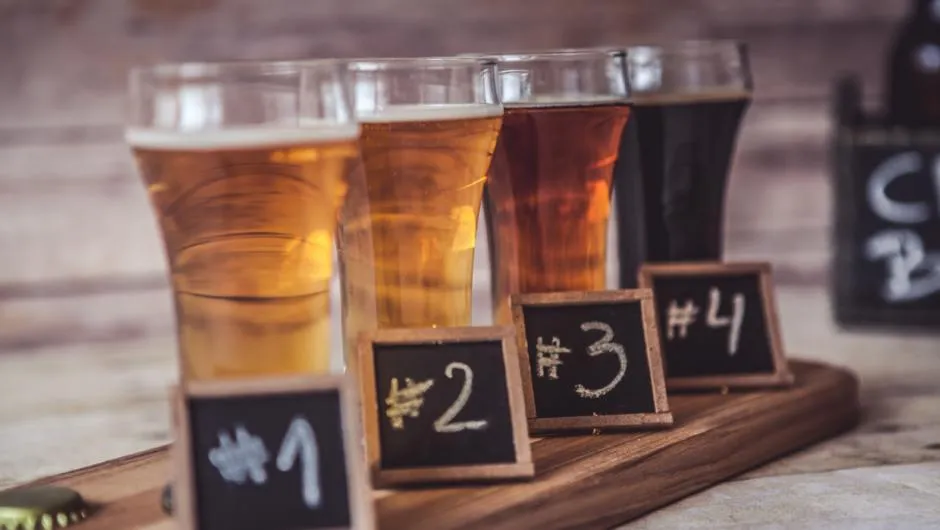
Despite being around for decades, the sensory evaluation process has recently come to the fore thanks to the explosion of craft brewing. Today, beers, lagers, ales, and other closely-associated products are most closely associated with sensory evaluation. That’s because they have complex flavour profiles, aromas, and mouthfeels that objective or scientific instruments simply can’t quantify. However, the principles of sensory evaluation have been used in other product categories for years, and you can test most consumable products with a suitable sensory evaluation method. From soft drinks to crisps, hundreds of products can be assessed using sensory evaluation services. beer sensory evaluation

What Are the Pros and Cons of Sensory Evaluation?

Sensory evaluation is a valuable tool for evaluating various consumable products, including food and beverages. However, like any product research method, there are both pros and cons to consider. Here are some of the main advantages and disadvantages of sensory evaluation.

Pros:

  • Provides a comprehensive assessment: Sensory evaluation provides a comprehensive assessment of a product, considering multiple factors such as appearance, aroma, flavour, and texture.
  • Can be consumer-oriented: Sensory evaluation projects can deliver insights into consumer perceptions, making them helpful in developing products that meet specific customer needs and preferences.
  • Cost-effective: Compared to other evaluation methods that require expensive equipment or testing, sensory evaluation is comparatively inexpensive and can be conducted with a small team of trained evaluators.
  • Flexible: Sensory evaluation can be tailored to specific products or research objectives, making it a flexible tool that can be used in various contexts.

Cons:

  • Subjectivity: Sensory evaluation is subjective, and results may vary depending on the evaluators’ personal experiences and biases.
  • Limited evaluators: The pool of trained evaluators may be limited by factors such as the availability of qualified individuals.
Overall, sensory evaluation is the best method for evaluating products solely on their sensory properties. However, it is essential to consider the potential limitations of the method and to use it in conjunction with other product evaluation methods where appropriate.

Enlist the Help of WSS to Conduct Your Sensory Evaluations

As one of the UK’s leading product research companies, we help startups and multinational brands uncover meaningful insights into their products’ performance. From sensory evaluation to taste testing and packaging research, our holistic services make it easy for businesses to identify and improve their products at any stage of their development cycle. If you would like to learn more about our entire spectrum of sensory services, don’t hesitate to get in touch with us on +44 (0)151 346 2999 or via email at info@wssintl.com. We look forward to hearing from you soon.