Sensory Testing: The Key to Developing Competitive Products in the Food Industry

sensory testing Food products must taste good, look appealing, and have the right texture to succeed. That’s why so many brands turn to sensory testing. In short, it helps food manufacturers understand how consumers will perceive their products by evaluating the sensory properties of the food, such as appearance, taste, aroma, and texture. But how does it help food brands looking to develop industry-leading products?

How Sensory Testing Helps Create Competitive Products

Sensory testing plays a pivotal role in developing competitive products in numerous ways. Below are some of the most important benefits offered to companies searching to create gold-standard products:

Uncover the Perfect Sensory Profile for Your Target Demographic

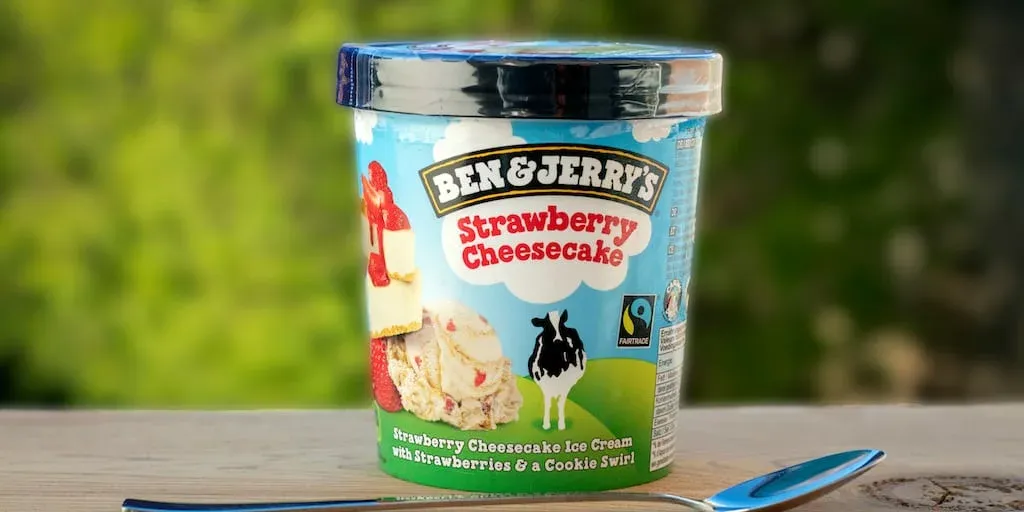
Through sensory testing, food brands and manufacturers can understand how consumers perceive their products and identify the flavours, aromas, textures, and other sensory attributes most appealing to their target market. You can then use that information to determine your target market’s ideal combination of flavours, aromas, and textures. For example, suppose you’re a manufacturer developing a new ice cream flavour. In that case, sensory testing can help you identify the optimal balance of sweetness, creaminess, and other sensory attributes that will make the product most appealing to your target consumer – increasing your chances of success from launch.

Identifying Gaps in the Market

Another way sensory testing helps develop competitive products is by identifying gaps in the market. By evaluating the sensory properties of competing products in the same market segment, you can identify opportunities to differentiate your products through unique flavours or textures. You might also find specific gaps in the market where current consumer needs go unmet. From the desire for a specific product flavour to a niche texture preference, sensory testing can help manufacturers identify these gaps and develop products that meet these unmet needs – gaining a competitive advantage.

Avoid Costly Launch Mistakes

When developing and launching new products, testing them against both the competition and your existing products is crucial – especially when considering a reformulation. Although not a food product, the example of New Coke paints an excellent picture of what can go wrong with insufficient sensory testing. While Coca-Cola had invested in taste tests of their original Coke versus Pepsi, they neglected to perform sufficient sensory taste testing with consumers with their new, “sweeter” reformulated New Coke in the 1980s. The launch was a disaster costing hundreds of millions in lost sales. However, they managed to get away with it since the whole episode inadvertently boosted sales of original-recipe Coca-Cola. You likely won’t have that luxury. So it’s wise to submit your original and reformulated products to in-depth sensory profiling using trained panellists and taste testing sessions with members of the public to avoid potentially catastrophic consequences for your brand.

Develop Competitive Products in the Food Industry with Sensory Testing

There are several elements to a successful food product launch or reformulation. However, without sensory testing, you are potentially entering the market “blind” with sufficient knowledge of how your product performs against both your marketing promises and the expectations of your target consumers. At Wirral Sensory Services, we boast over 25 years of experience in helping leading food brands ensure their products are not just competitive in the market but industry leaders. We boast expert sensory profiling teams, a vast pool of taste testers on standby, and an in-house team that can expertly design sensory studies of your products and deliver meaningful insights in straightforward language. So if you’re looking to ensure your next food product launch hits the mark from the get-go, make sure to contact us today to discuss your specific requirements in more detail.

What Aspects of Food Products are Measured During a Sensory Taste Test?

sensory testing When developing and marketing food products, ensuring that they appeal to consumers is essential. Many factors will influence a purchasing decision, including the food’s packaging and taste. This is where sensory taste testing comes in. In short, it’s one of the most effective methods to evaluate the sensory characteristics of a food product. In this type of test, a group of panellists (explicitly trained for the job or members of the public, depending on the design of the research project) are given a series of tastings of a food product to evaluate based on various attributes, such as flavour, aroma, texture, and appearance. But that’s not all. Sensory taste tests can be tailored to measure specific food preferences, such as sweet and savoury, for example. So with that in mind, let’s look at some of the most common elements tested and measured by taste tasting or sensory panellists.

1. Flavour

The overall taste of food, including its combination of sweetness, sourness, saltiness, bitterness, and umami (anything that doesn’t fit into the previous categories), as well as its overall flavour, is the most commonly tested attribute. By measuring the taste of food, trained panellists can determine if it is in line with target flavour profiles, whereas members of the public may share more open-ended and unstructured feedback regarding the taste of food.

2. Aroma

The aroma or scent of a food product can significantly influence the flavour perception and customer acceptance of that food. Strong, pungent scents can be overwhelming and may not be enjoyed by some people. Whereas more subtle scents can be more appealing and be enjoyed by a broader demographic. Testing and measuring the aroma of food products can help brands determine if they are meeting the target customer’s needs.

3. Texture

Another popular sensory taste test category is texture. Texture influences taste through its mouthfeel, consistency, and firmness. For instance, if you were trialling a soft gooey brownie as part of a new product line, you would want to measure the texture to see if it meets the target consumer’s expectations of “soft” and “gooey” as marketed on the proposed packaging.

4. Appearance

Appearance is another aspect that influences taste perception, even if it is not directly related to the taste itself. From the shape and colour of the food product to its presentation, a product’s appearance can be vital in determining whether or not someone will enjoy it.

5. Aftertaste

Aftertaste refers to the secondary sensations and mouthfeel after consuming the product. For instance, if you are testing a new flavour of ice cream, you may want to test it with different aftertastes, such as sweet, sour, and bitter, to gauge the consumer’s preference.

6. Temperature

You might be surprised to read the temperature as a measured element in a sensory taste test. However, a food’s temperature can significantly influence its taste and flavour intensity, so it must be tightly controlled and measured. Temperature is crucial for food products designed to be eaten hot, such as pies and pizzas.

7. Mouthfeel

Another important aspect that brands measure during a sensory taste test of their food products is the mouthfeel. This term refers to the sensations experienced during eating, and panellists will note a food’s viscosity, smoothness, or creaminess, for example. These measurements are often helpful for marketing purposes and can help determine the appeal of food to consumers. For instance, the “smoothest ” ice cream will likely be more popular with consumers than the “thickest” ice cream.

8. Acidity

The food’s acidity or sourness is another attribute often measured during a sensory taste test. Food with high acidity levels will generally taste sourer and may also have a higher level of bitterness – making these products more of an acquired taste. Cover Your Bases with In-Depth Sensory Taste Testing from Wirral Sensory Services As you can see, plenty goes into a sensory taste test, and many factors not mentioned here can also be measured, even if they may not directly influence the taste of any given food product. At WSS, we have over 20 years of experience in the taste testing industry and have extensively trained panellists with high degrees of acuity and expertise. We can tailor your tested parameters to ensure that your measuring the taste of food products is as relevant and accurate as possible, and we would be happy to help with any questions you may have. To discuss your taste testing or sensory evaluation requirements in more detail, don’t hesitate to get in touch with us today.

The Importance of Consumer Research in Understanding Customer Needs

consumer research Understanding customer needs is crucial for any brand because it helps them develop products that meet the preferences and expectations of their target audience. For instance, if you’re a food or drink brand, conducting consumer research allows you to better identify your customers’ taste preferences, dietary requirements, and lifestyle choices. You can then use this information to develop products that cater more closely to your customers’ needs and preferences, leading to increased brand loyalty and sales. So why is understanding your customers’ needs so important?

Why Is It Important to Understand Customer Needs?

Customer needs refer to customers’ desires and requirements for a product or service to fulfil a particular purpose or solve a problem. For consumables such as food, drink, or beauty products, understanding these needs is essential for understanding what products to produce and how to market them effectively to target customers. But that’s not all. Effectively understanding customer needs allows brands to spot opportunities and develop products to cater to those unmet needs, helping them achieve a first-mover advantage. Consumer research also allows brands to accurately assess vital aspects such as pricing and product positioning to ensure they maximise profitability and revenue. In short, if you’re a brand that doesn’t invest in consumer research, you’re already operating at a disadvantage.

How Consumer Research Helps Brands to Better Understand Customer Needs

Consumer research helps businesses understand customer needs by collecting and analysing data concerning customer preferences and behaviours. This information can provide insights into what customers want, need, and expect from a product, enabling businesses to develop offerings that better meet their customers’ needs.

Start-Up Beer Company Example

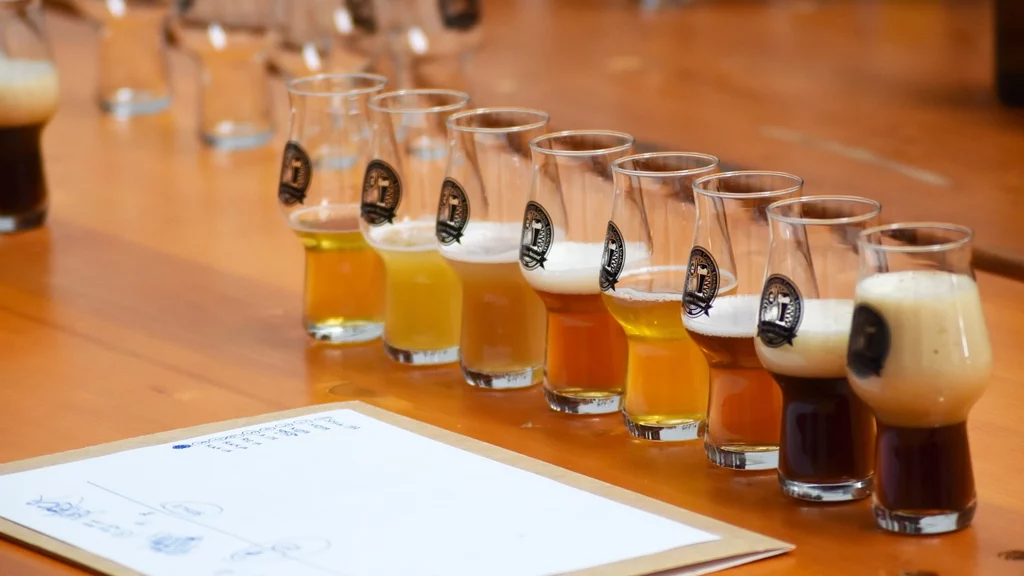
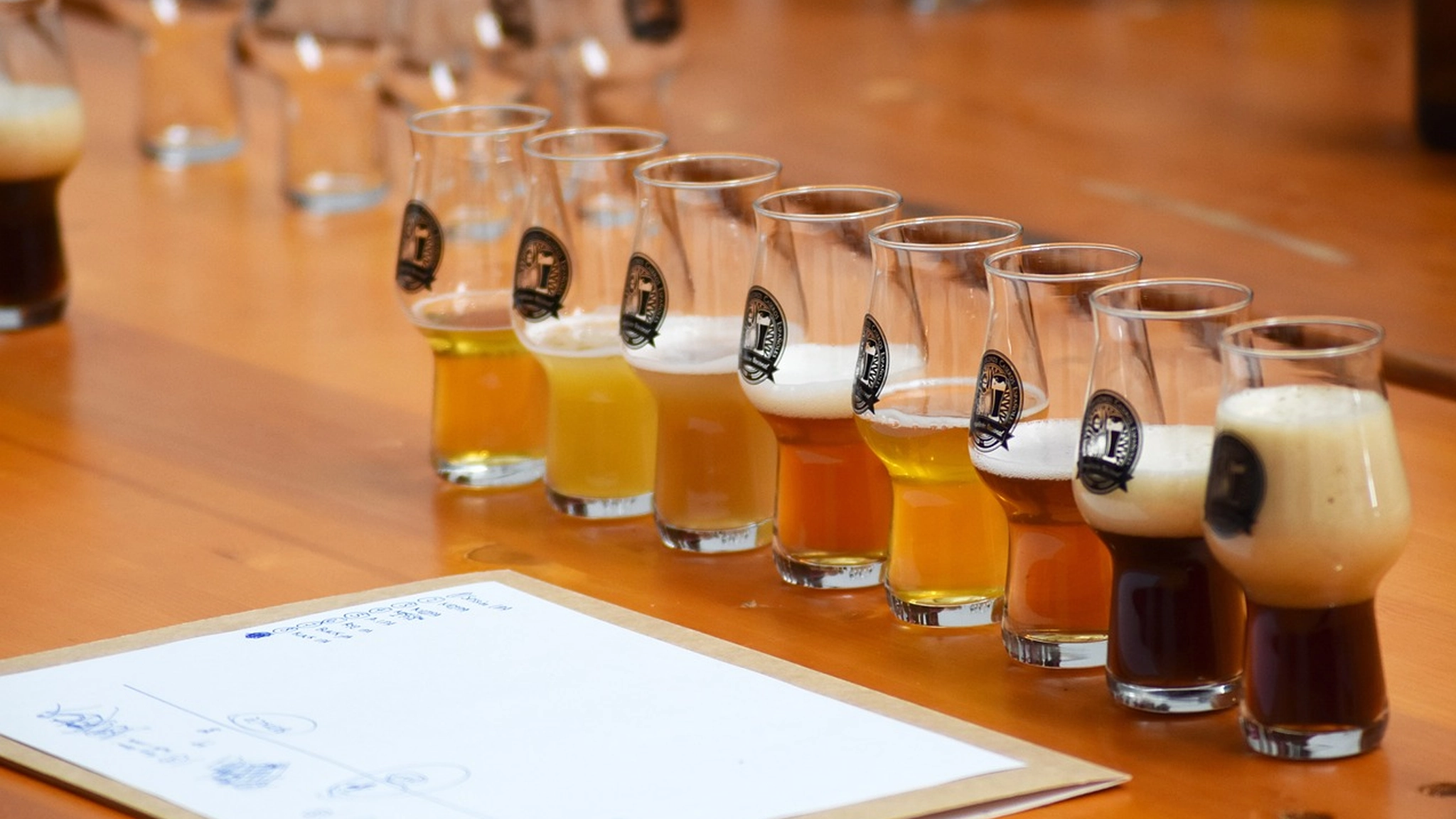
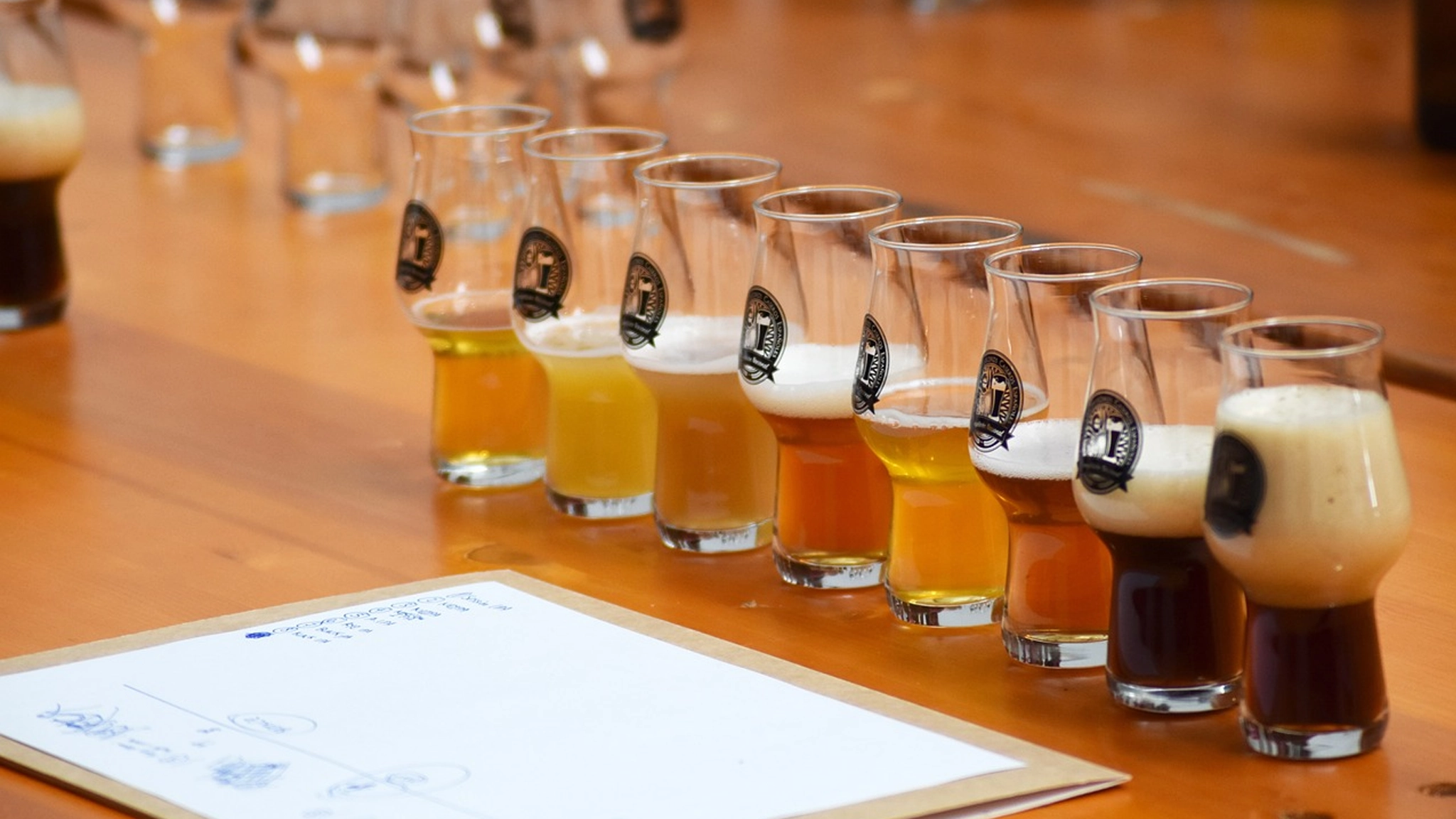
For example, let’s say you’re a craft brewing company looking to release a new lager that caters to younger, more health-conscious audiences. In this case, you might enlist the help of a consumer research company to conduct taste testing sessions to collect feedback from their target audience about the taste, aroma, and overall experience of their beer. During the taste testing sessions, the research company provides samples of different beer recipes to participants and asks them to rate the beer on different attributes such as bitterness, sweetness, aftertaste, and overall flavour. The company also collects demographic information such as age, gender, and beer-drinking habits to understand the preferences of its target audience. After analysing the taste testing data, the research company finds that the target audience prefers less bitter beers with a fruity aroma. Additionally, the taste-testing data shows that many participants are interested in low-calorie beer options that are still flavorful. Using the insights gained from the taste testing, you create a line of low-calorie beers that are less bitter and have a fruity aroma. You also decide to market these beers as a healthier alternative to traditional craft beers, which appeals to the health-conscious nature of its target audience. As you can see, by conducting consumer research, you, as a business, can better understand your customers and develop products that better cater to their needs – increasing your chances of success.

How Can Brands Conduct Meaningful Consumer Research?

There are all kinds of ways you can carry out valuable consumer research, including surveys, focus groups, online questionnaires, taste testing, and sensory evaluation, to name but a few. To ensure these methods (and others) pay dividends, it makes sense to partner with an experienced consumer research company, such as WSS, to conduct the research for you. Not only do we have an extensive pool of consumers across all demographics on hand to conduct meaningful research, but we also have a wealth of experience in understanding and analysing consumer data. With reports and insights delivered in layman’s terms, you’ll be able to better understand your target audience and develop products that speak to their needs. So no matter how you intend to put your products or concepts to the test, partner with WSS to benefit from our first-class ability in designing research projects, collecting data from various sources, analysing the results, and providing actionable recommendations. With our services, you can make informed decisions about product development, marketing strategies, and customer engagement, leading to increased customer satisfaction, loyalty, and sales. Call us today on +44 (0)151 346 2999 or email us at info@wssintl.com to discuss your specific needs.

5 Ways You Can Utilise the Results of a Sensory Taste Test

  1. Home
sensory research

Sensory taste tests are a vital part of developing and evaluating food and drink products. They deliver a wide range of insights influencing product decisions, from flavour and taste profiles to texture and appearance.

But what are some actionable insights you might discern from such a test? Let’s look at five key takeaways that could inform your product development and marketing decisions.

1. Gauge Consumer Acceptance

One of the first takeaways from a sensory taste test is an indication of consumer acceptance – especially if you’ve carried out the project with lay taste testers (members of the general public) rather than trained experts.

Their subjective thoughts on your product’s taste, texture, and aroma can be invaluable in helping you understand how consumers might perceive your products in the future.

By catching any potentially negative perceptions early, you may be able to avoid costly redevelopment processes while the product is already sitting on shelves missing sales targets.

2. Analyse Competitors’ Offerings

An in-depth understanding of your competitors’ offerings is one of the most critical insights delivered via a sensory taste test. When tested side-by-side, you can gain vital insight into how your product compares to competitors’ products in terms of taste and other sensory factors.

You might suddenly discover that your meat pie doesn’t possess as much “beefiness” as your main competitor’s offering – or that your product has a much richer and more decadent mouthfeel than your competitor’s.

These insights can help you refine your recipes to better serve your customers’ tastes and differentiate your products from competitors.

3. Identify Product Strengths and Weaknesses

Another important takeaway from a sensory taste testing project is the identification and analysis of product strengths and weaknesses. You might find that your target demographic loves a particular element of your product – such as its rich, indulgent texture – but finds another element less appealing, such as its strong aftertaste.

Without putting your product through these tests, these weaknesses might not have been picked up until the later stages of product development or in customer focus groups. At that point, it would be far more expensive to fix any issues.

4. Leverage Your Competitors’ Products to Create a Gold-Standard Product

Sensory taste tests have the ability to remove the secrecy behind your competitors’ product’s success. By objectively evaluating your product alongside a selection of the current market leaders, you can identify those factors that differentiate them from the competition, as well as those features that you could incorporate into your own products to create a market-leading offering.

This process, known as product benchmarking or product optimisation, allows you to take the best bits from your competitors’ products and combine them with your own expertise to create a product or service that is genuinely unique – rather than simply “me too” – in the eyes of the consumer.

5. Better Focus Your Marketing Strategy

Lastly, another excellent takeaway from a sensory taste test is identifying a product’s key selling points. There’s no point trying to market your fizzy drink as the “fizziest” on the market if there are others on the market that are considerably stronger on the fizz front.

By uncovering what it is that makes your product unique, you can focus your marketing efforts more effectively and ensure that your brand stands out from the crowd for the right reasons.

Sensory Taste Tests Offer Various Benefits

As you can see, there are many reasons why your company should consider undertaking a sensory taste test as part of the product development process. The various ways in which you can use the data and insights delivered by WSS can vastly improve your company’s ability to create and sell products that truly resonate with consumers – and ultimately improve your bottom line.

To speak to a member of our team about conducting a sensory taste test for your brand, please get in touch today on +44(0)151 346 2999 or email us at info@wssintl.com.

Consumer Research

  1. Home
consumer research

All market-leading products depend on consumer research to achieve success. Without consumer feedback, companies can’t make informed decisions about their products either before launch or after they’ve been on the market for a while.

Whatever stage of the product life cycle you are at, we can help you with high-quality and easily actioned consumer insights. With over 25 years of UK market expertise, our team offers expert industry knowledge and outstanding research and data analysis skills.

What Are the Benefits of Conducting Consumer Research?

There are several benefits that you can gain from conducting market research, including:

  • An increased understanding of your target market: The more information you have about your target market, the easier it will be to develop an effective product.
  • Competitors’ strengths and weaknesses: By identifying your competitors’ strengths and weaknesses, you will be able to create a product that is better adapted to consumer needs and exploit any weaknesses current market leaders might have.
  • Improved product positioning and promotion: By better understanding what customers are looking for in your product, you can more easily identify effective marketing and promotional strategies, enabling you to maximise your sales.
  • Reduced product development costs: By researching the wants and needs of your target audience, you will better understand the kind of features your new product will need to meet these needs. This will make it easier for you to make the right investment choices when developing your product, saving you time and money.

In short, when you invest in consumer research services, you will be able to achieve your business objectives faster and more effectively. You may even be able to spot gaps in the market and create products that meet the demands of your customers more effectively than your competitors.

What Consumer Research Methods Does WSS Offer?

We offer a broad spectrum of consumer research services, including but not limited to the following:

The option you decide to pursue will depend on your specific product and company needs. Our team is always on hand to advise on the most effective method for your particular circumstances. Of course, we can conduct multiple types of research on the same project if your product requires it.

Why Choose Wirral Sensory Services for Your Consumer Research Needs?

At WSS, we’re proud of our decades-long track record in providing excellent market research services to a wide range of businesses across the UK. We have worked with leading names in various industry sectors, including food and drink, health and beauty, and household cleaning products.

Whatever sector you operate in and whatever stage of your business lifecycle, we can help you with comprehensive and insightful consumer research that will help you achieve your objectives.

So if you would like to speak to a member of our team regarding your requirements or want to find out more about our full range of services, simply contact us today by calling +44 (0)151 346 2999 or by sending us an email to info@wssintl.com.

Sensory Taste Test

  1. Home
sensory taste test

When developing a market-leading food or beverage product, you must gather all the data you can to ensure success. While you might well spend time on packaging research and get focus groups together to help refine your product, you should also pay attention to flavour and texture.

Without objectively measuring your finished product, you’ll never be sure you’re developing a product that will hit the mark with consumers. Since taste is such a huge part of product acceptance, it’s only right that you’ll want to conduct a sensory taste test (or several) to truly understand how your new product tastes in the eyes of your consumers and how it compares against your competitors’ offerings.

What is a Sensory Taste Test?

A sensory taste test is, as it sounds, a test to determine the sensory properties of your product. You might measure how it tastes, how it feels in the mouth, how it smells, and how the texture performs so that you can understand where it’s going right or wrong and what you can do to improve it.

You can choose to test your products based on specific parameters, or you can decide to base it entirely on consumer preference.

What’s Involved in the Sensory Taste Testing Process?

Generally speaking, sensory taste tests are carried out by trained assessors who will be guided by a research company such as Wirral Sensory Services regarding which elements to assess. Whether it be odour, texture, flavour, or any other factor that feeds into the taste of a product, the assessor will be instructed to objectively record their observations.

It’s common to subsequently rerun these tests with leading competitor brands, so you have an objective comparison to make and can look for areas of deficiency or strengths in your product development.

Taste testing can also be carried out by members of the public from your target demographic to receive more subjective feedback in neutral settings. Their insights can point to opportunities or problems you might not have considered in your initial tests.

How Can You Use the Results of Your Sensory Taste Tests?

When working with Wirral Sensory Services, you will have your results broken down into jargon-free language that you can easily interpret and understand. With your actionable insights, you can then choose to either develop the product further or make the necessary adjustments to ensure it meets the market’s expectations.

Sensory taste tests often form part of the product benchmarking or product optimisation process, whereby a new product is developed and tested throughout its development cycle against its key competitors to ensure that the final product has a competitive advantage in the marketplace.

Why Choose Wirral Sensory Services for Your Sensory Taste Test Requirements?

Since 1997, we’ve been trusted by leading British and international brands to handle their sensory research needs. We have one of the largest and most experienced pools of trained sensory panellists in the UK for conducting qualitative and quantitative market and product research projects.

Whether you need the objectivity of high-acuity testers or the lay perspective of the general public to understand your market better, we can help you identify opportunities for improvement using a range of techniques tailored to your product and your budget.

To speak to us today regarding your next sensory taste test project, please contact us on +44 (0)151 346 2999 or fill out the online contact form on our website.

Sensory Services

  1. Home
beer sensory testing

Sensory services are key in the development of successful products, particularly in the food and beverage industry. By investigating, measuring, and reporting how consumers interact with products, we can help you to design and improve products to better meet consumer needs.

At Wirral Sensory Services, we offer a range of services to support product development, from taste testing to product acceptance. Our team of experts have a wealth of experience in the food and beverage industry and are passionate about helping businesses of all sizes to succeed.

What Sensory Services Does WSS Offer?

Our consumer research methodologies cover all the senses, from visual and texture analysis to aroma and taste testing. We also offer services such as product benchmarking, where we compare your product against market-leading competitors to objectively analyse areas for improvement.

Our sensory panels are made up of experts with above-average sensory acuity, and they can notice even the subtlest changes in flavours, texture, smell, and appearance. This, combined with our state-of-the-art facilities and equipment, means that we can provide accurate and reliable results that you can use to take actionable steps to improve your product.

What Benefits Do Sensory Services Offer Brands?

There are many benefits to incorporating sensory services into your product development. Firstly, by subjecting your products to sensory scrutiny, you can learn how and where your product differs from the competition. Knowing what areas need improvement will help you to focus your development efforts more effectively.

Additionally, by understanding how consumers interact with and perceive your product (by submitting them to sensory consumer taste tests), you can develop products that better meet their needs and expectations. Ultimately, this will lead to happier customers and increased sales.

Lastly, you can receive objective, scientifically-obtained data regarding the sensory performance of your product in a language you can understand. With the insights gained from our sensory services, you can confidently make decisions about your product development.

Why Choose WSS for Sensory Services?

First and foremost, our track record speaks for itself. Our client list includes household-name international brands, such as Subway, Sainsbury’s, Marks & Spencer, Butterkist, and Costa Coffee, to name but a few. The fact that we are trusted by some of the world’s leading brands is a testament to the quality of our services.

Secondly, our people are experts in their field. They can interpret data obtained from our sensory research and transform it into actionable insights that deliver tangible results for our clients. Our sensory panellists are also highly-trained and have a wealth of experience in the sensory profiling of food and beverage products.

Lastly, sensory services only represent a fraction of the research services we offer at Wirral Sensory Services. We also provide consumer research, packaging design consultancy, and much more. So, if you are looking for a holistic and comprehensive approach to product development, we are the company for you.

Contact WSS Today Regarding Our Sensory Services

If you would like to learn more about our sensory services or any of the other research services we offer, please don’t hesitate to get in touch. One of our friendly and experienced team members will be more than happy to discuss your requirements with you in further detail.

Alternatively, you can browse our full range of consumer and sensory research services here. No matter where you are in your product development journey, we look forward to helping you to take your product to the next level soon.

5 Benefits of Working with Wirral Sensory Services

  1. Home
sensory testing

Research is a vital part of the product development process. From gauging product acceptance to evaluating flavour profiles versus leading competitors, research is an essential tool for any brand looking to succeed in the marketplace.

Wirral Sensory Services can offer your business a comprehensive suite of research services, from in home use tests to efficacy testing in our state-of-the-art facilities. We have a team of experienced and qualified researchers who will work with you to design and execute a study that meets your specific needs and objectives.

But why choose us specifically? What are some of the distinguishing benefits of working with Wirral Sensory Services?

1. Benefit from Our Extensive Experience and Expertise

Our team has been putting products from all kinds of consumer categories through their paces since 1997. Not only do our researchers have the experience and expertise to create and deliver impactful research projects, but they also have the perspective that can only come from working with such a wide range of products.

While we primarily focus on food and beverage products, we work with a range of brands in the FMCG and CPG verticals. This experience gives us a deep understanding of how to create successful research projects that deliver meaningful and actionable insights.

2. We Take a Holistic Approach to Consumer and Product Research

We believe research should be an integrated part of your product development process, not an afterthought. Our team will work with you from the outset to establish goals, whether marketing-oriented or focused on product development. We then design and execute a research plan to provide the insights you need to create a successful product.

With more than 15 categories of research services, we can create a multi-pronged approach to your project that will provide a well-rounded view of your product and its place in the market, delivering value to multiple stakeholders within your organisation.

3. We Relay Insights to You in a Manner You Can Understand

So many multinational brands favour us because we deliver insights from our data in a digestible format. We offer clear, concise reporting and commercially-focused recommendations that allow you to take meaningful and impactful actions based on our findings.

Our team will work with you to ensure that the final deliverables meet your specific needs and can be tailored to the level of detail required.

4. We Become an Extension of Your Team

One of our most significant differentiating factors is the level of service we provide to our clients. We view ourselves as an extension of your team and will go above and beyond to ensure you get the most out of your research project.

From pre-project planning to debriefs and follow-up calls after project delivery, we will be there for you every step of the way to ensure that your needs are being met and that you are getting the insights you need to advance your product development efforts.

5. We Offer Competitive Pricing Without Compromising on Quality

We provide a premium service at a competitive price, making us an attractive option for businesses of all sizes looking to get the most bang for their research buck. We understand that not all budgets are the same, and we will work with you to tailor a research solution that meets your needs without breaking the bank.

So whether you’re a startup looking to get your first insights into the market or a more established organisation looking to add to your research arsenal, we have a solution that will fit your needs.

Talk to WSS Today to Learn More About How We Can Help You

If you’re interested in learning more about how Wirral Sensory Services can help you with your product development or consumer research needs, we invite you to get in touch with us today.

Our team would be more than happy to discuss your specific needs and objectives and develop a tailor-made research solution to help you achieve your goals. Contact us today to learn more.

Which Feedback Methods Are Available with Home Use Product Testing?

  1. Home
ihut testing

Home use product testing offers brands developing products numerous advantages. From observing how a product performs within its intended environment to studying unscripted user behaviour, this type of testing provides brands with a wealth of feedback that can be used to improve product design and functionality.

But what feedback methods are available with home use product testing (sometimes referred to as in-home use testing)? Well, the good news is that there are several different ways to gather feedback from participants.

Here are four of the most popular methods:

1. Online Questionnaires

One of the cheapest and easiest ways to gather feedback and intelligence from a home use product test is via online questionnaires. These online forms allow participants to provide feedback on their experience in their own words, and brands can use this feedback to improve their products.

There are plenty of options within these questionnaires, from survey-style multiple-choice questions to open-ended questions that encourage participants to provide detailed feedback. This feedback method is an excellent option for brands on a tight budget or those looking to test a product on specific criteria.

2. One-on-One Interviews

Another option for researchers is conducting one-on-one interviews with the product testers. This format can be arranged either in-person or online via video call, allowing for a more in-depth conversation about the product experience.

The obvious advantage of interviews is that you gain more detailed, qualitative feedback from the participants. One-on-one interviews are excellent for uncovering user needs and understanding how a product is being used in the real world.

3. In-Home Observations

In-home observation involves researchers visiting participants’ homes and physically watching them using the products. This type of feedback is incredibly valuable as it allows brands to see first-hand how their products are being used and identify any potential issues.

This technique has saved some of the world’s biggest brands from failure, including Febreze. It’s often complemented with an in-person interview since researchers can ask questions in real time as they observe the product being used.

4. Telephone Surveys

Lastly, another popular option is telephone surveys. They work much in the same way as online questionnaires, except testers are able to provide more detail in their answers, and researchers can ask probing questions to elicit more information.

This feedback method is beneficial for getting insights from hard-to-reach demographics who might not be able to deliver online responses. It also removes some of the potential bias issues that come with trying to give honest feedback to someone in person.

Contact WSS to Discuss Your In-Home Product Testing Needs

Home use product testing delivers various benefits to brands, but the feedback-gathering process can be daunting. If you’re unsure which method is suitable for your needs, get in touch with the team at Wirral Sensory Services.

We have over 25 years of experience conducting in-home product testing for various brands and products. We can tailor both the testing and feedback methodology to your specific needs to deliver the insights you require.

So, if you want to find out more about our in-home product testing services or discuss your requirements in more detail with a member of our team, don’t hesitate to get in touch today.

What Can Your Brand Expect as Part of a Sensory Research Service?

  1. Home
sensory testing

If you’re a startup or established brand looking to secure increased market share, you need to understand your target audience’s preferences. At Wirral Sensory Services, our range of sensory research services help you do just that.

Our team of experts has years of experience conducting research for brands, covering everything from product formulation and packaging to flavour and texture profiles. We use the latest scientific techniques and best practices to provide you with high-quality, reliable data that you can use to make informed decisions about your product development.

With our all-in-one sensory research service, you can test and evaluate your products with confidence, ensuring that your products are appealing to your target demographic.

But what can your brand expect from our sensory research services?

A Comprehensive Understanding of Your Target Audience’s Preferences

Through a range of product testing services, including taste tasting, sensory profiling, and product benchmarking, we will help you to understand your target audience’s preferences. This data can inform your product development and help you decide what flavours, scents, and textures will be most appealing to your customers.

By understanding the key sensory drivers that influence your target audience’s purchasing decisions, you can tailor your products to meet their needs and wants, and ultimately increase market share.

Improved Product Development Decisions

Tweaking production and reformulating products is an expensive undertaking, so the fewer times it needs to be done, the better. Our sensory research services can help you to avoid costly mistakes by rigorously testing products before they go to market.

By investing in a comprehensive sensory research service just once, you can save money in the long run by making informed decisions about your product development. This will result in fewer production errors and a dramatic reduction in time invested and company resources.

A Better Understanding of Your Competitors

To stay ahead of the competition, you need to understand what they’re doing and how they’re able to appeal to your target audience. Our sensory research services can help you to do just that.

You can get an in-depth understanding of your competitor’s products through various analytical methods, including sensory profiling and specific taste testing methodologies. The results of our analyses can then be used to inform your product development, helping you to create products that are even more appealing to your target audience.

Increased Market Share and Sales

Ultimately, our sensory research service can help increase market share and sales. With the insights and data gathered from our research, you can develop more appealing products and improve your chances of market success.

In that regard, sensory research more than pays for itself, and it’s an essential tool for any brand looking to succeed in today’s competitive marketplace.

Contact Wirral Sensory Services Today to Discuss Your Sensory Research Needs

If you’re ready to take your product development to the next level and gain a competitive edge in the market, contact us today to learn more about our sensory research services. We are available by phone on +44 (0)151 346 2999, or you can send an email enquiry to info@wssintl.com.

We look forward to hearing from you soon.